





African Wooden Art
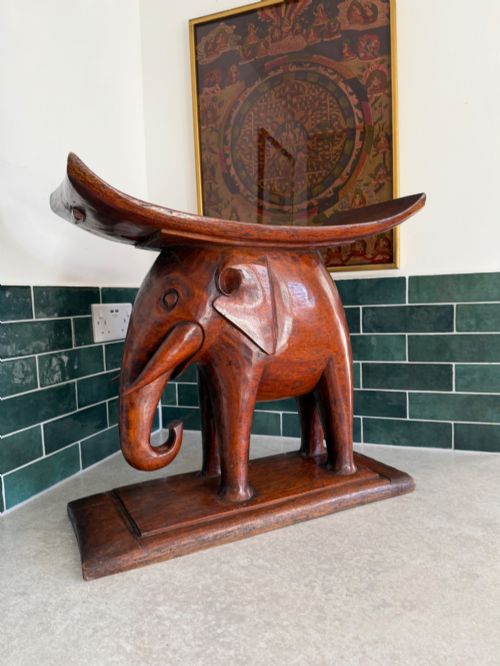
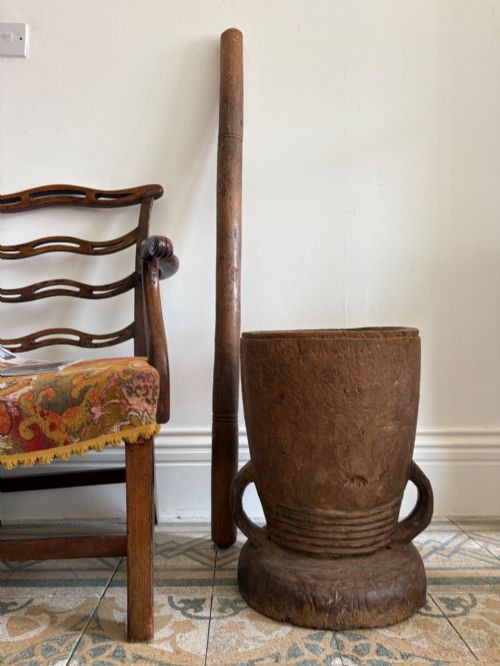
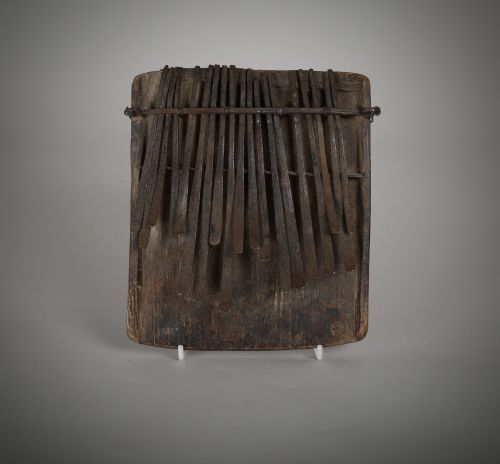
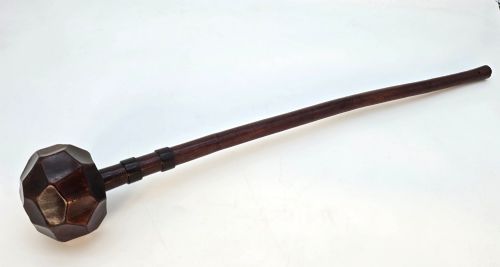
African wooden art comprises carved sculptures, masks, and functional artefacts spanning the nineteenth and twentieth centuries.
African Wooden Art
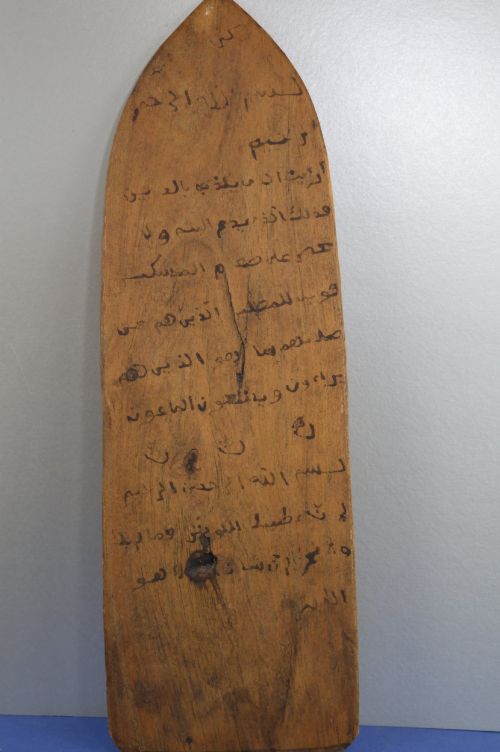
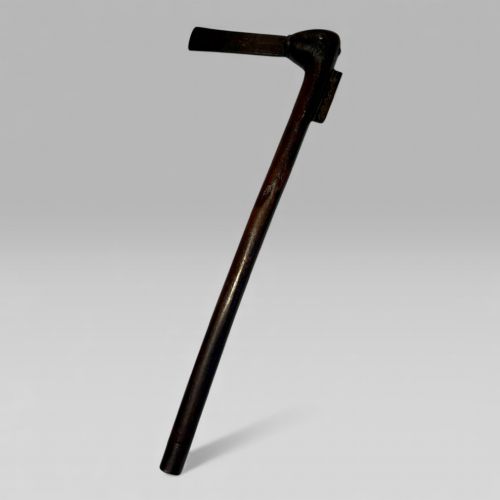
African wooden art encompasses objects created across the nineteenth and twentieth centuries, ranging from functional domestic items to sacred ritual pieces. When exploring African wooden art, buyers encounter masks, figures, and utilitarian implements originating from diverse regions and cultures.
Materials and technique
Items are shaped from wood and dense hardwood using hand-carving techniques. Artisans often employ tree trunks and localized timber to create figures, masks, and utility objects.
Surfaces frequently show the addition of pigment, kaolin pigment, iron, glass beads, and bone. These materials serve both decorative and ritual functions on masks and sculptures.
African Wooden Art Retail Price Guide 2026
Typical asking prices for african wooden art among the pieces listed under this phrase on Sellingantiques today, from the lower quarter to the upper quarter. They describe what is for sale here now, not the wider market.
Current listings feature items from the 19th Century, Edwardian period, and the 1950s, constructed from wood, hardwood, pigment, iron, and glass beads.
Assessing quality
Quality depends upon the precision of the carving and the expressive depth of the form. Pieces demonstrating confident handling of wood show superior sculptural competence.
The presence of authentic surface wear and original pigment adds to the visual integrity of a piece. Finer examples display a clear relationship between the utilitarian or ceremonial purpose and the artistic execution.
Abegunde of Ede
The African Wooden Art Glossary
- Ibeji
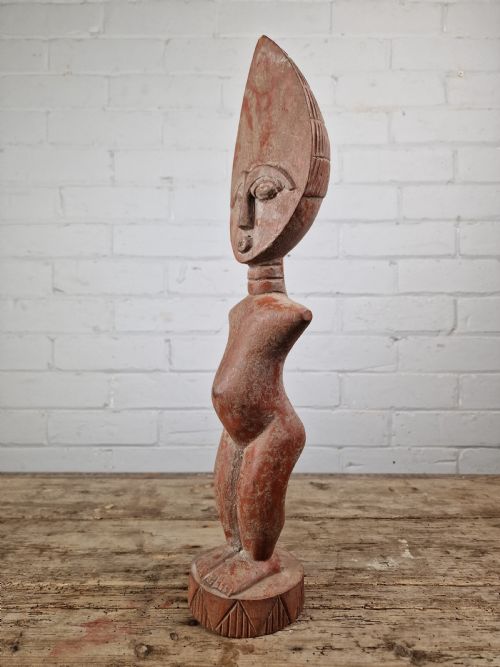
- A wooden twin figure carved by the Yoruba people of Nigeria. These sculptures commemorate deceased twins and often display detailed coiffures.
- Nimba
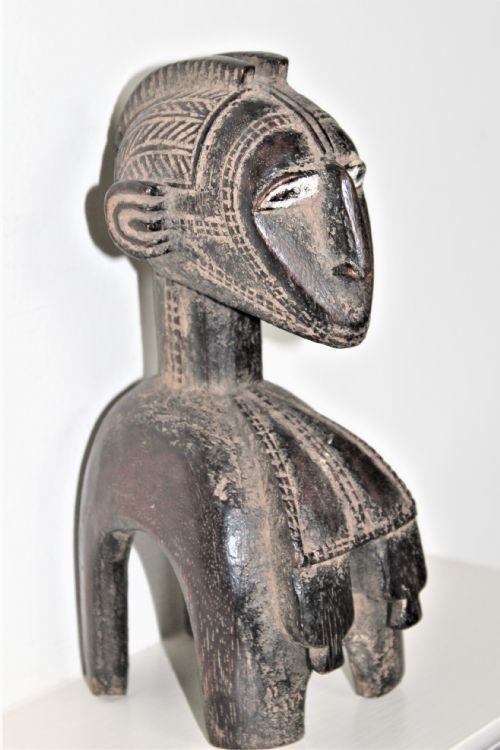
- A large shoulder mask created by the Baga people of Guinea. This form is associated with fertility and agricultural abundance.
- Patina
- The surface sheen and coloration developed through handling, age, and exposure over time. A desirable patination indicates genuine use and considerable age.
African Wooden Art: Frequently Asked Questions
What are tribal masks used for?
Tribal masks are worn during ceremonial dances, rituals, and agricultural festivals. They often represent ancestral spirits, animals, or idealized community traits.
Many masks served spiritual functions within specific communities across Central and West Africa. Their usage linked the living participants with the spiritual realm during important tribal events.
How do I care for wooden artefacts?
Keep wooden pieces away from direct sunlight and sudden temperature fluctuations. Stable indoor humidity prevents the wood from drying out and cracking over time.
Avoid applying modern polishes or cleaning agents to antique surfaces. Gentle dusting with a dry cloth is sufficient to maintain the natural finish and patina.
How do I date these carvings?
Dating relies on tool marks, wood species, regional style, and historical documentation. Expert assessment of surface wear helps distinguish older pieces from later reproductions.
Stylistic conventions often point to specific periods or production decades. Comparing a piece with documented examples from similar regions clarifies its age.
What is an Ibeji figure?
An Ibeji figure is a carved wooden sculpture dedicated to a deceased twin in Yoruba culture. These figures act as spiritual vessels and are cared for by the family.
Carvers shape the wood to reflect traditional hairstyles and adornments. They are handled frequently, which contributes to their distinctive surface sheen.