






African Artefact Sculpture
These african artefact sculpture pieces bring genuine tribal presence into a room, combining ritual history with striking sculptural form.
African Artefact Sculpture
Buyers frequently encounter tribal masks and carved figures originating from West and Central African traditions, including Congo, Gabon, and the Ivory Coast. These forms reflect deep cultural heritage and traditional craftsmanship.
How they were made
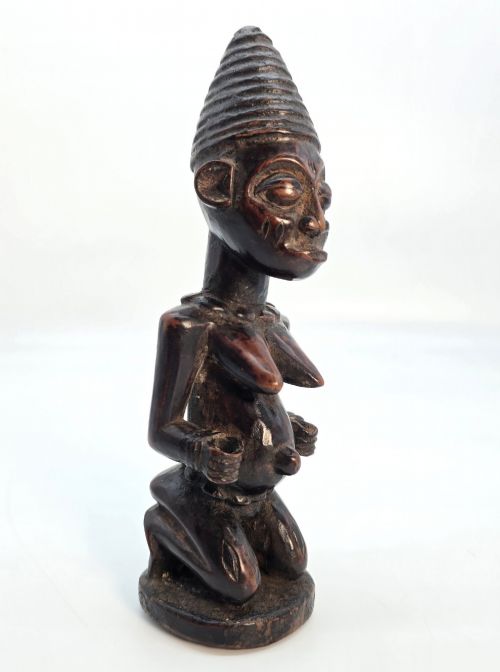
Wood and hardwood form the primary foundation for many carved sculptures, masks, and ceremonial objects. Artisans utilised traditional hand-carving techniques to shape these organic materials, often enhancing the surfaces with pigment and natural patina.
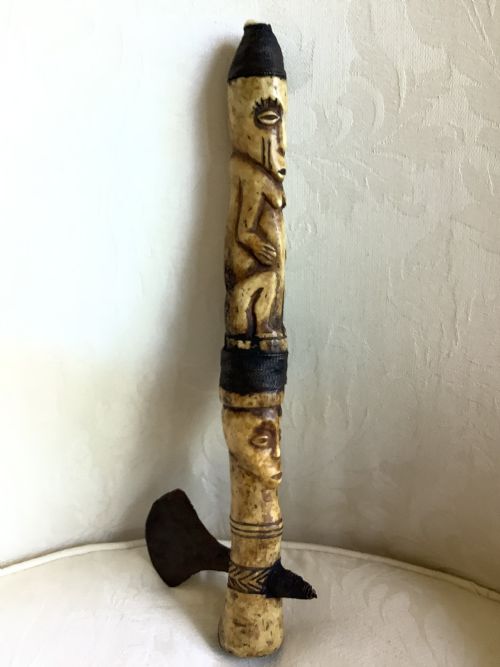
Bone and fibre appear in specific pieces like pipes and axes, demonstrating a diverse material palette. These various elements were combined to create complex ceremonial objects imbued with distinct tribal characteristics.
African Artefact Sculpture Retail Price Guide 2026
Typical asking prices for african artefact sculpture among the pieces listed under this phrase on Sellingantiques today, from the lower quarter to the upper quarter. They describe what is for sale here now, not the wider market.
The inventory highlights works spanning the nineteenth and early twentieth centuries, constructed from wood, bronze, bone, and brass.
What varies in quality
The integrity of the material and the character of the surface finish distinguish exceptional pieces. Natural wear, authentic pigment application, and deep patination accumulated over time contribute significantly to the aesthetic authority of an object.
The African Artefact Sculpture Glossary
- Patina
- The surface sheen and coloration developed through age, handling, and environmental exposure. It serves as a key indicator of authenticity and historical depth on wooden and bronze objects.
- Tribal mask
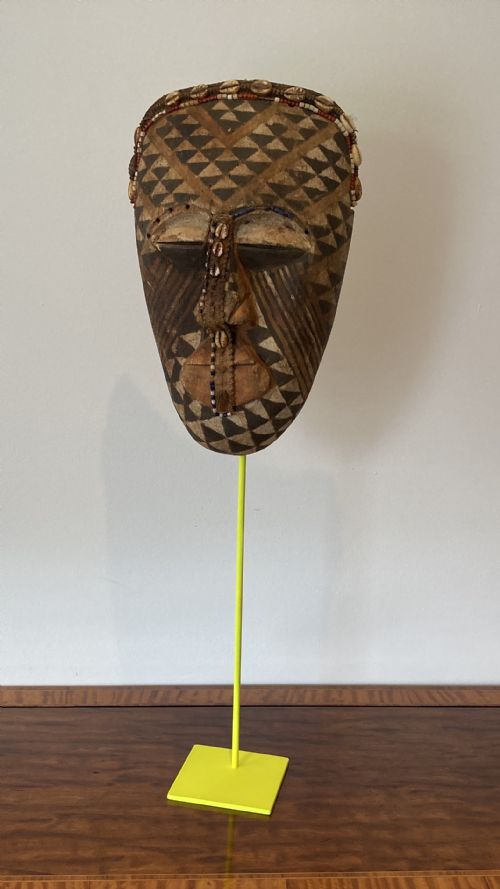
- A ceremonial face covering worn during dances and rituals, embodying ancestral spirits or cultural archetypes. These pieces are typically carved from wood and may incorporate pigments.
- Ceremonial staff
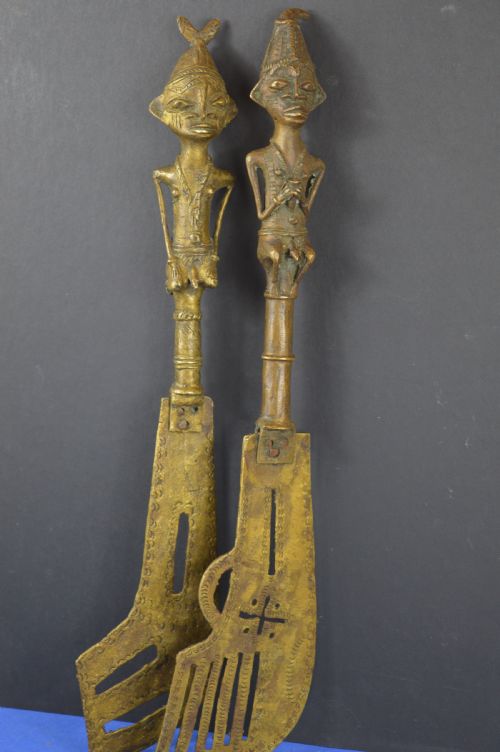
- An elaborately decorated wooden or metal rod denoting authority, rank, or spiritual power within a community. Yoruba examples often feature cast bronze elements.
- Pigment
- Natural colouring matter applied to the surface of wood or bone artefacts to enhance ritual significance and visual contrast. Traces of early colour often remain embedded in the grain.
African Artefact Sculpture: Frequently Asked Questions
What is an african artefact sculpture?
An african artefact sculpture refers to traditional carved figures, masks, and ceremonial objects created by indigenous makers across various African regions. These pieces encompass both ritual items and decorative sculptures dating from the nineteenth and early twentieth centuries.
Such works represent distinct cultural traditions, utilising materials like hardwood, bronze, bone, and pigment. They serve as tangible connections to historical artistic practices on the continent.
How were tribal masks used?
Tribal masks played central roles in ceremonial dances, community gatherings, and spiritual rituals within their societies of origin. Dancers wore them to embody ancestral spirits, nature forces, or moral lessons during important events.
Over time, many of these pieces transitioned into objects of cultural appreciation and collection. Their designs reflect the specific stylistic conventions of groups such as the Baule, Kuba, and Punu.
How do I style these sculptures at home?
Displaying an african artefact sculpture requires a balanced setting that allows the strong form and texture of the piece to stand out. Placing wooden masks or bronze busts against neutral walls or on sturdy side tables creates a clear focal point in a room.
Because these objects carry significant historical weight, they pair well with minimalist interiors where their intricate carving and patina remain unobstructed. Proper lighting can further highlight the depth of the wood grain or bronze casting.
How are different periods identified?
Dating these sculptures relies on examining material wear, tool marks, and the specific stylistic evolution associated with known tribal traditions. Pieces from the nineteenth century often exhibit distinct hand-carving characteristics and deep patination from extended handling.
Later works from the early twentieth century, including Edwardian era pieces and items dated around nineteen-twenty or nineteen-thirty, may show refined casting techniques in bronze or modified stylistic forms. Comparing these details against documented tribal art helps establish a chronological frame.