



Aesthetic Movement Glass
Aesthetic movement glass brings together decorative vessels and mirrors shaped by late nineteenth-century design reforms.
Aesthetic Movement Glass
Aesthetic movement glass encompasses decorative objects, vessels, and mirrors produced during the Victorian era, particularly around the 1880s and 1890s. When searching this phrase, buyers encounter items that reflect the artistic reform of the period, ranging from tableware to large furnishings.
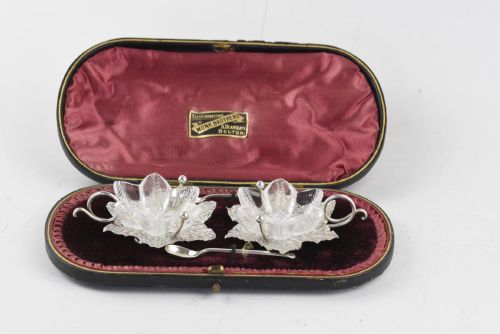
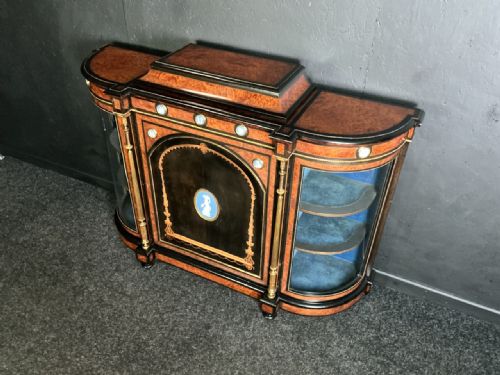
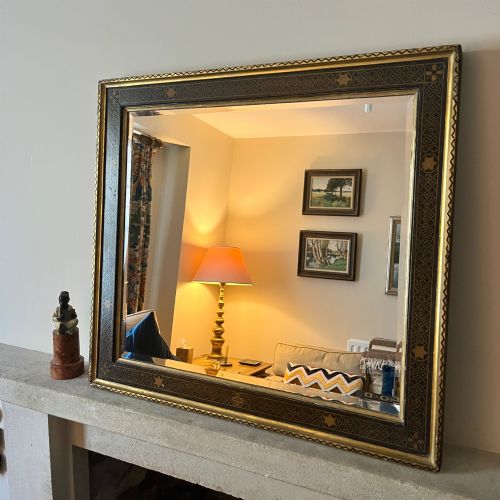
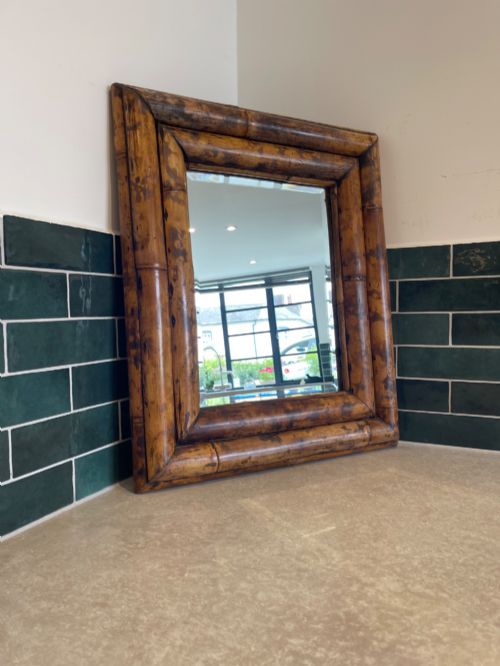
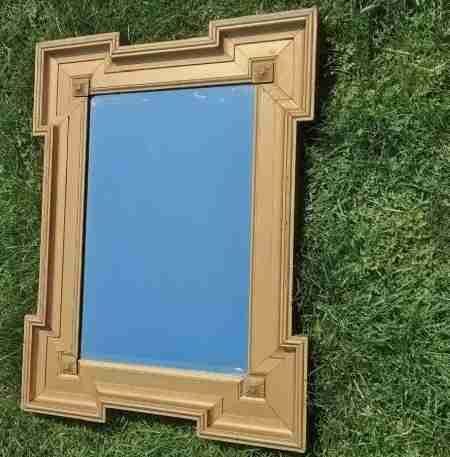
The objects appearing on this page include vases, claret jugs, scent bottles, and decorative baskets, alongside mirrors and cabinets incorporating glass elements. These pieces often intersect with related Victorian styles such as Arts and Crafts and Victorian Gothic.
Makers and designers of the period utilised glass alongside silver plate, brass, and ebonised wood to create unified decorative schemes. The typical survival from this era demonstrates a clear shift towards stylised natural forms and Japonisme influences.
Materials and Techniques
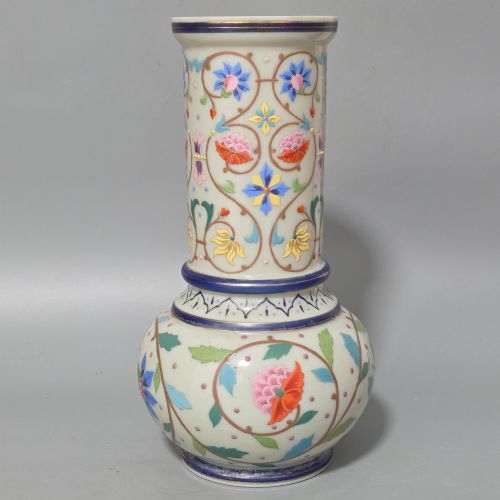
Makers combined glass with metal mounts in silver plate, brass, and silver, anchoring delicate vessels in sturdy frames. Etched and enamelled decoration frequently appears on the glass surface, depicting birds, branches, fish, and water plants.
Specialised glass techniques of the period produced opaque, opaline, Burmese, and Bristol green wares. Coloured glass was often hand-painted or gilt, requiring precise firing to fix the surface decoration.
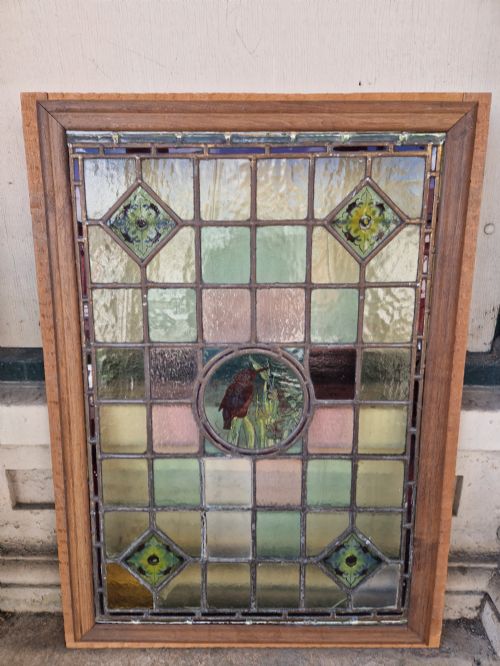
Cabinetry and firescreens incorporated mirror glass, stained glass panels, and cut crystal alongside ebonised wood, mahogany, and bamboo. These mixed-media constructions relied on quality joinery to support heavy glass panels and delicate metalwork.
Listings feature various glass forms, including vases, claret jugs, scent bottles, and decorative baskets alongside larger mirrors and cabinets.
Assessing Quality
The standard of manufacture depends heavily on the precision of the glass-cutting, the crispness of the etching, and the quality of the hand-painted details. Superior pieces display finely delineated motifs rather than heavy or blurred surface application.
The integration of secondary materials dictates the overall calibre of an object, particularly where silver-plated mounts or brass frames meet the glass. Maker attribution and registered design numbers elevate certain pieces, distinguishing standard commercial output from workshop creations.
Thomas Webb·Stuart for Liberty·Lambs of Manchester·Hukin and Heath·Harrach·Hewett and Company·George Howson
The Aesthetic Movement Glass Glossary
- Opaline glass
- An opaque or translucent pale glass that can be white or tinted in pastel shades. It served as a popular ground for hand-painted Victorian decoration.
- Claret jug
- A pouring vessel designed for wine, typically featuring a glass body fitted with a hinged metal lid and handle. These items often combined cut crystal with silver-plated mounts.
- Ebonised wood
- Timber treated with a dark stain or finish to imitate ebony. This dark surface provided high contrast against gilt details and coloured glass.
- Pier cabinet
- A low freestanding display piece designed to fit against a narrow section of wall between windows. These cabinets frequently incorporated glass doors to showcase decorative ceramics and glassware.
- Burmese ware
- A heat-sensitive art glass shading from pale yellow to a pink flush. Thomas Webb and Sons produced this notable variety during the late nineteenth century.
Aesthetic Movement Glass: Frequently Asked Questions
What is aesthetic movement glass?
Aesthetic movement glass comprises decorative vessels, tableware, and mirrors produced during the late nineteenth century that reflect design reform principles. These items often feature stylised natural motifs, Japonisme influences, or artistic pairings with metal mounts.
Such pieces range from enamelled vases and scent bottles to larger furnishings incorporating glass panels. They represent a distinct shift away from heavy high-Victorian ornamentation towards lighter, more artistic compositions.
How do I identify this period?
Dating these objects involves examining the stylistic traits, manufacturing techniques, and any associated maker marks or registered design numbers. The presence of ebonised wood, brass mounts, and specific glass colourations like opaline or Bristol green typically points to the late Victorian decades.
Comparing items to documented examples by makers such as Thomas Webb or Hukin and Heath helps confirm the timeframe. Construction methods, such as the bevel edges on mirrors and the depth of glass etching, provide further chronological clues.
How were these items used?
Many of these glass items served functional roles in Victorian households, from claret jugs used at the dining table to scent bottles kept on dressing tables. Vases and decorative baskets displayed flowers or simply added artistic colour to a room.
Larger domestic objects like firescreens and overmantel mirrors combined utility with visual display. They manipulated light within Victorian interiors while serving as focal points for a room's decorative scheme.
How do I care for these pieces?
Preserving these antiques requires gentle cleaning methods appropriate for mixed materials, keeping glass free of dust using a soft dry cloth. Avoid submerging metal-mounted glass or items with hand-painted enamel and gilding in water, as moisture can damage adhesives and delicate surface decorations.
Positioning pieces away from direct sunlight and dramatic temperature fluctuations protects fragile coloured glass and wooden frames. Careful handling of hinged mounts on jugs and scent bottles prevents unnecessary strain on historical joints.