


Adjustable Wooden Shelves
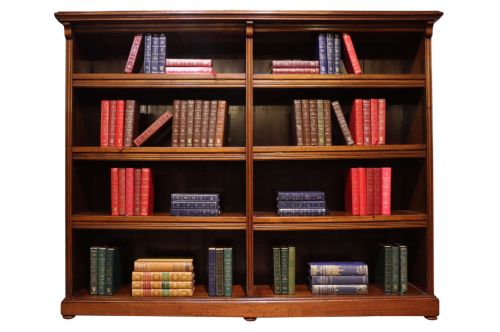
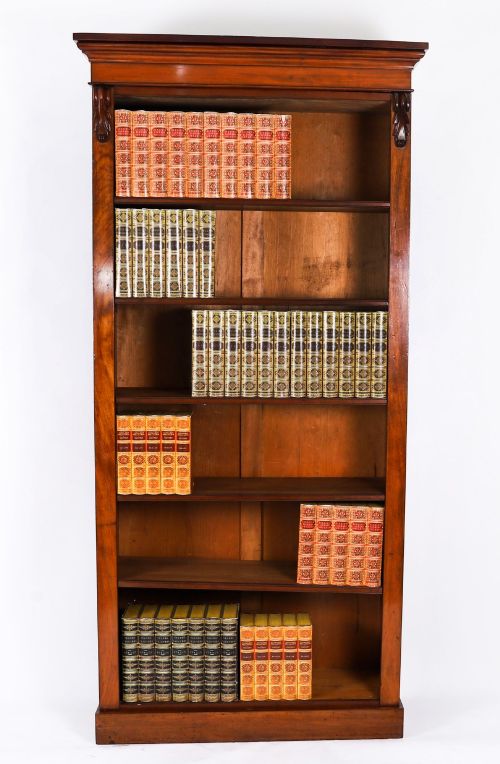
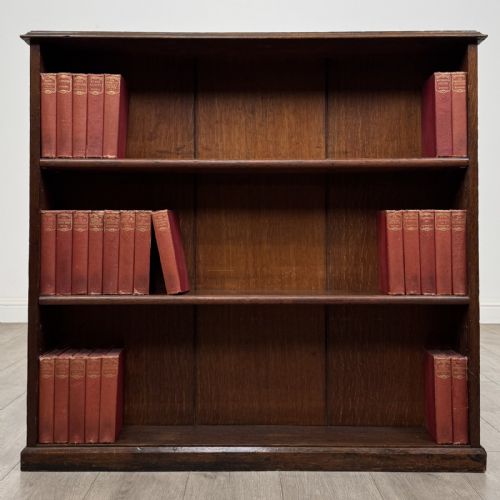
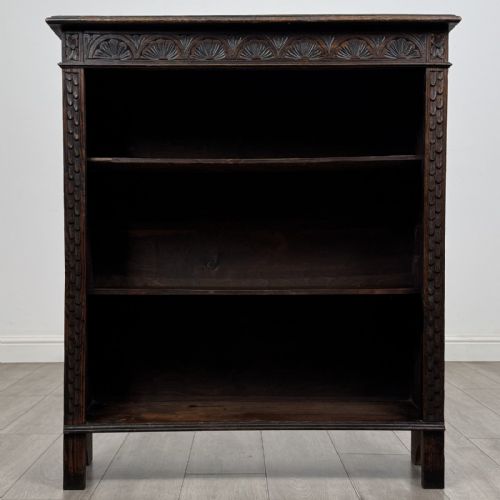
Adjustable wooden shelves bring versatile utility to storing libraries, built as bookcases, cabinets, and buffets across Victorian, Edwardian, and twentieth-century periods.
Adjustable Wooden Shelves
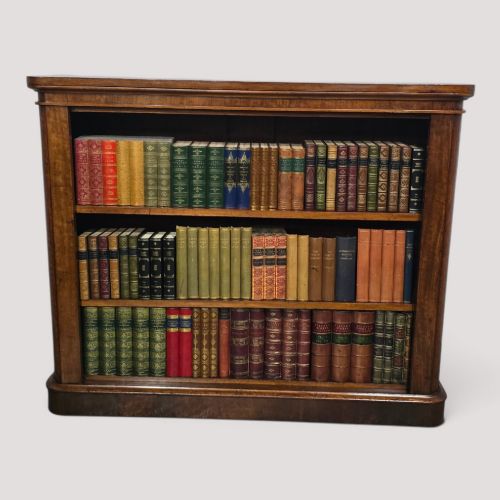
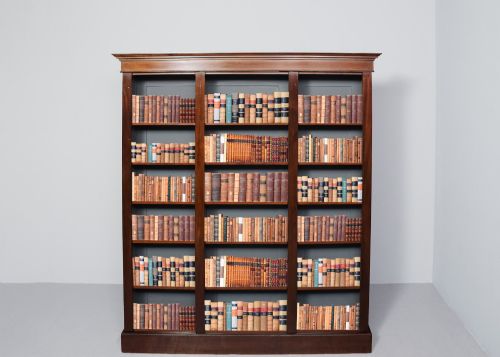
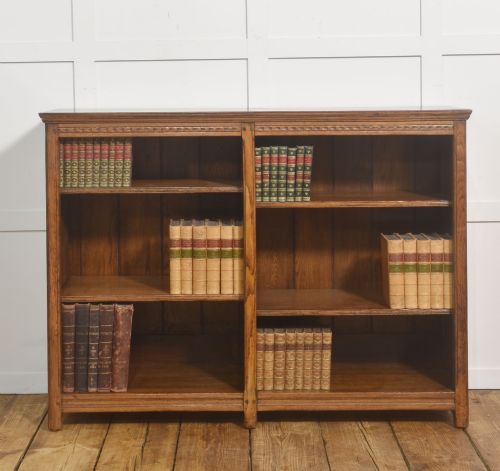
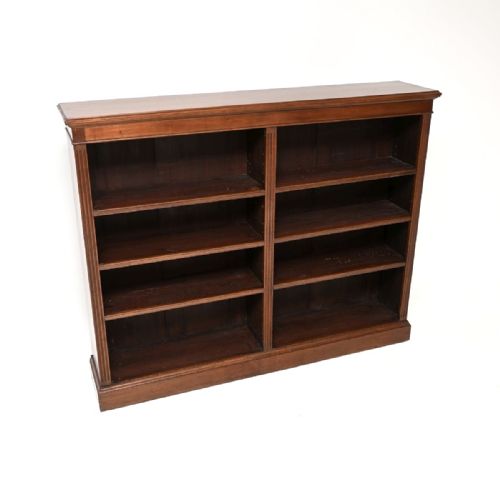
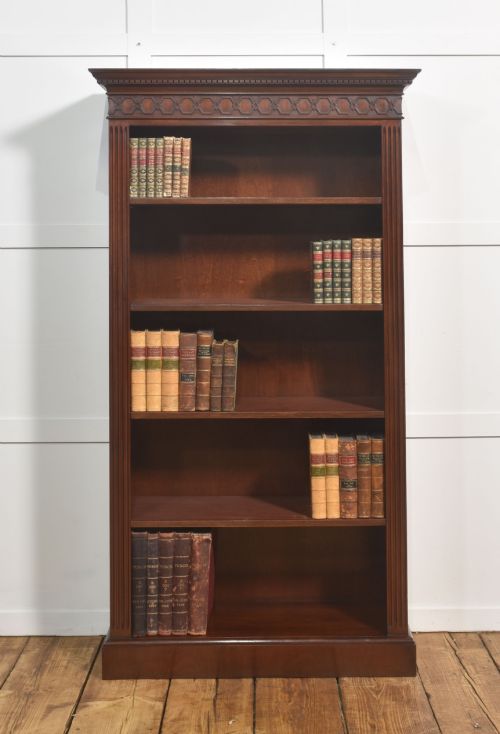
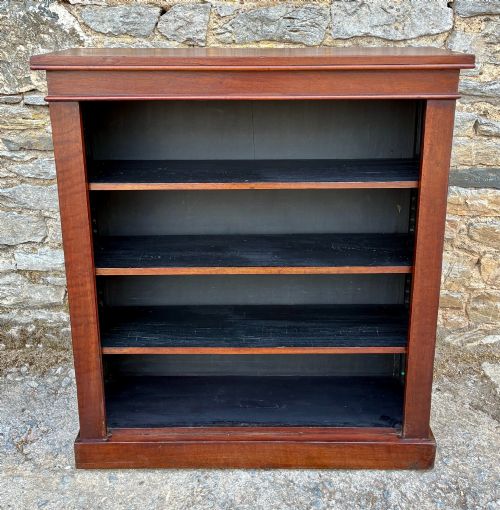
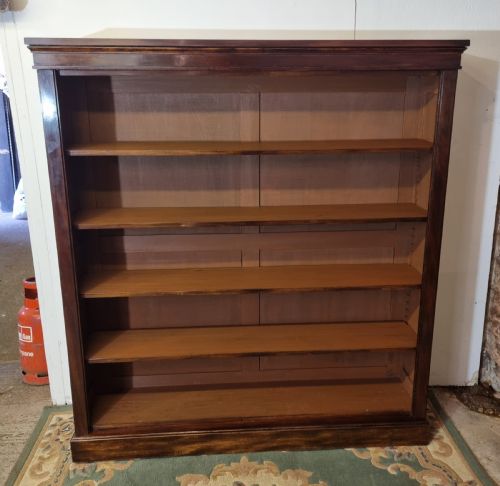
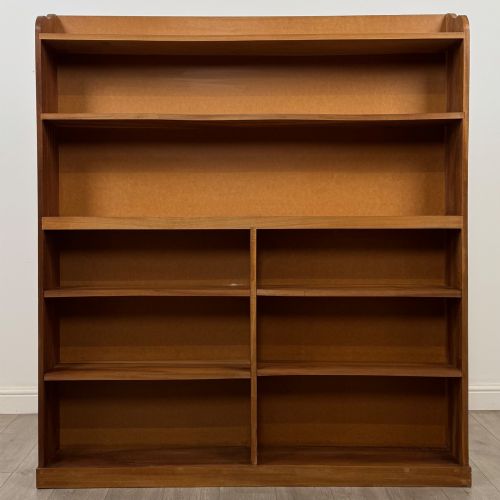
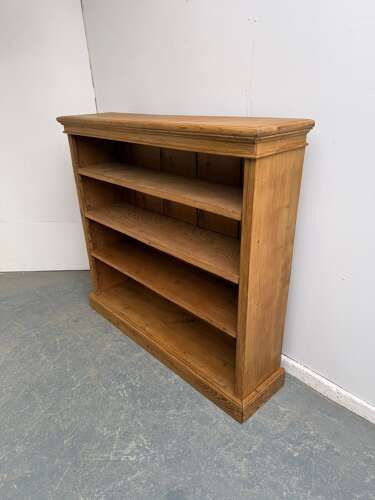
Adjustable wooden shelves most frequently appear on this page as open bookcases and library pieces originating from the Victorian and Edwardian eras. These storage items are designed to accommodate volumes of varying heights through movable interior shelving systems.
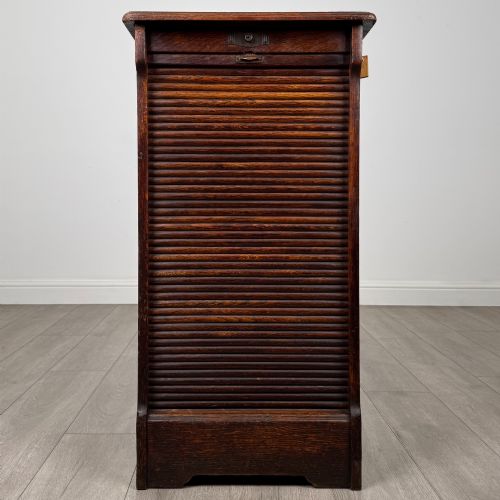
The inventory encompasses diverse forms beyond standard bookcases, including filing cabinets, display cabinets with glass shelves, buffets, and tambour cabinets. Pieces span the nineteenth century through the 1930s, reflecting domestic and commercial uses in mahogany, oak, walnut, pine, and burr walnut.
How they were made
Makers constructed these pieces predominantly using hardwoods and softwoods such as mahogany, oak, walnut, burr walnut, pine, and softwood. Structural support often integrated brass fittings and hardware alongside glass panels for display variants.
Joinery techniques supported modular shelving functionality, incorporating concertina mechanisms, inlaid details, carved elements, and tambour doors. Surfaces received finishes including wax, while woods were selected for solid construction or figured veneers.
Adjustable Wooden Shelves Retail Price Guide 2026
Typical asking prices for adjustable wooden shelves among the pieces listed under this phrase on Sellingantiques today, from the lower quarter to the upper quarter. They describe what is for sale here now, not the wider market.
Listings feature woods including mahogany, oak, walnut, burr walnut, pine, softwood, and brass fittings across Victorian and Edwardian periods.
What varies in quality
Quality distinctions rest on the selection of timber, ranging from standard pine and softwood to finely figured burr walnut and solid mahogany. The presence of sophisticated decorative treatments like Sheraton-style inlays, breakfront configurations, and fine carving elevates a piece.
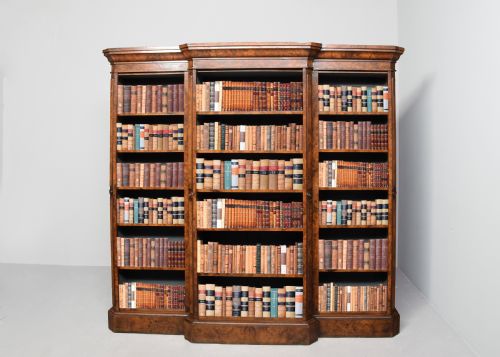
The execution of the adjustment mechanism dictates functional merit, with concertina actions and robust brass supports representing superior craftsmanship compared to basic pine systems. Sectional scale also matters, distinguishing modest single-bay units from large three-section breakfront library bookcases.
The Adjustable Wooden Shelves Glossary
- Breakfront
- A large cabinet design where the central section projects forward from the flanking wings. This configuration adds architectural depth to large library bookcases.
- Concertina action
- An expanding mechanical linkage system used to adjust shelf heights or doors smoothly. It represents a clever piece of hardware engineering in period furniture.
- Tambour
- A flexible shutter door formed of narrow vertical strips of wood glued to canvas backing. This mechanism slides sideways around a curve to enclose cabinet storage.
- Burr walnut
- Timber taken from a tree growth featuring intricate, swirling grain patterns. It was sliced into veneer to ornament high-status Victorian casework.
- Sheraton-style
- Furniture design rooted in the late eighteenth-century neoclassical aesthetic characterised by straight lines and subtle inlay work. Pieces on this page adopt these refined proportions.
Adjustable Wooden Shelves: Frequently Asked Questions
How do adjustable shelves work?
Period shelving systems typically rely on wooden side notches, metal tracks, or concertina mechanisms to allow shelves to move up and down.
These methods let owners alter interior heights to fit volumes of different sizes.
What woods were used?
Cabinetmakers worked with solid hardwoods and softwoods including mahogany, oak, walnut, burr walnut, pine, and softwood.
Finishes ranged from natural wax on pine to highly polished figured veneers on grand library pieces.
Are these pieces Victorian?
Many examples date from the Victorian and Edwardian periods, spanning the nineteenth and early twentieth centuries.
Additional items reach into the 1930s with twentieth-century traditional styles.
How are different cabinet types used?
Open bookcases serve standard book storage, while display cabinets with glass shelves or tambour units offer enclosed protection.
Larger breakfront library bookcases suit substantial room settings.