



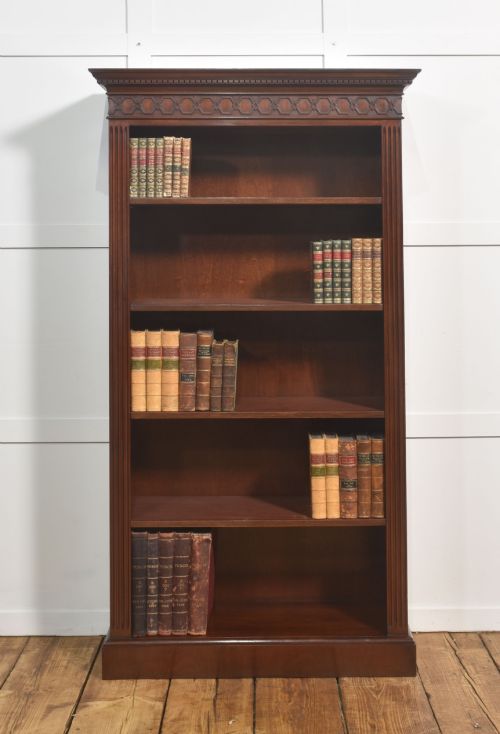
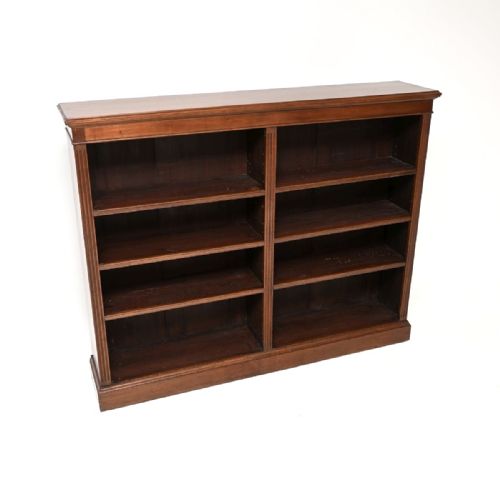
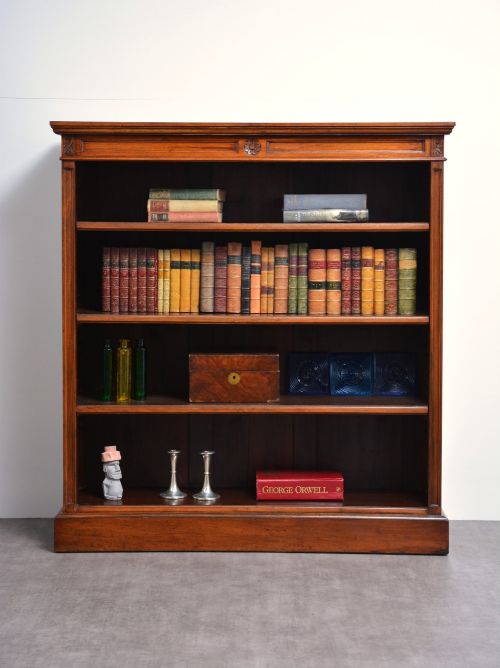
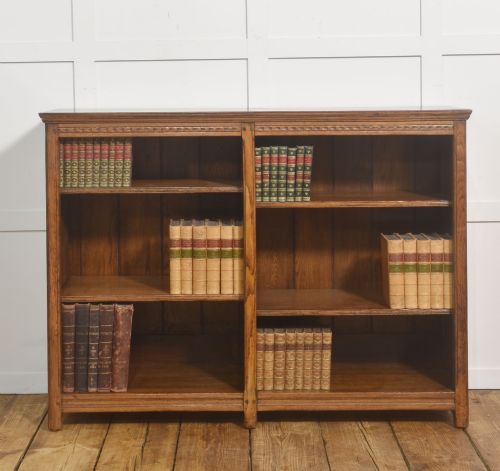
Adjustable Wooden Bookshelves
Adjustable wooden bookshelves give rooms both order and warmth, offering flexible shelf heights to house varied libraries.
Adjustable Wooden Bookshelves
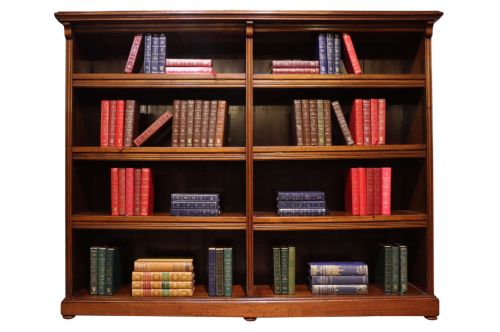
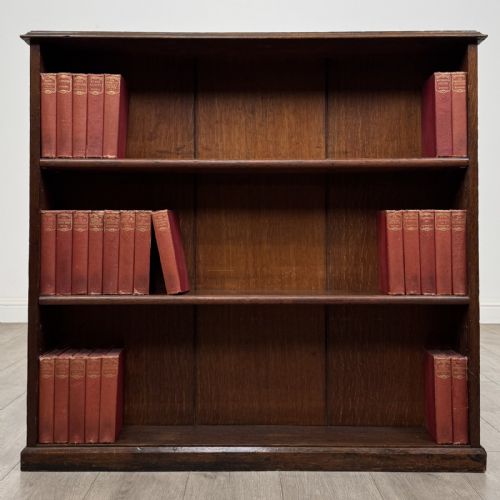
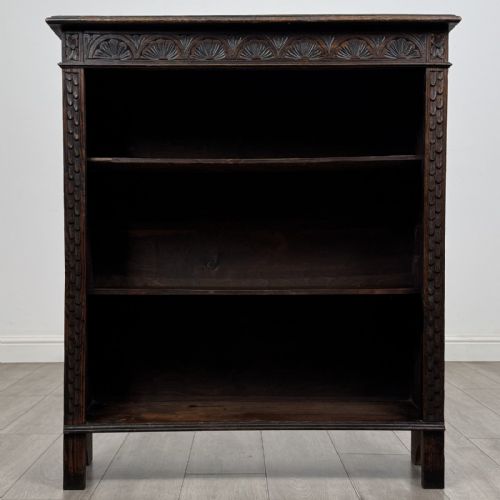
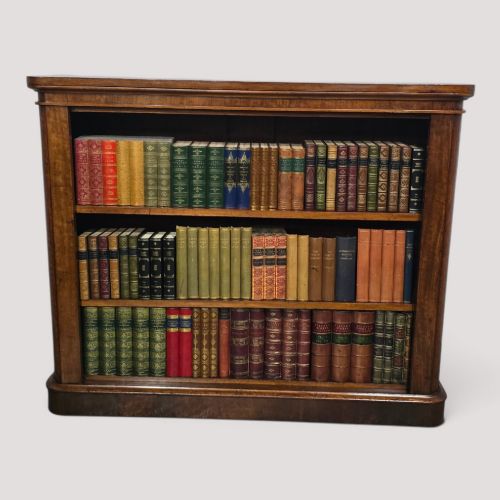
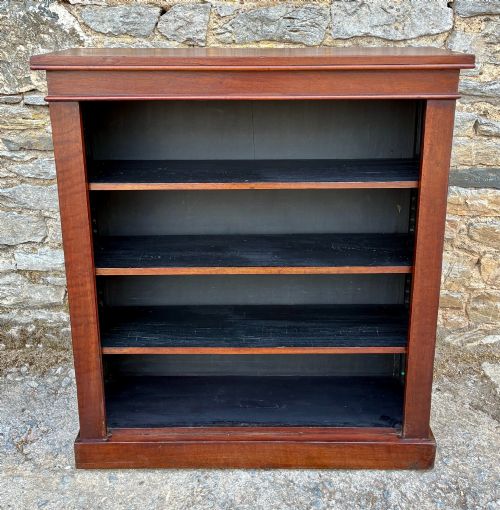
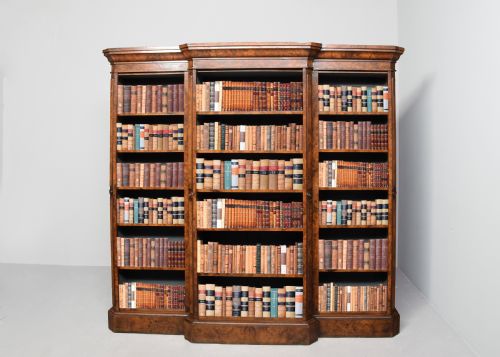
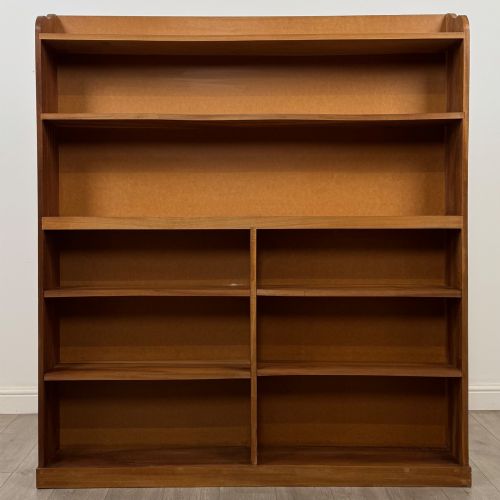
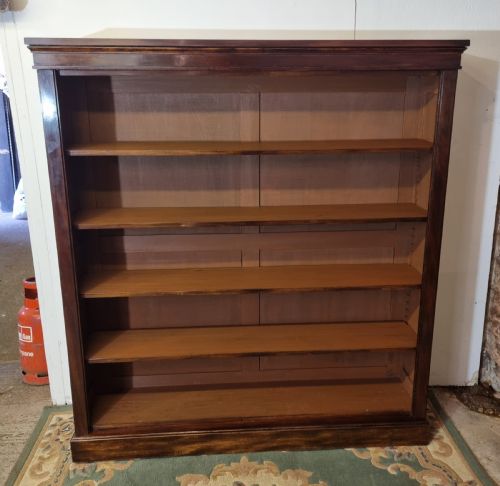
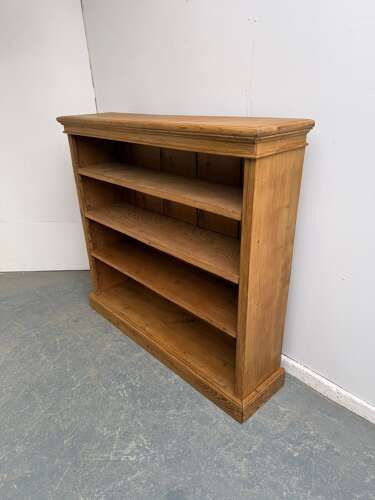
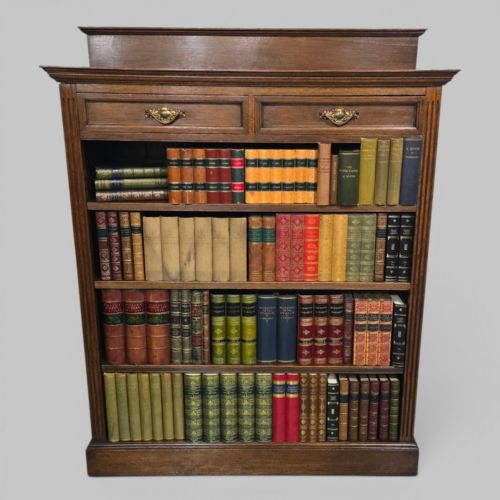
Adjustable wooden bookshelves combine practical shelving with timber construction, appearing primarily across Victorian, Edwardian, and early twentieth-century periods. These pieces range from small pine items and oak extending book slides to large breakfront library bookcases designed for extensive collections.
Assessing quality
Quality rests primarily in the choice of timber and the precision of the shelf-adjustment mechanism. Superior examples utilise dense mahogany, figured walnut, or heavy quarter-sawn oak rather than plain pine.
Construction depth dictates overall merit, distinguishing grand breakfront library bookcases from modest domestic shelving units. Refined proportions and careful attention to timber grain elevate particular pieces above standard workshop production.
Adjustable Wooden Bookshelves Retail Price Guide 2026
Typical asking prices for adjustable wooden bookshelves among the pieces listed under this phrase on Sellingantiques today, from the lower quarter to the upper quarter. They describe what is for sale here now, not the wider market.
Current listings span from the Victorian and Edwardian eras through to the 1930s, utilising mahogany, oak, walnut, pine, and brass.
The Adjustable Wooden Bookshelves Glossary
- Breakfront
- A piece of furniture whose central section projects forward from the flanking sections. This configuration provides architectural presence in larger library bookcases.
- Burr walnut
- Timber taken from a walnut tree growth featuring swirling, irregular grain patterns. It creates highly decorative veneered surfaces on select Victorian cabinets.
- Extending book slide
- A small desktop or tabletop rack featuring sliding ends to hold a few volumes. These compact pieces expand or contract to suit the number of books placed between them.
- Open bookcase
- A bookcase without glazed or wooden doors protecting the contents. This design allows immediate access to the volumes stored inside.
Adjustable Wooden Bookshelves: Frequently Asked Questions
How do adjustable shelf mechanisms work?
Most period bookcases use wooden tooth ratchets, metal shelf studs, or brass tracks inset into the interior sides. These systems allow users to raise or lower individual shelves.
Moving the shelves requires lifting the board slightly to clear the supporting pins or ratchets and shifting them into adjacent slots.
Are these bookcases suitable for heavy books?
Solid mahogany, oak, and walnut models easily support dense rows of hardback volumes. Their robust timber frames resist sagging under normal library loads.
Lighter pine versions suit paperbacks or fewer volumes, requiring careful distribution of weight across the spans.
How do I date a wooden bookcase?
Dating relies on timber choice, construction style, and hardware design. Victorian pieces often display rich mahogany or carved oak, whilst Edwardian examples favour lighter walnut.
Secondary woods at the back and interior fixings also help determine whether a piece originates from the mid-nineteenth century or the early twentieth century.
Where should I place an open bookcase?
Open bookcases thrive in studies, living rooms, and libraries where direct access to books is valued. Keeping them away from direct sunlight protects the timber and book bindings from fading.
Allowing adequate clearance around the upright frame ensures the piece sits flush against interior walls.