

Adjustable Wood Shelving
Adjustable wood shelving offers adaptable storage, bringing period character and functional utility to any room.
Adjustable Wood Shelving
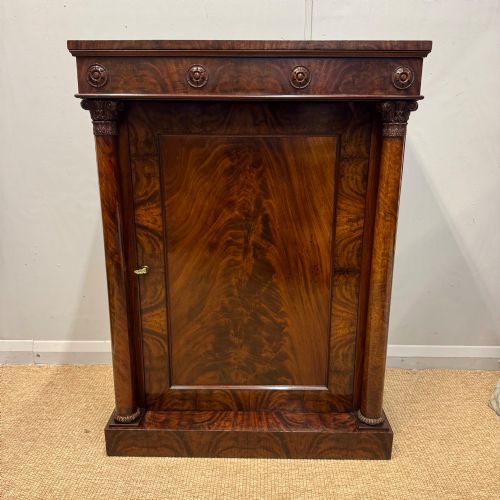
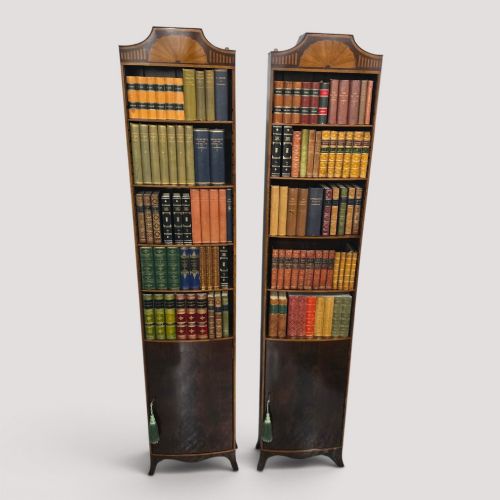
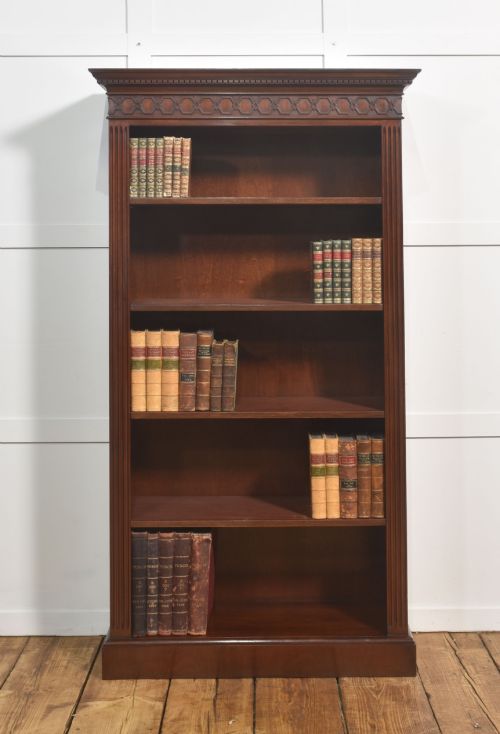
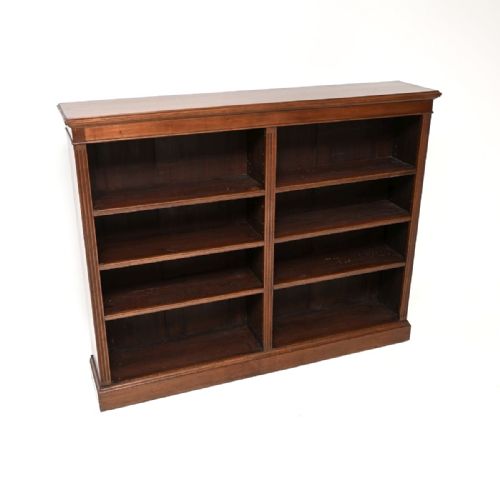
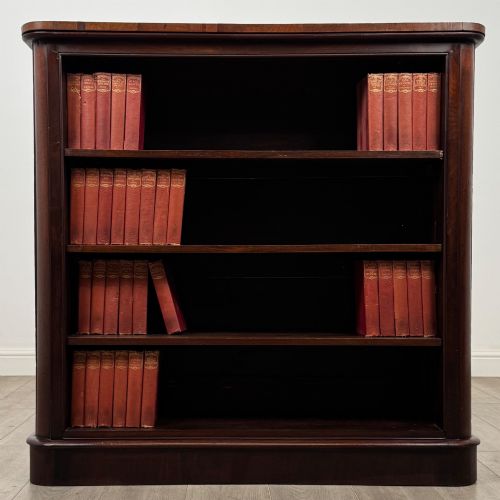
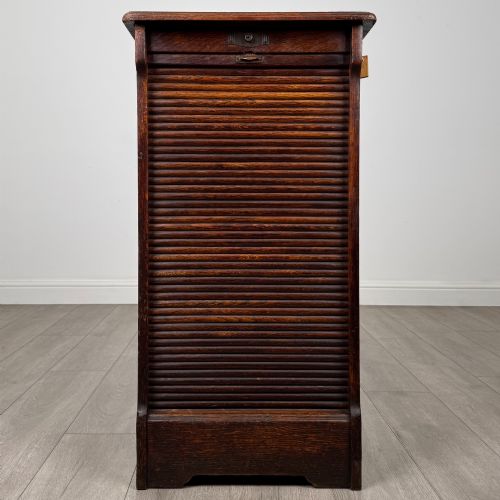
Adjustable wood shelving appears primarily in the form of open bookcases, pier cabinets, tambour cupboards, and breakfront library bookcases. These pieces originate from various historical periods, notably the Victorian, Edwardian, and Regency eras, as well as the nineteenth and early twentieth centuries.
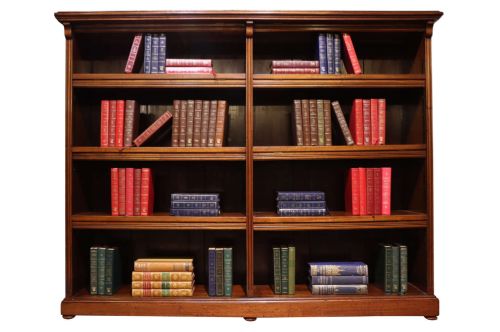
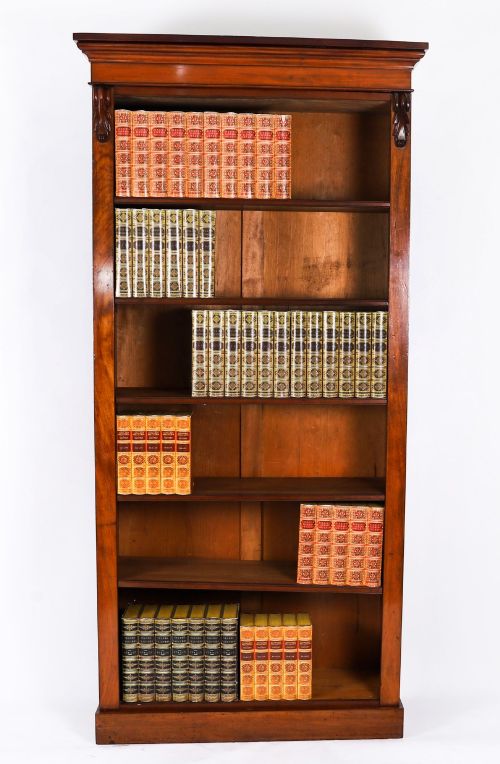
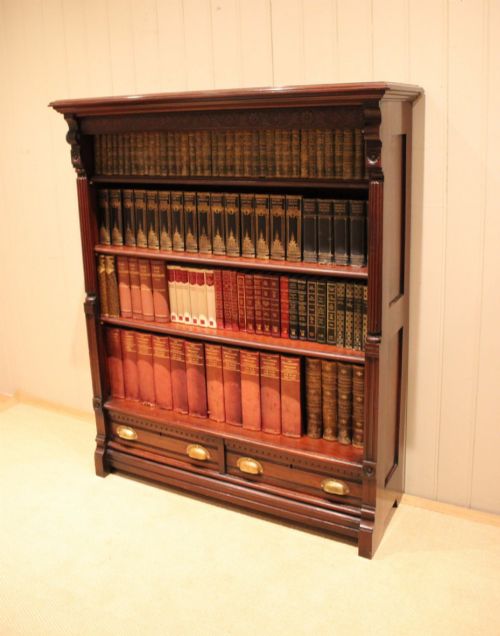
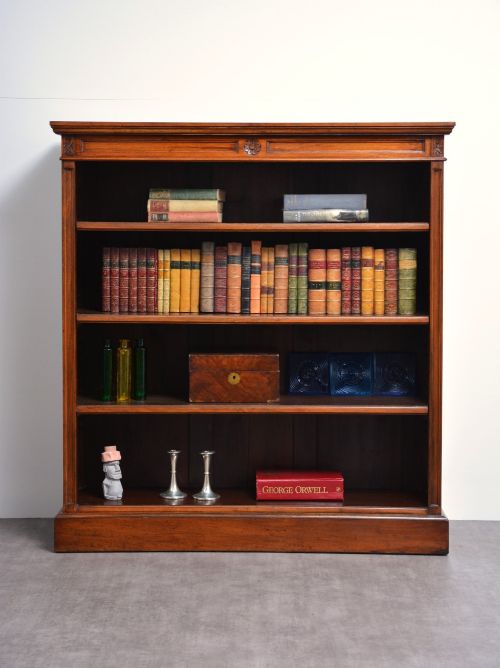
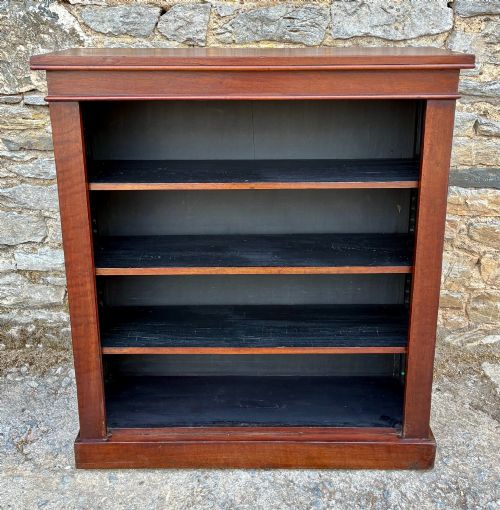
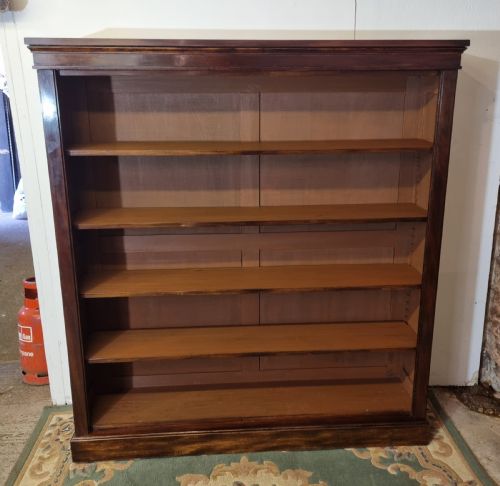
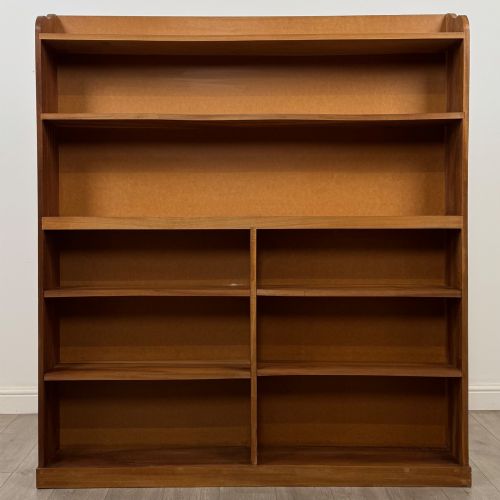
The version most commonly met on this page is the open bookcase constructed from timbers such as mahogany, oak, walnut, and pine. These items combine practical storage with traditional cabinetry, allowing shelf heights to adapt to books and objects of differing sizes.
Makers such as Waring and Gillows contribute to the selection alongside unassigned regional cabinetmakers. Pieces range from small dwarf bookcases to large breakfront library items designed for domestic and institutional interiors.
How adjustable wood shelving was made
Construction relies on solid hardwoods and softwoods, frequently enhanced with veneers including flame mahogany, rosewood, and satinwood inlay. Cabinets utilise brass fittings for shelf supports and hinges, while selected items incorporate patinated marble tops.
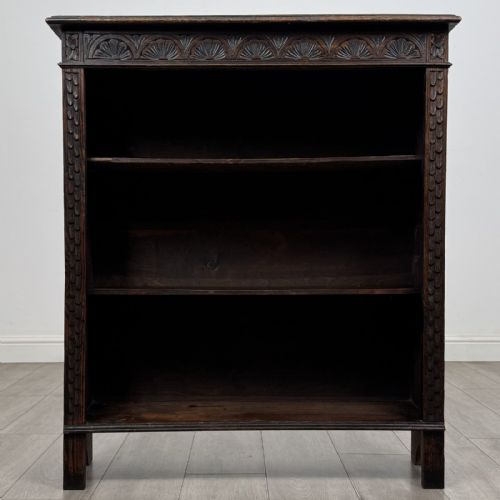
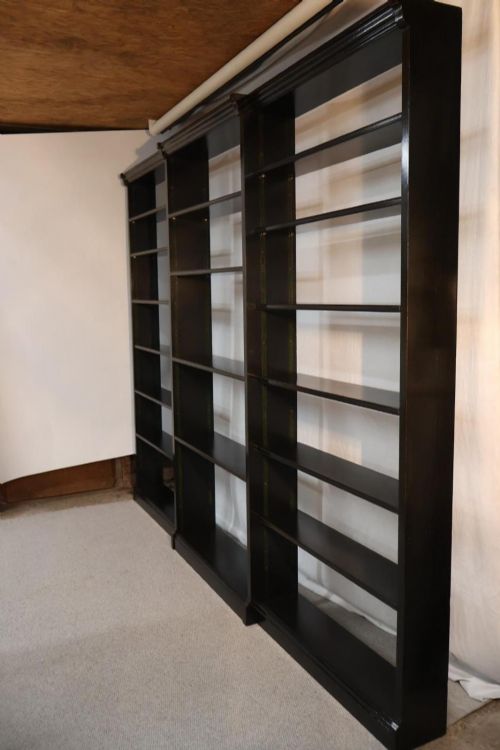
Woodworking techniques span traditional dovetailing, carved detailing such as green man motifs, and ebonising treatments applied to oak or fruitwoods. Open shelves rest on adjustable mechanisms integrated into the interior uprights of bookcases and cupboards.
Adjustable Wood Shelving Retail Price Guide 2026
Typical asking prices for adjustable wood shelving among the pieces listed under this phrase on Sellingantiques today, from the lower quarter to the upper quarter. They describe what is for sale here now, not the wider market.
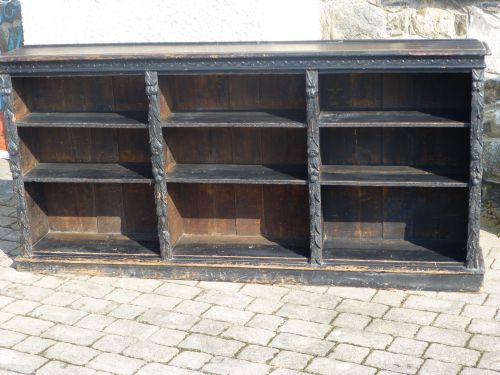
Selected nineteenth-century bookcases conceal carved green man motifs within their dark ebonised woodwork, watching over the library.
What varies in quality
Quality depends upon timber selection and the precision of the adjustable shelving mechanism. Dense, figured hardwoods like flame mahogany and walnut sit at the upper end, whereas pine and softwood represent simpler utility furniture.
The sophistication of exterior ornamentation distinguishes standard storage from finer cabinet work. Carved mouldings, satinwood stringing, breakfront proportions, and maker attribution separate everyday pieces from substantial library furniture.
waring and gillows
The Adjustable Wood Shelving Glossary
- Breakfront
- A cabinet or bookcase where the central section projects forward from the flanking wings. This architectural arrangement creates depth and visual interest in large library pieces.
- Pier cabinet
- A low cabinet designed to fit against the wall space between windows. These pieces often feature glass or open shelves for display.
- Ebonised
- Timber treated with a dark stain or finish to imitate ebony. This process became popular for decorative effect on nineteenth-century furniture.
- Flame mahogany
- Mahogany timber exhibiting a distinct, flamelike grain pattern. Cabinetmakers reserved this veneer for the most prominent surfaces of high-status furniture.
Adjustable Wood Shelving: Frequently Asked Questions
How do adjustable shelves work on antique bookcases?
Antique wooden bookcases typically employ vertical wooden ratchets, rows of peg holes, or metal studs to support movable shelves. These systems allow users to alter shelf heights according to the volumes stored.
Simpler nineteenth-century pieces use fixed notches, while finer library bookcases incorporate adjustable brass tracks and brackets.
What woods were used for adjustable shelving units?
Makers utilised a range of timbers depending on the period and status of the piece. Mahogany, oak, and walnut predominate, often finished with veneer or inlay.
Softwoods and pine appear in more utilitarian pieces, sometimes concealed beneath paint, ebonising, or finer wood veneers such as rosewood.
Are these bookcases suitable for modern books?
Adjustable wooden shelving accommodates modern books because the shelf heights can be repositioned. Open bookcases provide immediate access for daily reading.
Depth varies across the selection, so larger art volumes require careful measurement against specific cabinet dimensions.
How can I date an antique wooden bookcase?
Dating relies on timber choice, construction methods, and stylistic details associated with periods like the Regency, Victorian, and Edwardian eras. Mahogany and rosewood veneers often point to the nineteenth century, while lighter oak forms align with Edwardian production.
Hardware, backboards, and secondary timbers inside the cabinet offer further clues to the exact decade of manufacture.