





Adjustable Painting Stand
An adjustable painting stand is a practical piece of studio furniture designed to hold canvases securely at working height.
Adjustable Painting Stand
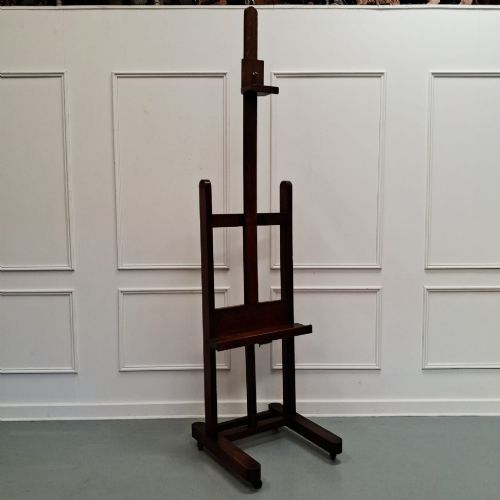
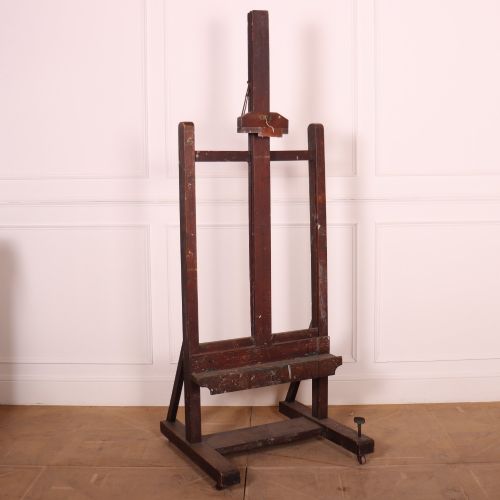
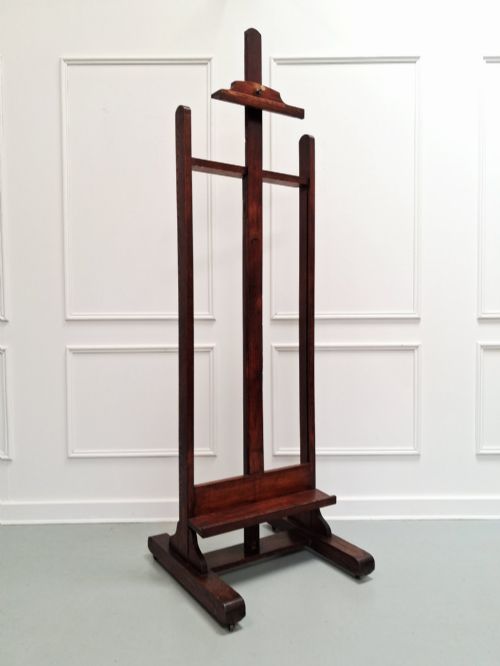
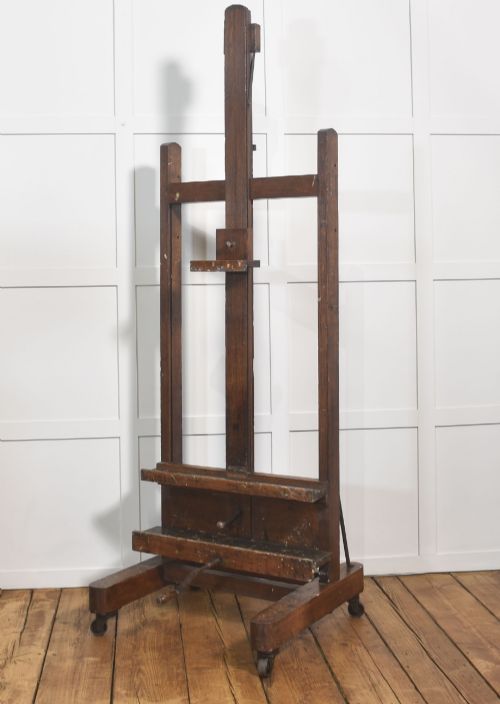
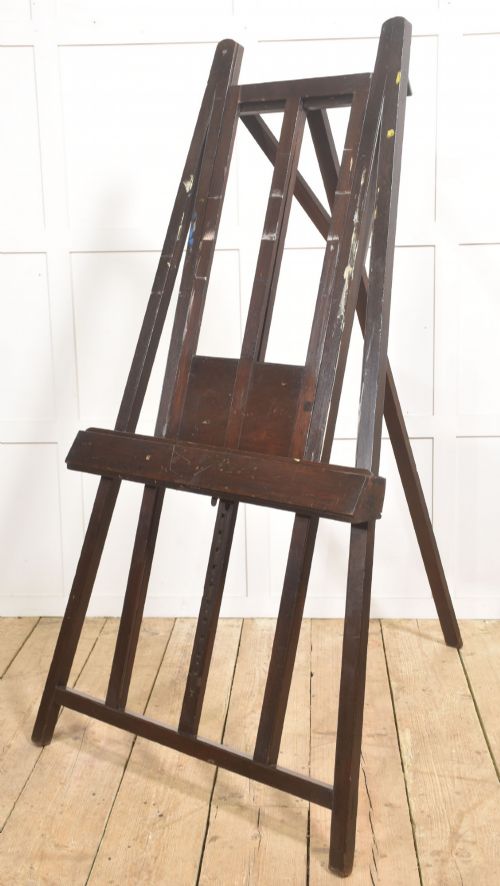
An adjustable painting stand provides the working artist with a sturdy mechanism to alter the height and angle of a canvas during creation. When searching for an adjustable painting stand, a buyer encounters substantial studio equipment built for regular use in a workspace.
The pieces appearing on this page span several distinct eras, notably the nineteenth century and the early twentieth century, alongside earlier Regency designs. These objects take the form of large artist studio easels, tabletop variations, and related display furniture.
Originating largely from English and French workshops, these items utilise robust timbers and mechanical adjustments to serve the painter's practical needs. A buyer is most likely to find oak and mahogany studio easels designed for daily artistic work.
How they were made
Makers constructed these stands using durable hardwoods such as oak, mahogany, and pitch pine to withstand the heavy weight of large canvases and repeated mechanical adjustments. Metal and cast iron components frequently provide the necessary gearing and mechanisms for height and angle regulation.
Joinery techniques reflect traditional cabinet-making standards, ensuring that upright frames remain rigid while sliding brackets move smoothly along vertical tracks. Wood surfaces often receive simple polishes or wax finishes rather than heavy decoration, keeping the focus on utility.
Adjustable Painting Stand Retail Price Guide 2026
Typical asking prices for adjustable painting stand among the pieces listed under this phrase on Sellingantiques today, from the lower quarter to the upper quarter. They describe what is for sale here now, not the wider market.
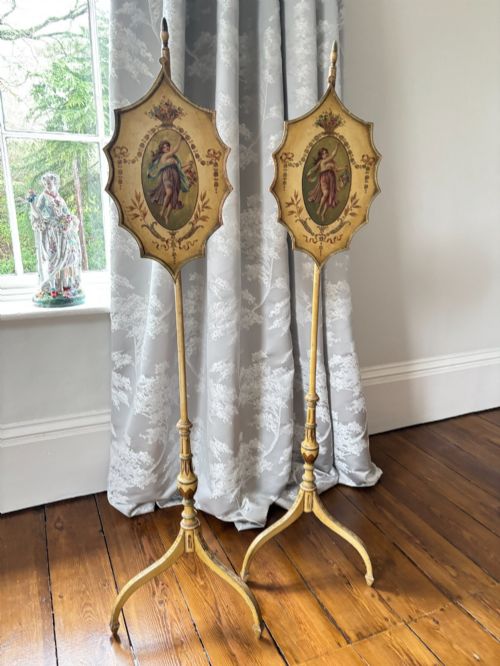
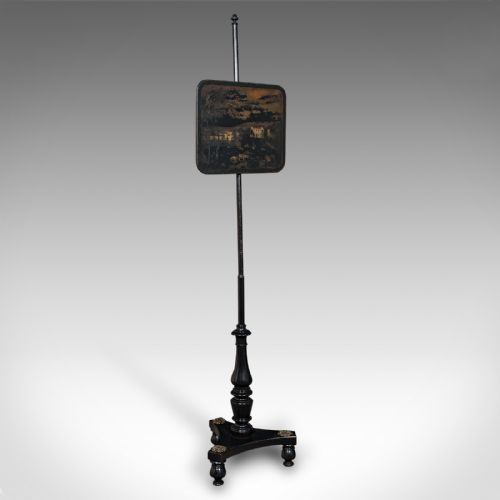
A few unexpected nineteenth-century pole screens and shaving stands occasionally share space with the easels.
What varies in quality
The sophistication of the mechanical adjustment mechanism distinguishes a standard utility stand from a more ambitious studio piece. Smooth operation of the winding gear, brass ratchets, or peg-and-hole supports indicates the care taken during manufacture.
The selection of timber grain and the solidity of the base construction also mark the difference between basic workshop furniture and finer examples. Heavier section timbers and well-balanced footings provide superior stability when holding a heavy canvas at full extension.
The Adjustable Painting Stand Glossary
- Easel
- A freestanding upright support used for holding an artist's canvas or panel in place while the painter works. These stands often incorporate adjustable ledges and tilting frames.
- Studio easel
- A large, heavy-duty floor-standing frame designed for professional artists working on sizable canvases. They frequently include wheeled bases or complex winch systems for height adjustment.
- Tabletop easel
- A smaller version of the painting stand designed to sit on a desk or table for miniature or portable work. These compact pieces offer similar tilting functions on a reduced scale.
- Pitch pine
- A resinous softwood utilised in nineteenth-century furniture making for its strength and distinct grain pattern. It provides a durable alternative to denser hardwoods.
- Aesthetic Movement
- A late nineteenth-century design style focusing on visual and material qualities rather than narrative content. Pieces from this period emphasise simple lines and honest construction.
Adjustable Painting Stand: Frequently Asked Questions
Can I use these stands for modern painting?
These antique stands are built from solid hardwoods and designed to hold physical weight, making them entirely suitable for contemporary canvases and framed artwork. Their mechanical adjustments offer the exact same utility for modern studios as they did in the nineteenth century.
Placing a protective sheet on the base shelf helps catch any modern paint drips and preserves the historic timber finish. The robust construction handles standard studio workloads without difficulty.
How do I date an antique easel?
Dating relies on examining the timber species, the style of the metal fittings, and the type of mechanical joints employed in the construction. Nineteenth-century examples often feature hand-cut screw threads, cast iron ratchets, and distinct patination on the wood.
Comparing the hardware to documented examples from the same period helps narrow down the decade of manufacture. Makers rarely signed utility studio furniture, so construction methods serve as the primary indicator of age.
Are tabletop versions stable enough for daily work?
Tabletop stands from the nineteenth and early twentieth centuries are constructed from solid oak or pine with proper bracing to support working pressure. Their smaller footprint makes them ideal for restricted studio spaces while retaining adjustable angles.
Checking the tightness of the pivot screws ensures the painting surface stays fixed while applying brushstrokes. These compact pieces offer genuine utility alongside decorative charm.