


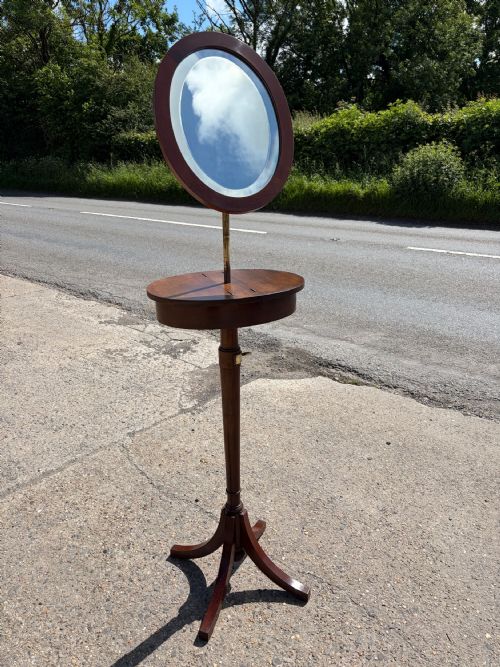
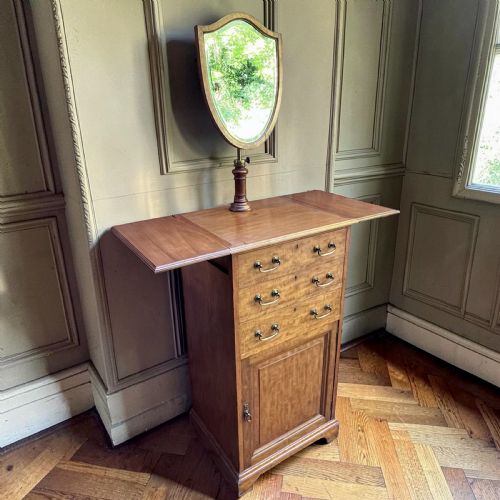

Adjustable Mirror
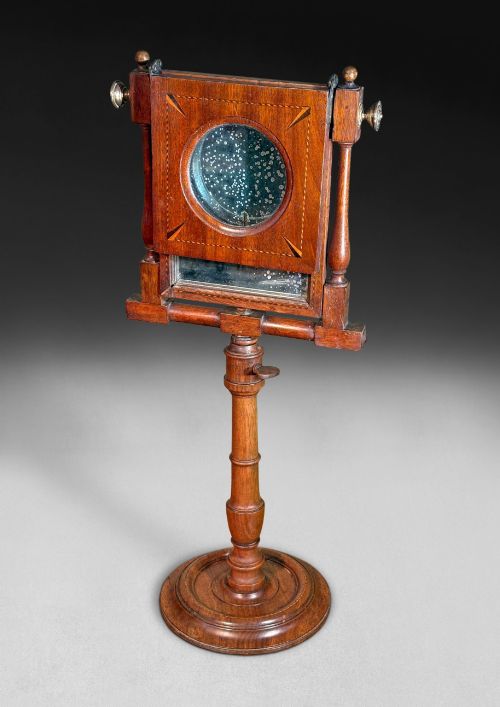
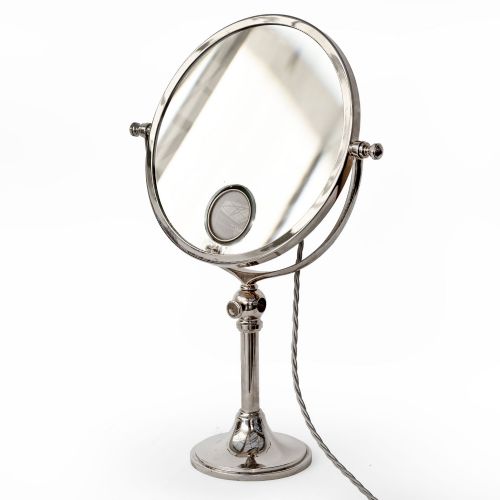
These adjustable mirror pieces offer pivoting glass and telescopic stands designed to catch the light precisely where needed.
Adjustable Mirror
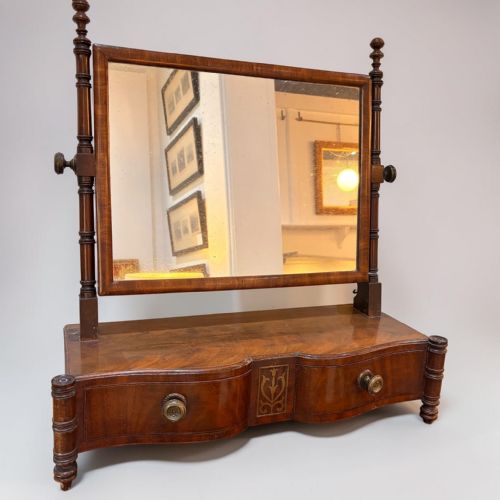
When searching for an adjustable mirror, a buyer encounters a diverse group of objects designed for grooming and dressing, spanning from the Regency period through to the 1930s. The selection on this page relies heavily on Victorian and Edwardian examples, alongside pieces from the Regency era, the 1930s, and 1880.
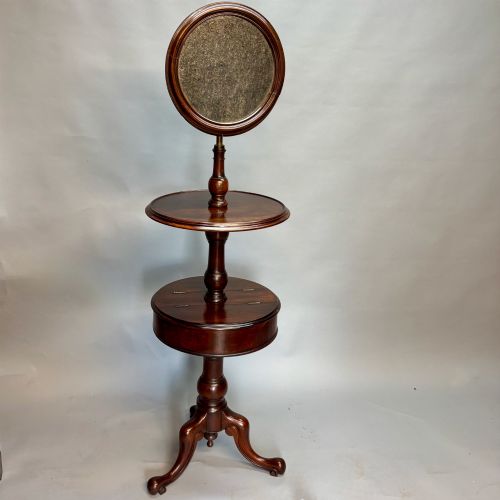
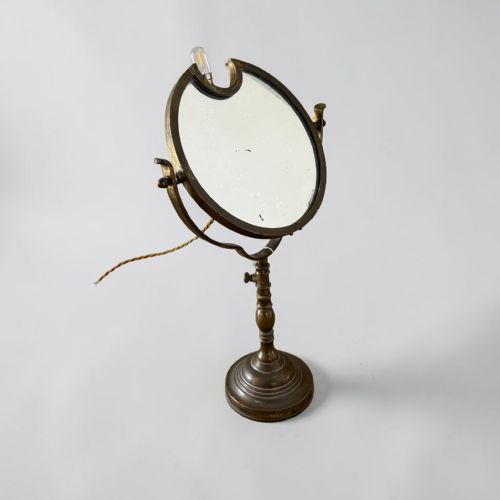
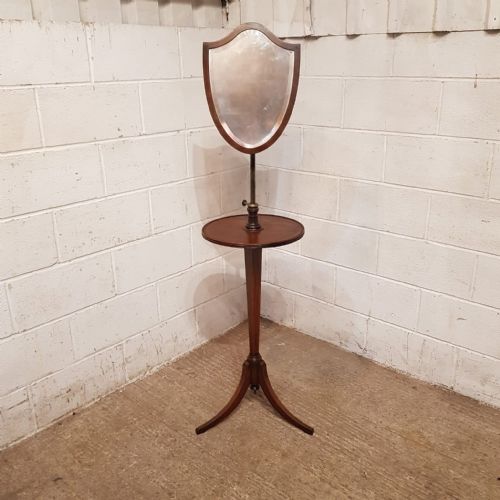
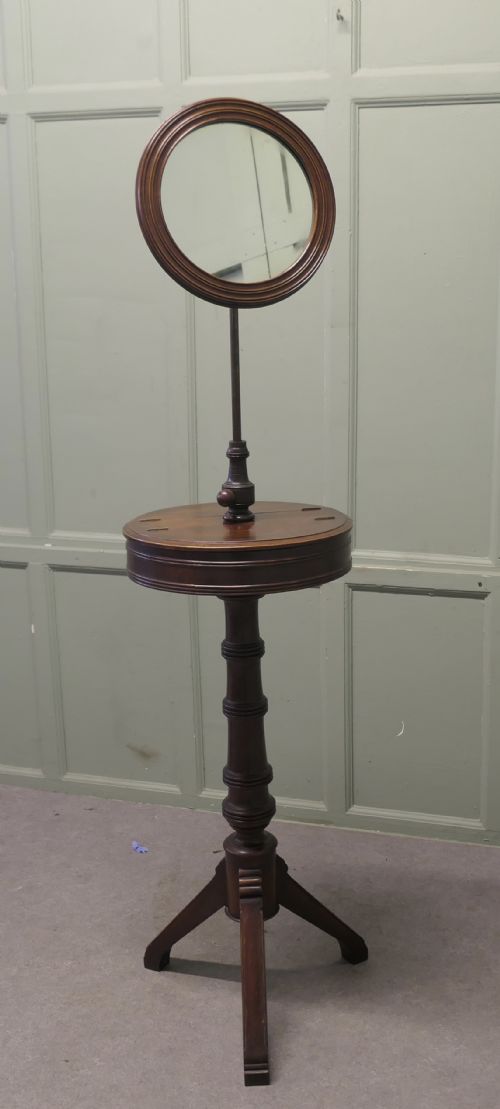
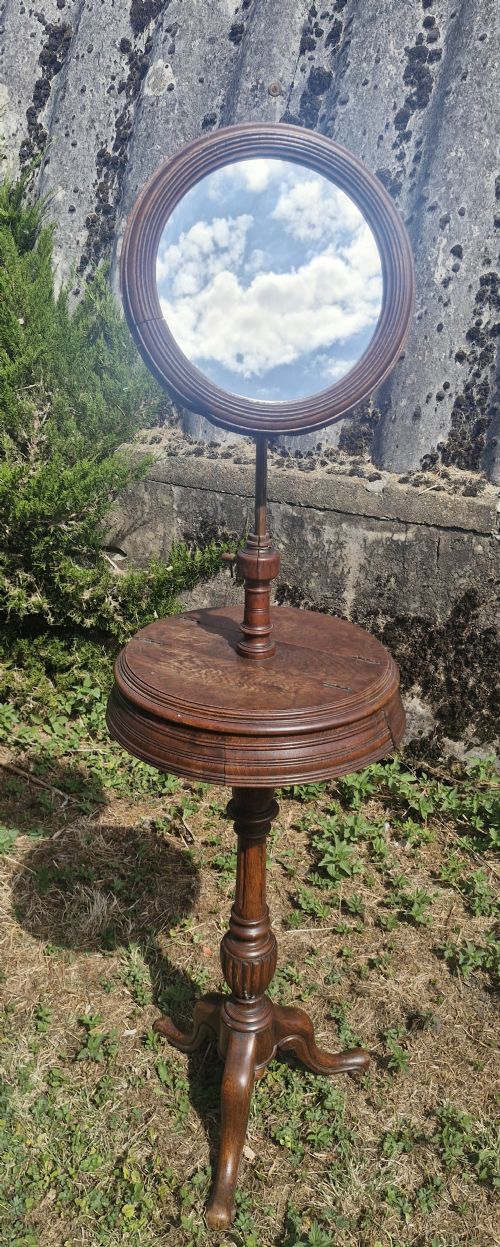
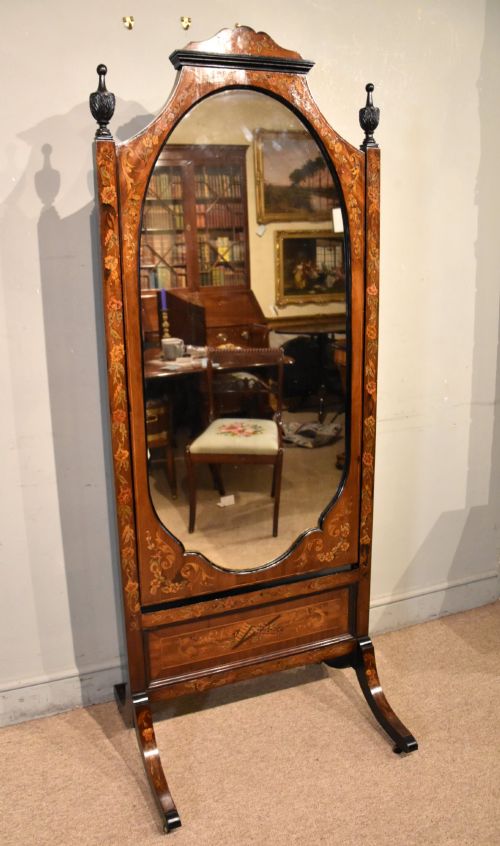
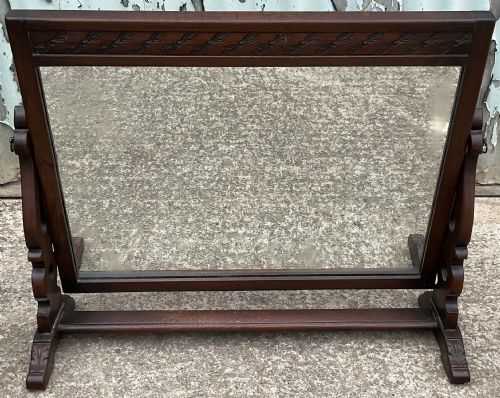
The primary forms appearing in these listings include shaving stands, dressing table mirrors, dressing mirrors, cheval mirrors, table mirrors, standing mirrors, shaving mirrors, and wall mirrors. Many incorporate telescopic mechanisms, tilt functions, or tripod bases to alter the height and angle of the glass.
Makers and workshops utilised various configurations, ranging from compact table models to large floor-standing cheval mirrors and complex shaving stands equipped with copper and brass fittings. Buyers will also find specialised items such as boot maker's mirrors and triple wall-mounted vanity glass.
Materials and construction
Makers constructed these pieces using timber frames such as mahogany, walnut, oak, ash, and burr maple, frequently combining them with glass mirror plates. Inlaid details, turned columns, and painted finishes appear across multiple examples from the nineteenth and early twentieth centuries.
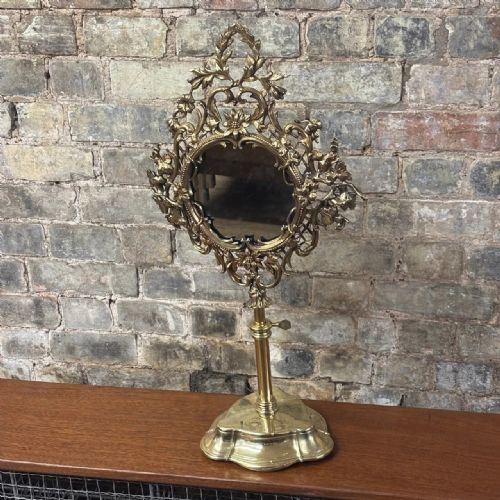
Metal components form an integral part of the construction, utilising brass, chrome, copper, and bronze for telescopic shafts, pivots, brackets, and decorative fittings. Fabric cord and specialised hardware also support the adjustable mechanics found on specific stands and mirrors.
Adjustable Mirror Retail Price Guide 2026
Typical asking prices for adjustable mirror among the pieces listed under this phrase on Sellingantiques today, from the lower quarter to the upper quarter. They describe what is for sale here now, not the wider market.
An unusual boot maker's mirror appears among the collection alongside standard domestic dressing and shaving glasses.
Judging the work
The standard of execution depends heavily on the precision of the mechanical joints and the stability of the support structures, whether on a tripod base or a heavy table footing. Fine examples demonstrate smooth telescopic action and secure tilt mechanisms that hold the mirror glass firmly at the desired angle without slipping.
Material selection and cabinetwork distinguish the upper tier of pieces, seen in well-figured mahogany or walnut veneers, crisp brass or bronze mountings, and stamped maker details on drawers. Inferior examples rely on simpler joinery and looser hardware that fails to maintain position over repeated adjustments.
J. Shoolbred
The Adjustable Mirror Glossary
- Cheval mirror
- A full-length swing mirror suspended in a frame that allows it to tilt. These standing glasses are typically supported by four legs or a heavy floor trestle.
- Telescopic
- A mechanism permitting vertical adjustment through nested sliding tubes. This feature allows shaving stands and table mirrors to extend upward.
- Toilet mirror
- A smaller mirror designed to sit atop a dressing table or chest of drawers. They frequently feature swing frames mounted on small box bases.
- Shaving stand
- A specialised piece of furniture combining a mirror with a support structure for grooming utensils. Many incorporate adjustable heights and pivoting glass plates.
Adjustable Mirror: Frequently Asked Questions
How do I adjust the height on these mirrors?
Many Victorian and Edwardian examples utilise a telescopic brass or metal rod that slides vertically and fixes with a tightening screw.
Other designs rely on tilt pivots attached to the frame, allowing the glass itself to angle forward or backward to suit the user.
Where were shaving stands placed in a home?
Gentleman's shaving stands were typically kept in bedrooms or dressing rooms where morning routines took place. Their compact footprint allowed them to sit near windows for optimal natural light.
Several variants include built-in storage or surfaces for cups and grooming accessories.
What is the difference between a cheval mirror and a dressing mirror?
A cheval mirror is a tall, floor-standing glass designed to show the full figure of the user. They often feature heavy uprights and a tilting frame.
A dressing mirror is smaller and intended to rest on top of a table or chest, focusing primarily on the upper body and face.
How do I date a mahogany adjustable mirror?
Dating relies on observing the stylistic details, such as Regency turned columns, late Victorian inlay, or 1930s chrome finishes. The construction methods and types of metal fittings also point toward specific decades.
Cabinet work styles shifted from heavy George III and Regency proportions to lighter Edwardian designs and later industrial chrome.