
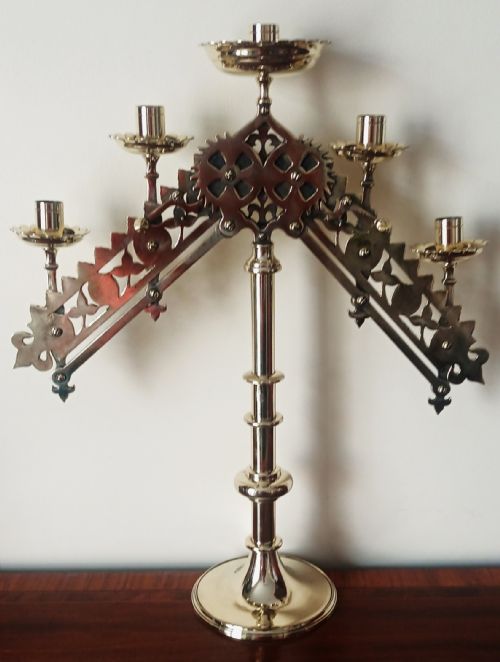
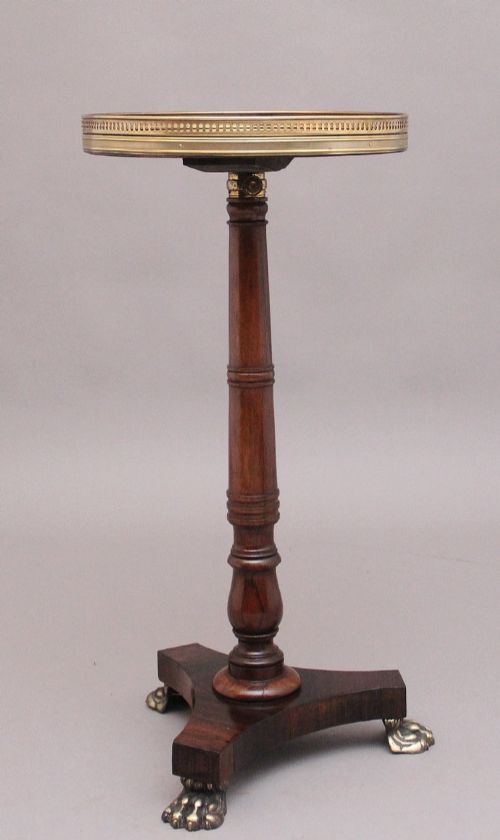
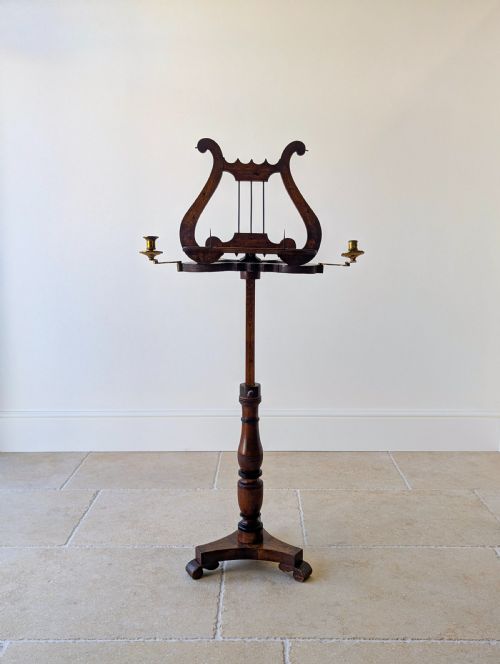


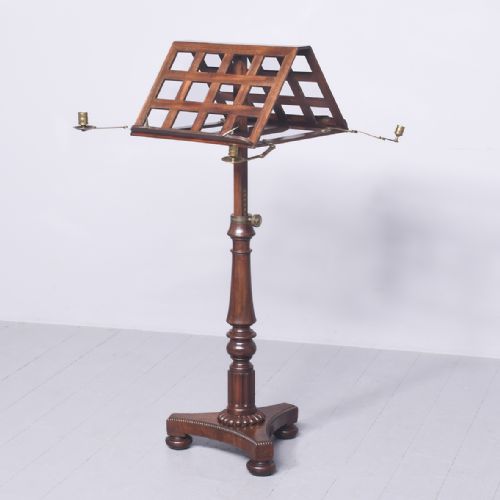


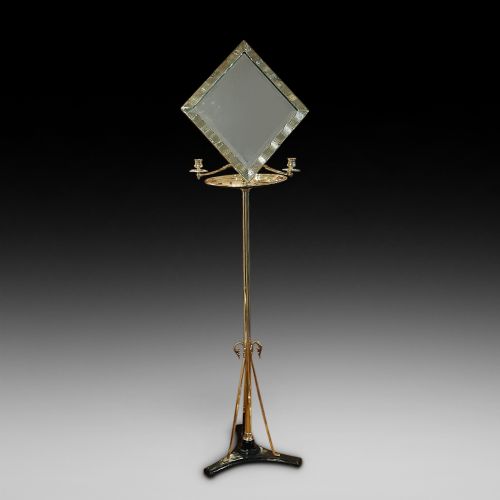
Adjustable Brass Candle Stand
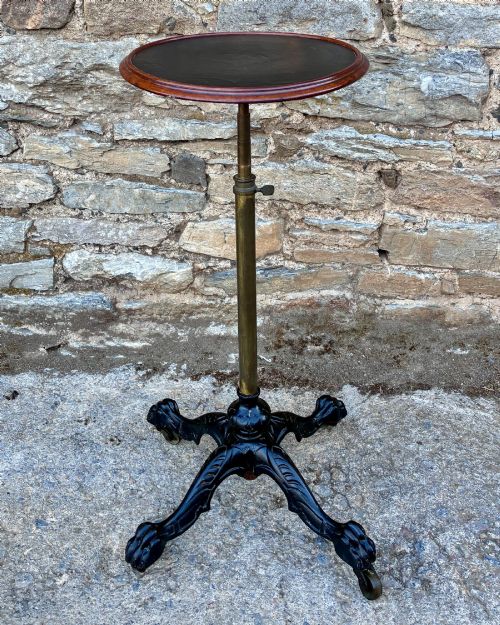
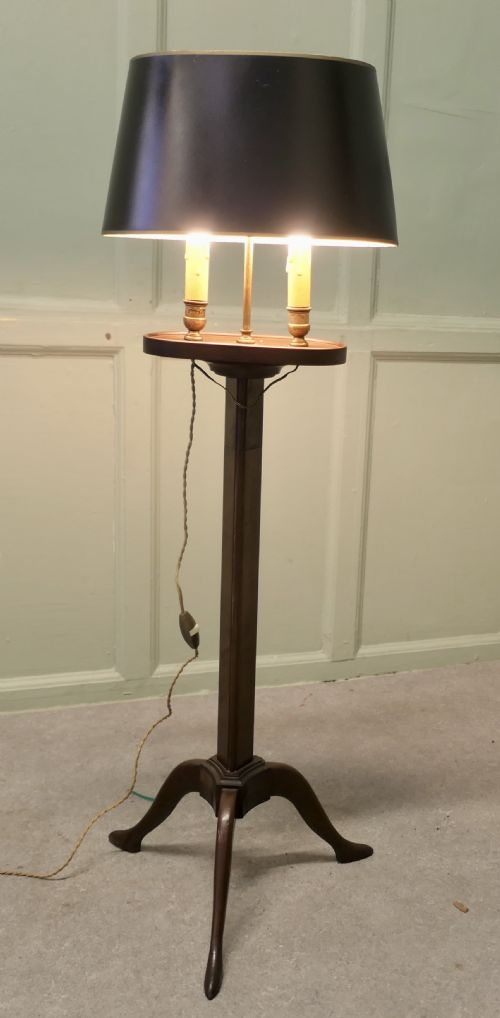
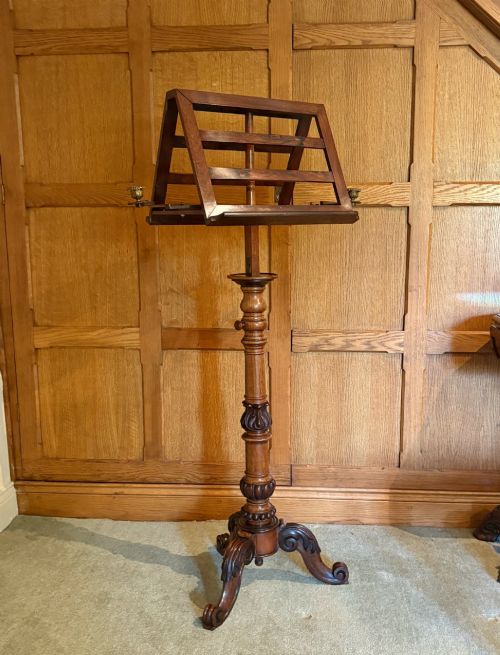
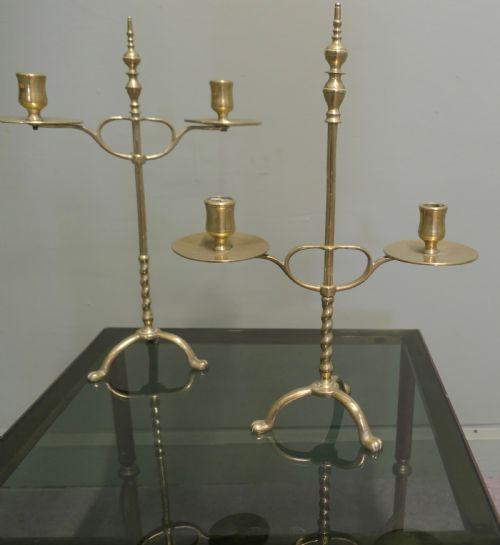
These adjustable brass candle stand pieces offer clever mechanical height adjustment and brilliant metalwork, giving you a proper period light source for your room.
Adjustable Brass Candle Stand
An adjustable brass candle stand brings flexible illumination and clever mechanics into a room, serving various lighting needs through telescoping stems and articulated arms. When you search for an adjustable brass candle stand, you encounter pieces originating from the Georgian, Regency, Victorian, and Arts and Crafts periods.
The selections span from paired student lights and bouillotte floor lamps to telescopic candlesticks and articulated candelabras. Most examples date from the nineteenth century, reflecting the era's ingenuity in domestic metalwork and lighting design.
Makers utilised heavy cast brass, sometimes paired with mahogany, rosewood, burr walnut, cast iron, and painted metal to build these stands. You also find related forms such as music stands, occasional tables, and shaving mirrors sharing similar telescopic mechanisms.
Materials and construction methods
Makers fashioned the primary bodies from solid brass, employing casting and turning techniques to create heavy bases, slender stems, and sliding telescopic components. These metal shafts allowed the user to raise or lower the flame smoothly by means of a thumbscrew or friction collar.
Certain pieces integrate rich secondary materials like mahogany, rosewood, and burr walnut for weighted bases or paired writing and music furniture. Painted metal and cast iron also appear, adding stability and varied surface textures to the floor-standing and tabletop lighting designs.
Listings feature adjustable brass candle stands across Georgian, Regency, Victorian, and Arts and Crafts styles, paired with materials like mahogany and rosewood.
Evaluating quality and execution
The distinction between ordinary and superior pieces lies in the precision of the telescopic mechanism and the weight of the casting. Finer examples maintain a smooth, secure glide without wobble, holding their height reliably through well-fitted collars and original thumbscrews.
Material selection and decorative detailing set the finer workshops apart, seen in crisp chased brass ornamentation, sturdy weighted bases, and integrated shades. The integration of patented designs or maker attributions further elevates a piece beyond standard utilitarian production.
GILLOWS·AFC
The Adjustable Brass Candle Stand Glossary
- Telescopic
- Describing a shaft formed of concentric tubes that slide one inside another to alter height. This mechanism defines the core functionality of adjustable stands.
- Bouillotte
- A type of lamp featuring a central standard and adjustable shade designed for card games. These typically hold multiple candle arms.
- Articulated
- Having joints or pivots that allow parts to move or rotate freely. This permits directional control of the light source.
- Candelabra
- A branched candlestick holding multiple lights on separate arms. Many period versions include adjustable central columns.
- Student light
- A utilitarian lamp designed to direct focused illumination over a desk or reading surface. These often feature adjustable arms for close work.
Adjustable Brass Candle Stand: Frequently Asked Questions
How do adjustable stands work?
These pieces use an inner sliding tube held at the desired height by a thumbscrew, friction collar, or spring mechanism. This lets you raise or lower the candle flame to suit your lighting needs.
Heavier bases provide the necessary counterweight to keep the stand stable when the stem is fully extended.
Where were they used?
Period households placed these stands on desks, tables, or directly on the floor beside reading chairs and writing surfaces. Their adjustable height made them adaptable to different seating arrangements.
Bedchambers, libraries, and drawing rooms all utilised these flexible lighting fixtures before the invention of electric bulbs.
How do I date an adjustable brass candle stand?
Dating relies on stylistic clues from the base design, turning details, and the complexity of the brass casting. Georgian and Regency pieces often feature simpler, elegant proportions, while Victorian and Arts and Crafts examples introduce heavier ornamentation or patent mechanics.
Patents marked on the metalwork can also narrow down the manufacturing window to a specific decade.
Can I use real candles in them?
Most of these stands are designed to hold standard taper candles securely within their drip pans and nozzles. You should check the fit of the candle before lighting to ensure it sits straight and steady.
Keep drips managed carefully to protect the aged brass and any surrounding wood or iron surfaces.