





Adjustable Book Shelf
An adjustable book shelf offers adaptable storage, bringing flexible timber construction into domestic rooms.
Adjustable Book Shelf
When you search for an adjustable book shelf, you encounter open bookcases, bookcases with display cabinets, and whatnots designed to hold varying volumes. These items appear primarily from the Victorian and Edwardian eras, alongside pieces originating around nineteen hundred and the nineteen thirties.
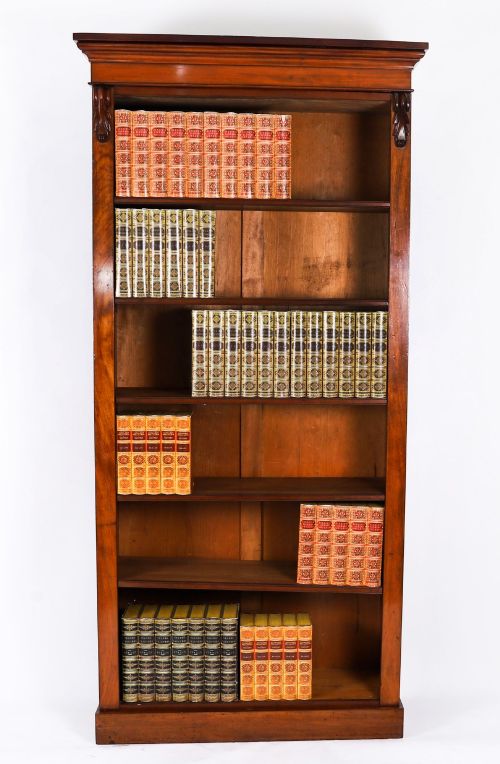
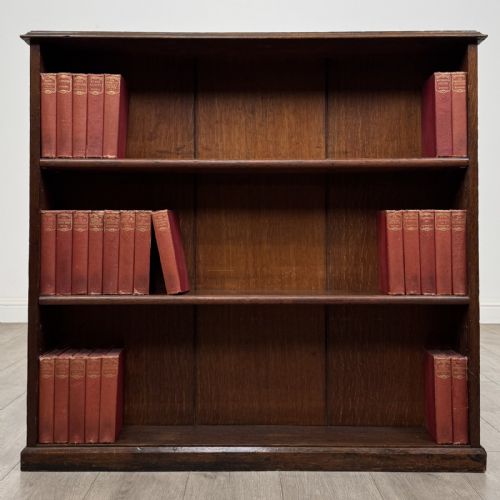
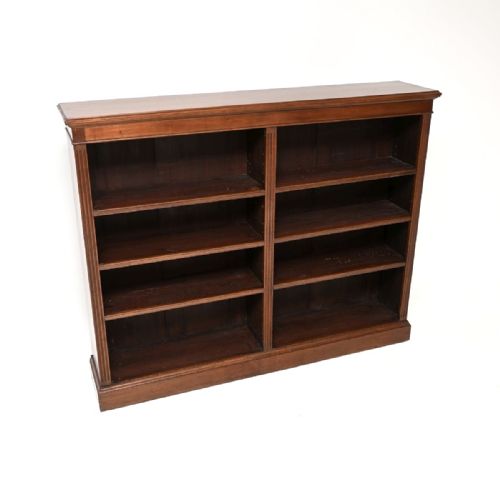
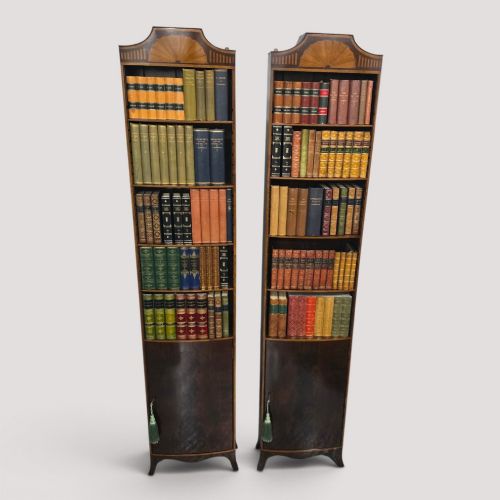
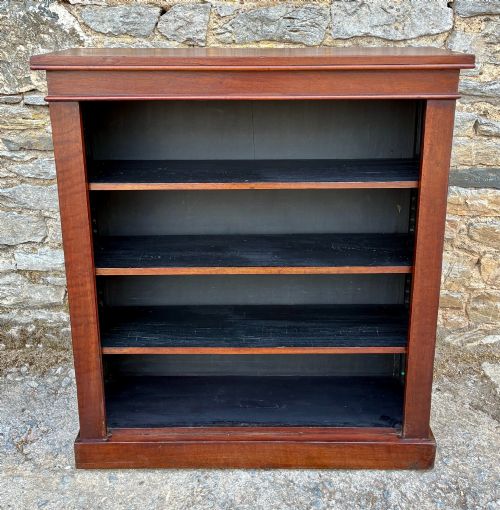
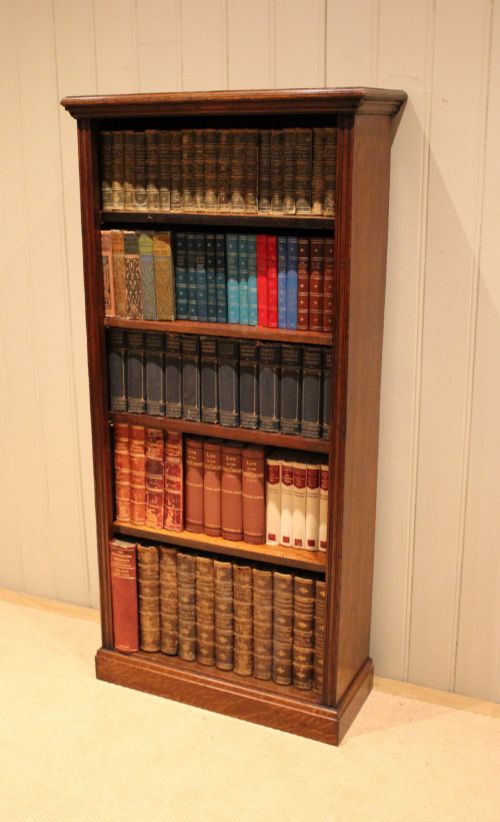
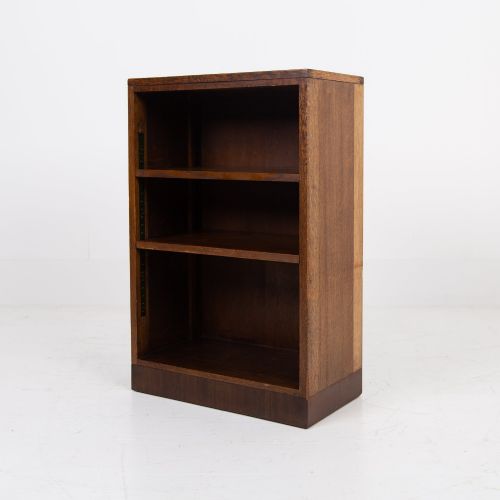
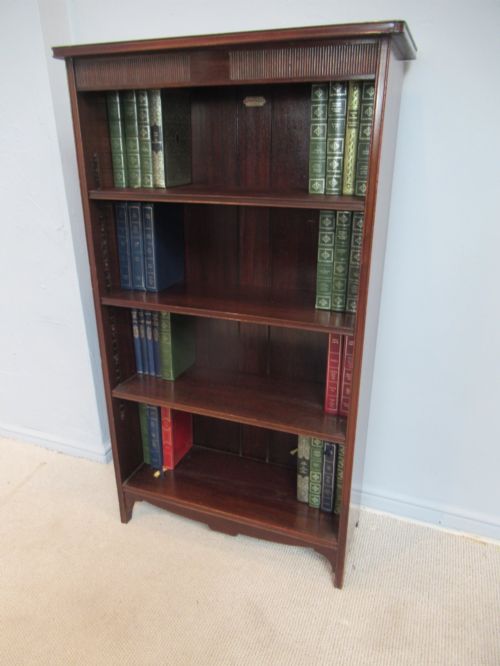
The standard form met on this page is the open bookcase, often constructed in sections or tall formats to suit domestic libraries and studies. Makers utilised timber frames fitted with movable internal ledges to accommodate books of different heights.
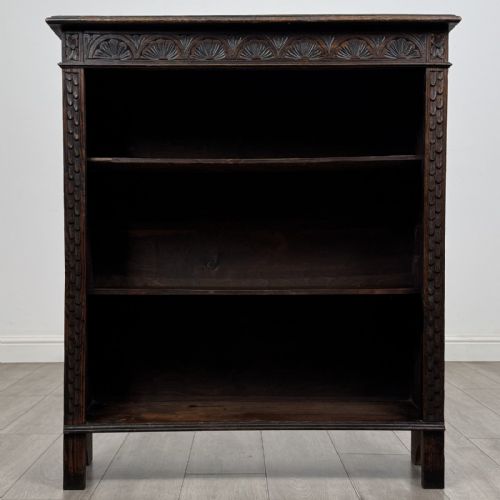
Examples span several design revivals, including Jacobean, Sheraton, and Queen Anne influences, alongside rustic country variants and gothic arts and crafts expressions. Buyers select these items for functional storage that adapts to changing collections of literature.
Materials and construction
Cabinet makers built these pieces using solid and veneered hardwoods, predominantly oak, mahogany, walnut, burr walnut, and rosewood, supplemented by softer pine for utility items. Brass components frequently appear in the internal shelf support mechanisms and hardware.
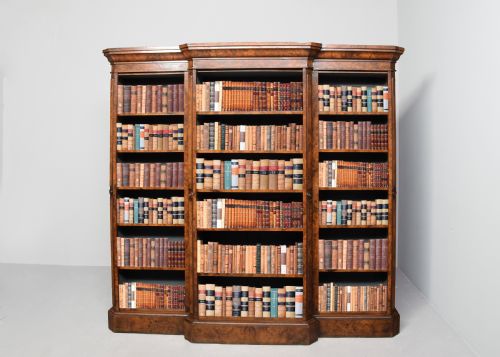
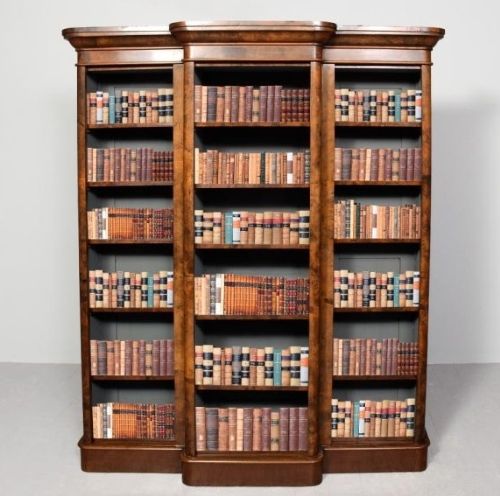
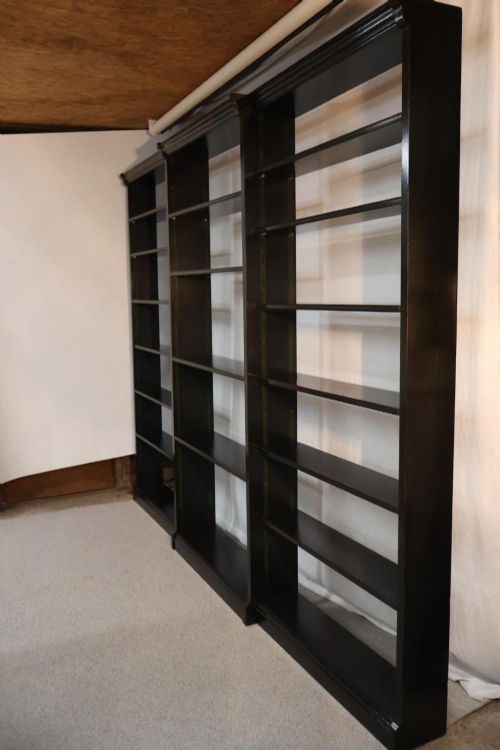
Surfaces often feature glass panels in cabinet doors, ebonised finishes, or leather top details on specific library forms. Joinery methods include breakfront construction and modular sections, allowing large bookcases to be assembled and positioned within rooms.
Adjustable Book Shelf Retail Price Guide 2026
Typical asking prices for adjustable book shelf among the pieces listed under this phrase on Sellingantiques today, from the lower quarter to the upper quarter. They describe what is for sale here now, not the wider market.
Timber choices across these bookshelves range from native oak and pine to exotic rosewood and burr walnut veneers.
Distinctions in quality
The upper tier of pieces exhibits refined timber selection, such as burr walnut veneers or dense figured mahogany, matched with precise carving and balanced proportions. Makers such as Gillows and Bowman Brothers applied superior cabinet-making standards to their shelving units.
Simpler workshop output relies on plain oak, pine, or standard mahogany without decorative carving or specialised timber figuring. The sophistication of the internal shelving adjustment mechanism also separates standard utility pieces from fine library furniture.
Bowman Brothers·Waring and Gillows·Gillows
The Adjustable Book Shelf Glossary
- Breakfront
- A large cabinet design where the central section projects forward from the flanking wings. This configuration creates visual depth in larger library rooms.
- Concertina door
- A folding door mechanism that collapses in sections when opened. It provides unhindered access to shelving contents.
- Whatnot
- A piece of open shelving furniture designed for displaying books and ornaments. These multi-tiered stands originated in the nineteenth century.
- Ebonised
- Timber treated with a dark finish to resemble ebony. This technique was popular in nineteenth-century decorative furniture.
- Burr walnut
- Wood harvested from walnut tree growths, featuring swirling grain patterns. Cabinet makers used these veneers on prominent surfaces.
Adjustable Book Shelf: Frequently Asked Questions
How do adjustable shelves work on these bookcases?
Internal ledges rest on movable supports fitted into the cabinet interior walls. This setup lets owners change shelf heights to fit different volumes.
Most period pieces use wooden or brass rack systems to hold the shelves securely at chosen intervals.
What woods were used for these bookcases?
Carpenters utilised traditional hardwoods including oak, mahogany, walnut, burr walnut, and rosewood. Softer pine appears in rustic or utility pieces.
Many examples feature decorative veneers combined with solid timber frames for structural strength.
How do I identify a Victorian bookcase?
Victorian pieces often display darker woods, carved details, and substantial proportions suited to nineteenth-century domestic libraries. Stylistic revivals like gothic arts and crafts also date from this broad era.
Construction methods involve heavy timber framing and traditional hand-cut joinery.
Where should I place an open bookcase?
Open bookcases suit studies, living rooms, and libraries where easy access to books is desired. They function well against flat wall spaces or integrated within breakfront furniture arrangements.
Keep wooden furniture away from direct heat sources to protect the timber and finish.