




Academic Nude Art Study
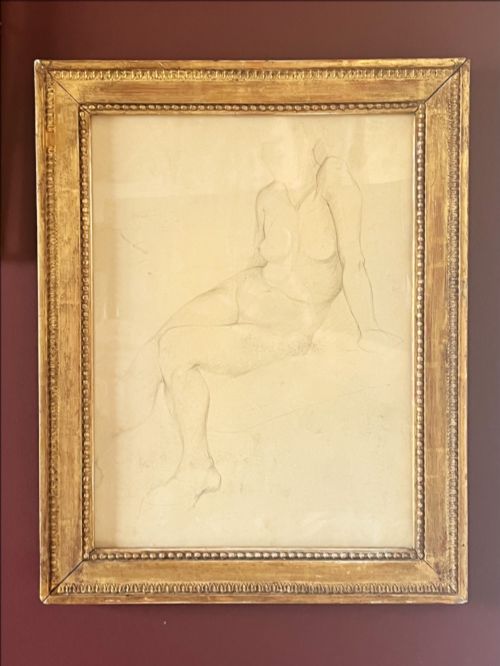
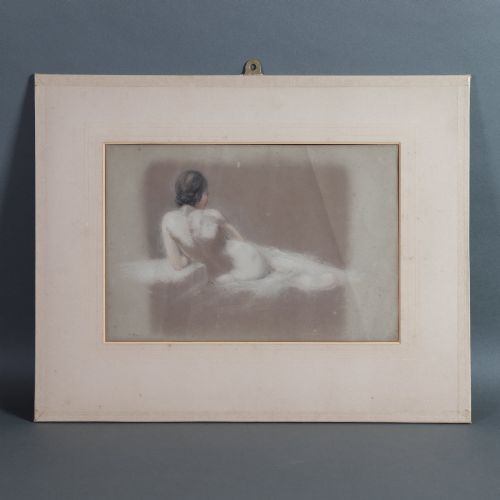
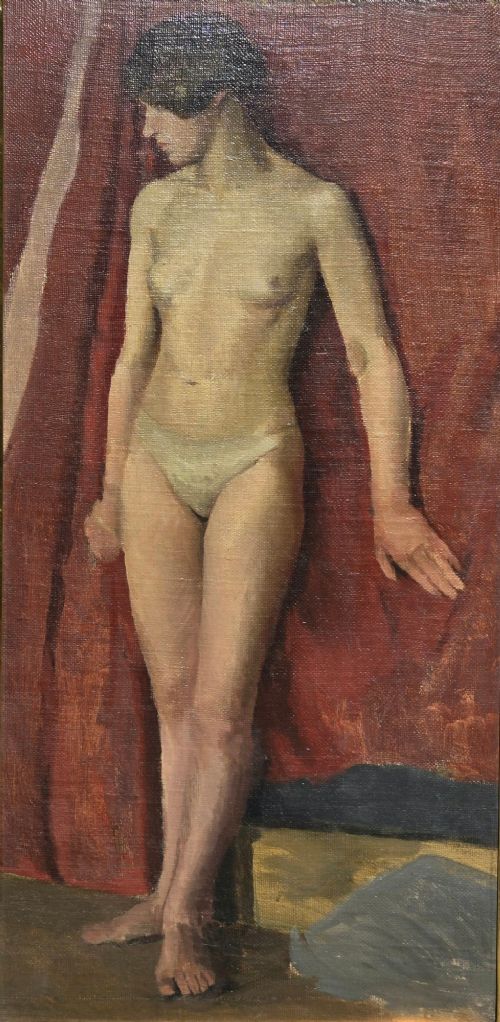
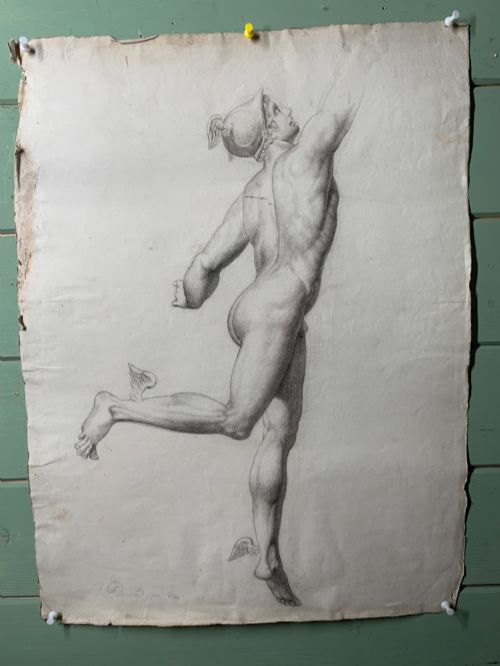
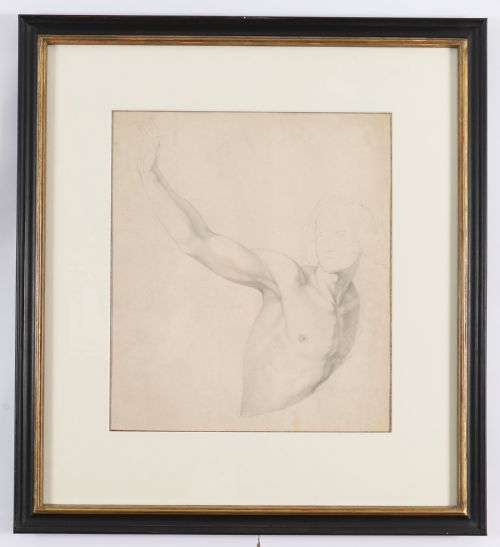
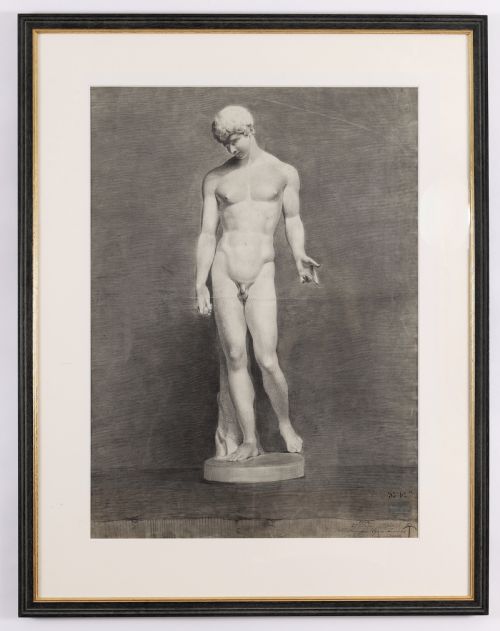
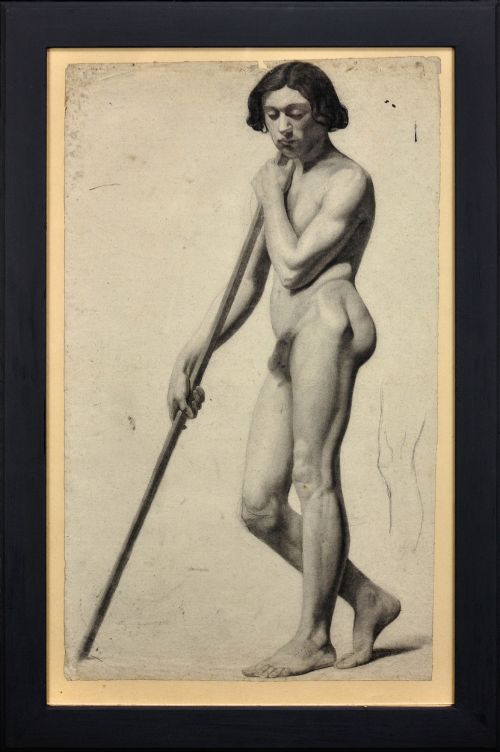
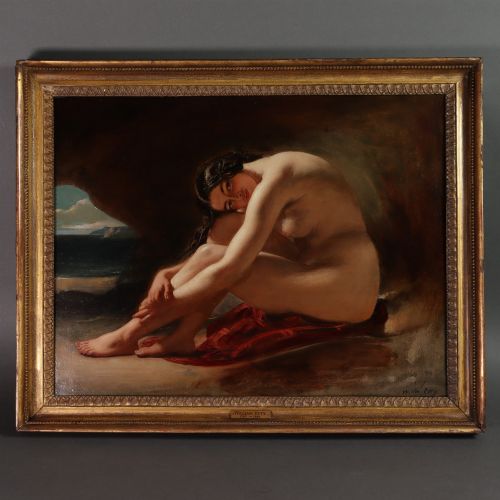
An academic nude art study captures the rigorous training of the studio, offering a direct view into classical draftsmanship and figure drawing.
Academic Nude Art Study
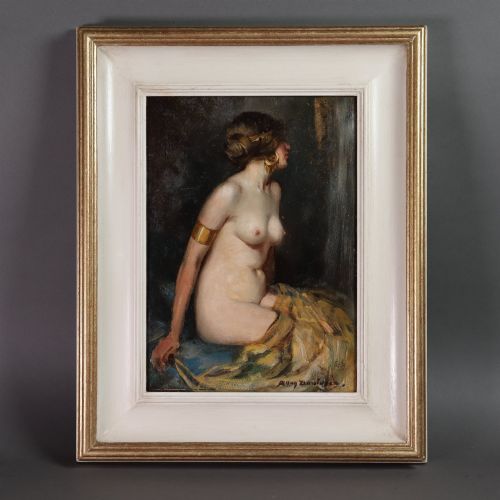
An academic nude art study represents a foundational exercise in classical training, focusing on the human form through disciplined observation. When you search this phrase, you encounter works created within formal art school traditions and studio environments.
The pieces on this page span from the eighteenth century through to the mid-twentieth century, embracing periods such as the Georgian era, the nineteenth century, and the nineteen-sixties. You will frequently meet framed drawings and oil paintings executed in styles ranging from academic realism to neoclassical and modern British.
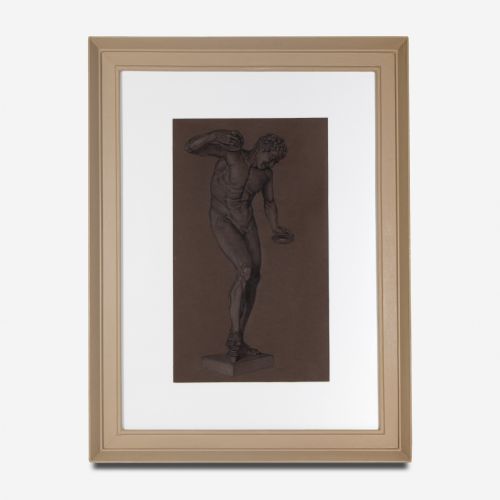
Subjects vary from life studies of male and female models to interpretations of classical sculpture, including figures like the Capitoline Antinous and the Farnese Hercules. These works record the evolving methods of art education across different European schools.
Materials and execution
Draftsmen relied heavily on paper supports, applying charcoal, graphite, chalk, and red chalk to map out shadow and light. These dry media allowed artists to correct proportions rapidly while rendering muscular tension and volume with precision.
Painters utilised oil on canvas, oil on panel, and oil on board, building compositions through layered glazes or direct impasto. Mixed media approaches also appear, combining linear precision with tonal washes to achieve depth in studio interiors.
Many works found here are housed in period frames, often constructed from gilt wood and fitted with glass to protect fragile works on paper from environmental degradation.
Listings feature works spanning the eighteenth century to nineteen-sixties, utilising charcoal, graphite, chalk, and oil on canvas.
Assessing quality and execution
The distinction between ordinary exercises and accomplished works lies in the sureness of the line and the understanding of anatomical structure. A superior study demonstrates confident handling of bone structure and musculature without relying on heavy outlining.
Execution of light and shadow determines the visual weight of a piece; master practitioners use subtle tonal gradations to convey three-dimensional form convincingly. The vitality of the pose, even in static academic settings, separates mechanical copies from inspired interpretations.
William Etty·Winifred Rymer Standing·Augustus John·Henry Arthur Roberts·Alexandre-Louis Martin·Allan Douglas Davidson·James Clark·William Edward Frost·Winifred Eugene Ballard
The Academic Nude Art Study Glossary
- Academic Realism
- A style of painting and drawing produced under the influence of European academies of art, prioritising accurate anatomy, finish, and historical themes. It reflects the strict standards imposed by official art institutions.
- Life Study
- A work of art executed directly from a live human model, serving as a core exercise in art education. These pieces capture the momentary posture and physical presence of the sitter.
- Red Chalk
- A brownish-red drawing material made from haematite, popular for figure studies due to its warmth and versatility in tonal shading. Artists often utilised it for sketching musculature.
- En Grisaille
- A painting executed entirely in shades of grey or neutral greyish monochrome, often used to simulate sculpture or as a preliminary underpainting. It emphasises form and tonal value over colour.
- Recto and Verso
- Terms describing the front and the back of a single sheet of paper or panel bearing artwork. Finding drawings on both sides indicates a sheet utilised economically during busy studio sessions.
Academic Nude Art Study: Frequently Asked Questions
What is an academic nude study?
An academic nude study is a drawing or painting created as a formal exercise in art schools to master the depiction of the human body. These works served as building blocks for larger historical or mythological compositions.
Students drew directly from live models or antique casts under the supervision of master artists. The focus remained on accurate proportion, anatomical structure, and tonal rendering.
How do I date a drawing?
Dating often relies on the style of the mounting, framing, watermark evidence in the paper, and documented signatures or inscriptions. Stylistic clues also point to specific educational methods of the nineteenth or twentieth century.
Comparing the handling of media to dated works by known school participants helps narrow down the decade of production. Documentation on the reverse sometimes reveals exhibition or studio archive notes.
How should I frame and display works on paper?
Works on paper require conservation-grade mounting with acid-free materials to prevent discolouration over time. UV-filtering glass protects charcoal, chalk, and graphite from fading under ambient light.
Display these pieces away from direct sunlight and high humidity areas. A traditional wood or gilt frame complements the historical nature of nineteenth-century academic art.