




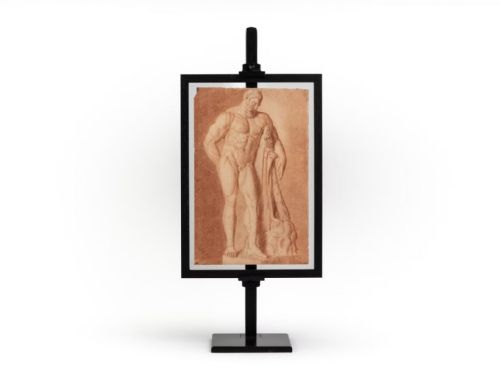

Academic Figure Study Artwork
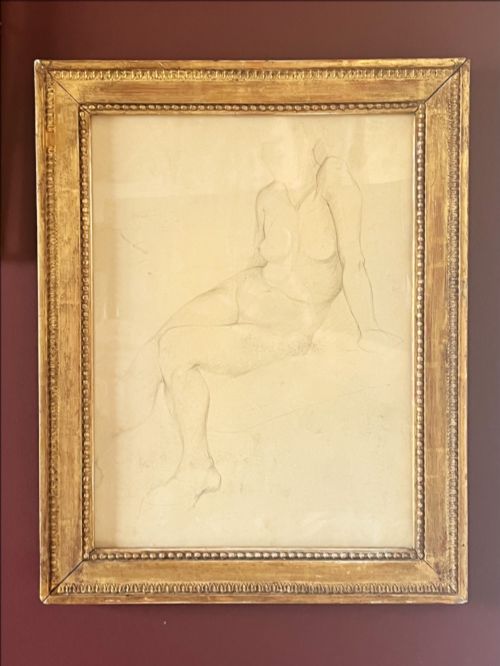
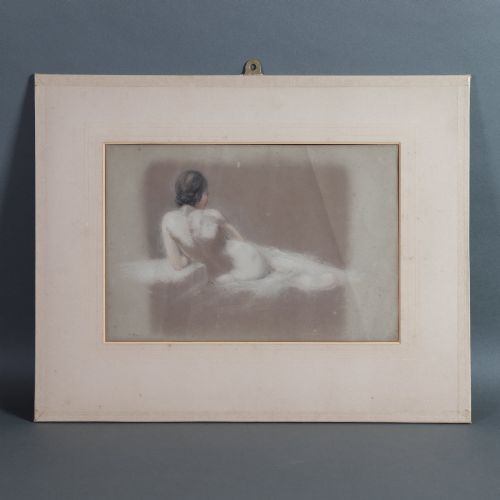
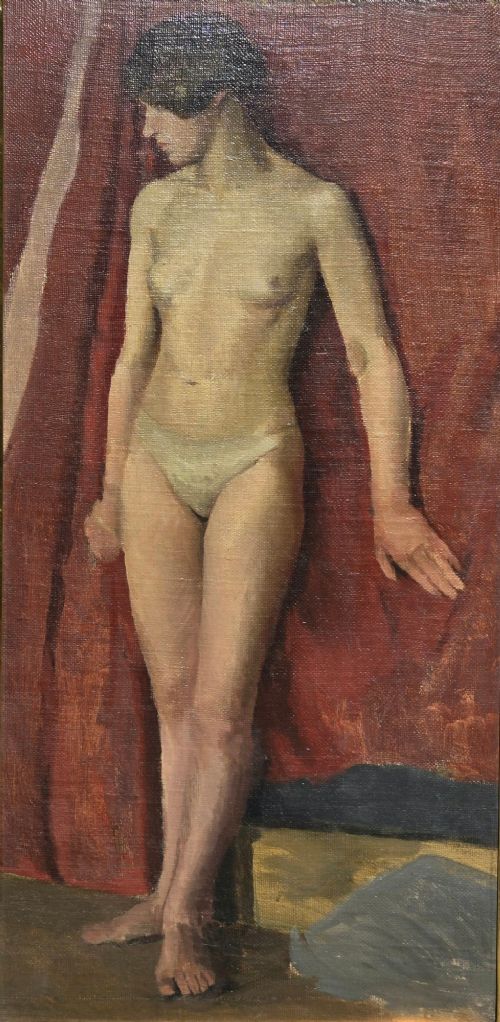
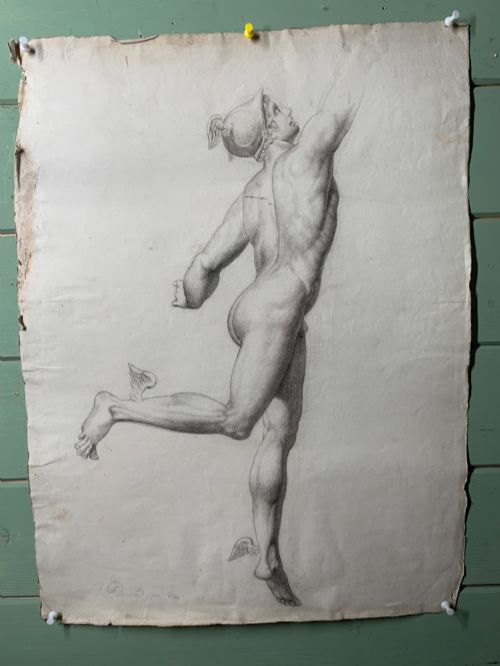
These academic figure study artwork examples capture the rigorous training of artists through drawn and painted human forms.
Academic Figure Study Artwork
An academic figure study artwork represents the foundational training artists underwent in academies and art schools, focusing primarily on the human form. Buyers searching this phrase encounter works ranging from eighteenth-century red chalk sketches to twentieth-century life drawings and oil paintings.
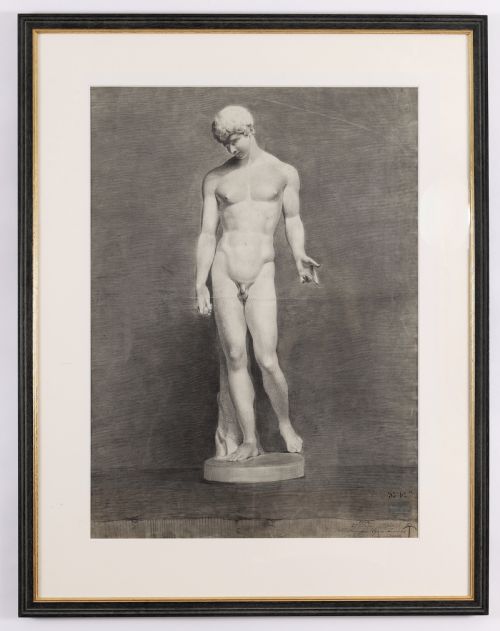
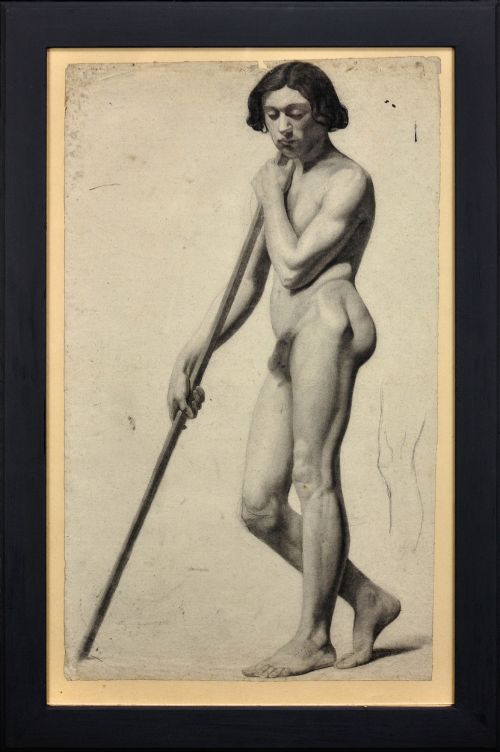
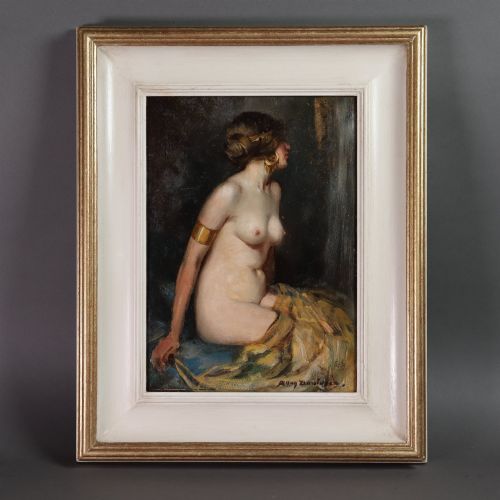
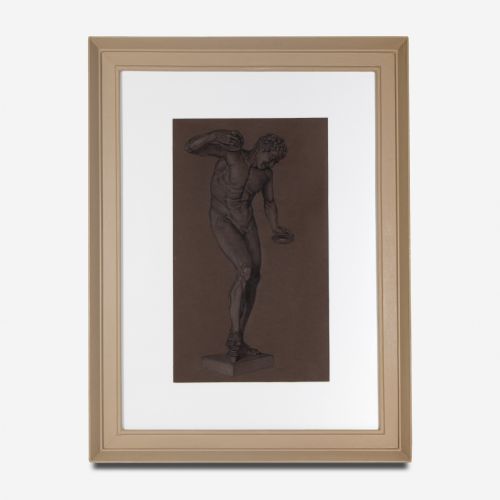
The most common pieces on this page are nineteenth-century graphite and charcoal drawings on paper, alongside oil paintings on canvas and board. These compositions capture models in classical poses, such as the Capitoline Antinous or Hercules Farnese, reflecting strict traditional standards.
Origins span Georgian, Edwardian, and mid-twentieth-century periods, showing how draughtsmanship remained central to artistic education over centuries. Works appear in various formats, from intimate pencil sketches to large framed studio interior paintings.
Evaluating quality
Quality rests upon anatomical accuracy, line confidence, and the handling of light and shadow to define musculature and volume. Stronger pieces reveal a deep understanding of human structure, whereas weaker examples struggle with proportion and spatial depth.
The sophistication of the framing and the preservation of the paper or canvas surface also influence the overall standing of a piece. Works executed on both recto and verso demonstrate exceptional draughtsmanship and economy of material.
Listings feature paper, canvas, wood, and glass materials across periods spanning from the eighteenth century to the mid-twentieth century.
William Etty·Winifred Rymer Standing·Augustus John·Henry Arthur Roberts·Allan Douglas Davidson·James Clark·William Edward Frost·Winifred Eugene Ballard·Cecil CP Lawson
The Academic Figure Study Artwork Glossary
- Recto and verso
- The front and back sides of a sheet of paper or canvas. Artists frequently utilised both sides for sketches during teaching sessions.
- Sanguine
- A type of red chalk utilised historically for sketching and portraiture. It provides a warm, earthy tone suitable for rendering flesh.
- Academic realism
- An artistic style produced under the influence of European academies of art. It emphasises precise technical skill and classical subjects.
- Life study
- An artwork created from a live human model. These pieces form the core of traditional art education.
Academic Figure Study Artwork: Frequently Asked Questions
What is an academic figure study?
An academic figure study is a drawing or painting created by an artist to practice rendering the human body accurately. These works were essential exercises in classical art training.
Students worked from live models or classical statues to master proportion, anatomy, and chiaroscuro.
How were these drawings used?
Artists used these studies to hone their technical skills in studio environments and art schools. Many drawings served as preparatory work for larger, more complex compositions.
Instructors often evaluated students based on their precision in capturing musculature and posture during these sessions.
How do I date an academic drawing?
Dating relies on stylistic markers, framing, inscriptions, and the type of paper or canvas utilised. Eighteenth-century works often feature red chalk, while nineteenth-century pieces frequently employ graphite and charcoal.
Signatures, dates written on the reverse, and historical school attributions also help establish the correct period.
How should I frame paper studies?
Framing should protect delicate paper surfaces from direct contact with glass and harmful ultraviolet light. Acid-free mounts preserve charcoal and graphite drawings over time.
Antique gilt frames are often paired with these works to complement their traditional aesthetic origins.