

Academic Art Oil Paintings
Academic art oil paintings bring classical training and rigorous technique into your home through finely detailed portraits, historical scenes, and figurative studies.

Academic Art Oil Paintings
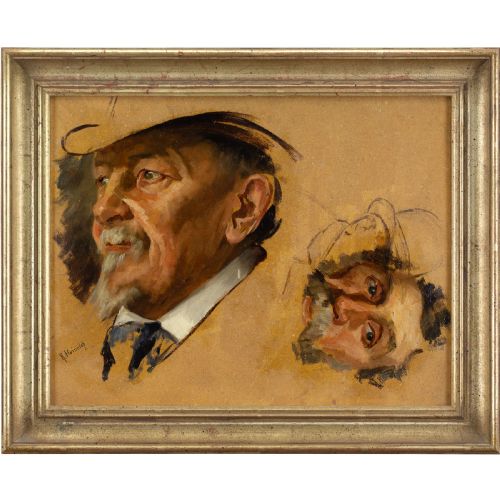
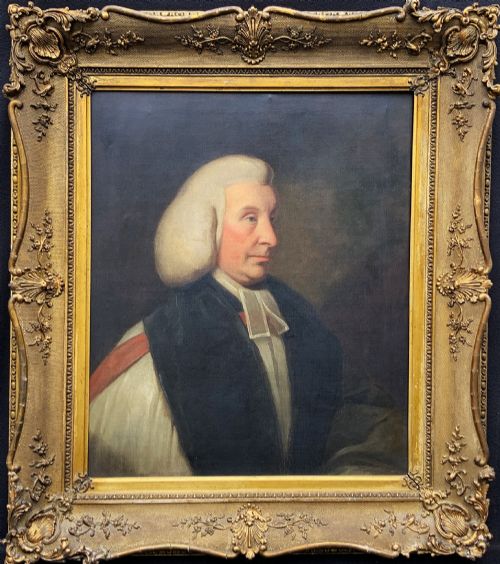
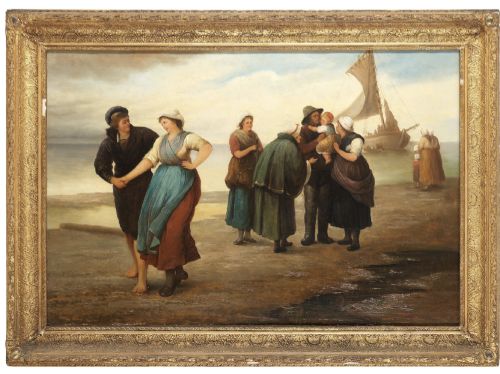
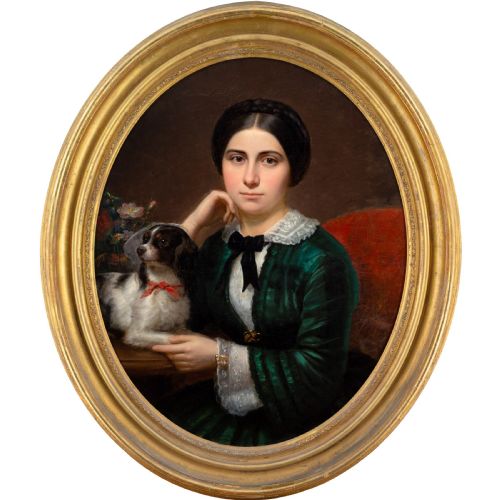
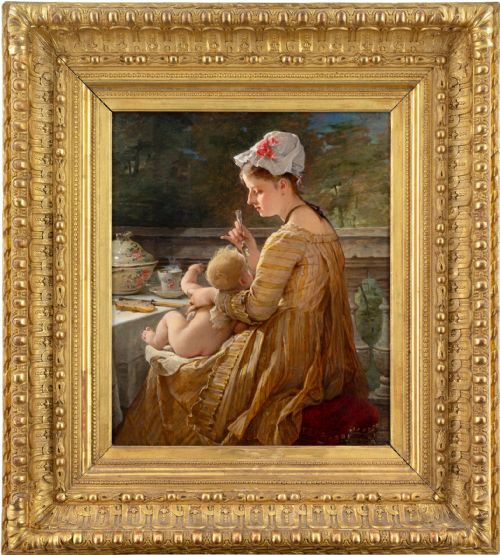
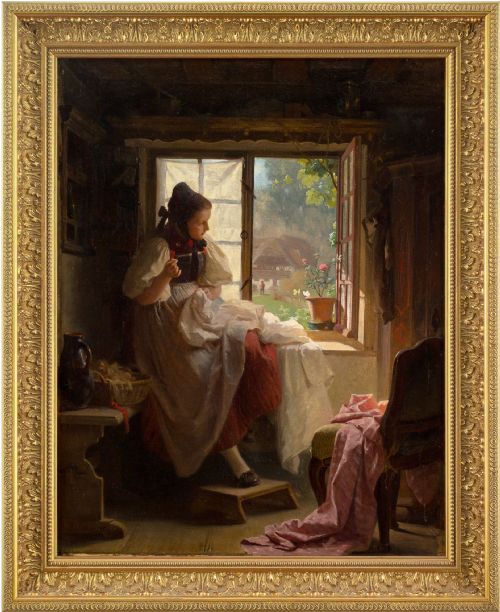
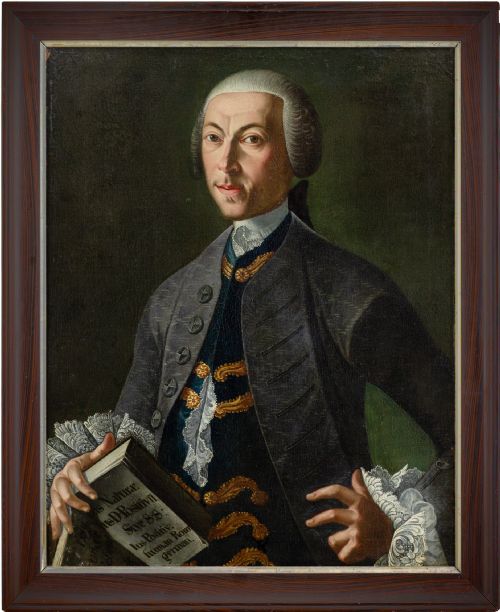
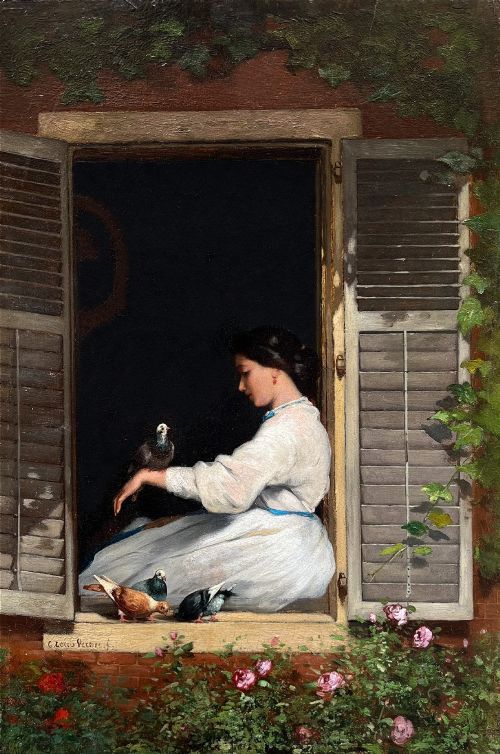
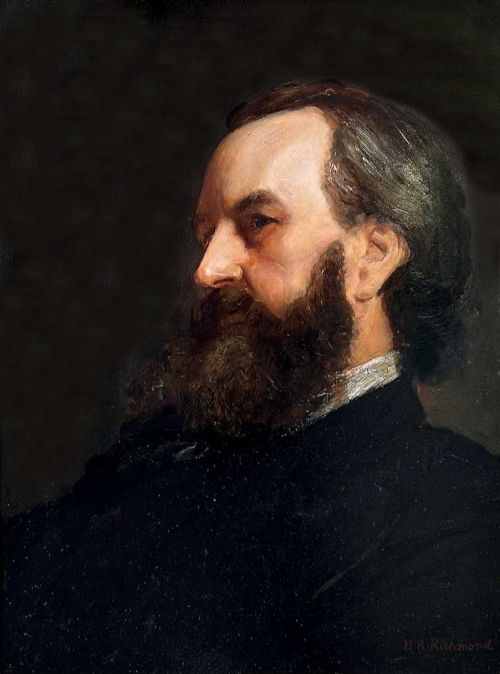
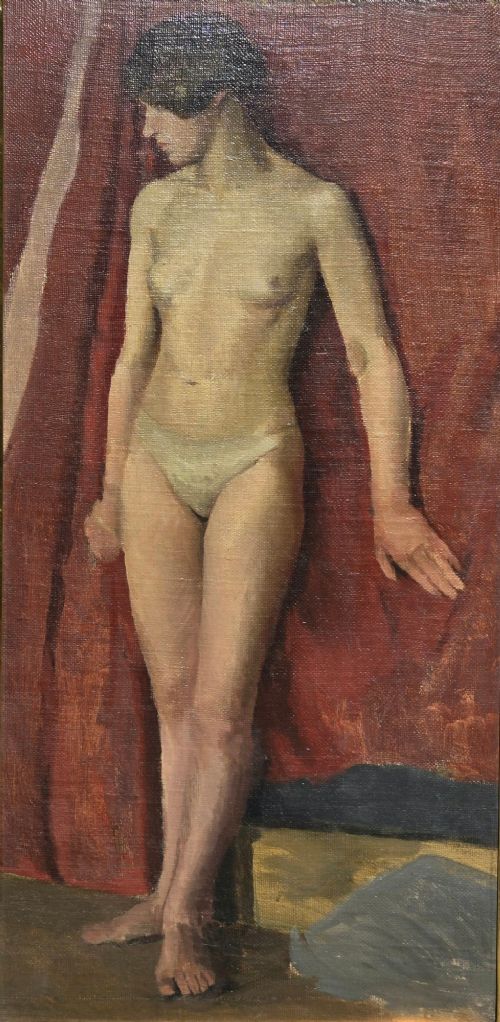
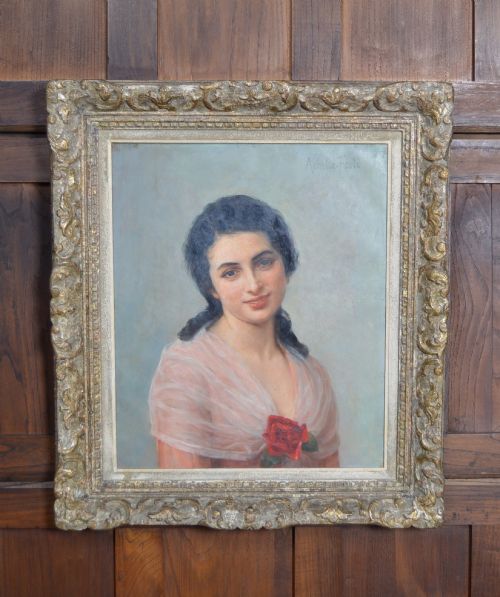
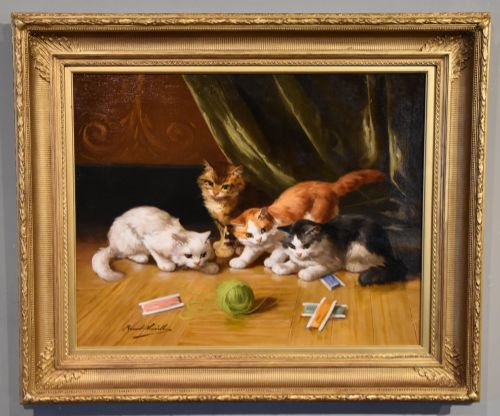
Academic art oil paintings represent the formal output of nineteenth-century European academies and schools, showcasing strict adherence to classical standards. These works span historical genre scenes, detailed portraits, and careful figure studies executed with formal mastery.
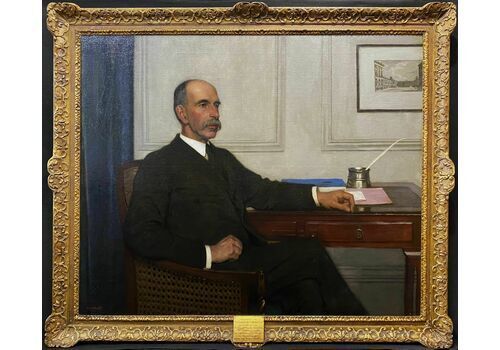
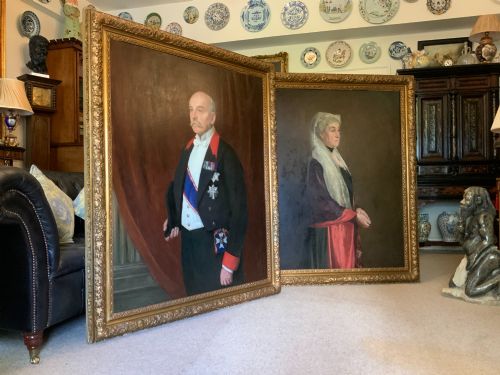
You are most likely to encounter nineteenth-century French and British examples on this page, alongside German, Italian, and Belgian works. These pieces frequently feature canvas supports housed within period giltwood and gesso frames.
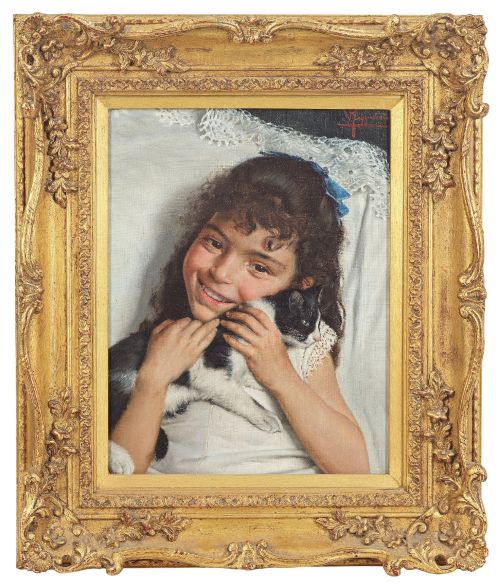
The subjects range from intimate domestic moments and classical figures to monumental historical narratives and character studies. Each canvas reflects the rigorous curriculum of national academies that prioritised anatomical precision and compositional balance.
Materials and Techniques
Painters applied oil paint onto stretched canvas, wood panels, or occasionally paper to achieve smooth gradations of tone and lifelike textures. These media allowed artists to build rich, layered surfaces that capture subtle shifts in light and shadow.
Makers housed these finished canvases in elaborate giltwood frames adorned with moulded gesso ornamentation. The combination of oil pigments and carved, gilded wood defined the standard presentation for institutional and domestic display.
Listings feature oil on canvas and oil on board works spanning the eighteenth, nineteenth, and twentieth centuries.
What Varies in Quality
Quality rests upon the artist's command of human anatomy, facial expression, and spatial depth. Superior works demonstrate meticulous brushwork that renders fabrics, skin tones, and architectural elements with convincing realism.
The strength of the composition and the psychological engagement of the subject distinguish masterworks from standard studio exercises. Original frames featuring period gilding and gesso enrich the integrity of the piece.
Dumini Leopoldo·Vittorio Reggianini·Adelaïde Salles-Wagner·Max Kaltenmoser·Louis Charles Verwee·William Blake Richmond·Harold Knight·Achille Fould·Alfred Arthur Brunel de Neuville·Johann Hamza·Benjamin Eugene Fichel·Charles Zacharie Landelle·André Charles Voillemot·Ferdinand Victor Leon Roybet·Alexandre Louis Martin·William Etty·Allan Douglas Davidson·Gabriel Puig Roda·Frederick Goodall·Lance Calkin·Alfred Holst Tourrier·Hermann Armin Kern·William Adolph Bouguereau·Frank Hyde·Thomas Couture
The Academic Art Oil Paintings Glossary
- Academic Realism
- A style of painting that combines classical academic precision with lifelike representation of subjects. This approach emerged from official European art academies during the nineteenth century.
- Giltwood
- Wood that has been coated with a thin layer of gold leaf or gold paint. It frequently appears on the ornate frames enclosing nineteenth-century canvases.
- Gesso
- A white paint mixture consisting of a binder mixed with chalk, gypsum, or pigment. Makers applied this substance to wooden frames as a smooth base for subsequent gilding.
- Historical Genre
- A category of painting depicting scenes from history, literature, or everyday life with narrative depth. These works often involve multiple figures arranged in theatrical interior or exterior settings.
- En Grisaille
- A painting executed entirely in shades of grey or neutral monochrome. Artists frequently employed this monochromatic technique for preparatory studies or decorative panels.
Academic Art Oil Paintings: Frequently Asked Questions
What defines academic art?
Academic art describes paintings and sculptures produced under the influence of European academies of art. These works follow strict classical rules regarding composition, subject matter, and anatomical accuracy.
Artists trained within these institutions focused heavily on historical, mythological, and figurative subjects rendered with polished, highly finished techniques.
How do I care for an antique oil painting?
Keep oil paintings away from direct sunlight and significant temperature fluctuations to prevent the canvas from warping and the paint from cracking. Avoid using liquid cleaners on the surface.
Dust the canvas and frame gently with a soft, dry brush. Professional conservation is recommended for any deeper cleaning or repair.
Are these paintings signed by the artist?
Many of the academic paintings feature artist signatures, monograms, or studio stamps inscribed directly onto the canvas. Signatures often appear near the lower corners of the composition.
Unsigned works frequently attribute to specific continental or British schools based on stylistic evidence, handling of paint, and period framing.
What subjects are common in these works?
Portraits of gentlemen, ladies, and children form a large portion of the available inventory. Historical genre scenes, figurative studies, and orientalist compositions also appear frequently.
Artists drew inspiration from classical literature, historical events, and intimate domestic moments, translating these narratives onto canvas with dramatic lighting.