




Abstract Expressionist Artwork
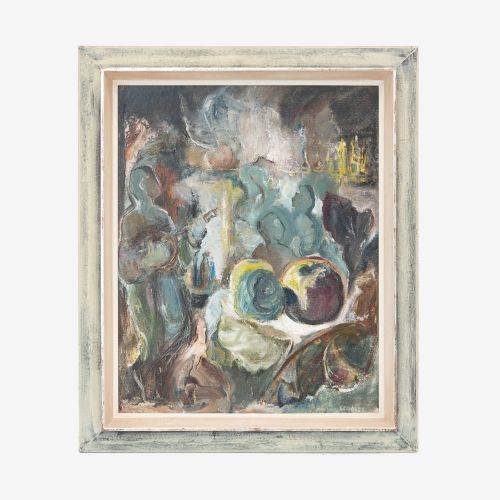
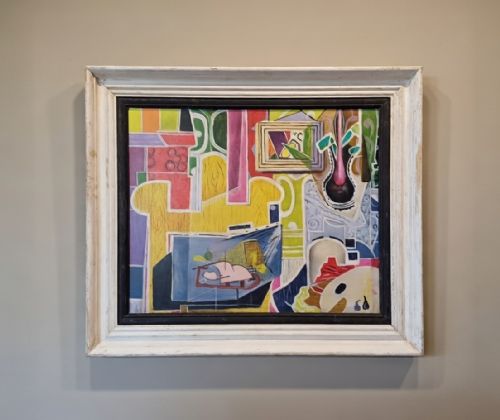
Abstract expressionist artwork brings mid-century energy to a room through bold brushwork and non-representational forms.
Abstract Expressionist Artwork
When you search for abstract expressionist artwork, you encounter mid-century paintings and works on paper created primarily through the middle decades of the twentieth century. These pieces span oil paintings, ink drawings, and mixed media compositions that prioritize gesture and emotional impact over strict realism.
The version most commonly met on this page is the mid-century canvas or board utilising thick impasto or fluid strokes. Works range from vibrant cityscapes and still lifes to abstracted figures and pure non-representational compositions originating from British, European, and American hands.
Materials and Construction
Makers of abstract expressionist artwork applied oil paint, acrylic, or ink directly onto canvas, wood board, paper, or card. Many pieces rely on heavy impasto technique, building thick ridges of pigment that catch the light and reveal the physical movement of the artist's hand.
Supports frequently show their age through the natural grain of the wood or the texture of woven canvas. Frames are often period additions of wood or glass that protect fragile watercolours, woodcuts, and mixed media surfaces.
One fantastical animal portrait introduces a lion named Astra to the mid-century modernist lineup.
Assessing Quality
Quality in abstract expressionist artwork rests on the confidence of the mark-making and the internal balance of the composition. Stronger pieces display deliberate control over chaotic gestures, where every stroke contributes to the tension and spatial depth of the surface.
The handling of medium dictates the success of the piece, whether through the luminous application of oil paint or the precise economy of an ink line. Superior works hold the viewer's eye across the entire plane rather than relying on isolated areas of visual interest.
Lilian Colbourn·Tony Giles·Derek Latimer Sayer·William McCance·Peter Jackson·Adrian Heath·Lester Epstein·Antonio Ferri·Burr Singer·Richards Rubin·William Ernst Burwell
The Abstract Expressionist Artwork Glossary
- Impasto
- Paint applied thickly to a canvas or board, standing out in relief from the plane. This technique adds tactile dimension and captures the physical energy of the creator.
- Medium
- The material used by an artist to create a work, such as oil, ink, acrylic, or watercolour. Understanding the medium helps identify the period and technique of the piece.
- Support
- The physical foundation upon which the artwork is built, including canvas, wood panel, paper, or board. Each material ages differently and influences the preservation of the paint layer.
- Avant-garde
- Artworks that push boundaries and experiment with unconventional methods ahead of mainstream taste. These pieces often challenge traditional perspective and subject matter.
- Woodcut
- A relief print technique where an image is carved into a block of wood, inked, and transferred to paper. This method produces bold lines and distinct textural patterns.
Abstract Expressionist Artwork: Frequently Asked Questions
What defines abstract expressionist artwork?
These pieces focus on non-representational forms, expressive brushwork, and emotional intensity rather than literal depiction.
They emerge predominantly from the mid-twentieth century, capturing a period of experimentation among modern painters.
How do I hang and display these paintings?
Ensure paintings and works on paper stay away from direct sunlight to protect oil pigments and delicate inks from fading.
Mount them securely on sturdy hooks, matching the frame style to the mid-century aesthetic of the composition.
How can I tell the period of a piece?
Examine the materials used, such as vintage wood boards, period canvas weaves, and historic framing methods.
Signatures, dates written on the reverse, and stylistic markers like mid-century modernist or expressionist traits also help date the work.
What is impasto in these paintings?
Impasto is a technique where paint is laid onto the canvas in very thick layers, often applied with a brush or palette knife.
This leaves visible peaks and ridges that give the artwork a tangible, three-dimensional surface texture.