
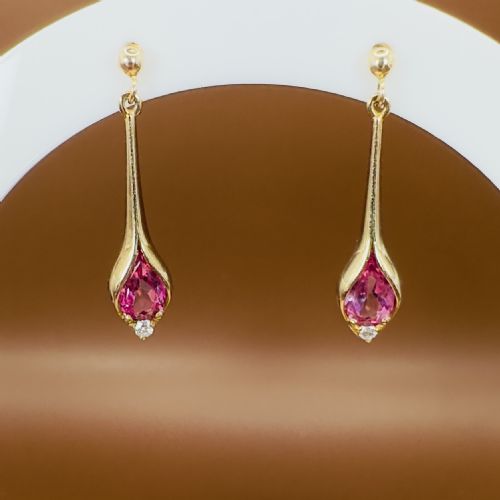
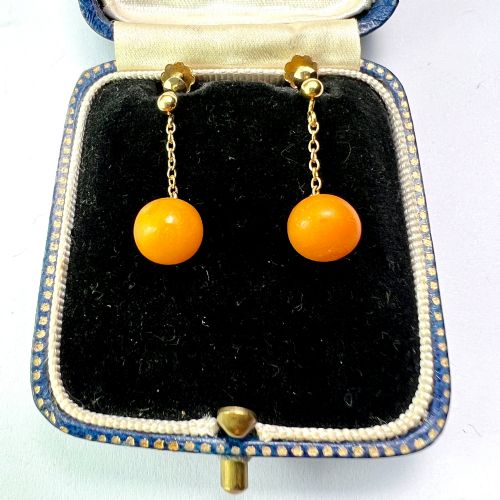


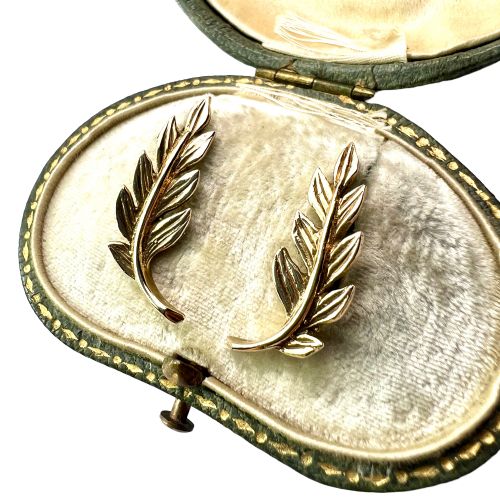


9ct Yellow Gold Earrings
9ct yellow gold earrings combine durable gold content with precious stones, offering both antique charm and everyday wearability.
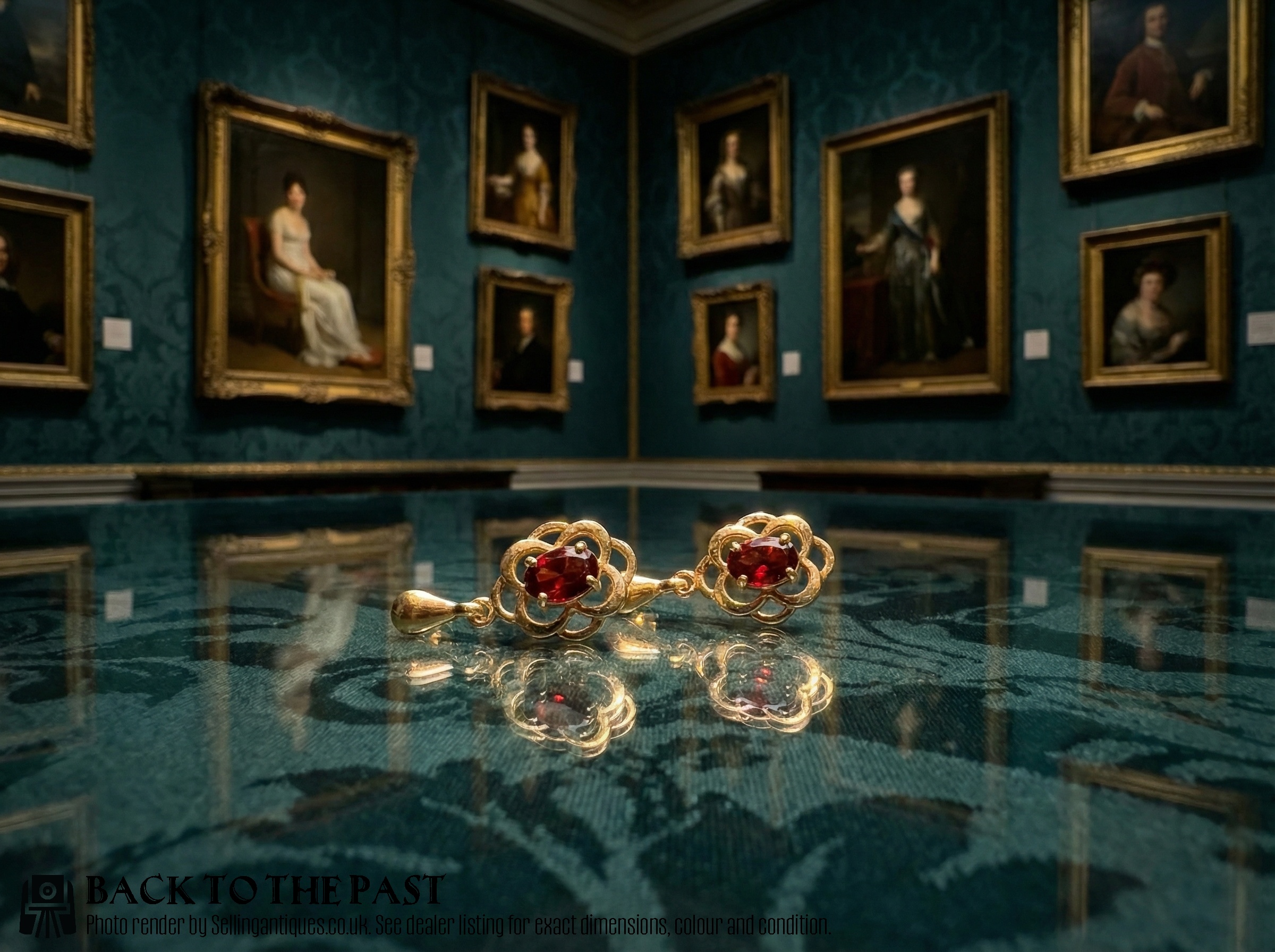
9ct Yellow Gold Earrings
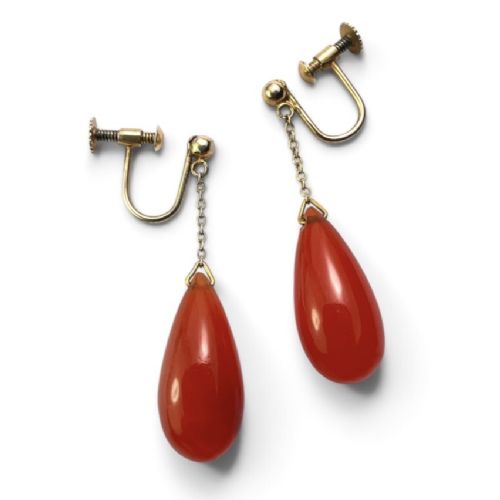
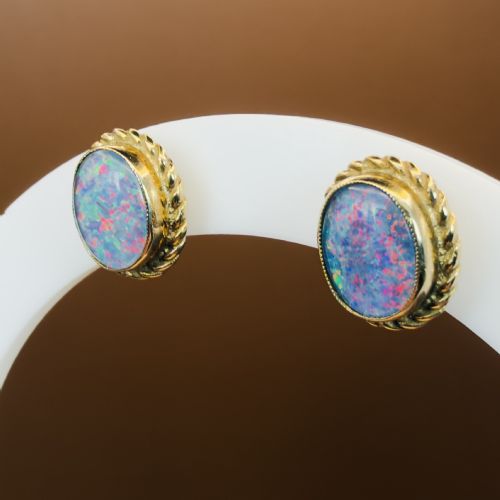
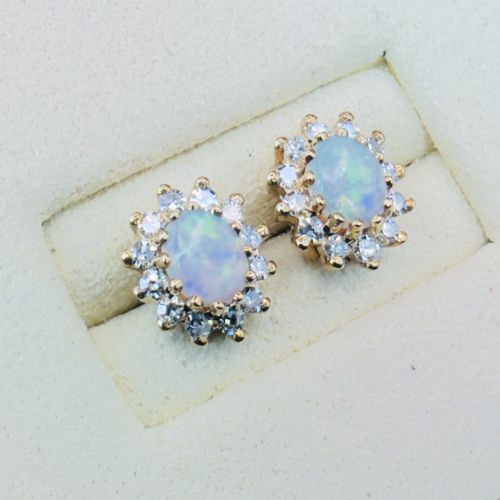
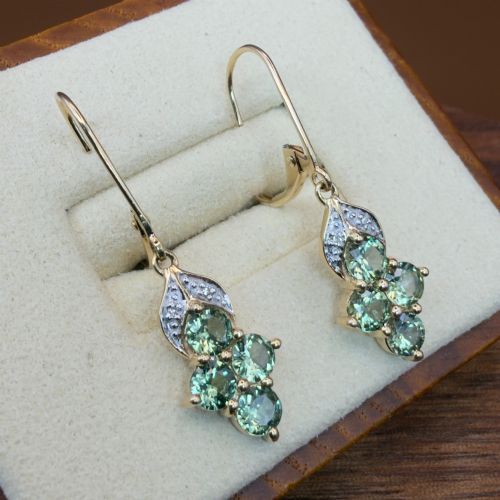
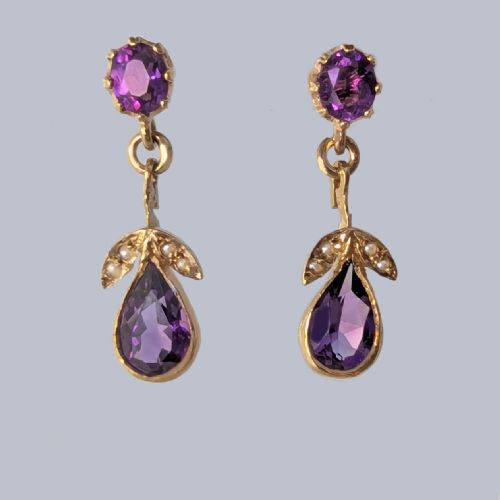
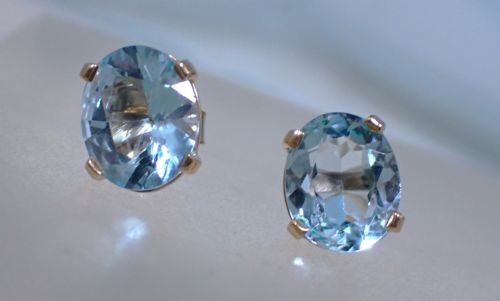
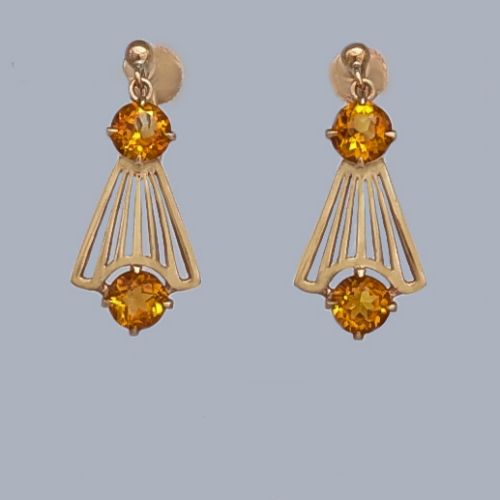
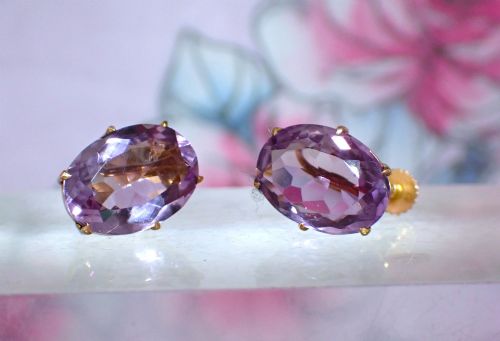
When you search for 9ct yellow gold earrings, you encounter a varied selection of antique and vintage jewellery spanning from the Victorian era through the mid-twentieth century. The assortment includes delicate stud designs, dramatic drop earrings, and ornate cluster configurations set with diverse gemstones.
You are most likely to meet mid-century and Edwardian examples on this page, reflecting periods when gold fabrication methods allowed for intricate gallery work and secure stone settings. These pieces range from simple daily wear studs to elaborate dangling fringes and articulated chain drops.
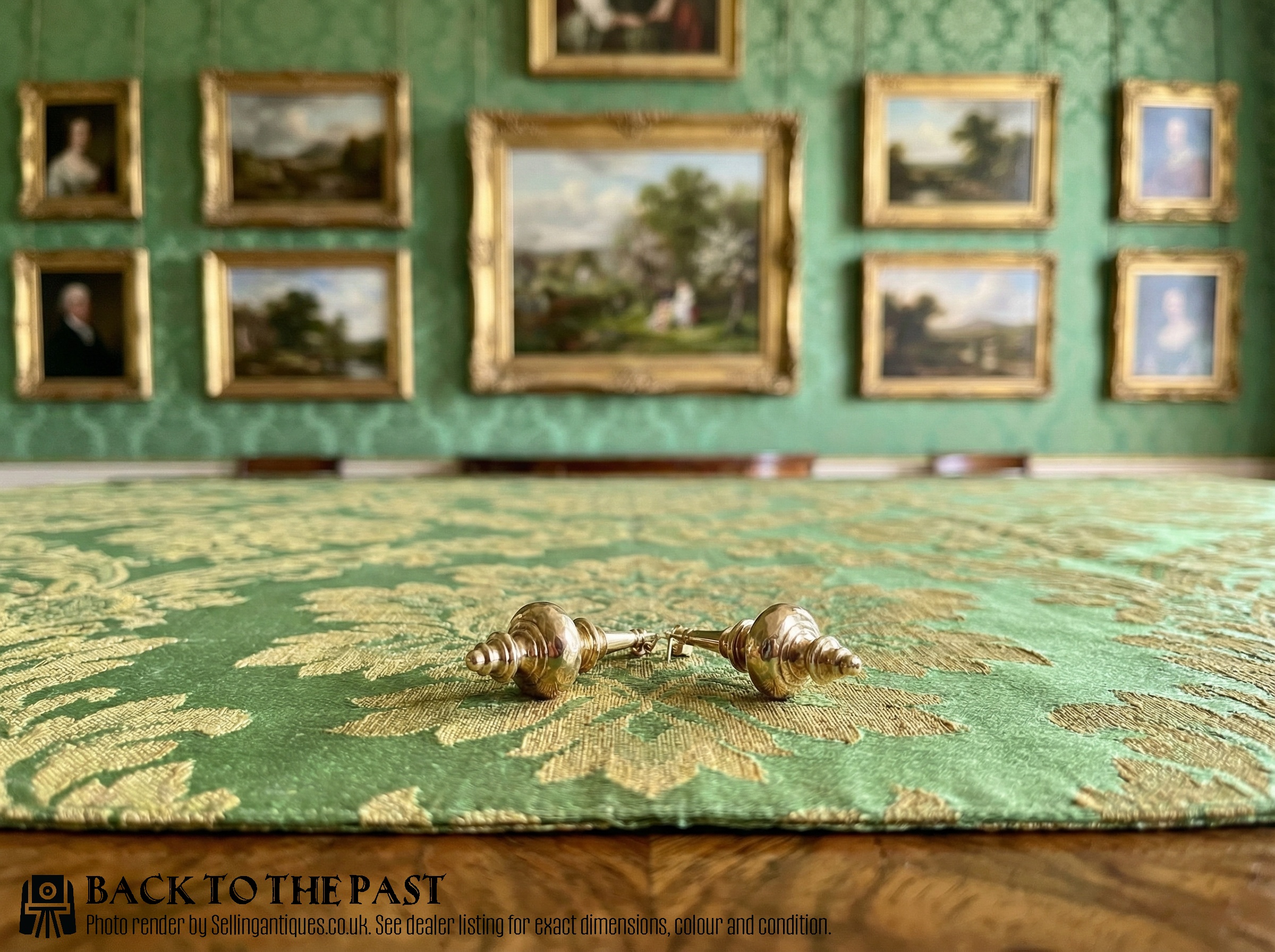
How they were made
The construction relies on nine-carat gold alloyed for durability, providing a warm metallic hue that anchors the design. Goldsmiths utilised traditional techniques such as wire-working, filigree, and casting to shape the precious metal into secure mountings.
Gemstones including opals, amethysts, garnets, and diamonds were meticulously hand-set into bezel, prong, or cluster arrangements. Articulated connections in drop and dangle styles were engineered to allow natural movement while maintaining structural integrity.
9ct Yellow Gold Earrings Retail Price Guide 2026
Typical asking prices for 9ct yellow gold earrings among the pieces listed under this phrase on Sellingantiques today, from the lower quarter to the upper quarter. They describe what is for sale here now, not the wider market.
Certain Victorian drops feature articulated lizards and coiled snakes designed to dangle playfully from the earlobe.
What varies in quality
Quality reveals itself in the precision of the stone setting and the structural weight of the gold components. Superior pieces exhibit well-matched natural gemstones with secure prongs and clean solder joints that withstand regular handling.
Design ambition also distinguishes the range, moving from mass-produced commercial stampings to hand-finished artisan work featuring detailed motifs like leaves, tassels, or bespoke cluster arrangements.
The 9ct Yellow Gold Earrings Glossary
- Cabochon
- A gemstone shaped and polished with a smooth, rounded domed surface rather than faceted edges. This cut is frequently utilised for opals, garnets, and star agates.
- Cluster
- An arrangement of smaller gemstones clustered closely around a central stone to create a larger visual impact. This style was popular across Victorian and mid-century designs.
- Drop earrings
- Earrings that suspend stones or metalwork below the earlobe rather than sitting directly on the piercing. They often incorporate hinges or chain links for movement.
- Screw-on
- A mechanical closure utilising a threaded post and a backing nut that adjusts to unpierced earlobes. Common in antique and early twentieth-century pairs.
- Seed pearl
- Very small, naturally occurring pearls often used in delicate floral or starburst motifs during the Edwardian and Victorian periods.
9ct Yellow Gold Earrings: Frequently Asked Questions
How do I care for antique earrings?
Clean your pieces gently with a soft cloth and avoid harsh chemical dips, especially when wearing items set with softer organic gems like pearls or amber.
Store them separately in a lined box to prevent scratching between the gold metalwork and gemstone surfaces.
Are these earrings suitable for daily wear?
Nine-carat gold provides a robust alloy composition that resists everyday wear and tear better than higher karat equivalents.
However, delicate drops and older settings benefit from careful handling and should be removed prior to strenuous physical activities.
How do I identify the period of a piece?
Stylistic clues such as Edwardian filigree work, Victorian natural motifs, or mid-century modernist lines offer initial indicators of a piece's era.
Assay office marks, sponsor stamps, and specific fastener types like screw-backs further help pinpoint the manufacturing decade.
What does nine-carat gold mean?
This alloy contains thirty-seven point five percent pure gold mixed with other metals like silver and copper to increase strength and durability.
This specific proportion produces the signature warm yellow hue seen across British hallmarked items from the nineteenth and twentieth centuries.