

9ct Yellow Gold Charm
A 9ct yellow gold charm delivers miniature personality to a bracelet, taking the form of animals, padlocks and keepsakes.
9ct Yellow Gold Charm
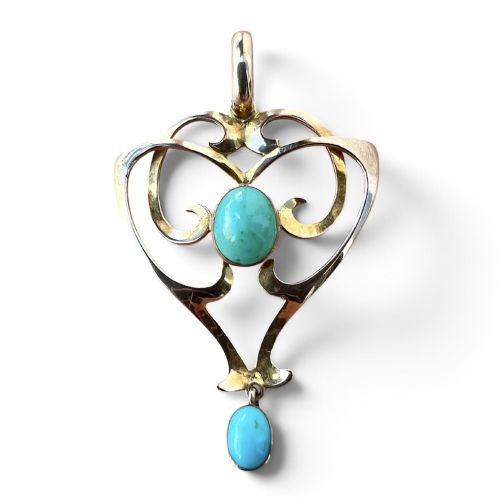
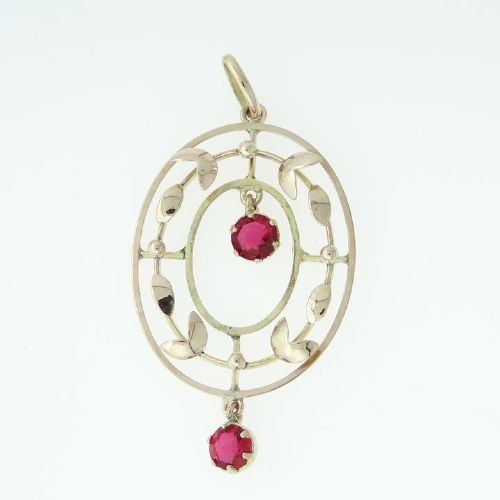
When you search for a 9ct yellow gold charm, you encounter miniature pendants and trinkets designed to suspend from bracelets or necklaces. The pieces on this page span the Victorian, Edwardian and mid-century periods, alongside vintage and revival eras.
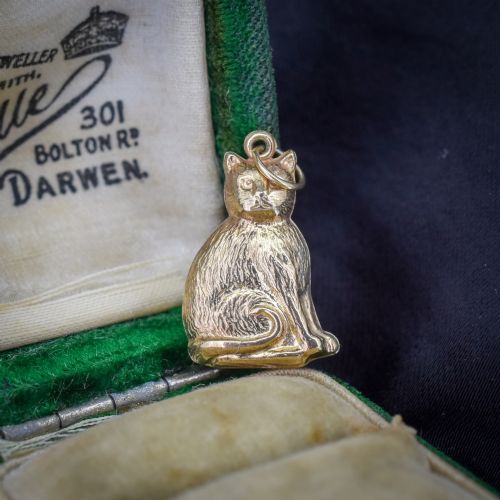
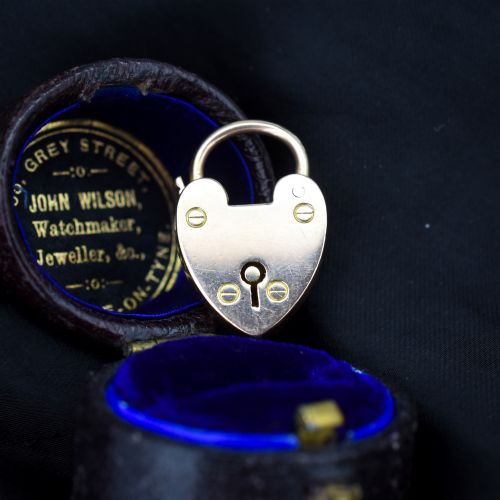
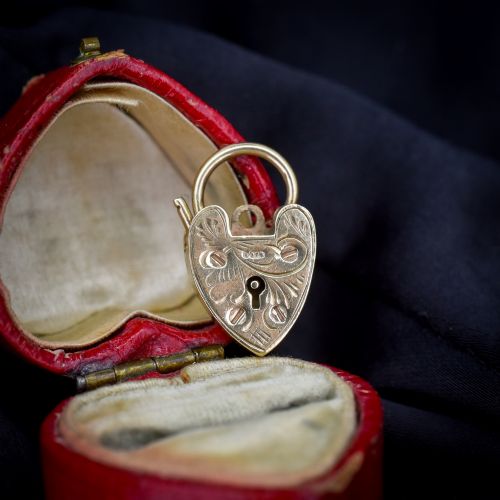
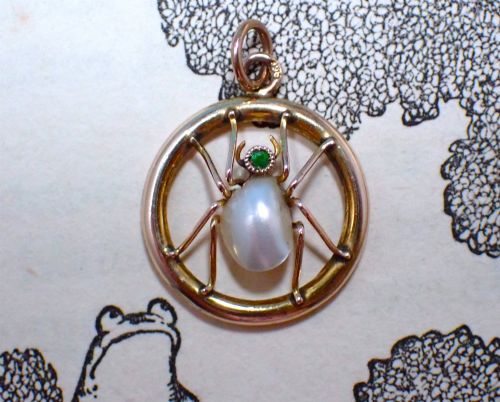
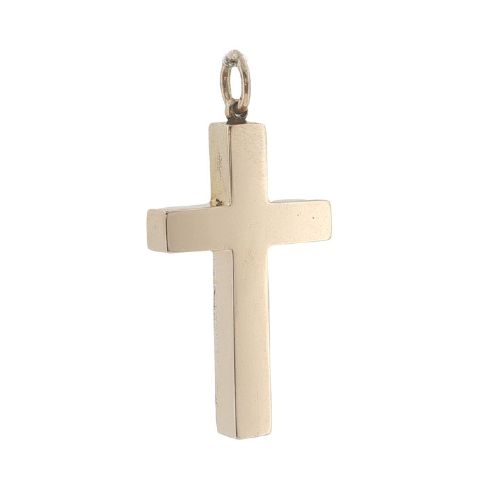
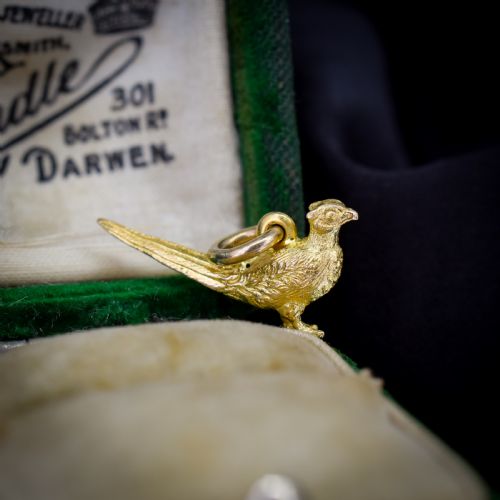
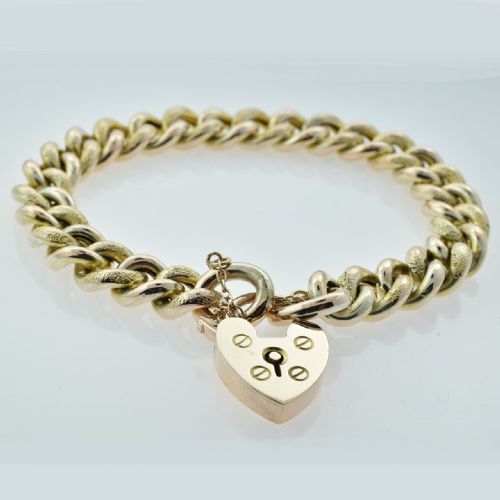
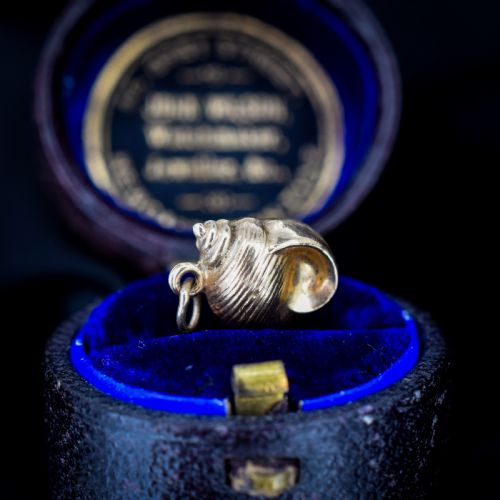
Most items take recognisable forms such as animals, engraved padlocks, crosses and seals. Bird and dog charms appear frequently alongside rotating spinners and hinged containers.
Victorian and Edwardian examples sit alongside 1950s and 1960s mid-century productions, demonstrating how jewellers maintained miniature craftsmanship across generations. Many pieces double as small pendants when removed from a link bracelet.
How they were made
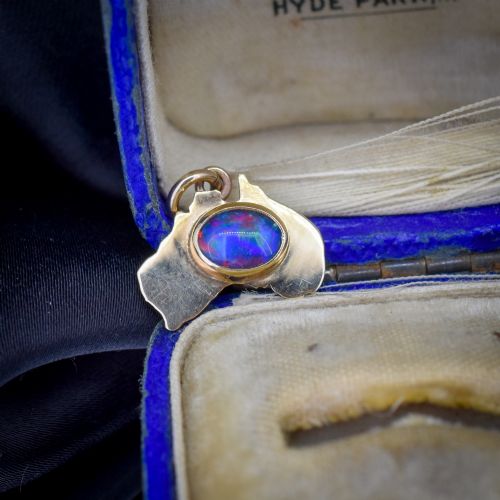
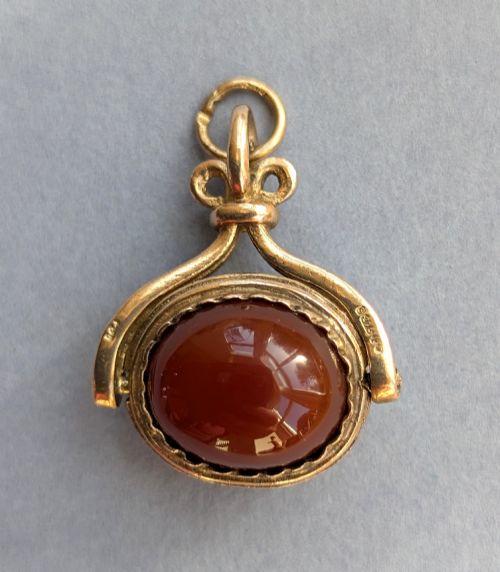
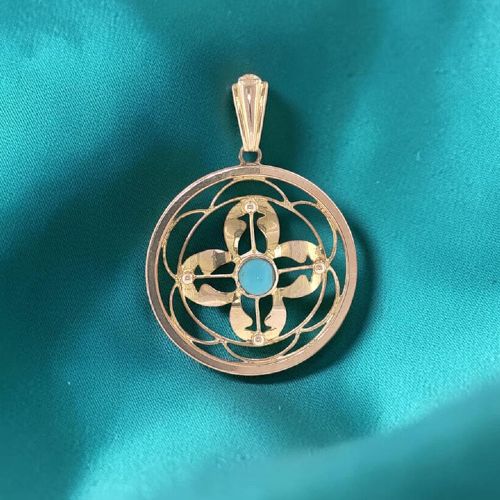
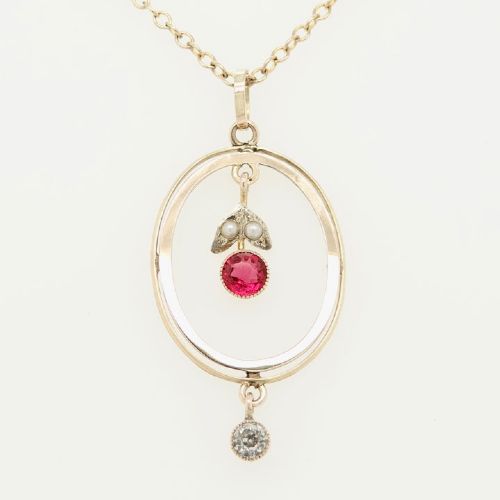
Maker workshops utilised nine-carat yellow gold, shaping metal through casting, stamping and hand-engraving. Artisans set small stones including pearls, diamonds, turquoise, rubies, carnelian and bloodstone directly into the metalwork.
Detailed animal charms feature chased fur or feathers, whilst enamel work adds colour to figures and hunting scenes. Padlock charms often include functioning springs and tiny keys or secure snap closures.
What varies in quality
Quality rests upon the crispness of the casting and the depth of hand-engraving across the gold surface. Heavy, solid items contrast with lighter stamped shells, changing how the piece moves on the wrist.
The choice of gem material also separates examples, with natural opal, diamond and turquoise elevating standard metal work. Maker marks and clear hallmarks provide definitive evidence of origin and period.
Deakin & Francis
The 9ct Yellow Gold Charm Glossary
- Padlock charm
- A miniature lock design used as a pendant or bracelet fastening. These items often feature engraved scrollwork or surface patterns.
- Fob seal
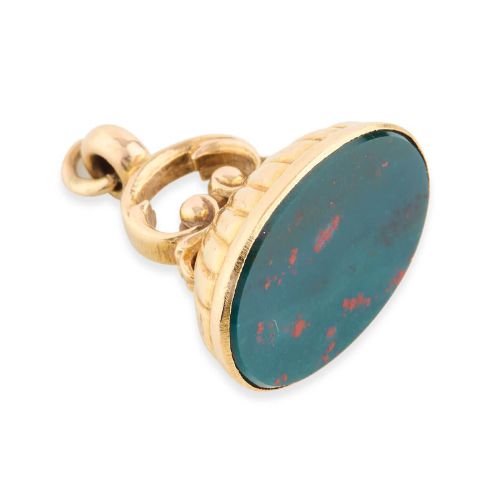
- A small stone or metal block bearing an intaglio carving for stamping wax. Jewellers mount carnelian and bloodstone into gold swivels.
- Enamel
- Coloured glass paste fused to metal under heat. Makers applied this technique to highlight details on animal and figural charms.
- Intaglio
- A design incised into the surface of a gemstone. Bloodstone and carnelian frequently display these carved crests or initials.
- Seed pearl
- A tiny natural or cultured pearl used in floral and cluster settings. Edwardian pieces incorporate these elements into delicate frames.
9ct Yellow Gold Charm: Frequently Asked Questions
How do I attach a charm to a bracelet?
Most items include a jump ring or split ring that loops directly over a bracelet link. A jeweller can solder this ring closed for permanent security.
Alternatively, many charms feature a small swivel clasp that opens and shuts by hand, allowing you to move the piece between chains easily.
Can these charms be worn on a necklace?
These pieces function equally well suspended from a delicate neck chain or suspended from a traditional link bracelet. Their miniature scale suits lightweight chains of matching gold.
Heavier padlock and seal charms sit well as standalone pendants, while smaller animal forms cluster nicely together.
How do I identify the age of a gold charm?
Hallmarks stamped into the gold provide the most reliable date, showing assay office symbols, maker marks and standard purity stamps. Birmingham and London marks appear frequently on British pieces.
Stylistic clues like Art Nouveau curves or mid-century textures also help narrow down the decade of manufacture.
Are these charms solid gold or hollow?
Construction varies between solid castings and hollow stamped shells depending on the specific era and design. Solid pieces offer greater weight and resistance to denting during daily wear.
Hollow examples provide a larger visual presence on the wrist without adding heavy physical weight to the chain.