



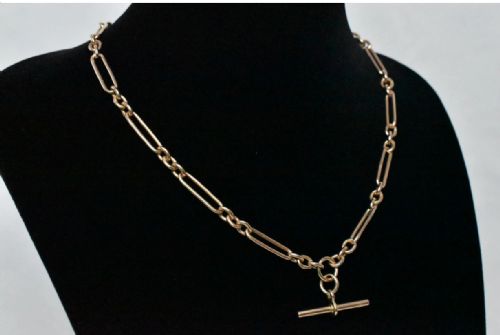


9ct Gold Pocket Watch Fob
A 9ct gold pocket watch fob is a solid metal pendant or swivel piece designed to hang from an Albert chain, bringing together Victorian, Edwardian, and mid-century goldsmithing.
9ct Gold Pocket Watch Fob
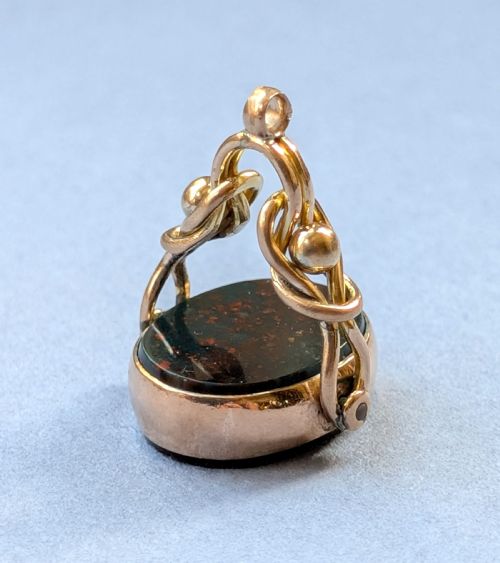
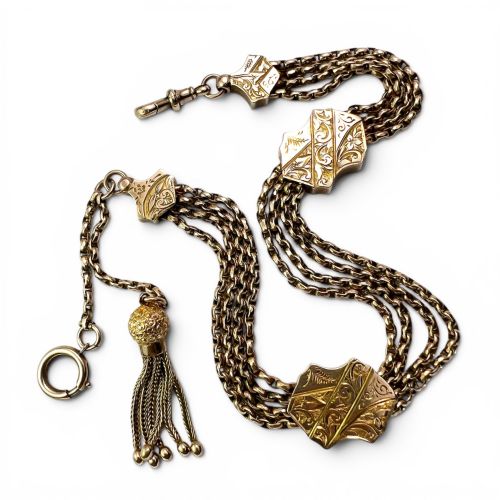
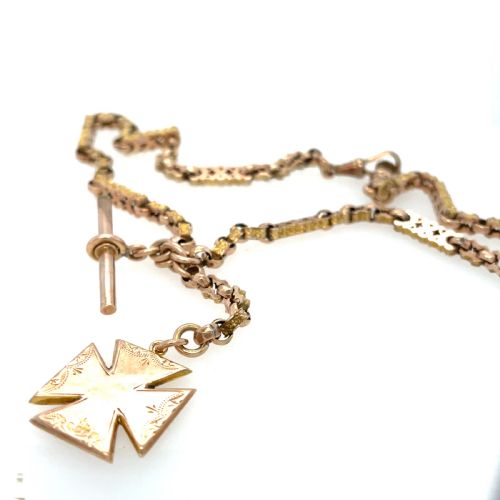
A 9ct gold pocket watch fob sits at the end of an Albert chain or watch chain, originally worn by gentlemen and ladies to secure and adorn their timepieces. When you search for a 9ct gold pocket watch fob, you encounter spinning fobs, signet seals, engraved medals, and travel purse watches.
The selections span Victorian, Edwardian, and 1920s periods, alongside mid-century pieces. You meet rose gold and yellow gold variants, often paired with swivel mechanisms or T-bars.
Many items incorporate bloodstone and carnelian panels, whilst others take the form of tennis medals or engraved signet seals bearing names like Ann.
Materials and construction
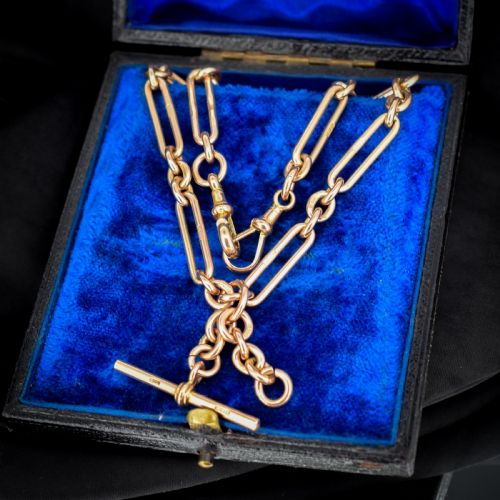
The pieces rely on 9ct gold, denoted as 375 gold in later vintage items, frequently cast or fabricated in rose and yellow tones. Goldsmiths utilised hollow stamping and solid casting techniques to form trombone links, dog clips, and intricate frames.
Stones such as bloodstone and carnelian were hand-cut and polished to fit snugly into swivel bezels or seal matrices. Engravers then applied hand-cut lettering, crests, and decorative motifs directly onto the metal or stone surfaces.
Listings span the Victorian, Edwardian, 1920s, and mid-century periods, incorporating bloodstone, carnelian, and 9ct rose or yellow gold.
Judging quality in 9ct gold watch fobs
Quality rests upon the crispness of the hand-engraving and the structural integrity of rotating mechanisms in spinning fobs. Superior examples display deep, sharp lettering and tight bezels that hold the bloodstone or carnelian securely without wobble.
The weight of the gold and the complexity of the link work, such as trombone chains with intact T-bars and dog clips, distinguish standard production pieces from finer artisan outputs. Hallmarks indicating assay offices like Chester or Birmingham add documentary clarity.
The 9ct Gold Pocket Watch Fob Glossary
- Spinning fob
- A pendant mounted on a central axis that rotates to reveal two different faces, commonly one side of carnelian and one of bloodstone.
- Signet seal
- A fob carved with initials, a crest, or a coat of arms intended for stamping hot wax. They often utilise hardstones like carnelian.
- T-bar
- The crossbar attached to an Albert chain that slides through a buttonhole to anchor the chain securely. It is frequently marked with 9ct gold standards.
- Half hunter
- A pocket watch case featuring a glass or open centre in the front cover, allowing the wearer to read the hands without opening the case entirely.
9ct Gold Pocket Watch Fob: Frequently Asked Questions
How do I wear a pocket watch fob today?
You can attach the fob to a short chain looped through a waistcoat or jacket buttonhole. Many people also wear them as pendants on modern neck chains.
Ensure the swivel clasp or spring ring is secure before fastening it to your chosen chain.
What is the difference between rose gold and yellow gold fobs?
Rose gold contains a higher proportion of copper alloyed with the gold, giving it a warm, reddish tint. Yellow gold balances copper with silver to maintain a traditional golden hue.
Both alloys meet the 9ct standard seen across Victorian and Edwardian items.
Can I use a vintage fob seal for wax stamping?
Yes, many Victorian and Edwardian fobs feature carved stone or metal matrices intended for sealing correspondence. Check that the stone is free from deep fractures before pressing it into hot wax.
Clean any old wax residue gently with a soft brush.
How do I identify the date of my gold fob?
Look closely at the metal for British hallmarks, which typically include a crown, the number 375 for 9ct gold, and an assay office letter indicating the year. Stylistic clues like Edwardian scrolling or Art Deco geometry also help narrow down the decade.