

9ct Gold Pin
A 9ct gold pin offers a wearable piece of history, combining durable metal with period gems to fasten lapels and cravats.
9ct Gold Pin
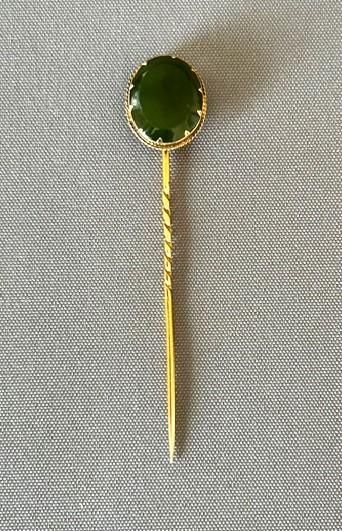
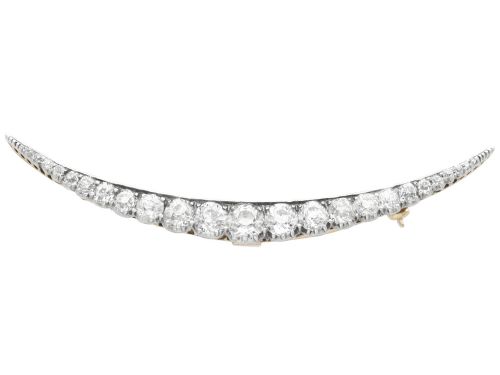
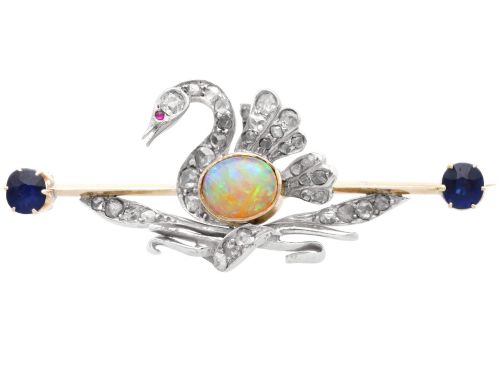
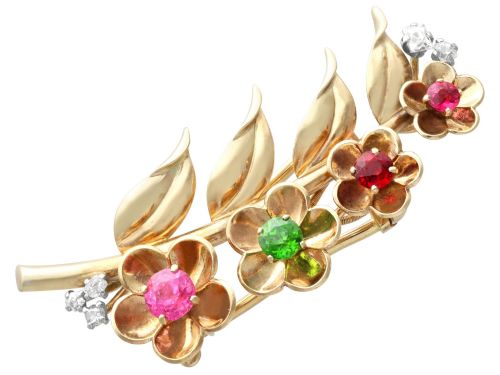
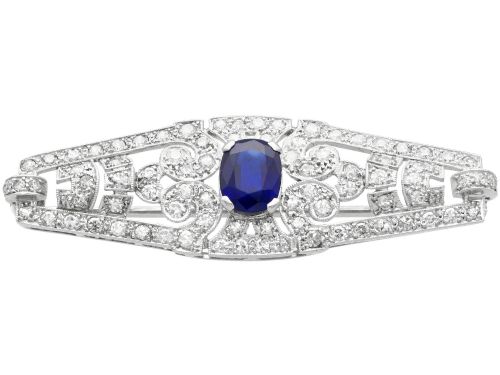
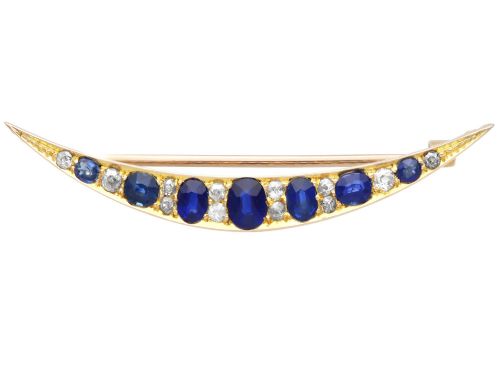
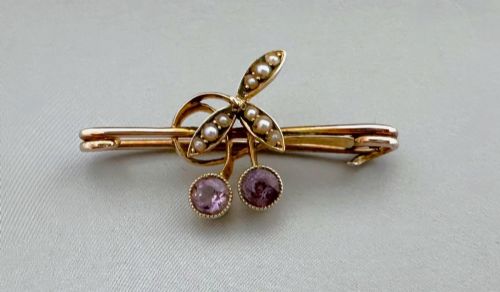
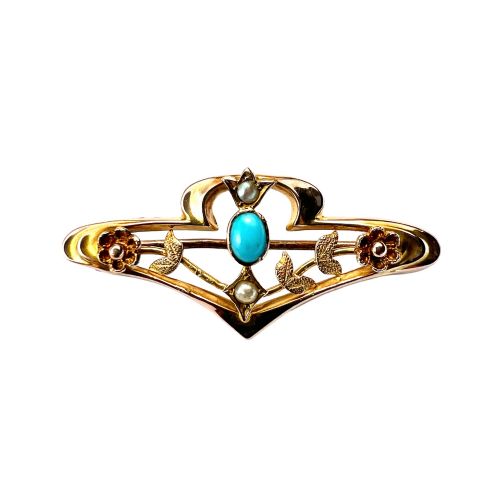
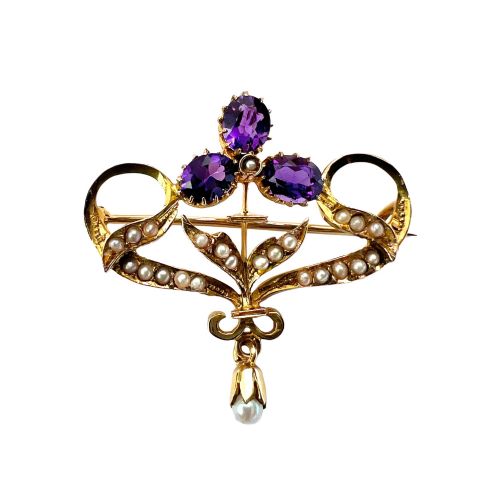
A 9ct gold pin encompasses a diverse assortment of brooches, stick pins, tie pins, and hat pins spanning the Georgian, Victorian, Edwardian, and mid-twentieth-century periods. These ornaments range from functional dress fasteners to decorative lapel statements shaped as crescents, insects, birds, and floral clusters.
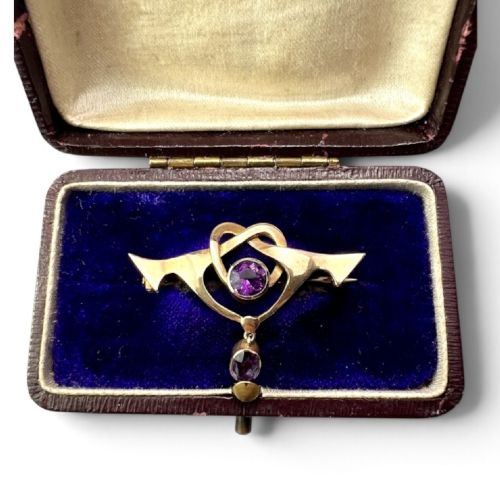
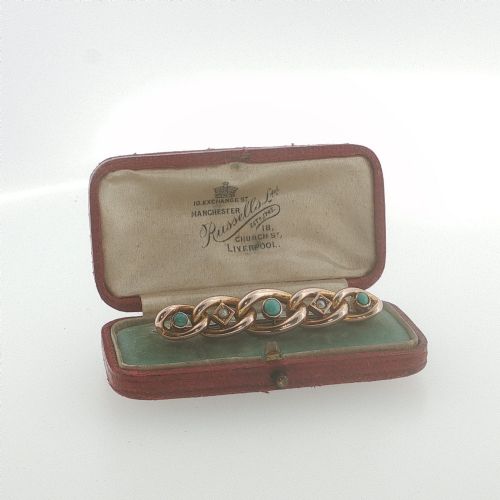
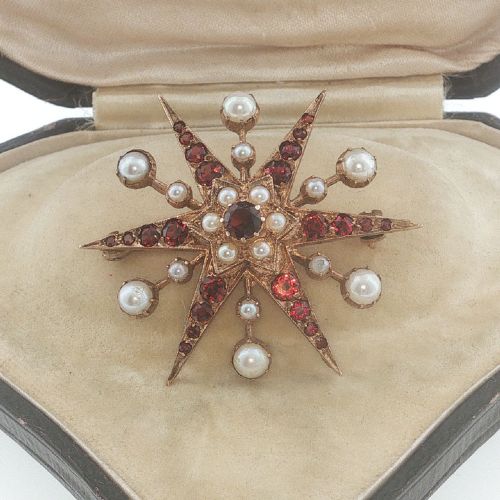
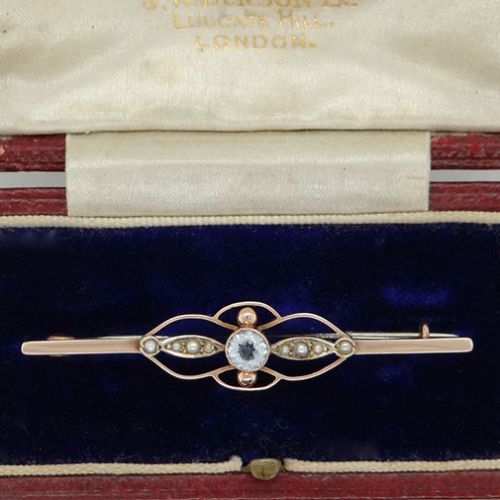
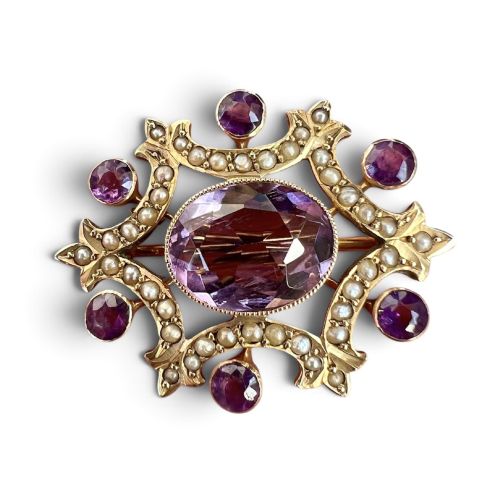
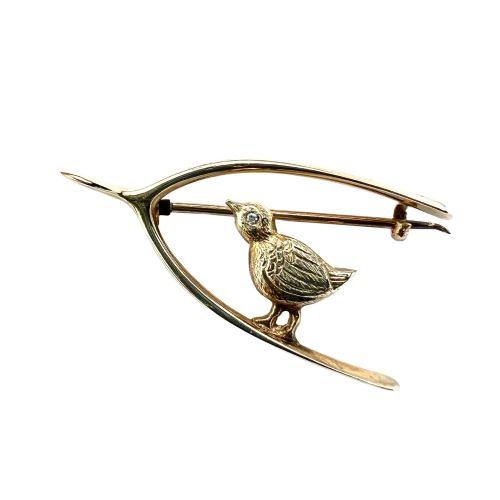
Edwardian and Victorian examples predominate on this page, frequently featuring seed pearls, amethysts, turquoise, and diamonds mounted in yellow or rose gold. Naturalistic motifs like swallows, dragonflies, and wishbones sit alongside geometric target brooches and Scottish hardstone designs.
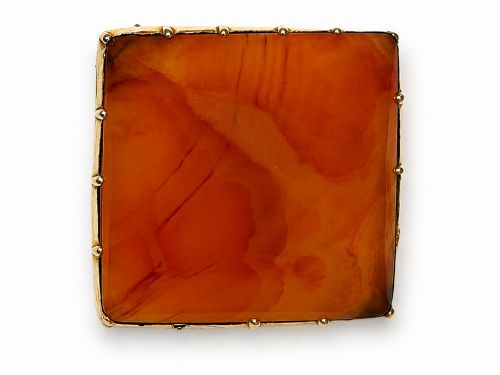
Stick pins and lapel pins appear alongside larger brooches, often incorporating spinning fobs, gemstones such as garnet and peridot, or micro-mosaics and cameos. Buyers encounter both delicate safety pin configurations and substantial bar brooches bearing hallmarks from assay offices like Chester and Edinburgh.
How they were made
Makers utilised nine-carat yellow, rose, and occasionally white gold to fabricate the structural frames, pin stems, and bezels of these ornaments. This alloy provided a durable yet workable foundation for detailed wirework, collet settings, and cast motifs.
Gems including seed pearls, diamonds, rubies, amethysts, and opals were secured using claw settings, star settings, or delicate seed pearl framing where tiny pearls are threaded on fine wire or glued over pins.
Techniques such as hand-engraving, repoussé, and cameo carving appear across the inventory, alongside applied granules and twisted wire filigree typical of Victorian revival and Art Nouveau aesthetics.
9ct Gold Pin Retail Price Guide 2026
Typical asking prices for 9ct gold pin among the pieces listed under this phrase on Sellingantiques today, from the lower quarter to the upper quarter. They describe what is for sale here now, not the wider market.
Listings feature nine-carat gold pins from the Georgian, Victorian, and Edwardian eras alongside mid-twentieth-century examples set with diamonds, amethysts, opals, and seed pearls.
What varies in quality
The degree of hand-finishing and artistic execution separates standard production items from finer workshop pieces. Superior examples display crisp chasing on metal elements, secure and even stone setting, and well-matched natural pearls or gemstones without surface disruption.
The complexity of design and the integration of multiple gem species influence the tier of the piece. Multi-stone configurations featuring substantial diamonds, rubies, or opals combined with intricate thematic elements like figural insects or botanical sprays indicate higher original manufacture costs.
Charles Horner
The 9ct Gold Pin Glossary
- 9ct Gold
- An alloy consisting of 37.5 percent pure gold mixed with base metals such as silver and copper to increase durability. It provides the characteristic warm yellow or rose hue seen in these pins.
- Seed Pearl
- A very small, naturally occurring or cultured pearl, typically under two millimetres in diameter. These are frequently clustered or used to outline floral and crescent motifs in Edwardian jewellery.
- Stick Pin
- A long pin with a decorative terminal head, originally designed to secure cravats, scarves, or lapels. The pin stem is often fitted with a safety cap or clutch.
- Cameo
- A gemstone, shell, or hardstone carved in relief to create a raised design against a contrasting background. Classical subjects and profile portraits are common in Victorian examples.
- Bar Brooch
- A narrow, elongated horizontal brooch pin structure. They often feature a central cluster, gemstone, or motif mounted on a slender gold bar.
9ct Gold Pin: Frequently Asked Questions
How do I wear a antique stick pin?
Stick pins can secure lapels, scarves, ties, and hats by pushing the long stem through the fabric and securing the point with a fitted guard at the reverse.
Ensure the fabric is woven closely enough to support the metal weight without stretching or tearing the threads.
What is a suffragette brooch?
These are period pieces featuring specific colour combinations associated with the women's suffrage movement, typically incorporating green, white, and violet stones.
Common combinations seen in these colourways include peridot, seed pearls, and amethysts set in nine-carat gold.
How can I tell an Edwardian pin from a Victorian one?
Victorian pieces often display heavier metalwork, darker gold tones, and denser stone groupings like garnet clusters or shell cameos. Edwardian items frequently favour lighter platinum-on-gold techniques, openwork filigree, and airy garland motifs featuring seed pearls and diamonds.
Assay marks and hallmarks can also narrow down the exact decade of manufacture.
How should I clean my nine-carat gold jewellery?
Use warm water with a mild dish soap and a very soft brush to gently remove surface oils from the gold and hard gemstones. Avoid harsh chemical dips, as delicate seed pearls and softer stones like opals or turquoise are porous and easily damaged by moisture and abrasives.