






9ct Gold Carnelian Jewellery
These 9ct gold carnelian jewellery pieces range from Georgian intaglio rings to Edwardian spinning fobs, offering distinct historical character for daily wear.
9ct Gold Carnelian Jewellery
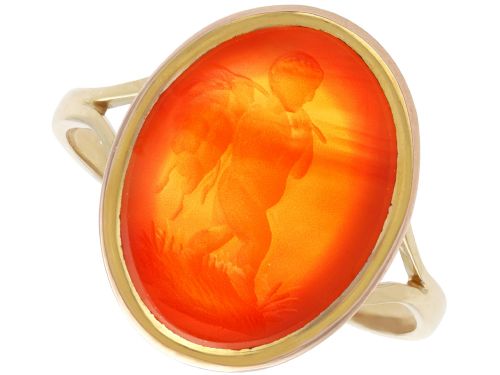
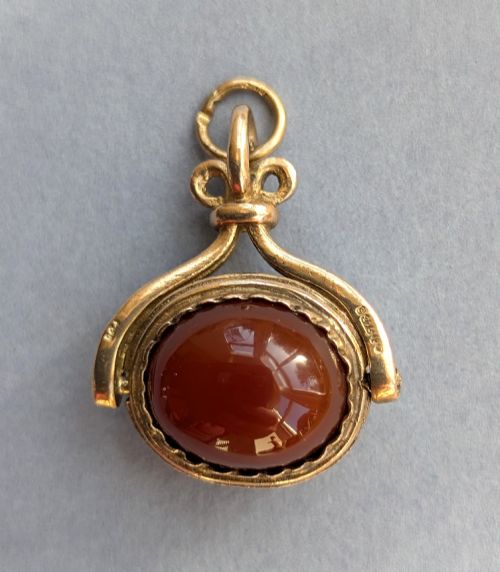
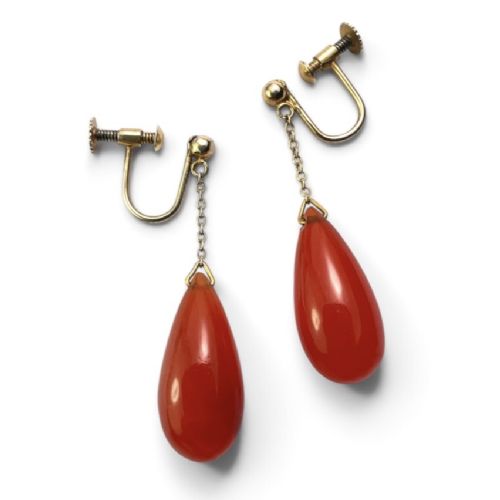
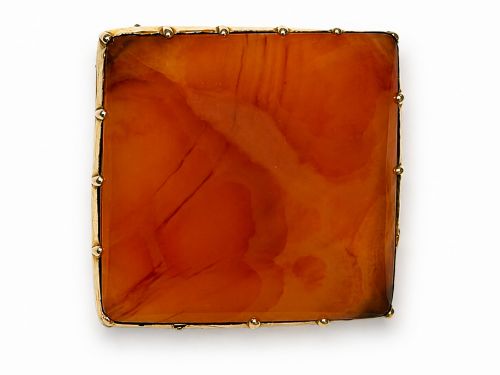
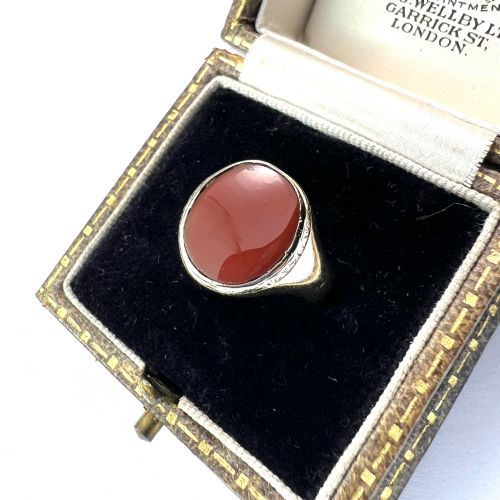
When you search for 9ct gold carnelian jewellery, you encounter a concentrated selection of historic wearable items spanning from the eighteenth century through the Edwardian period and into the nineteen-twenties. These pieces primarily manifest as spinning fobs, signet seal fobs, rings, drop earrings, brooches, charm bracelets, and drop necklaces.
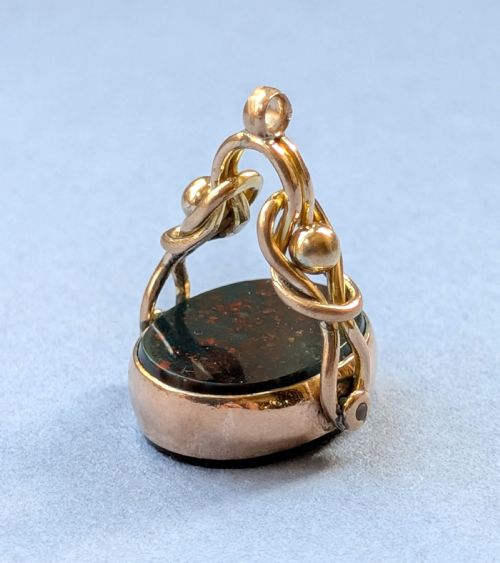
The most common forms you meet on this page are fob pendants and rings, often featuring swivel mechanisms or engraved intaglios. They bridge the gap between functional Victorian or Georgian gentleman's accessories and wearable ornaments for modern collections.
The materials paired with the central stones include yellow gold and rose gold, frequently accompanied by bloodstone, rock crystal, and general agate varieties. Their origins stretch from Georgian workshops to Edwardian jewellers, preserving centuries of lapidary work.
Materials and construction
The metalwork relies on nine-carat gold, utilised in both yellow and rose shades to form the settings, bezels, and chains of rings, brooches, and fobs. This alloy provides the structural durability needed for items subjected to regular handling, such as spinning seals.
The stones themselves consist of natural carnelian, red agate, and banded agate, shaped into flat tablets, polished spheres, and carved intaglios. Lapidaries cut and polished these chalcedony varieties by hand to fit tightly within secure gold collets.
Specialised mechanisms such as swivel mounts allow spinning fobs to rotate within their outer frames, demonstrating precise mechanical fitting alongside traditional stone setting techniques.
9ct Gold Carnelian Jewellery Retail Price Guide 2026
Typical asking prices for 9ct gold carnelian jewellery among the pieces listed under this phrase on Sellingantiques today, from the lower quarter to the upper quarter. They describe what is for sale here now, not the wider market.
Someone named Ann left her mark permanently sealed in stone on a Victorian fob long before anyone thought to measure it in carats.
Gradations in quality
Quality rests significantly on the depth and clarity of the hand-carved intaglio work found upon signet seals and spinning fobs. Sharply defined portraits, crests, or monograms carved into the carnelian distinguish superior lapidary execution from plain or worn polished stones.
The weight and integrity of the nine-carat gold mountings also differentiate pieces, particularly where heavy swivels or intricate gallery work endure on rings and charm bracelets. Substantial gold gauge ensures long-term structural survival of bezels and prongs.
The 9ct Gold Carnelian Jewellery Glossary
- Carnelian
- A brownish-red variety of the silica mineral chalcedony, used for centuries in signet rings and seals. It takes a high polish and accepts intaglio engraving cleanly.
- Fob
- A short chain, ribbon, or pendant attached to a pocket watch, though many survive independently as charms or necklaces. They frequently incorporate rotating seal stones.
- Intaglio
- A design carved into the surface of a gem so that an impression may be pressed from it in wax. This technique appears widely on Georgian and Victorian signet rings and fobs.
- Spinning fob
- A pendant mounted on a central axis within a metal frame, allowing the wearer to rotate the stone to reveal different faces or seals. They are characteristic of the Victorian and Edwardian periods.
- Hardstone
- A term encompassing semi-precious stones such as carnelian, agate, and bloodstone used in jewellery and decorative objects. Scottish hardstone jewellery often groups these varied coloured quartzes together.
9ct Gold Carnelian Jewellery: Frequently Asked Questions
What is 9ct gold carnelian jewellery?
These items are historic ornaments and accessories fashioned from nine-carat yellow or rose gold combined with red carnelian and related agates. They encompass rings, brooches, earrings, necklaces, and functional fobs.
Most pieces date from the Georgian, Victorian, and Edwardian eras, reflecting the prevailing lapidary and metalworking styles of those centuries.
How were spinning fobs used?
Original owners attached these items to pocket watch chains to dangle from waistcoat pockets. The rotating stone allowed the wearer to display different faces or act as a functional wax seal for correspondence.
Today, they are frequently removed from watch chains and worn as pendants on modern or period necklaces.
How can I tell the period of a piece?
Dating relies on the manufacturing techniques, gold colour, and stylistic markers specific to each era. Georgian items often display hand-beveled closed backs, while Victorian and Edwardian examples introduce standardised nine-carat hallmarks and distinct swivel mechanisms.
Intaglio subjects, such as Roman emperors or specific monogram scripts, also point directly to the prevailing tastes of the nineteenth and early twentieth centuries.
Can I wear these rings every day?
Nine-carat gold provides a durable metal structure suitable for regular wear, and chalcedony is a hard stone that resists everyday scratching. However, antique rings require mindful care around water and harsh impacts to protect the ancient gold settings and hand-carved stones.
Checking the security of the stone within its collet helps ensure the piece remains intact through modern use.