


9 Carat Yellow Gold
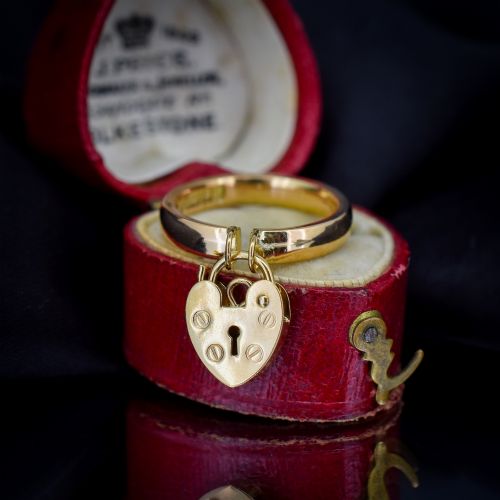
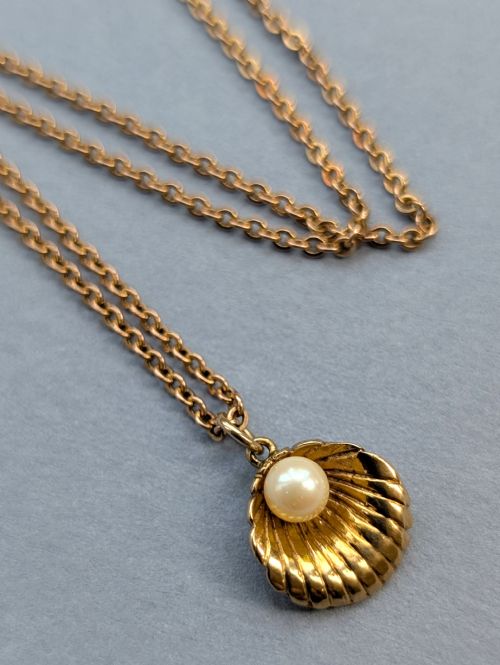
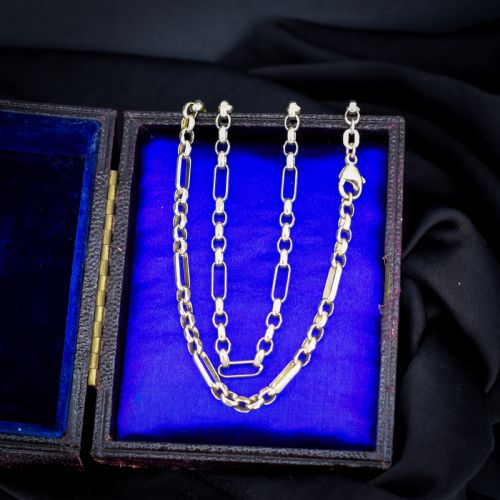
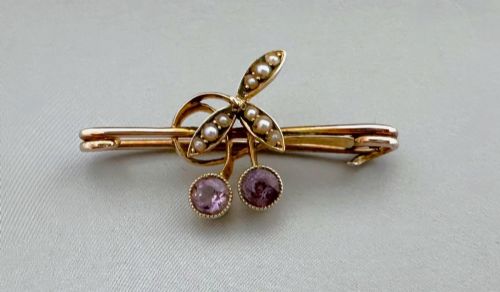
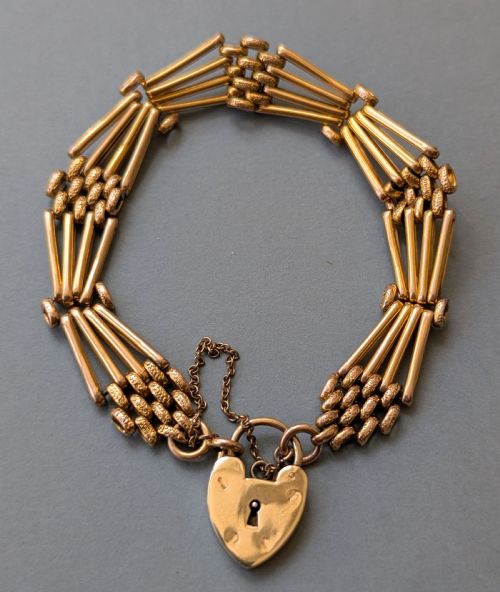
When you search for 9 carat yellow gold, you uncover a diverse selection of rings, bangles and necklaces spanning multiple historic periods.
9 Carat Yellow Gold
The phrase 9 carat yellow gold brings together items created from a durable alloy containing a specific proportion of pure gold combined with other metals to achieve a warm colour. You will encounter these pieces across a wide timeframe, from Victorian items and Edwardian designs through to mid-century modern examples.
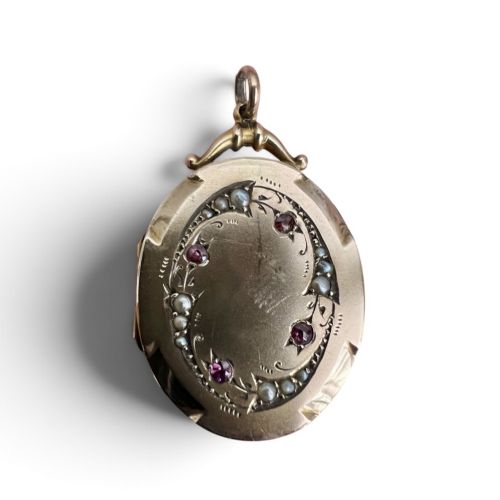
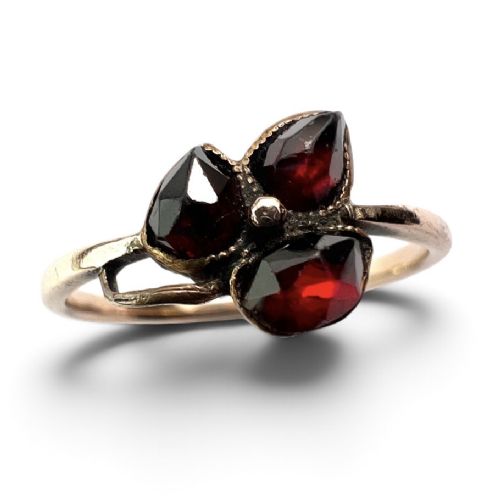
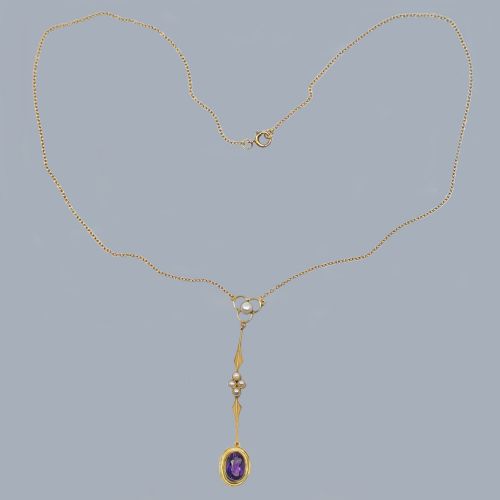
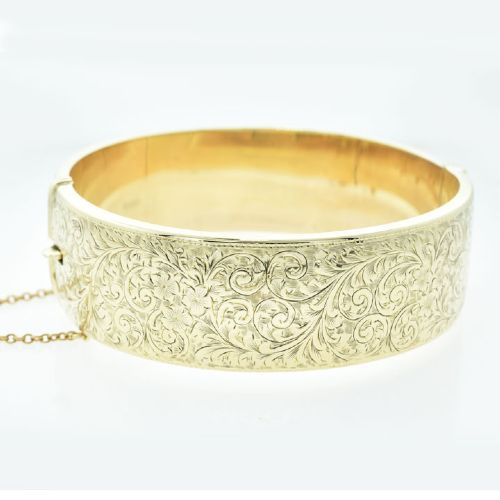
The selection on this page includes rings, bangles, necklaces, earrings, lockets and pendants. Many of these wearable items incorporate gemstones such as diamonds, rubies, sapphires, emeralds, garnets, amethysts, pearls and opals.
You are most likely to meet rings and pendants spanning the nineteenth century up to the mid-twentieth century. These objects demonstrate the shifting aesthetic preferences of makers working in traditional British styles and Etruscan revival designs.
Materials and construction
Items associated with this search are fashioned primarily from precious metals, with 9ct gold forming the structural base of bands, chains and settings. Workshops also utilised 15ct gold, 18ct gold, platinum and silver alongside the dominant yellow gold alloy.
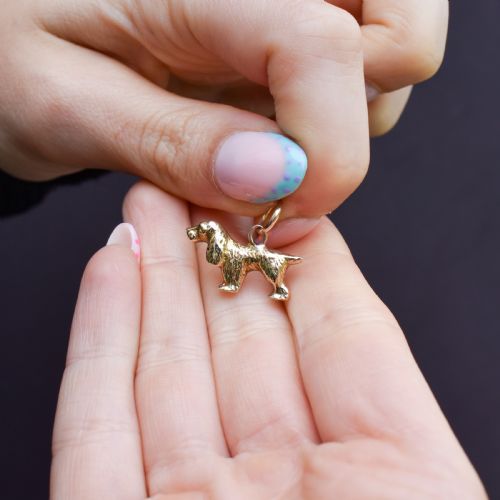
Gemstones are integrated through various techniques, including cluster settings, starburst Gypsy rings, solitaire mounts and three-stone trilogy arrangements. Artisans additionally employed engraving and patterned band construction to decorate lockets, crosses and dog clip charms.
Listings feature items spanning the Victorian era through the 1960s, constructed in yellow gold, platinum, and silver with diamonds and sapphires.
Evaluating quality and craftsmanship
Quality in these pieces rests upon the precision of the metalwork and the integrity of the stone settings. Master goldsmiths achieved refined proportions and secure claw or flush settings that hold diamonds and coloured stones firmly within the gold framework.
The weight of the object and the clarity of hallmarks add tangible evidence of superior manufacture. Substantial gauge chains, robust bangles and crisp engravings distinguish the finest examples from lighter, purely utilitarian productions.
George Edward Frodsham·Smith and Pepper·Kutchinsky
The 9 Carat Yellow Gold Glossary
- 9ct Gold
- An alloy composed of 37.5 percent pure gold mixed with base metals for increased durability. This composition provides the characteristic warm yellow tone seen in historic rings and chains.
- Gypsy Ring
- A style where gemstones are flush-set directly into a heavy, tapering band. This design became popular in the late nineteenth and early twentieth centuries for everyday wear.
- Dog Clip
- A spring-loaded swivel clasp commonly found on antique watch chains and necklaces. It allows the secure attachment of pendants, charms or pocket watches.
- Mizpah
- A sentimental jewel exchanged between people separated by distance or time. These pieces often feature an inscription derived from biblical text and take the form of bands or brooches.
- Old Cut Diamond
- A hand-faceted diamond cut before modern machine precision was established. These stones typically feature smaller tables, higher crowns and open culets that catch candlelight warmly.
9 Carat Yellow Gold: Frequently Asked Questions
What periods do these pieces represent?
The items span from the nineteenth century and the Victorian era through Edwardian times and the 1930s up to the mid-century period. Each era brings distinct stylistic touches to the goldwork and gemstone arrangements.
Makers across these decades utilised traditional British methods, resulting in a rich variety of rings, chains and decorative pendants.
How do I care for 9 carat gold jewellery?
Maintain your items by cleaning them gently with mild soapy water and a soft cloth to remove everyday oils. Avoid harsh chemical dips, particularly if the piece contains softer organic gems like pearls or opals.
Store items individually in soft pouches to prevent scratching between the gold surfaces and mounted diamonds or coloured stones.
What gemstones accompany the gold?
These jewels frequently incorporate diamonds, rubies, sapphires, emeralds, amethysts, garnets and opals alongside seed pearls. Stones appear as single solitaires, three-stone arrangements or larger clustered designs.
Gemstones were selected by period artisans to contrast with the warm hue of the surrounding yellow metal mount.
How can I identify the age of a piece?
Look for hallmarks stamped into the metal, which often record assay office locations, date letters and purity standards like 9ct. Stylistic clues such as Etruscan revival motifs or Art Deco geometries also point towards specific decades of manufacture.
Comparing the setting techniques and fastener styles, such as dog clips or safety chains, helps narrow down the historical period.