
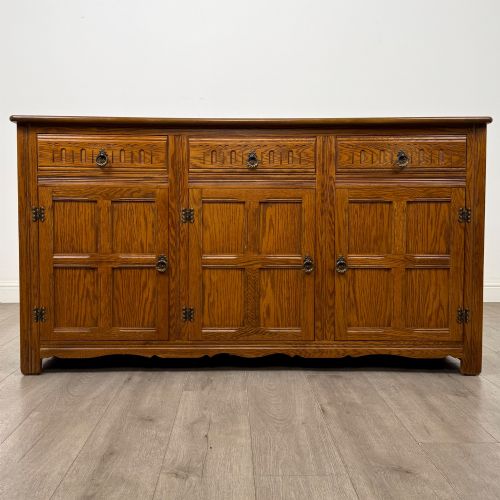
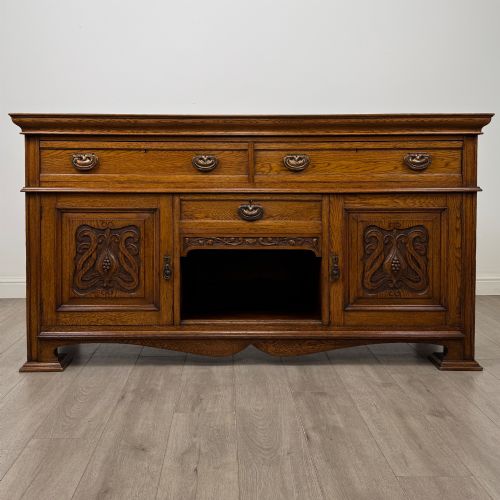
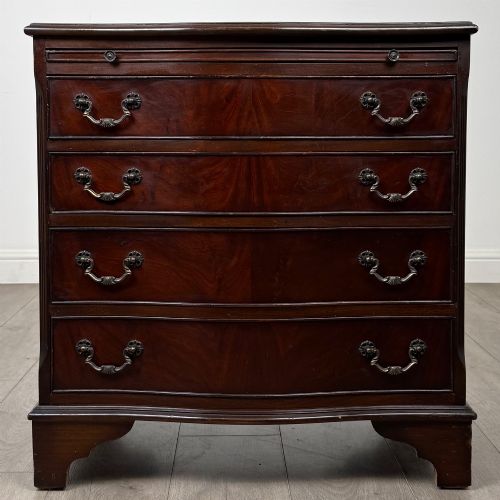
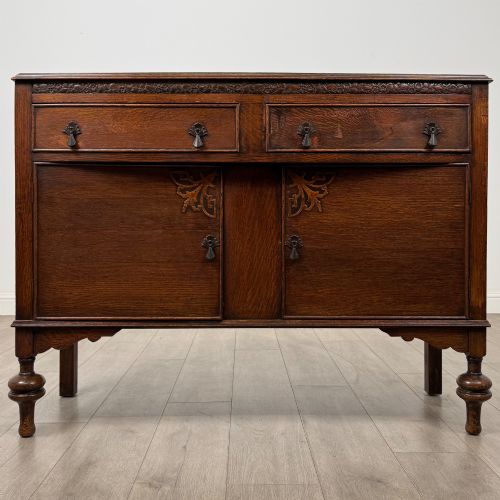
20th Century Sideboard
A 20th century sideboard anchors a dining room with practical storage and enduring presence, bringing traditional craftsmanship into daily use.
20th Century Sideboard
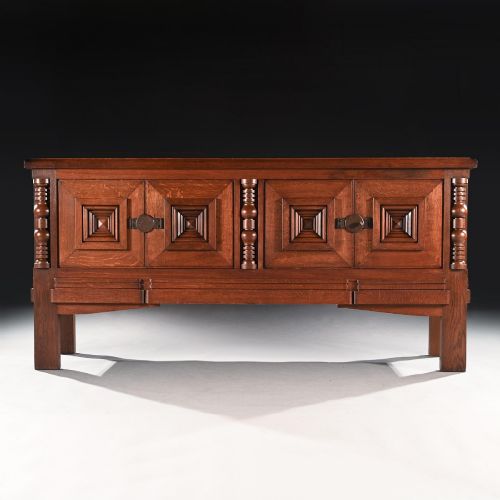
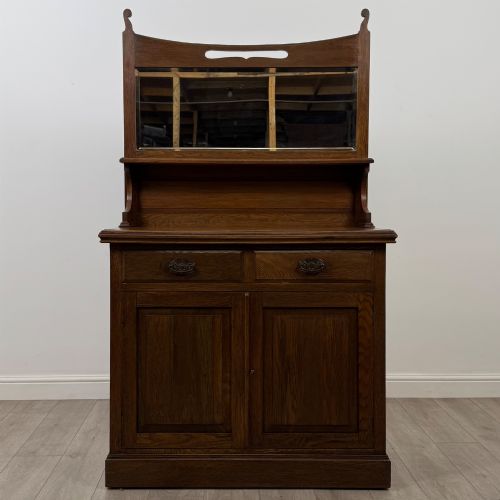
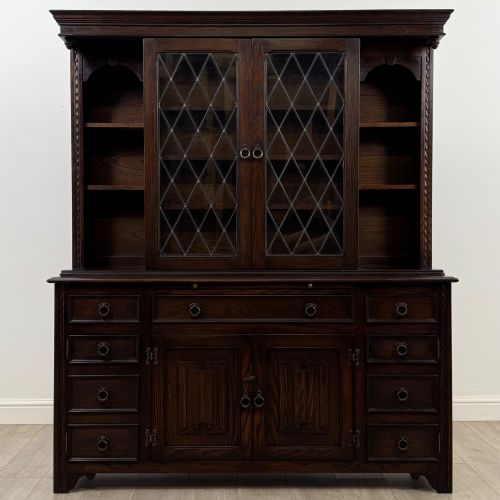
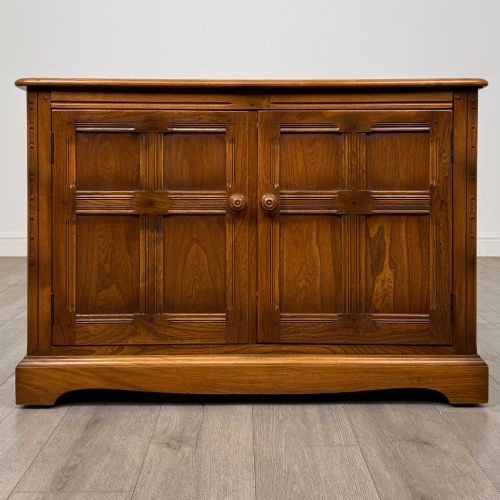
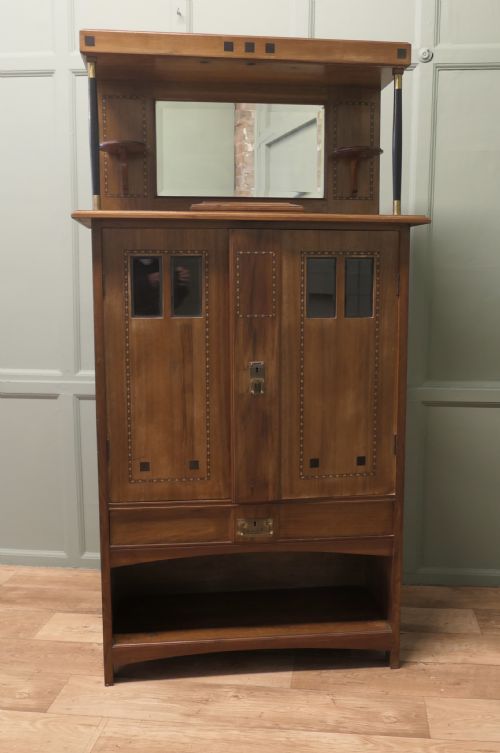
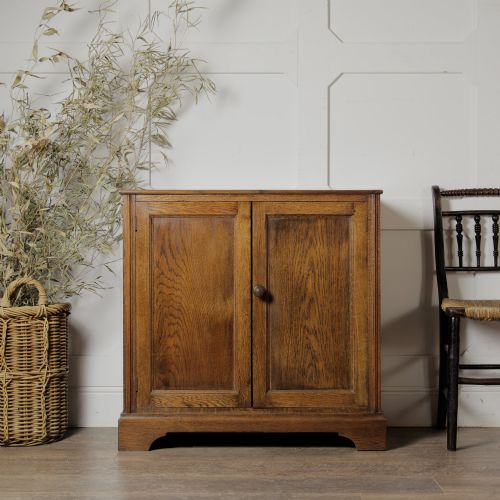
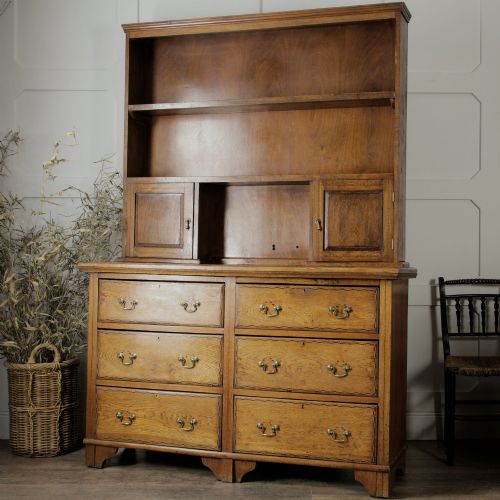
A 20th century sideboard provides essential storage for dining rooms, combining cupboards, drawers and serving surfaces into a single piece of furniture. These items range from sturdy dining room servers to larger Welsh dressers featuring plate racks.
The Edwardian period dominates the selection, bringing substantial timber construction and period detailing into everyday utility. Buyers encounter various regional interpretations, from farmhouse pine to formal mahogany breakfront designs.
Makers of the era drew upon traditional forms, producing pieces in oak, walnut and mahogany that suited contemporary domestic life. Sideboards from this period bridge Victorian mass production and the cleaner lines of later decades.
Materials and construction methods
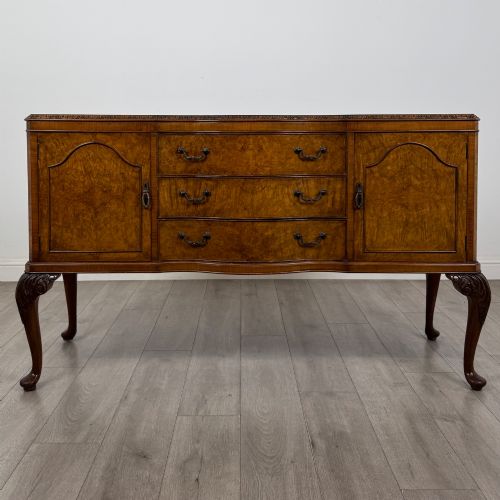
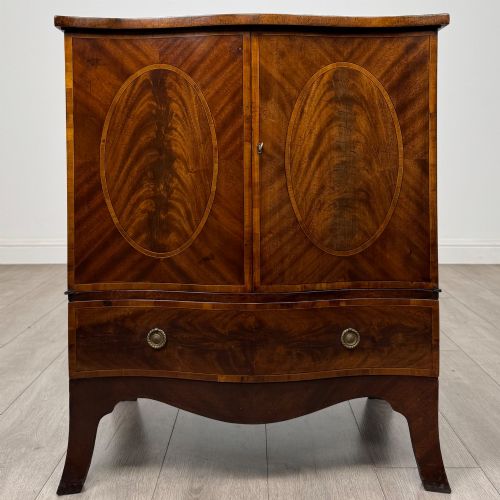
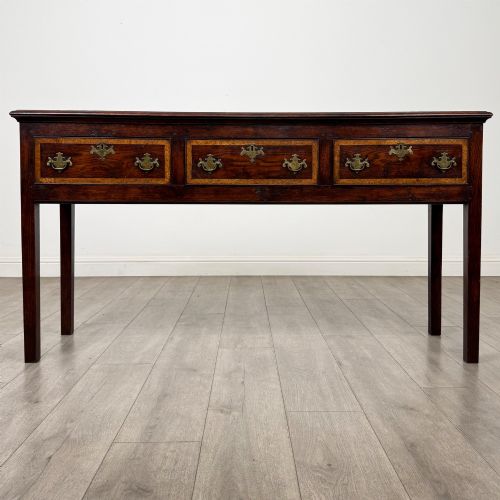
Cabinet makers utilised solid hardwoods such as oak, mahogany and walnut for the primary carcass and framing. Figured veneers and burr walnut frequently covered door panels and drawer fronts to display striking grain patterns.
Joinery techniques relied on dovetailed drawers and panelled construction to ensure durability over decades of domestic service. Brass handles, hinges and iron mounts provided functional hardware that often defined the decorative character of the piece.
A daring splash of red or black lacquer occasionally breaks up the sea of brown wood, courtesy of unexpected Chinoiserie cupboards.
Distinguishing quality in period sideboards
The choice of timber heavily dictates the grade of the piece, with figured burr walnut and quarter-sawn oak representing finer selections compared to standard utility woods. Select items display careful matching of wood grain across multiple drawers and cabinet doors.
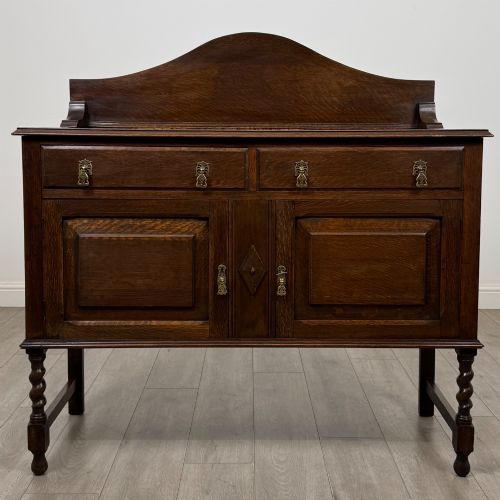
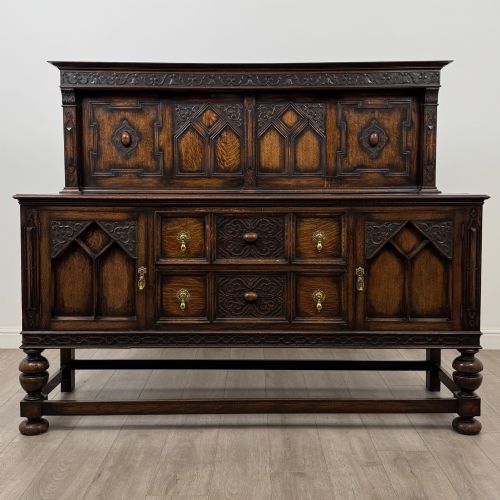
Carved ornamentation and decorative details reveal the hand of skilled artisans rather than routine factory output. Heavy mouldings, applied panels and integral barley twist legs reflect higher standards of construction and design ambition.
The 20th Century Sideboard Glossary
- Breakfront
- A cabinet design where the central section projects forward from the flanking cupboards or drawers. This architectural feature creates visual depth and breaks up the linear mass of a large sideboard.
- Court cupboard
- A traditional enclosed cupboard featuring recessed upper tiers supported by short columns. These pieces often display heavy geometric carving and deep cornices characteristic of revival styles.
- Welsh dresser
- A dual-purpose piece combining a lower base of cupboards and drawers with an open plate rack on top. They provide prominent display space for ceramics alongside concealed lower storage.
- Serpentine
- A front contour that curves outward in the middle and inward towards the ends in a continuous sweep. This shaping requires precise carpentry and sophisticated timber selection.
- Linenfold
- A style of wood carving that mimics the appearance of folded fabric, commonly seen on panelled cupboard doors. It became particularly popular during revivalist periods imitating Tudor craftsmanship.
- Barley twist
- A turned wooden column or leg carved in a continuous spiral resembling a twisted rope. This decorative motif appears frequently on table supports and uprights of the period.
20th Century Sideboard: Frequently Asked Questions
What is a 20th century sideboard used for?
These pieces serve primarily as dining room storage units for cutlery, table linen and serving dishes. The flat top surface also functions as a staging area during meals or a display space for decorative objects.
In modern interiors, buyers adapt them for use in hallways or living spaces to house media equipment and household items while introducing period character.
How do I identify an Edwardian sideboard?
Edwardian sideboards typically feature solid oak or mahogany construction with decorative elements drawn from earlier historical styles. Look for characteristic brass hardware, panelled doors, and occasional carved detailing such as linenfold or geometric motifs.
They often combine deep drawers with generous lower cupboards, reflecting the domestic storage requirements of the early 1900s.
What woods were used in these sideboards?
Oak remains the most common timber found across these listings, appearing in golden honey tones as well as darker waxed finishes. Mahogany and walnut also feature prominently, particularly in formal dining room furniture.
Selected pieces incorporate burr walnut veneers for dramatic grain patterns on drawer fronts, while pine serves as the primary material for utility and farmhouse variants.
How do I care for a wood sideboard?
Maintain the timber by applying a quality beeswax periodically to nourish the surface and preserve the natural grain. Avoid placing wooden furniture in direct sunlight or near heat sources to prevent the wood from drying and splitting.
Clean surfaces with a soft, dry cloth and avoid using harsh chemical sprays that can strip traditional wax or polish finishes.