



20th Century Seating
These pieces of 20th century seating offer a diverse mix of period forms and functional designs that anchor a room with character.
20th Century Seating
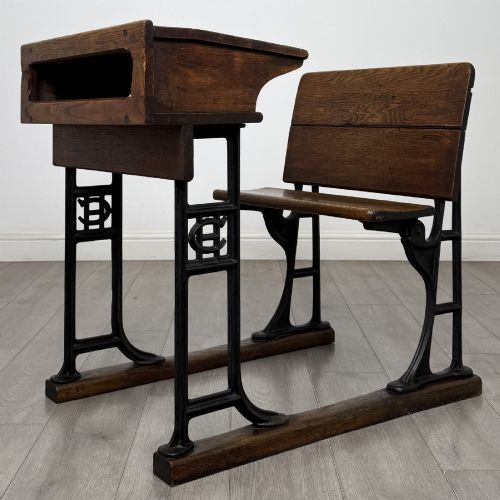
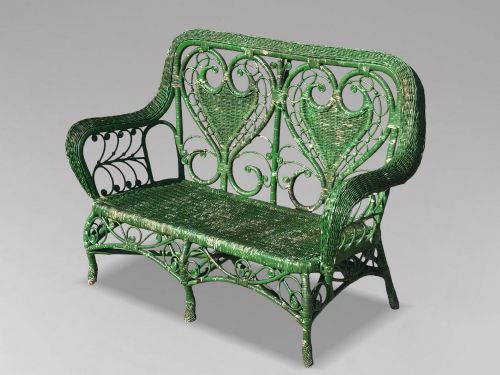
When you search for 20th century seating, you encounter a broad spectrum of domestic and industrial forms spanning multiple decades. The selection includes dining chairs, armchairs, office chairs, stools, benches, and larger seating like sofas and day beds. These items reflect the shifting domestic and workspace requirements of the era.
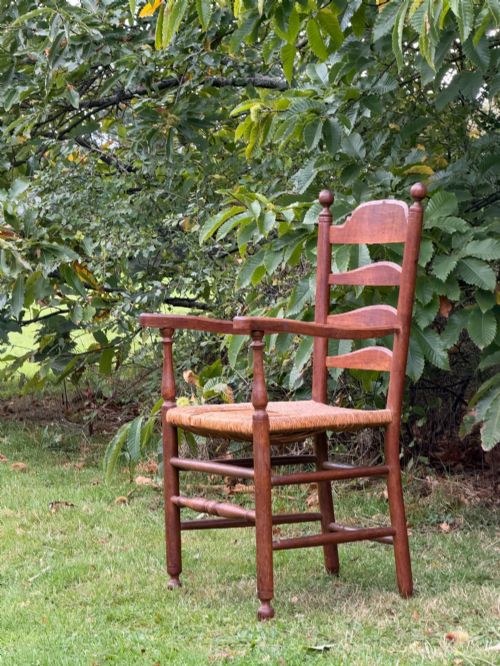
The objects originate from various design traditions, ranging from utilitarian industrial workshop pieces to revivalist dining suites and Arts and Crafts creations. You frequently meet sturdy oak and elm constructions alongside refined mahogany revival pieces and upholstered country house armchairs. Each item serves a distinct functional role while carrying the aesthetic markers of its specific decade of production.
Materials and Construction
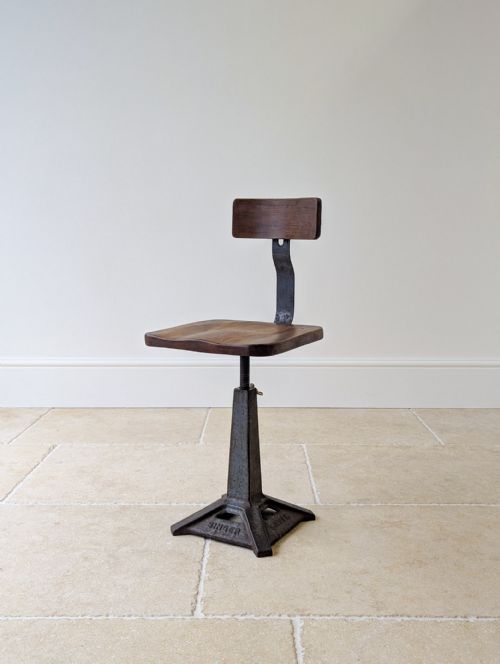
Makers utilised a combination of traditional solid timbers such as oak, mahogany, elm, and general timber alongside industrial elements like cast iron, brass, and steel. Wood elements often feature carved details, turned components, or bentwood techniques, while metal sections provide robust support in office and workshop chairs.
Upholstery and finishing materials include leather, fabric, giltwood, and brass studs. Frames are joined using period techniques appropriate to the style, ensuring structural endurance whether the piece is a farmhouse Windsor chair, a swivel desk chair, or a cushioned parlour sofa.
20th Century Seating Retail Price Guide 2026
Typical asking prices for 20th century seating among the pieces listed under this phrase on Sellingantiques today, from the lower quarter to the upper quarter. They describe what is for sale here now, not the wider market.
Materials appearing across the inventory include solid oak, mahogany, elm, leather, cast iron, and brass.
Craftsmanship and Proportion
Quality in these items rests on the integrity of the construction and the selection of materials. Superior pieces display thoughtful joinery, well-proportioned frames, and enduring timber selection that holds up to daily use without losing structural stability.
The refinement of the surface finish and the retention of original elements, such as brass studs or period leather upholstery, distinguish better examples from more standard or heavily altered alternatives.
Singer·Dinco·Evertaut·Heals·Thebe·Coalbrookdale
The 20th Century Seating Glossary
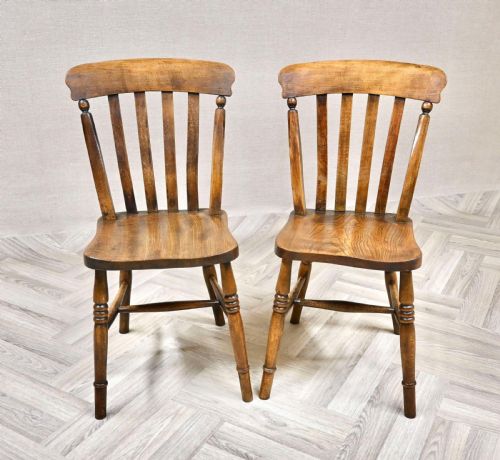
- Windsor chair
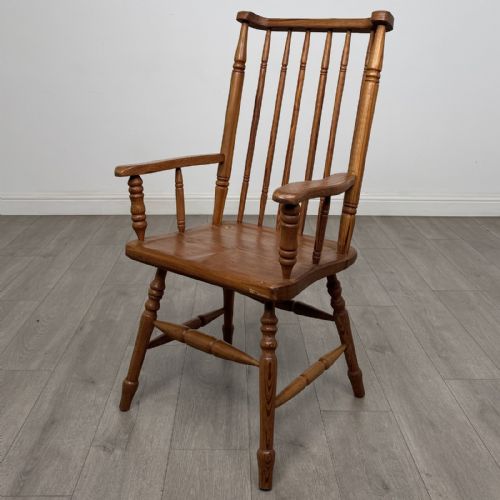
- A wooden chair built with a solid carved wooden seat into which the back and legs are wedged. These chairs often feature shaped bows and turned spindles for back support.
- Swivel desk chair
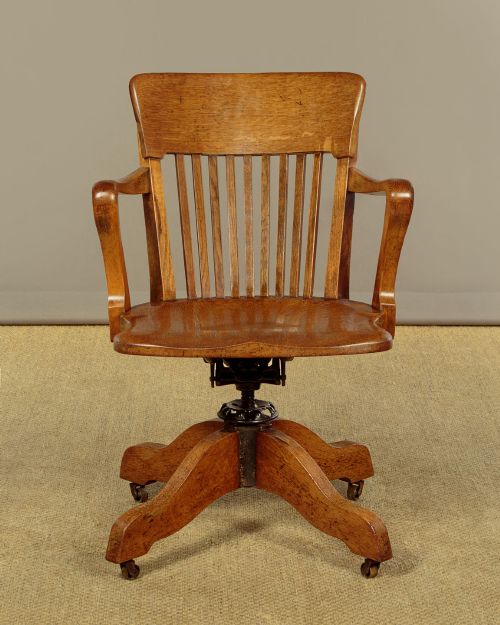
- An office chair mounted on a revolving base, often incorporating adjustable height mechanisms and timber frames suitable for working environments.
- Cockpen chair
- A Chinese Chippendale style chair characterised by a lattice-work open back and straight legs. This form brings a distinct geometric aesthetic to dining or occasional seating.
- Gainsborough chair
- A wide, open armchair with upholstered arms, seat, and back, standing on short legs. These chairs date back in style to the Georgian era but saw revivals throughout the period.
- Bentwood
- A technique where strips of wood are steamed and bent into curved shapes. This method creates lightweight, resilient frames for chairs and armchairs.
20th Century Seating: Frequently Asked Questions
How do I identify a workshop chair?
Industrial workshop chairs typically combine cast iron or steel frames with wooden seats and adjustable mechanical components.
They are built for durability and utility, often bearing manufacturer marks or evidence of heavy workplace usage.
Are dining chairs sold individually or in sets?
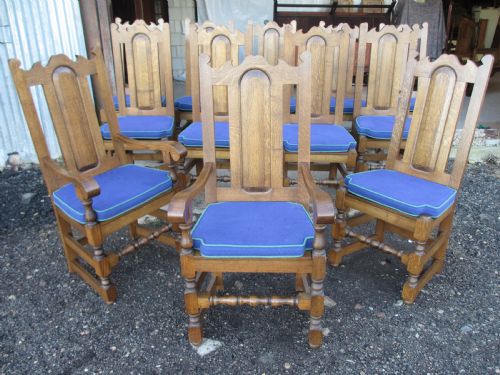
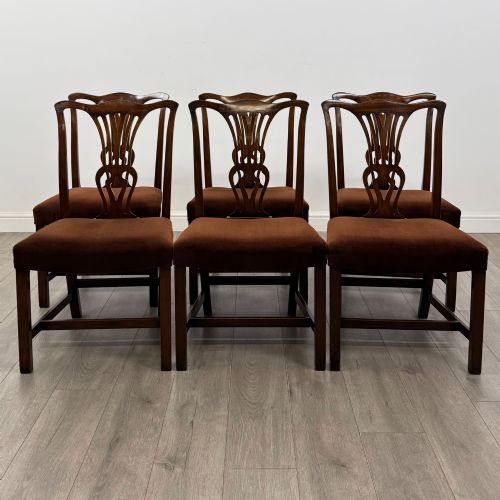
Dining chairs appear both as single pieces and in matched sets of varying sizes, such as sets of six, eight, or ten.
Sets frequently include a mix of standard chairs and carvers with arms for the table ends.
What is a smoker's bow armchair?
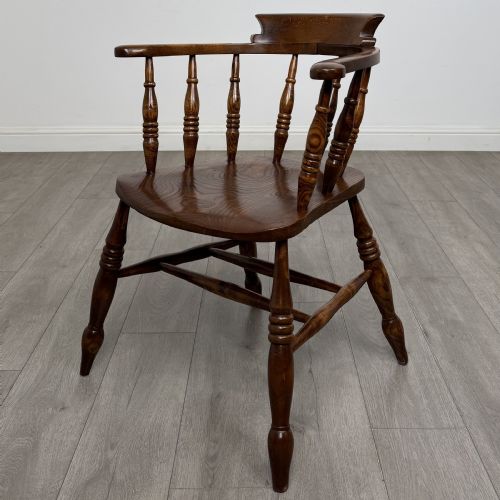
A smoker's bow is a sturdy wooden armchair with a low back and a rounded spindle rail above the arms.
It relates to the Windsor tradition and was commonly used in smoking rooms, pubs, and farmhouse kitchens.
How should I care for leather upholstery?
Leather surfaces benefit from regular dusting and occasional treatment with appropriate conditioning balms to maintain flexibility.
Keep these pieces away from direct sunlight and excessive heat sources to prevent drying and cracking.