






20th Century Rug
When buying a 20th century rug, you select from hand-woven woollen carpets, embroidered textiles and tribal flatweaves spanning diverse regional traditions.
20th Century Rug
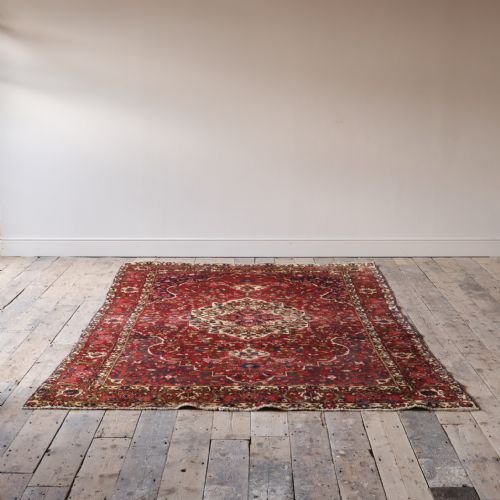
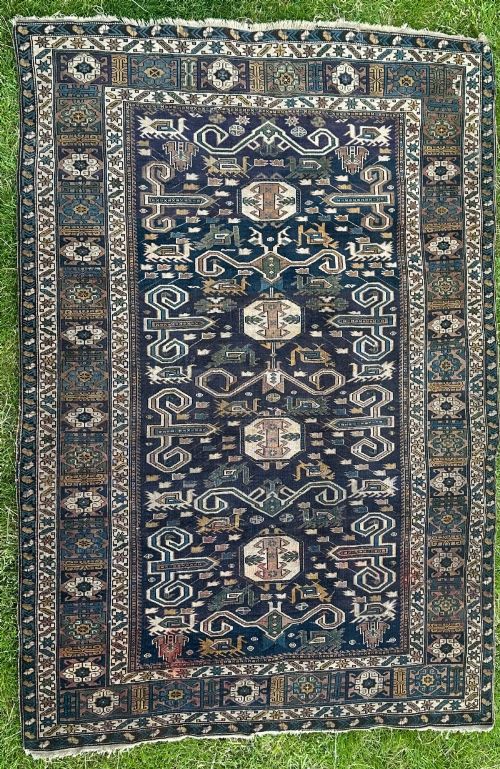
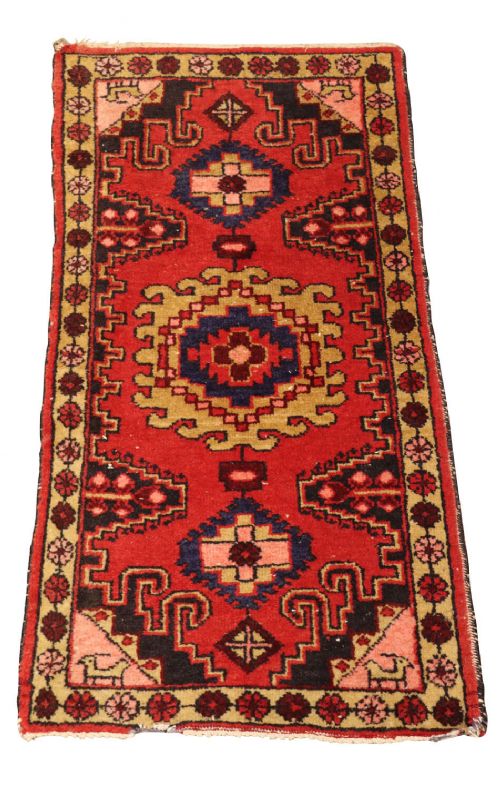
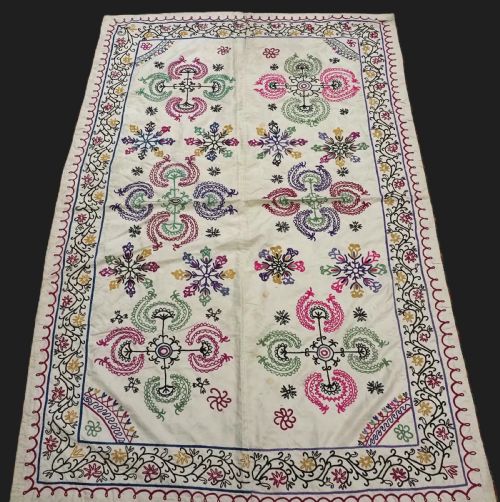
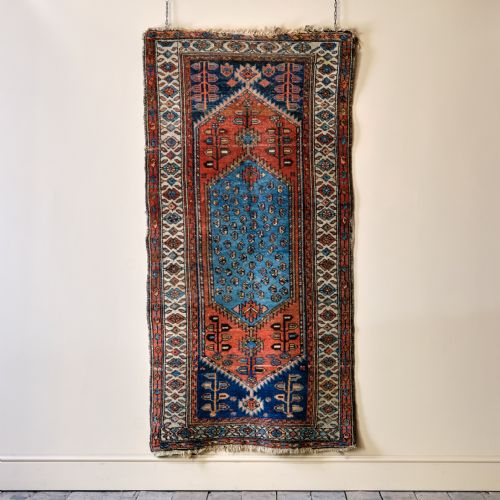
A 20th century rug search encompasses hand-knotted roomsize carpets, smaller tribal scatter rugs, flat-woven kilims and embroidered suzanis originating from Persian, Caucasian, Central Asian and Anatolian workshops. You will encounter traditional Persian formats alongside nomadic Turkmen and Baluch tribal pieces, Afghan runners, and Chinese carpets created during the opening decades of the century.
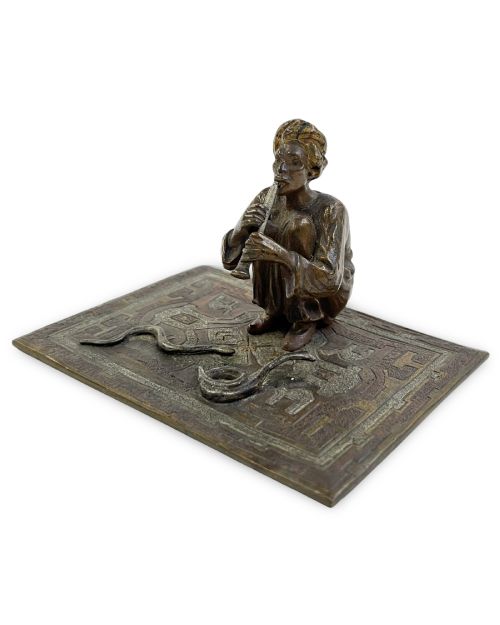
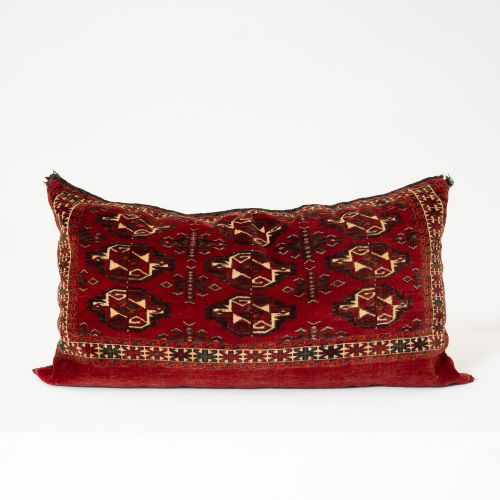
The selection also includes Scandinavian rya textiles and regional weaves carrying specific village or tribal attributions such as Heriz, Kashan, Saroukh and Shirvan. While floor coverings dominate, related domestic textiles including cushions, pillows and blanket boxes appear alongside distinct sculptural works.
Materials and construction methods
The physical fabric relies principally on wool, cotton and silk utilised for pile knots, foundation warps and wefts. Hand-knotted examples employ dense woollen piles tied onto cotton or wool foundations, whereas flat-woven kilims and suzanis showcase intricate needlework and embroidery on cotton or adras silk-cotton grounds.
Makers constructed these floor coverings and textiles using traditional hand-weaving and hand-knotting techniques specific to their region of origin. Artisans also employed specialised dyeing methods to achieve the characteristic palettes found across Persian, Caucasian and Central Asian workshops.
20th Century Rug Retail Price Guide 2026
Typical asking prices for 20th century rug among the pieces listed under this phrase on Sellingantiques today, from the lower quarter to the upper quarter. They describe what is for sale here now, not the wider market.
Materials across these listings include wool, cotton, silk, cold-painted bronze, adras and linen.
Factors determining quality
Knot density and structural integrity dictate the baseline standard of a hand-knotted carpet or rug. Finer weaves with tightly packed knots support more intricate, precise geometric or floral motifs and demonstrate superior durability over looser village or tribal structures.
Material selection and dye quality further differentiate examples across the range. The use of lustrous wool, pure silk foundations, and balanced harmonious colour combinations elevates certain pieces above standard utilitarian floor coverings.
Franz Xaver Bergman·Franz Bergman·Tuduc
The 20th Century Rug Glossary
- Kilim
- A flat-woven carpet or rug produced without a pile. These textiles are made by tightly interweaving warp and weft strands to create smooth, pattern-rich surfaces.
- Suzani
- A type of embroidered tribal textile originating from Central Asia. They feature silk needlework executed on cotton, linen or adras grounds, frequently displaying large floral roundels.
- Pile
- The upright yarn loops or cut ends that form the soft upper surface of a carpet. Density and height vary significantly between nomadic and city-workshop examples.
- Gul
- A medallion or repeating octagonal motif traditional to Turkmen and Central Asian tribal weaving. These designs often indicate specific tribal lineages and regional origins.
- Warp
- The vertical foundation threads stretched lengthwise on a loom before weaving begins. Wefts are subsequently passed horizontally through these stationary strands.
20th Century Rug: Frequently Asked Questions
How do I identify a tribal rug?
Tribal rugs typically display geometric motifs, repeating guls, and asymmetric village designs rooted in nomadic traditions rather than formal city workshops.
They often incorporate local wool types and distinct colour palettes reflecting the specific region of production.
What is the difference between a kilim and a carpet?
Carpets feature a thick, raised pile created by individual knots tied to a foundation, whereas kilims are entirely flat-woven without any pile.
This structural difference affects both the texture underfoot and the traditional method of manufacture.
How should I care for an antique textile?
Protect antique rugs and suzanis from direct sunlight to prevent colour fading, and use appropriate underlays to reduce friction against hard floors.
Regular gentle vacuuming without a rotating brush helps remove embedded dust without damaging delicate fibres.
Where were these woven?
The pieces originate from traditional weaving centres across Persia, the Caucasus, Anatolia, Central Asia, China and Scandinavia.
Each geographic area developed distinct regional styles, material choices, and weaving techniques passed down through generations.