

20th Century Lamps
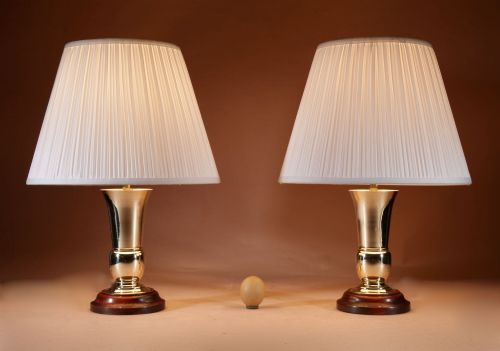
These 20th century lamps bring period illumination and tactile weight to a room through solid brass, carved wood and cut glass.
20th Century Lamps
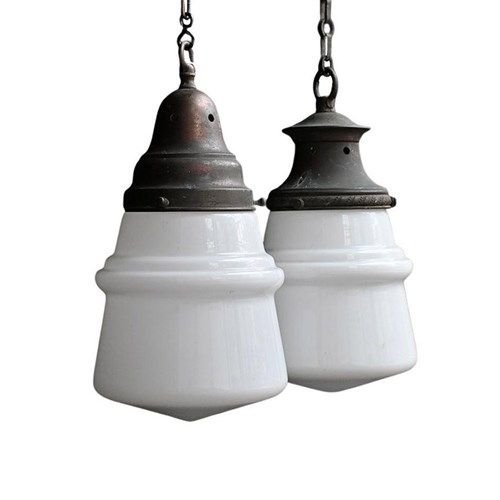
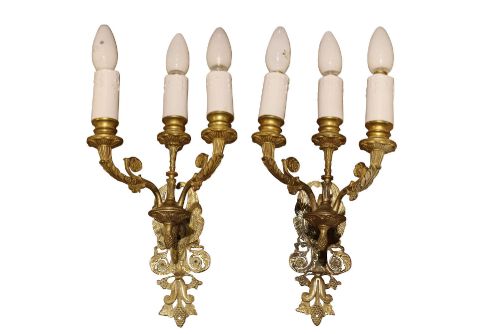
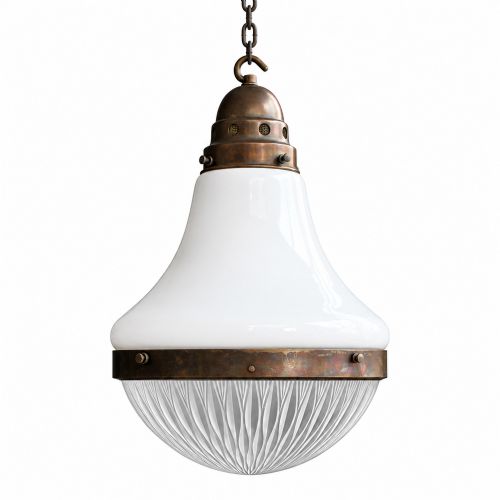
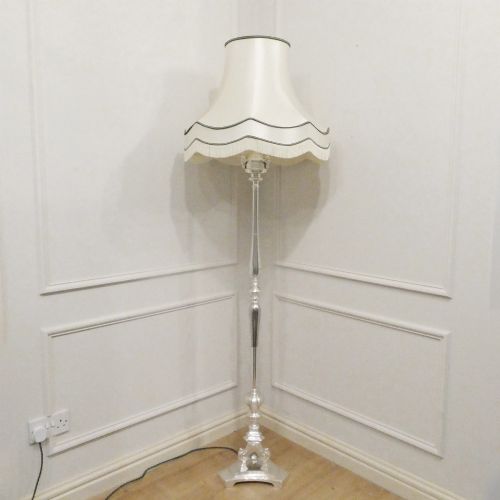
When you search for 20th century lamps, you encounter a diverse range of lighting fixtures spanning multiple decades, aesthetic movements and domestic functions. The selection encompasses table lamps, floor lamps, chandeliers, desk lamps, pendant lights and outdoor post lanterns originating from various European workshops.
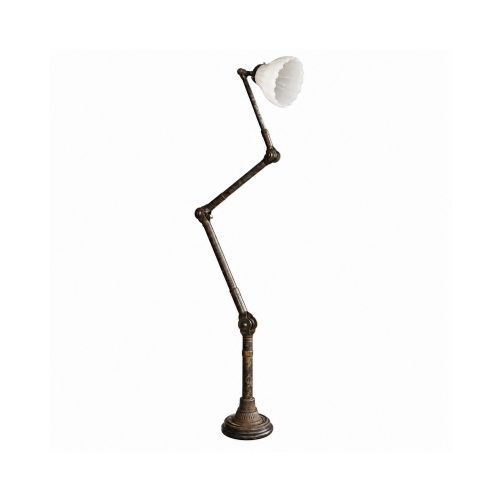
The pieces on this page heavily feature examples from the Edwardian period and the decades immediately following, reflecting the transition from late Victorian production into early industrial and revivalist designs. Alongside standard upright table lamps, the inventory includes specialised forms such as adjustable brass Pullman lamps and articulated metal workshop lights.
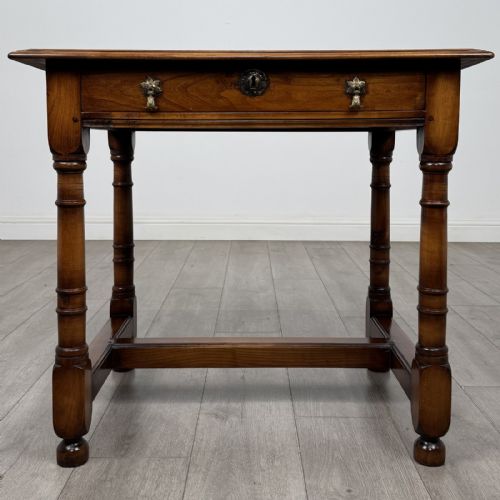
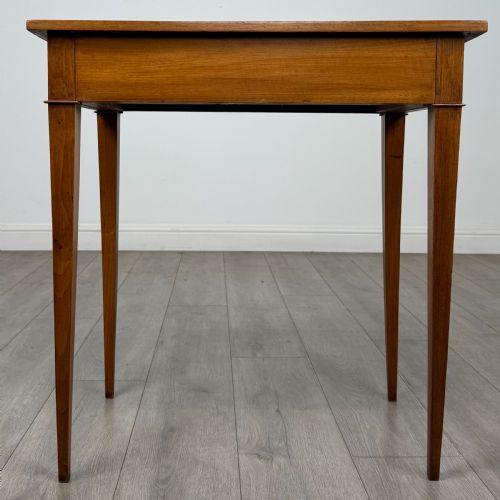
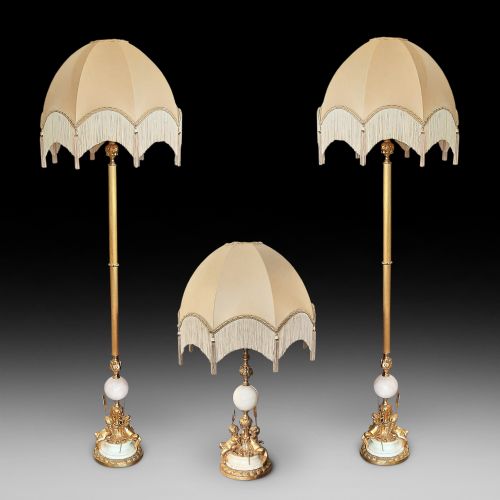
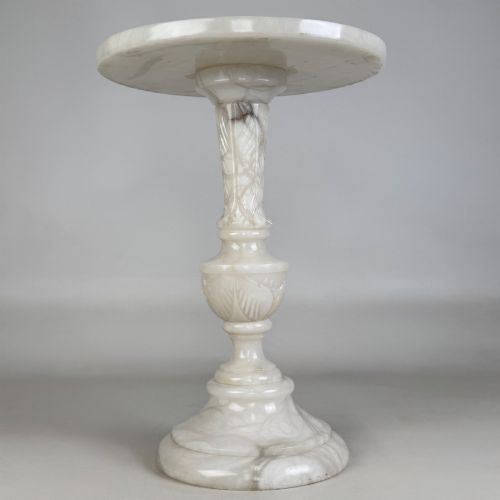
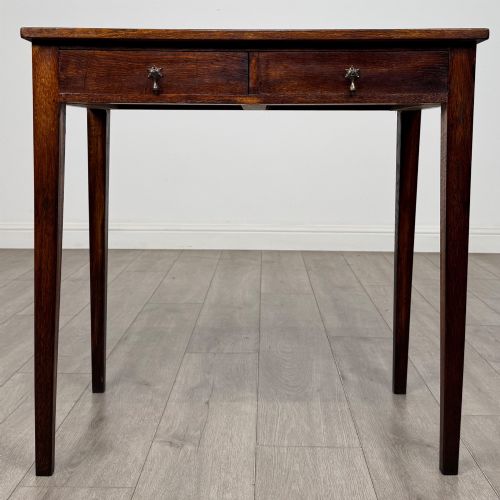
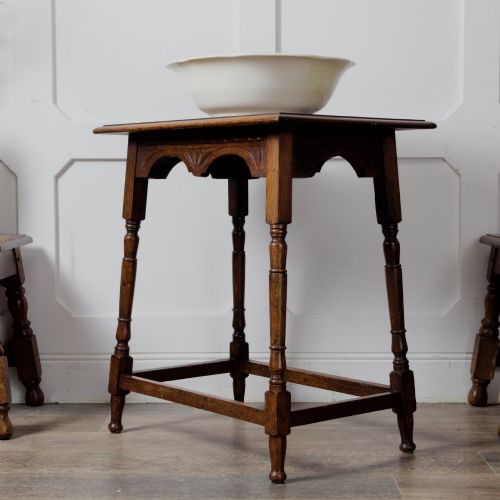
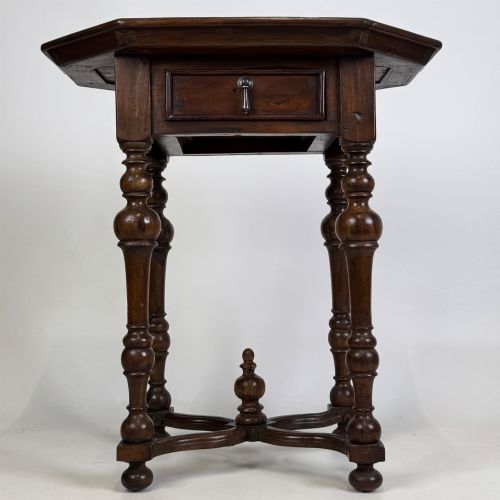
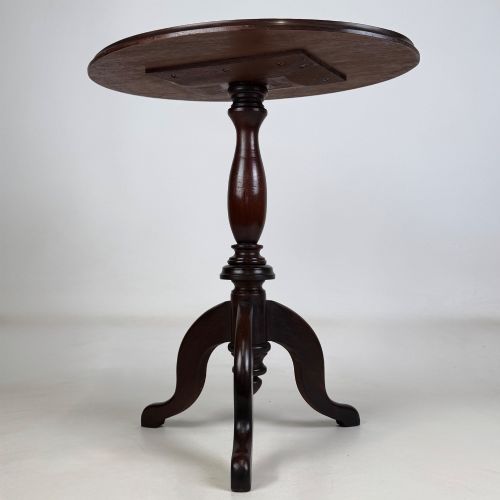
Many listings demonstrate how lighting was integrated with furniture, pairing small lamp tables and side tables directly with the lamps that sat upon them. Materials range from humble solid oak and mahogany to gilt bronze, alabaster and heavy cast brass.
How They Were Made
Construction methods rely heavily on traditional metalworking and cabinet-making techniques appropriate to the period, utilising cast brass, copper, solid oak, walnut and mahogany. Metal components are frequently cast, turned, chased or cold-painted, as seen in bronze figures and heavy columnar standards.
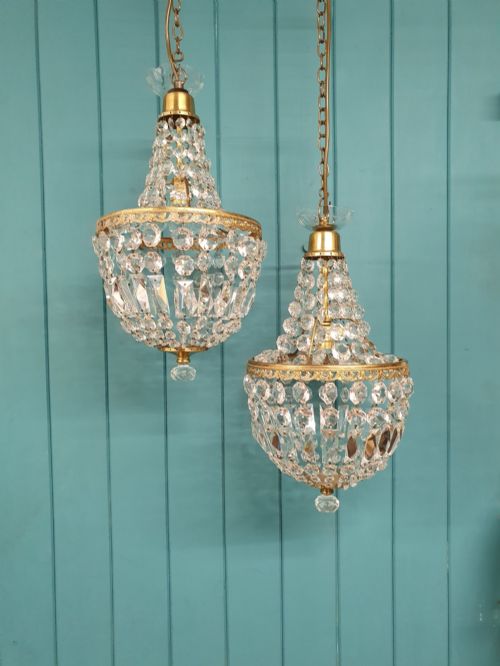
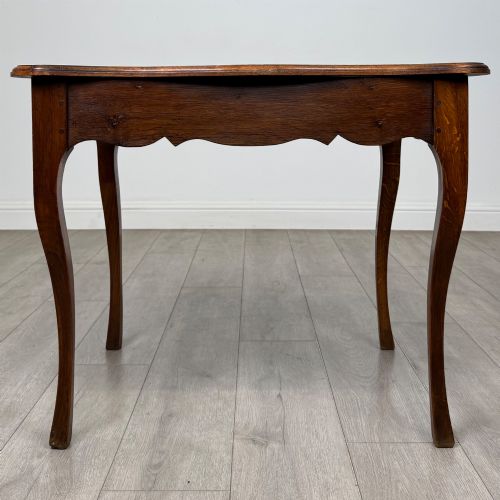
Glass elements incorporate crystal, cut glass, and coloured crystals shaped into tent chandeliers, plafonniers, and delicate shades. Wooden supports exhibit turned columns, barley twist legs, cabriole legs, and inlaid or carved tops designed to complement the metalwork of the fixtures.
20th Century Lamps Retail Price Guide 2026
Typical asking prices for 20th century lamps among the pieces listed under this phrase on Sellingantiques today, from the lower quarter to the upper quarter. They describe what is for sale here now, not the wider market.
Listings feature side tables in oak, walnut and mahogany alongside brass, glass and iron lighting fixtures from the Edwardian era and the nineteen-twenties.
What Varies in Quality
Quality in these lighting fixtures is determined by the integrity of the materials and the precision of the manufacturing process, distinguishing mass production from specialised foundry work. Heavy cast brass, substantial gauge copper, and genuine hand-cut crystal command greater regard than lighter plated metals and moulded glass substitutes.
Artistry in finishing details - such as crisp casting lines on bronze figures, hand-painted decoration on ceramic or metal bodies, and solid timber construction in associated lamp tables - separates standard utility lighting from superior decorative examples.
Franz Bergman·Dugdill
The 20th Century Lamps Glossary
- Plafonnier
- A bowl-shaped ceiling light mounted flush or close to the ceiling. These fixtures distribute ambient light downward through decorative glass bowls.
- Pullman Lamp
- A compact, versatile lighting fixture designed for tight spaces such as railway carriages or maritime cabins. They frequently feature pivoting arms or brackets for directional adjustment.
- Alabaster
- A fine-grained, translucent stone used for carved lamp bodies and vessels. When illuminated from within or nearby, it diffuses a soft, even glow.
- Cold-Painted Bronze
- A technique where bronze sculptures are painted with oil or cold enamel rather than subjected to kiln firing. This method preserves intricate surface details on small decorative figures.
- Corinthian Column
- An architectural column style featuring an ornate capital decorated with acanthus leaves. It is commonly adapted as the vertical standard for formal table lamps.
20th Century Lamps: Frequently Asked Questions
What periods do these lamps cover?
The lighting fixtures span the late nineteenth century through the early decades of the twentieth century, encompassing Edwardian production, the nineteen-tens, and the nineteen-twenties.
Designs reflect shifting aesthetic preferences, moving from ornate revivalist styles toward industrial utility and streamlined early modernist forms.
How were early twentieth century chandeliers used?
Chandeliers served as the primary overhead illumination source for principal rooms in domestic and civic interiors. Smaller variants provided focused ambient light in tighter spaces.
Cut glass crystal tent designs and multi-branch brass fixtures were typically hung in reception rooms, parlours, and dining spaces to catch and multiply candlelight or early electric illumination.
What materials are most common?
Solid brass, cast metal, oak, mahogany, and cut glass crystal dominate the construction of these pieces. Fabric shades, alabaster, and copper also appear frequently.
Combination pieces integrate timber side tables with metal lighting standards, utilising materials that match the prevailing interior decoration of their respective decades.
How do I identify a desk lamp?
Desk lamps from this era feature adjustable arms, weighted bases, and directional metal shades designed for task-specific workspace illumination. Form follows function in these mechanical pieces.
Look for articulated joints, heavy cast bases, and utilitarian switches intended for prolonged office or workshop use rather than ambient room lighting.