



20th Century Italian Artwork
These 20th century italian artwork pieces bring mid-century colour and classic landscapes straight to your walls.
20th Century Italian Artwork
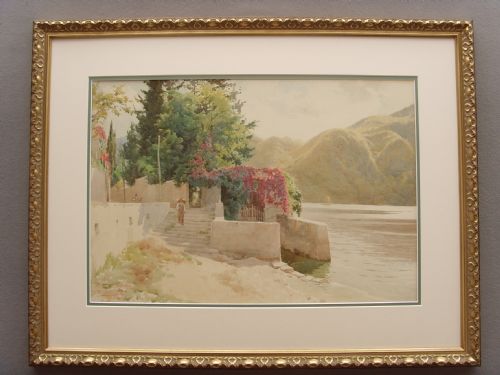
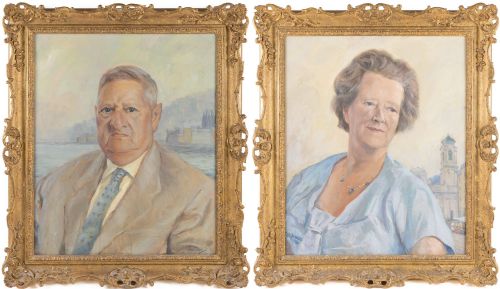
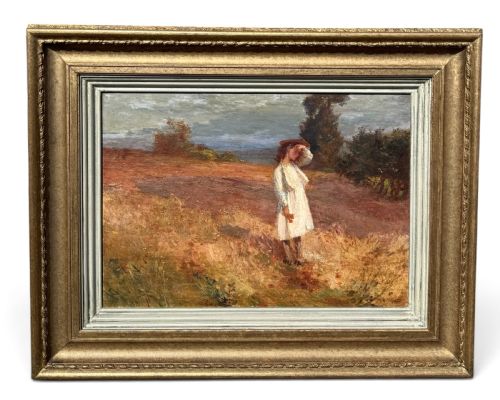
When you search for 20th century italian artwork, you encounter a range of paintings that capture landscapes, cityscapes and portraits from across the century. The pieces on this page span decades from the 1920s to the 1960s, offering glimpses of Italian scenes and figures.
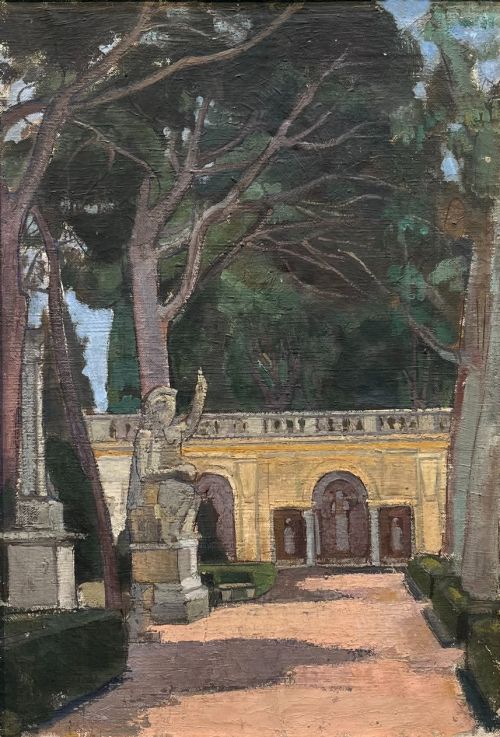
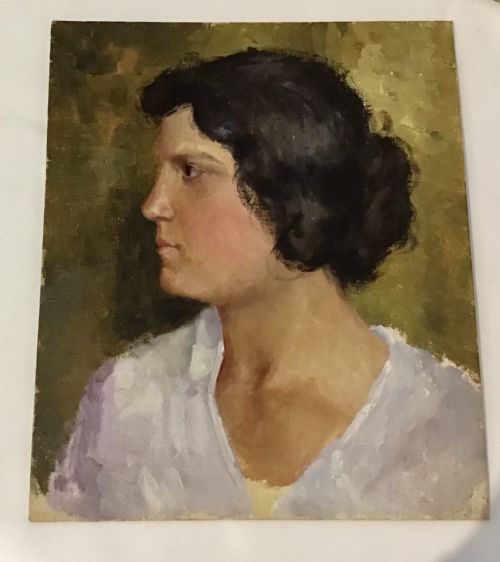
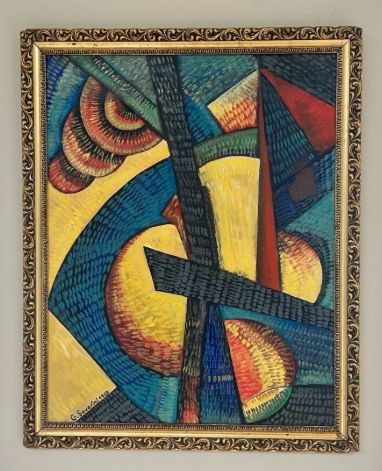
You will find works ranging from early 20th century Venetian watercolours to mid-century abstract oil paintings on board. Subjects frequently visit familiar locations such as Venice, Rome and Capri, alongside studio portraits and intimate character studies.
How they were made
The works rely primarily on oil paint and watercolour applied to traditional supports such as canvas, paper, wood panels and board. Many pieces retain their period frames, including swept gilt designs that complement the imagery.
Artists utilised fluid brushwork for impressionist watercolours alongside heavier pigment layers for oil portraits and cityscapes. Support materials range from stretched canvas to solid wood panels and paper sheets.
Several artists packed their watercolours and oils to paint gondolieri drifting quietly beneath the Bridge of Sighs.
What varies in quality
Quality rests in the confidence of the brushwork and the clarity of the composition, distinguishing swiftly executed souvenirs from more resolved studio pieces. The handling of light in Venetian watercolours and oil cityscapes determines the visual impact of the work.
Condition of the surface pigment and the integrity of the original frame also influence the overall character of the piece. Works bearing clear signatures or attribution to known painters command closer attention from collectors.
Umberto Volpato·Attilio Toro·Gino Severini·Fernando Del Basso·Emanuele Cappello·Wilfred Knox
The 20th Century Italian Artwork Glossary
- Oil on Canvas
- Pigment mixed with drying oil applied to a stretched fabric support. This technique allows for rich colour blending and texture.
- Watercolour
- A painting method where fine pigment is suspended in a water-based solution on paper. It creates transparent washes of colour.
- Impressionism
- A style focused on capturing the visual impression of a moment, paying attention to light and its shifting qualities. Brushstrokes remain visible and distinct.
- Swept Gilt Frame
- An ornate wooden frame finished with a gold-coloured leaf coating and flowing scrollwork. These frames are often shaped by hand during the moulding process.
20th Century Italian Artwork: Frequently Asked Questions
Are these paintings original?
The selection includes original oil paintings and watercolours created by artists working during the twentieth century. Some pieces are signed or bear attribution to specific painters.
Others represent the broader output of the Italian and British schools working abroad in locations like Venice and Rome.
How do I care for oil and watercolour art?
Keep paintings away from direct sunlight and damp environments to protect the canvas, board and paper supports. Maintaining a stable room temperature prevents the wood panels and framing materials from warping.
Dust watercolours under glass gently with a soft dry cloth without applying pressure. Oil surfaces benefit from occasional professional inspection if grime accumulates.
What subjects are most common?
Venetian canals, gondolas and bridges appear frequently across both watercolours and oil paintings from the early decades of the century. Portraits of local figures and coastal views of Capri also form a significant part of the selection.
Cityscapes of Rome and botanical garden views offer alternative glimpses into Italian scenery.
How can I tell the period of a piece?
Dates often appear within the listing details, on the reverse of the board, or through signature markings left by the artist. Stylistic shifts, such as mid-century abstract compositions versus early impressionist cityscapes, help anchor pieces in their respective decades.
Frame styles and framing materials also provide clues regarding the era in which the artwork was mounted.