
20th Century French Glass
These pieces of 20th century french glass bring tactile weight and distinct historical styling to domestic interiors through artisan production.
20th Century French Glass
When buyers search for 20th century french glass, they find decorative objects and lighting fixtures spanning periods from Victorian to 1930. The selection includes vases, ceiling lights, and chandeliers originating from French makers.
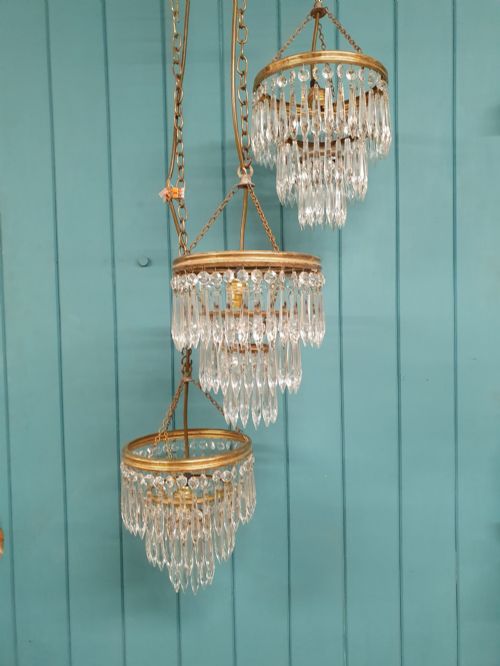
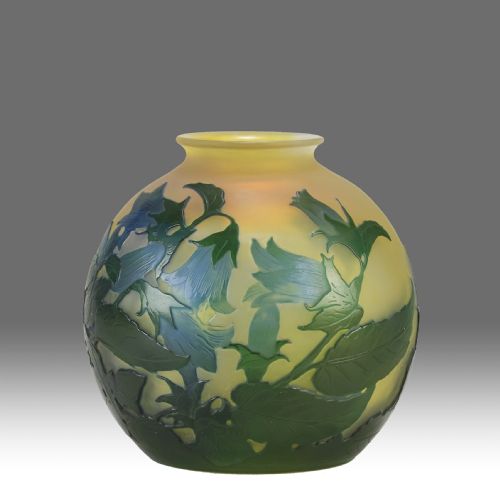
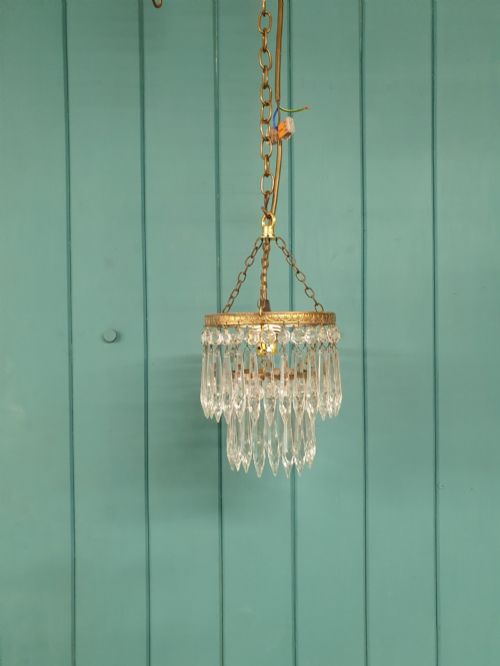
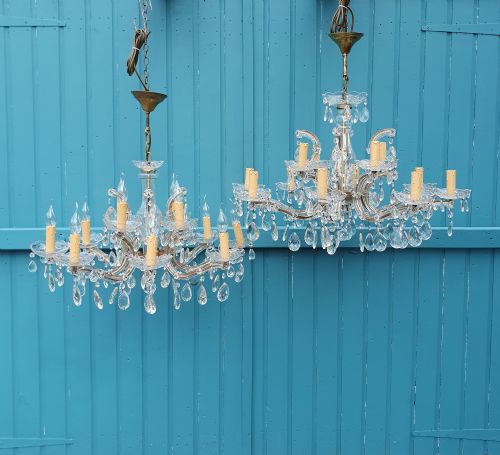
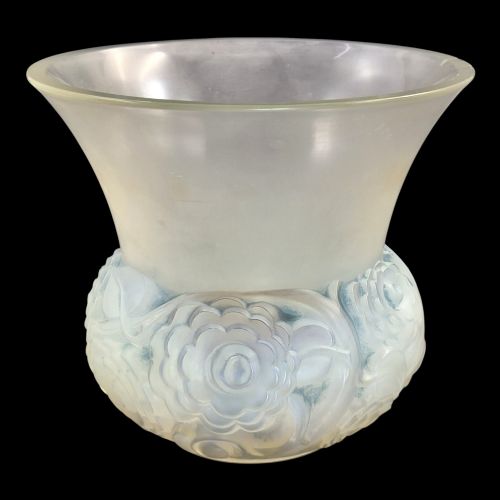
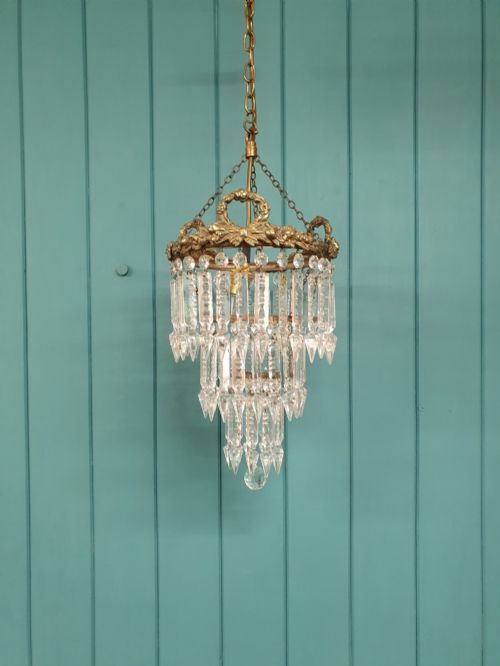
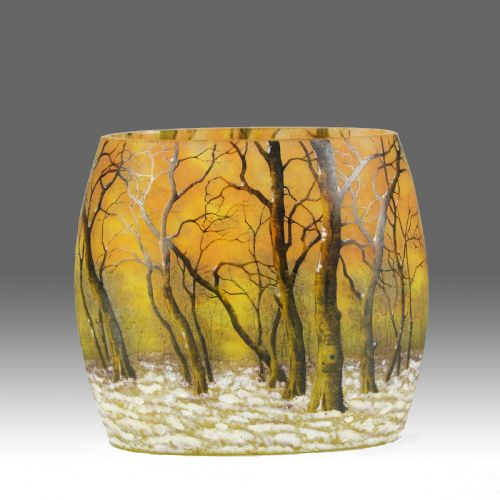
Vases dominate the artistic output, often rendered in cameo glass or clear glass utilising techniques developed by notable houses. Lighting ranges from small brass and cut glass crystal spike chandeliers to large twelve arm arrangements.
The objects reflect styles such as Art Nouveau, Art Deco, and Edwardian design sensibilities. Works frequently employ materials like frosted glass, crystal, and coloured glass combined with brass frames.
How they were made
Glassmakers shaped vessels through blowing and moulding, frequently employing cameo glass techniques to layer contrasting colours before carving surface designs. Acid etching and cutting further defined the profiles of vases and bowls.
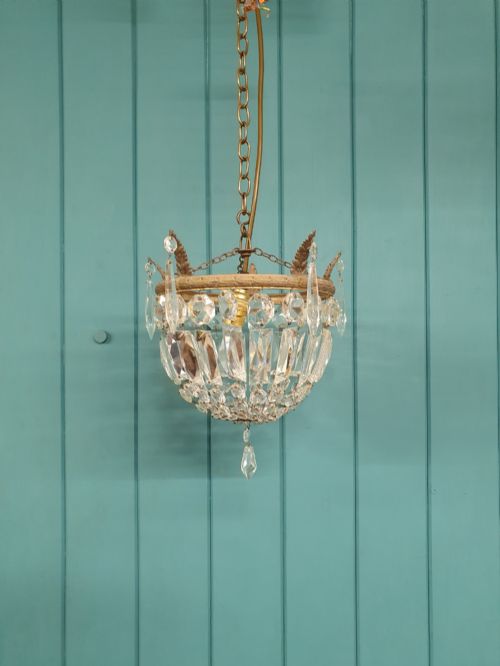
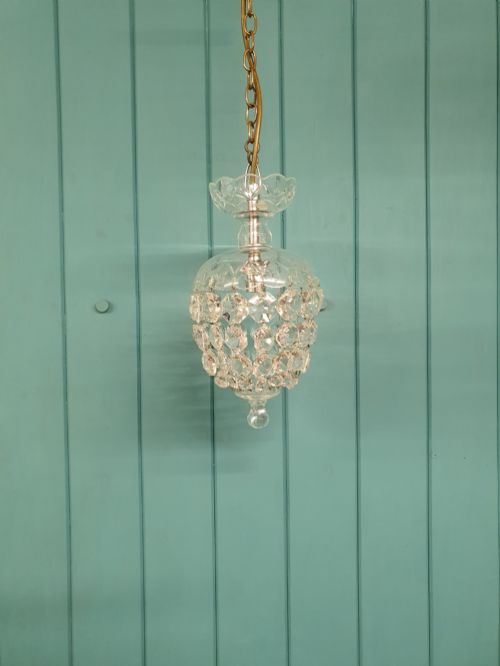
Lighting assemblies incorporated brass, ormolu, and gilt bronze frames fitted with cut glass crystals, coffin prisms, and glass drops. Metal components were cast and joined to support hanging prisms and beaded elements.
Listings feature items from the Victorian, Edwardian, and 1930 periods constructed from brass, crystal, and cameo glass.
What varies in quality
The depth of carving and precision of detail in cameo glass separate standard production from master works. Signed pieces by established makers demonstrate superior execution in acid cutting and layered colour saturation.
Hardware construction dictates the grade of lighting fixtures, where solid brass frames and heavy crystal prisms provide structural stability. The clarity of the crystal and the complexity of the prismatic cuts determine the overall visual impact.
Emile Gallé·Daum Frères·René Lalique·Henri Lapeyre
The 20th Century French Glass Glossary
- Cameo Glass
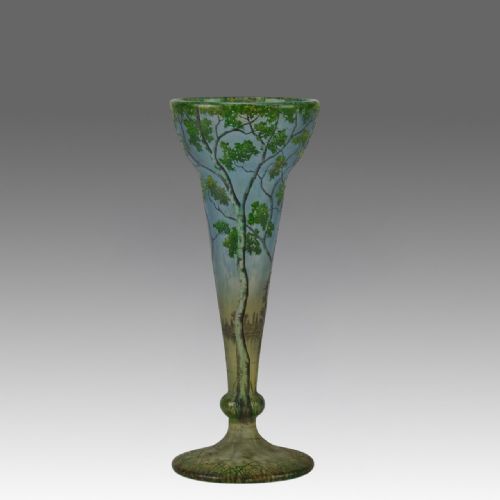
- Glass vessels created by fusing multiple layers of differently coloured glass together before carving or acid etching away outer layers to form raised motifs. This technique produces high contrast relief designs.
- Spike Chandelier
- A hanging lighting fixture featuring a central vertical spike or spindle from which glass drops, prisms, and arms radiate. These fixtures frequently utilise brass or cut glass components.
- Bag Chandelier
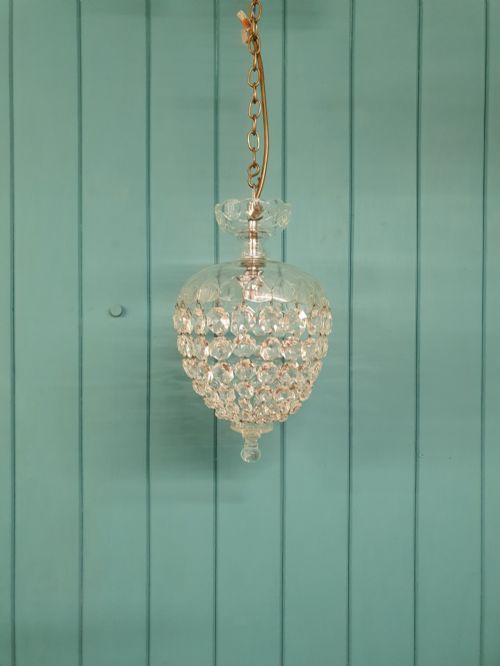
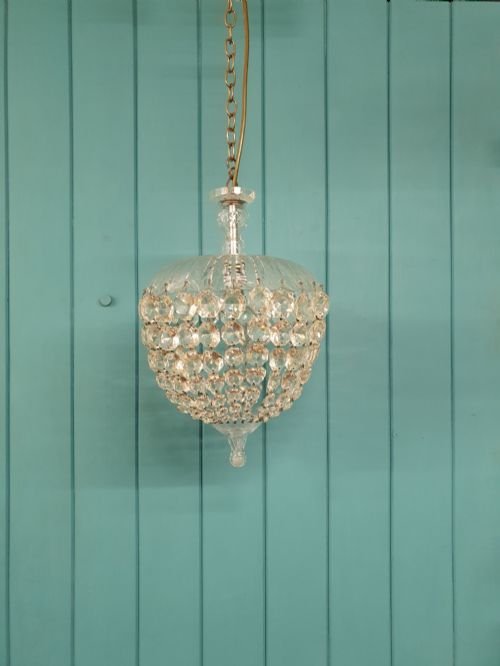
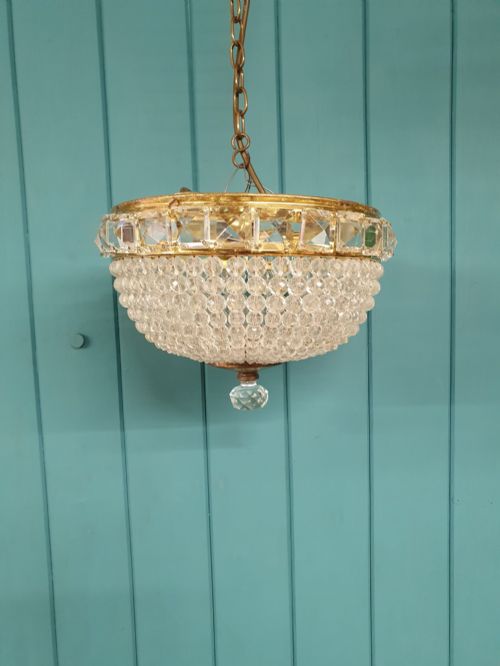
- A lighting form shaped with a rounded lower profile resembling a small bag, constructed from dense clusters of glass beads and drops. They direct and refract light downward.
- Prism
- A cut glass pendant hung from chandeliers and wall lights to refract illumination. Forms include coffin prisms and flat drops.
- Ormolu
- Gilt bronze ornamentation applied to furniture, lamps, and decorative objects. The metallic finish adds golden highlights to structured mounts.
20th Century French Glass: Frequently Asked Questions
How do I identify cameo glass?
Cameo glass displays distinct raised patterns formed by carving through outer layers of coloured glass to expose a contrasting background colour. Look for tactile relief work across the surface of vases and bowls.
Signatures or maker marks often appear acid etched or engraved near the base of authentic pieces. The transition between colour layers provides depth and dimension unique to this method.
What styles define these pieces?
Art Nouveau and Art Deco represent the primary aesthetic movements found in these objects. Art Nouveau items favour organic floral motifs, while Art Deco pieces showcase geometric precision.
Additional influences include Edwardian design and Louis revival interpretations. These styles appear across both decorative glassware and structural lighting.
How were glass chandeliers hung?
Chandeliers were suspended from ceilings using metal chains or brass fixings attached to internal frames. The weight of the metal and crystal dictated secure ceiling attachment methods.
Wiring was subsequently integrated into period fixtures during later restoration or adaptation for modern electrical standards.
Where were these items produced?
Production centred in France, with specific workshops operating in regions known for glassmaking and metal casting. Major houses maintained studios that employed skilled artisans for blowing and cutting.
Parisian makers also contributed stamped metalwork and gilt bronze mounts for domestic lighting and display pieces.