
20th Century English Artwork
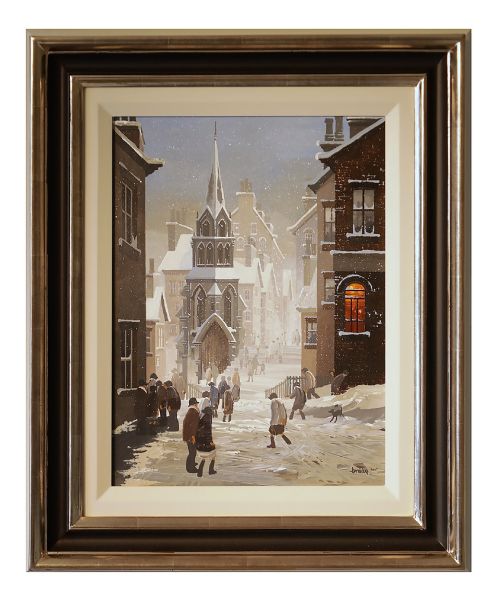
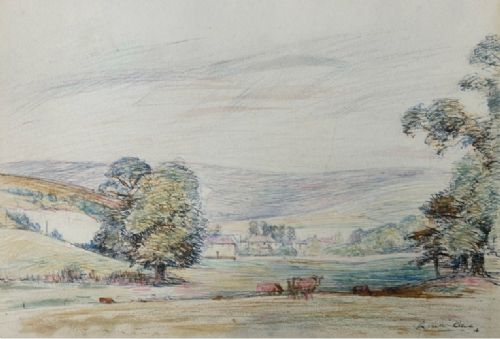
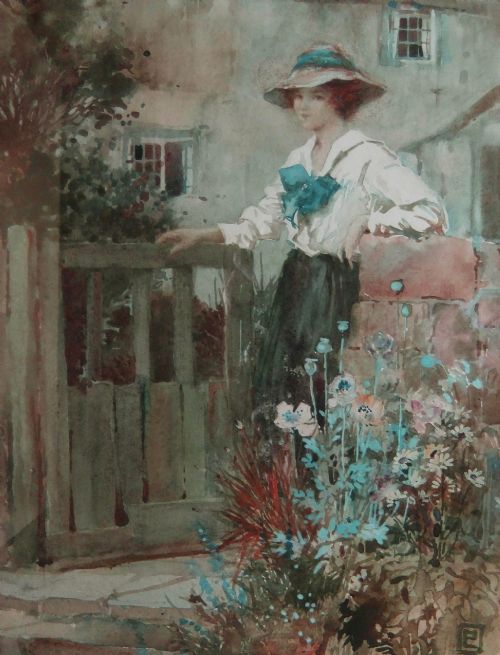
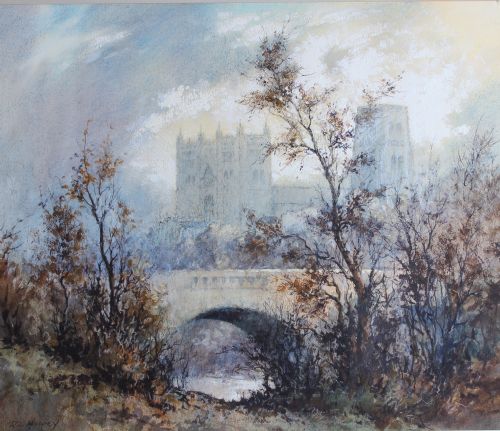
These pieces of 20th century english artwork capture landscapes and scenes through traditional painting methods, offering an authentic piece of British history for home display.
20th Century English Artwork
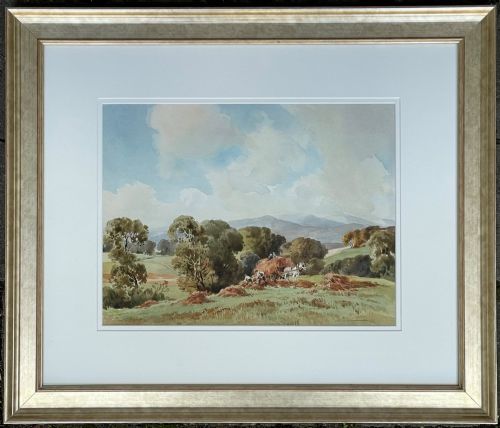
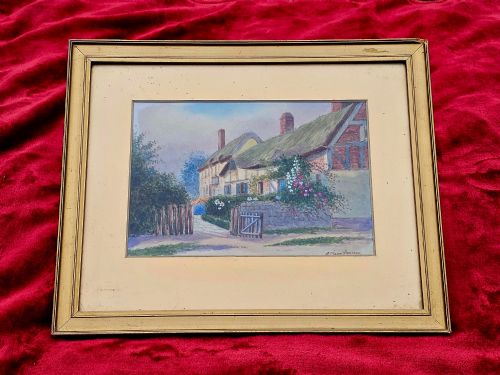
When buyers search for 20th century english artwork, they examine a selection of paintings, watercolours, and drawings spanning from the Edwardian era through the mid-century decades. These creations document rural landscapes, coastal views, and pastoral scenes across England, produced during a period of distinct artistic transition.
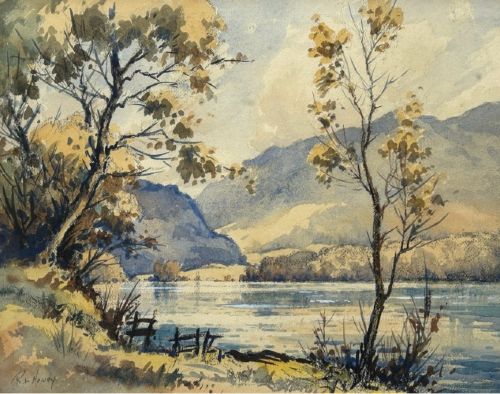
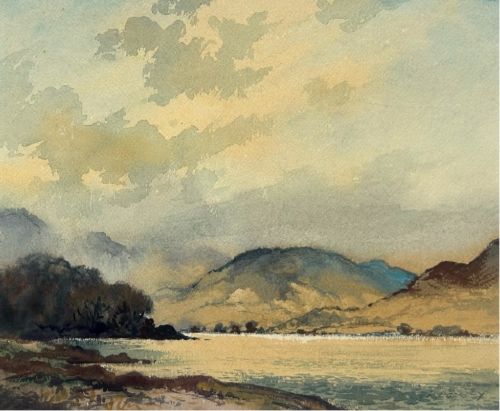
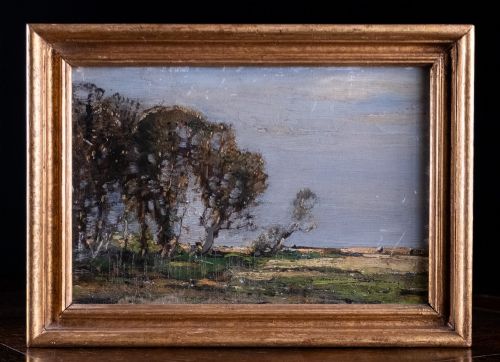
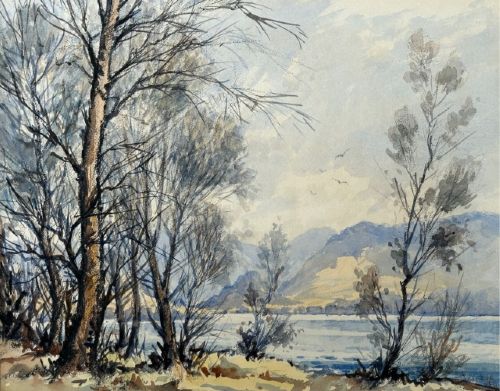
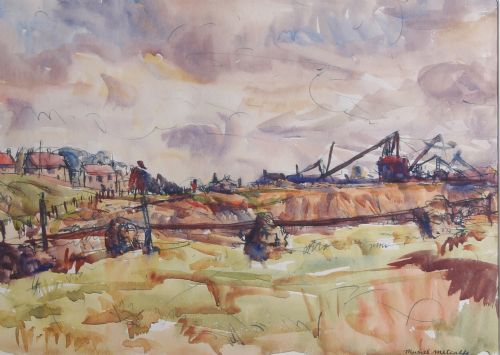
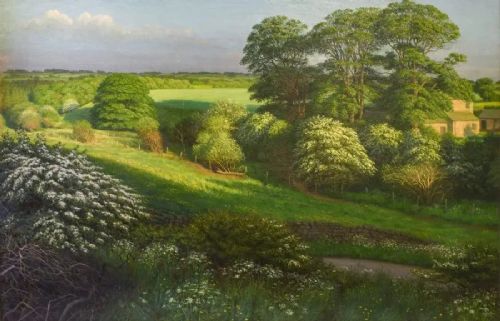
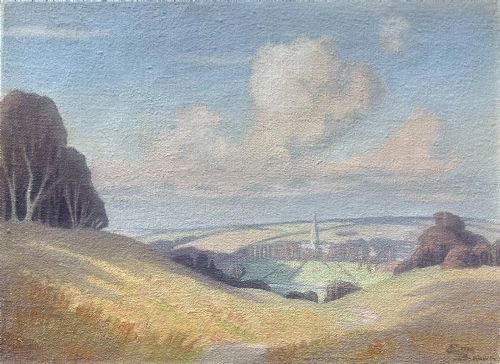
The versions most commonly met on this page include watercolours on paper and oil paintings executed on canvas, board, or wood panels. Artists of this era frequently recorded local scenery, incorporating movements such as British Impressionism and Modern British styles into their daily practice.
Materials and Techniques
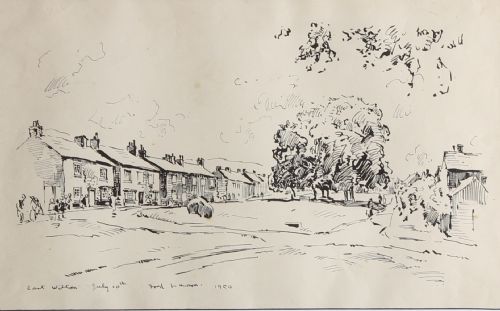
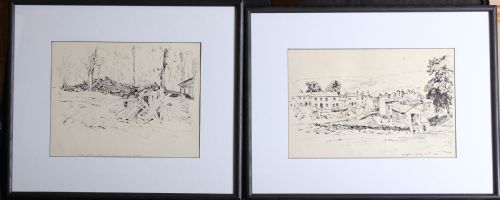
The works rely upon traditional artist materials, principally oil paint and watercolour applied to prepared canvas, wood panels, paper, or board. Ink is occasionally introduced alongside watercolour to define topographical details and architectural forms within landscape compositions.
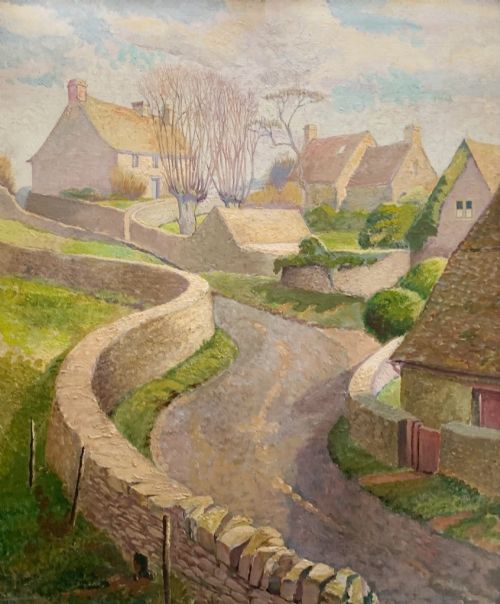
Makers utilised supportive grounds specific to their medium, stretching canvas over wooden frames or securing paper sheets for fluid watercolours. Paint application ranges from thin, transparent washes to textured impasto layers that capture natural light and atmosphere.
Substantial numbers of works utilise canvas, paper, and wood panels as the primary foundation for oils and watercolours.
Assessing Quality and Execution
Variations in quality depend upon the artist's handling of light, brushwork confidence, and compositional balance within the chosen medium. Superior examples demonstrate a secure command of tone and perspective, effectively conveying the specific atmosphere of a Yorkshire valley or a Cumbrian lake.
Condition and originality further distinguish the pieces, with well-preserved surfaces and period framing contributing to the integrity of the work. The strength of provenance and the clarity of artist signatures or inscriptions also influence the standing of individual paintings.
Percy Lancaster·Robert Leslie Howey·Kershaw Schofield·Fred Lawson·Brian Shields Braaq·John Rattenbury Skeaping
The 20th Century English Artwork Glossary
- Watercolour
- A paint consisting of pigment suspended in a water-soluble vehicle, typically applied to paper to achieve translucent washes of colour.
- Impasto
- The process of laying paint thickly on a surface so that it stands out from the canvas, creating visible brush or palette knife marks.
- Provenance
- The chronology of the ownership, custody, or location of a historical work of art.
- Board
- A rigid flat sheet of wood or compressed material utilised as a durable painting surface alternative to stretched canvas.
20th Century English Artwork: Frequently Asked Questions
What subjects appear in these paintings?
The compositions predominantly depict English landscapes, coastal harbours, pastoral scenes, and rural architecture. Artists frequently recorded specific locations across Yorkshire, Cumbria, and Dorset.
Still life arrangements and figurative works, including mythological subjects and animal studies, also feature within the selection, reflecting the diverse interests of British painters during these decades.
How should I care for a watercolour painting?
Watercolour works on paper require protection from direct sunlight to prevent fading of pigments and degradation of the paper support. Framing under glass with acid-free mounts ensures proper preservation.
Maintaining stable indoor humidity levels prevents warping of the paper and protects the original frame from structural damage over time.
Are these works signed by the artists?
Many examples feature signatures, monograms, or contemporary inscriptions applied by the artist, occasionally accompanied by dates or specific location titles written on the front or reverse.
Unsigned pieces frequently attribute to specific regional schools or periods based on technique, materials, and stylistic characteristics recorded in the evidence.
How do I distinguish between oil and watercolour pieces?
Oil paintings utilise viscous pigments suspended in drying oils, resulting in textured surfaces on canvas, wood panel, or board. These works often display visible brushwork and a resilient finish.
Watercolours employ water-soluble pigments on paper supports, presenting a flat, matte appearance where the texture of the paper remains prominent beneath transparent washes.