
20th Century Dresser
A 20th century dresser brings honest utility and timeless craftsmanship into the home, offering practical storage alongside distinctive period character.
20th Century Dresser
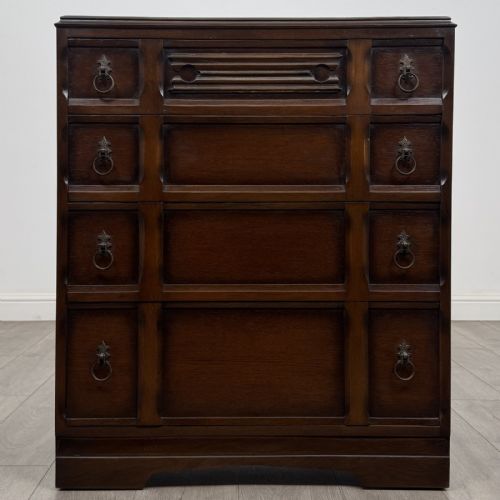
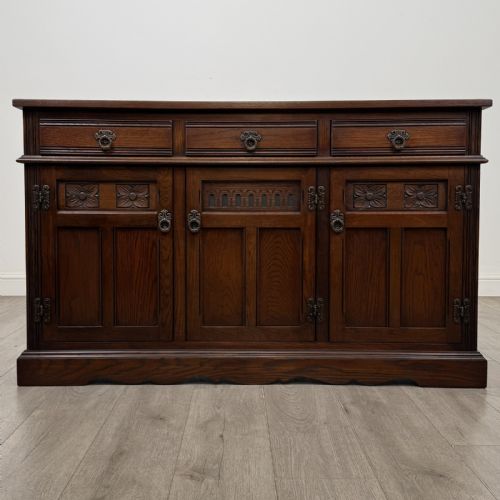
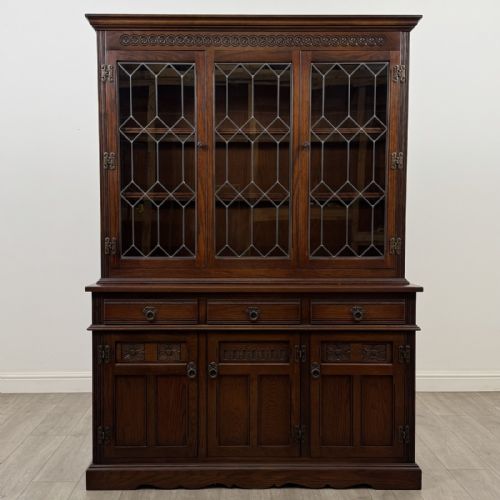
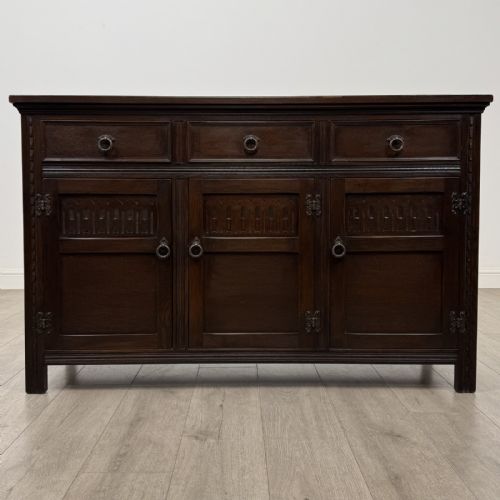
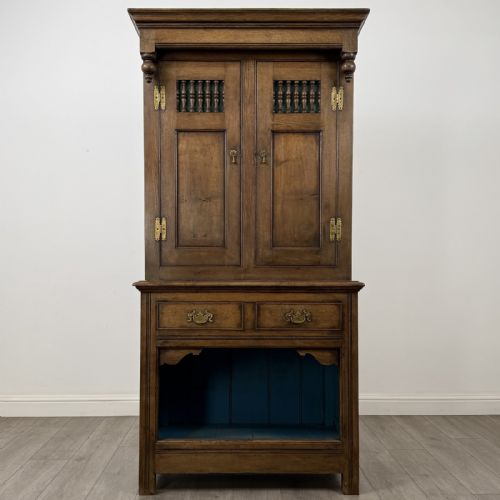
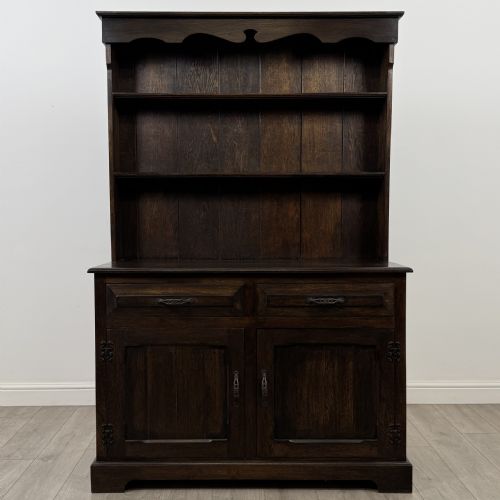
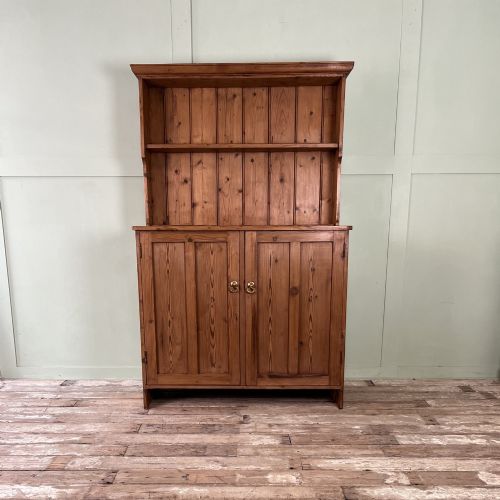
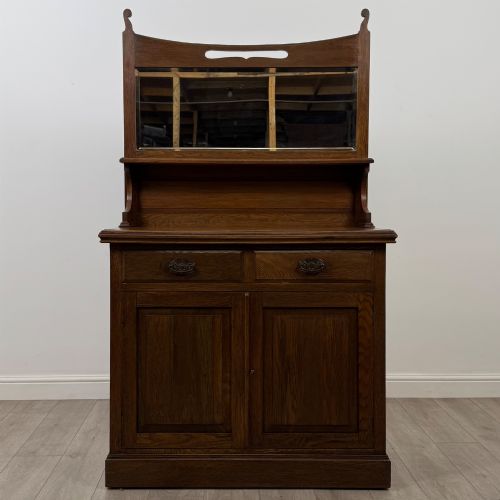
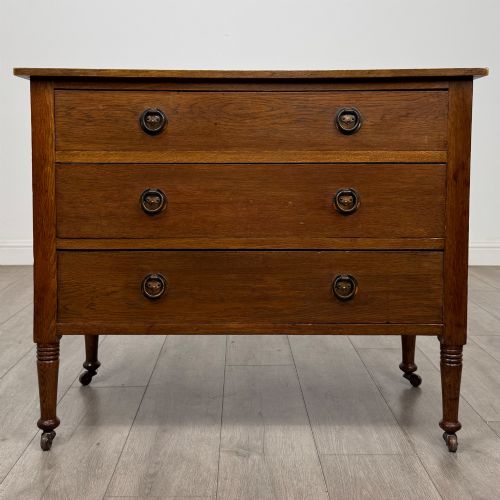
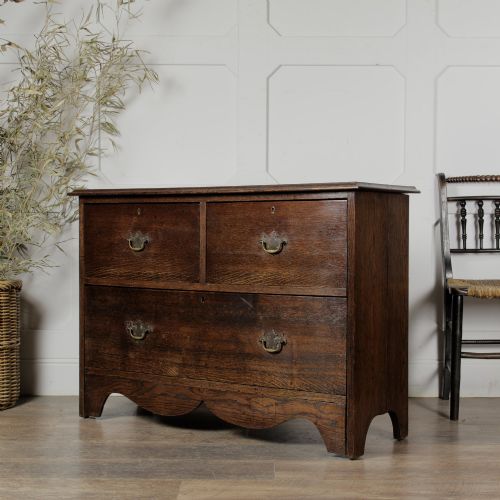
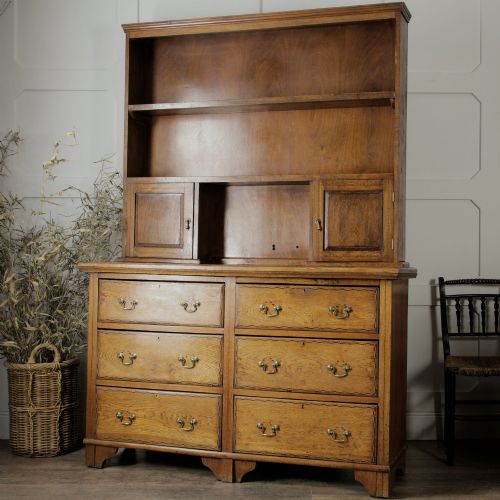
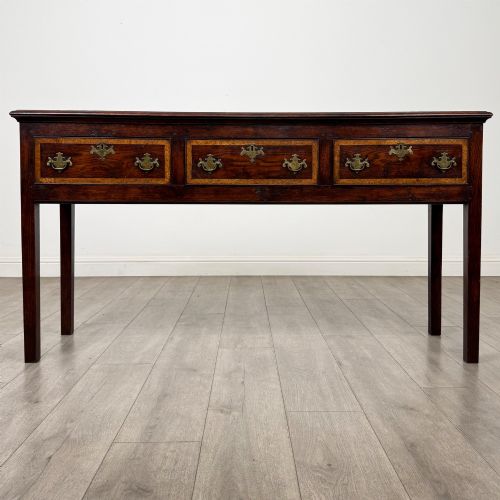
A 20th century dresser encompasses a wide variety of practical storage furniture, most commonly appearing as oak Welsh dressers with open plate racks, kitchen dressers in pine, and carved oak sideboard bases. These pieces reflect the domestic storage needs of the Edwardian era and the 1920s, blending display shelving with deep cabinet space.
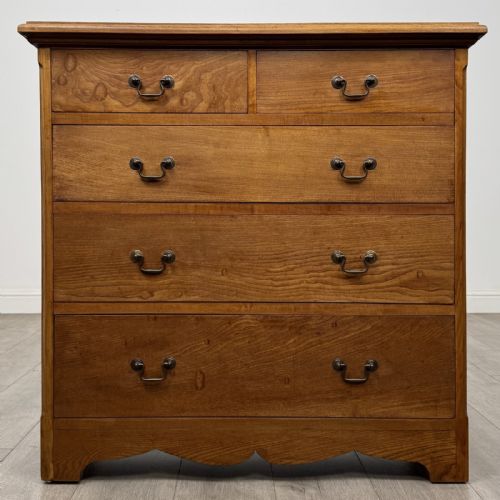
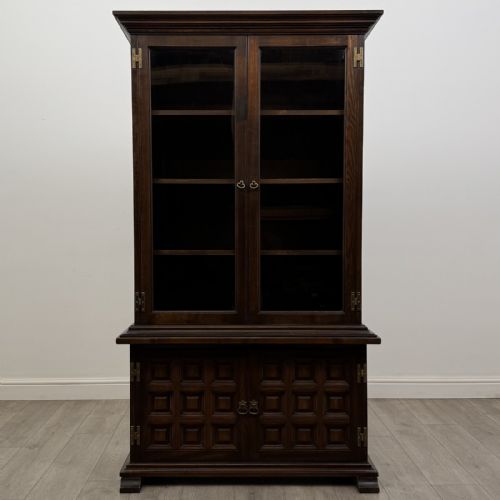
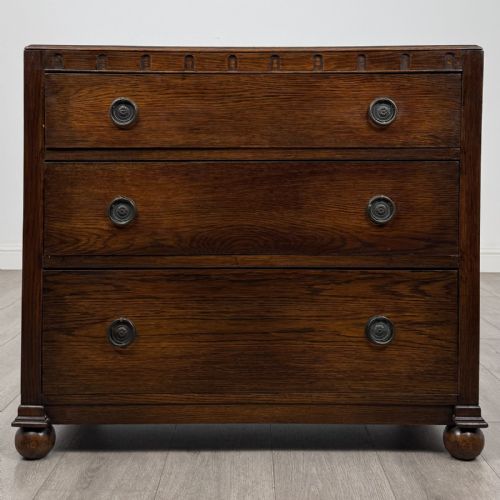
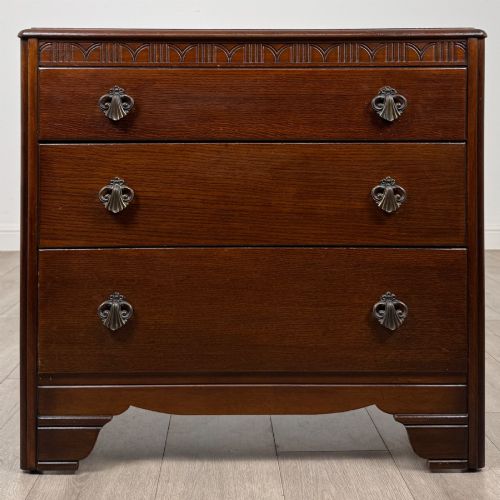
Beyond traditional plate racks, the selection frequently includes chests of drawers, display cabinets, and court cupboards in styles ranging from Jacobean Revival to Arts and Crafts. Golden oak and honey oak finishes dominate the visual landscape, though mahogany and walnut examples also emerge across the period.
Materials and construction
Solid oak, pine, mahogany, and walnut provide the structural foundation for these pieces, often complemented by brass handles, iron hardware, and leaded glass doors. Cabinetmakers utilised traditional joinery methods, incorporating carved panels, inlaid details, and linenfold motifs to decorate the timber surfaces.
Surface finishes vary from polished golden oak to rich dark tones, with specialised elements such as tambour doors, raised galleries, and bracket feet appearing on select sideboards and chests.
Listings span the Edwardian period alongside the decades of 1900, 1910, 1920, 1930, and 1880, dominated by oak and mahogany.
Judging the execution
Quality in a 20th century dresser rests upon the depth of the timber selection, such as figured walnut or burr oak, and the crispness of carved details like linenfold panels and geometric mouldings. Well-executed examples display balanced proportions, integrated brass or metal hardware, and robust secondary timbers within the drawer construction.
The sophistication of the stylistic revival matters greatly, separating standard utility furniture from pieces featuring refined Arts and Crafts open centres, serpentine fronts, or intricate inlay work.
Reprodux·August Ungethüm
The 20th Century Dresser Glossary
- Welsh dresser
- A traditional dining room or kitchen storage unit combining lower cupboards or drawers with upper open plate shelves. It serves to display ceramics while keeping everyday tableware close to hand.
- Linenfold
- A style of carved wooden panelling that resembles folded vertical sheets of linen cloth. This decorative technique appears frequently on early twentieth-century oak cupboards and sideboards.
- Serpentine
- A curved furniture front characterised by a convex centre flanked by concave ends. This undulating shape requires advanced woodworking skill to execute cleanly.
- Raised gallery
- A low decorative wooden upstand attached to the rear or side edges of a chest top or sideboard. It prevents items from sliding off the surface.
- Court cupboard
- A heavy medieval-style enclosed wooden cabinet featuring a recessed upper section supported by pillars. Edwardian makers revived this form in carved oak.
20th Century Dresser: Frequently Asked Questions
How do I style a kitchen dresser?
Balance open plate racks with a mix of everyday ceramics, glassware, and small decorative objects. Keep heavier serving platters on the lower shelves for stability.
Utilise the closed cupboards below for storing linens or less visually appealing kitchen items to maintain a tidy appearance.
What is an Edwardian oak sideboard?
An Edwardian oak sideboard is a low dining room cabinet designed for serving food and storing tableware. These pieces often feature carved top edges, brass handles, and sometimes a mirror back.
They reflect the revival styles popular in the early twentieth century, incorporating sturdy oak construction with practical drawers and cupboards.
Where should I place a display cabinet?
Position glass-fronted display cabinets in dining rooms, living areas, or hallways where natural light can illuminate the interior contents. Ensure the piece sits away from direct heat sources to protect the antique timber.
Allow enough clearance around the doors to swing open fully without hitting surrounding furniture.
How do I care for antique oak furniture?
Dust the timber regularly with a soft, dry cloth to prevent dirt accumulation in carved details and panel grooves. Avoid using silicone-based sprays, opting instead for traditional beeswax applied sparingly.
Keep the piece away from direct sunlight and maintain stable room humidity to prevent the solid oak from splitting.