

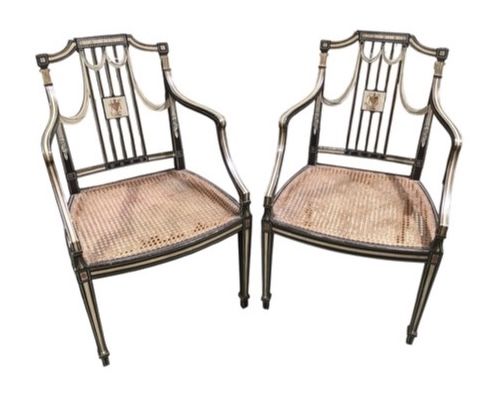


20th Century Carver Chairs
These 20th century carver chairs bring period craft to the table, offering sturdy arm support and historic revival styling.
20th Century Carver Chairs
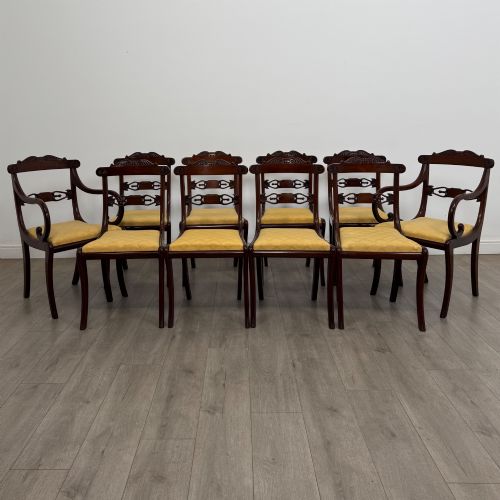
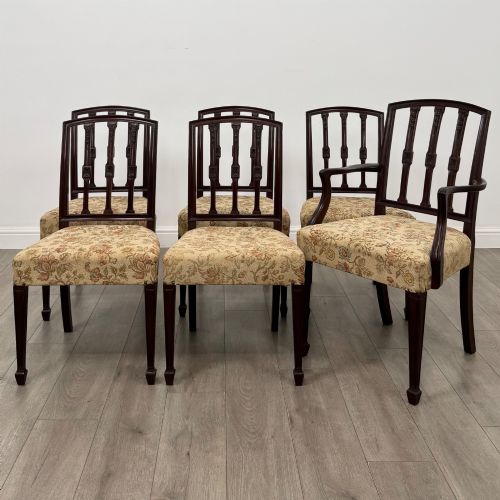
These 20th century carver chairs encompass armchairs and dining chairs produced across Edwardian periods and the early decades of the century. You will frequently meet sets of dining chairs alongside individual elbow chairs and country armchairs.
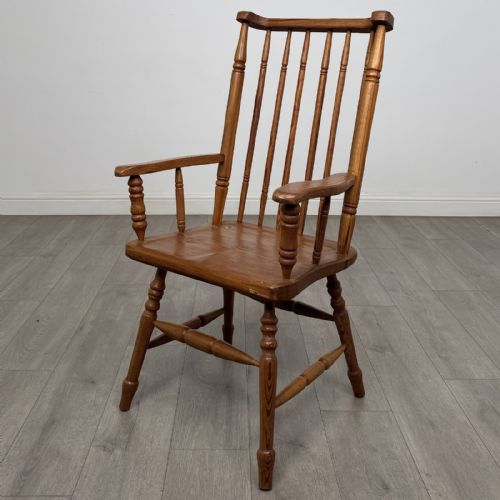
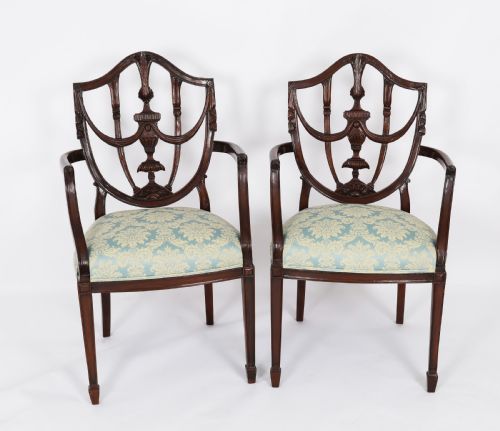
The selection ranges from robust oak and elm farmhouse seating to formal revival styles including Regency, Queen Anne, Chippendale, and Federal designs. Workshops of the era drew heavily on earlier historical forms to satisfy domestic tastes.
How they were made
Cabinetmakers utilised solid timbers such as mahogany, oak, elm, walnut, and birch, often shaping frames by hand or utilising steam-bending techniques for Windsor and country armchairs. Joints relied on traditional mortise and tenon construction to ensure lasting rigidity.
Seating areas incorporate upholstery finished in fabric, leather, velvet, or cane inserts, whilst decorative elements feature carved splats, brass details, and giltwood finishes. Wood surfaces received polished or painted treatments depending on the regional style.
20th Century Carver Chairs Retail Price Guide 2026
Typical asking prices for 20th century carver chairs among the pieces listed under this phrase on Sellingantiques today, from the lower quarter to the upper quarter. They describe what is for sale here now, not the wider market.
The listings show dining chairs and armchairs spanning Edwardian periods up to 1920, constructed from mahogany, oak, elm, walnut, and birch.
What varies in quality
The distinction between standard commercial production and superior execution lies in the density of the timber selected and the depth of hand-carved detail on the splats and arms. Heavier hardwoods and crisper joinery distinguish better workshop output from utility pieces.
Original upholstery methods and the integrity of cane work or timber frames dictate the overall standard. Pieces retaining unaltered structural timbers and sympathetic decorative finishes command greater attention from collectors.
Robert Strahan Dublin
The 20th Century Carver Chairs Glossary
- Carver chair
- An armchair, typically designed to sit at the head of a dining table or function as a standalone elbow chair. These pieces feature integrated armrests matching the chairs of the main dining set.
- Splat
- The vertical central strip of wood down the middle of a chair back. It often receives carved ornamentation or shaping according to revival styles.
- Elbow chair
- An alternative term for an armchair with low armrests intended for resting the elbows. They appear frequently in country and kitchen furniture.
- Giltwood
- Wood that has been coated with gold leaf or a gold-coloured finish. This treatment appears on decorative revival armchairs.
- Windsor armchair
- A wooden chair constructed with turned legs and spindles slotted into a solid wooden seat. Elm is frequently used for these robust country forms.
20th Century Carver Chairs: Frequently Asked Questions
What is a carver chair used for?
These armchairs typically served as the head seats at a dining table, offering additional support and distinction for the host.
They also functioned as occasional or desk chairs in reception rooms across larger houses.
How do I identify revival styles?
Revival pieces borrow decorative motifs from earlier centuries, such as Queen Anne pad feet or Chippendale carved splats, executed with early twentieth-century timber preparation.
Examination of the underside and joint construction helps confirm the production period despite historical styling.
Where were these chairs made?
Production took place across British, Irish, and European workshops, ranging from large cabinet makers to regional country carpenters.
Local timber availability often dictated whether elm, oak, mahogany, or birch was chosen for the frame.
How do I care for wooden armchairs?
Keep wooden frames away from direct heat sources and sudden humidity changes to prevent timber splitting and joint movement.
Apply suitable wax polish periodically to nourish polished mahogany, walnut, and oak surfaces.