



20th Century Blanket Chest
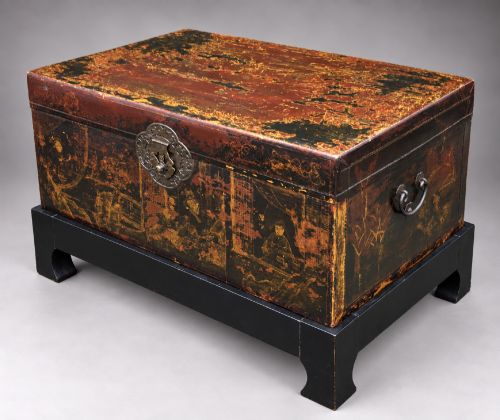
These 20th century blanket chests span Edwardian pine carpenters' boxes to lacquered Japanese Chinoiserie trunks, offering robust storage with distinct regional character.
20th Century Blanket Chest
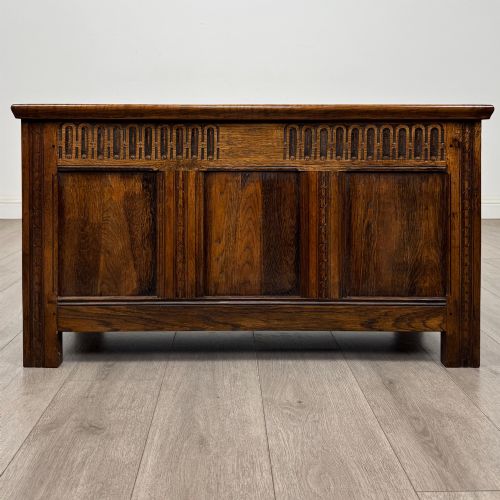
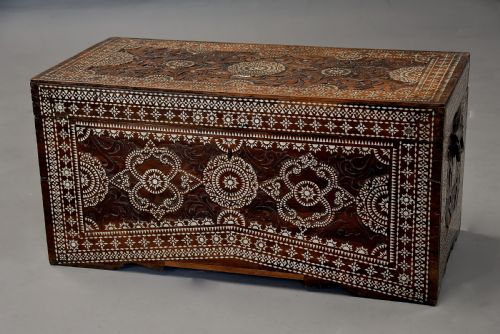
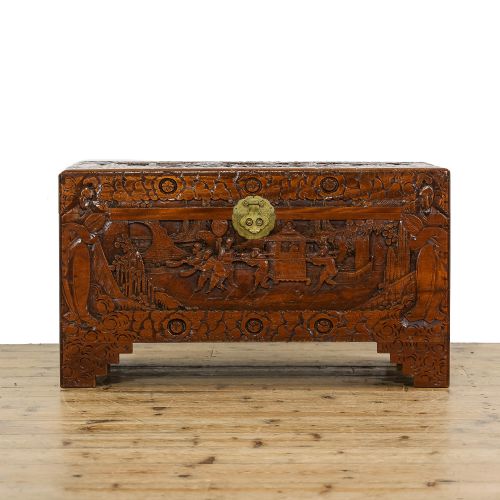
A 20th century blanket chest serves as a versatile storage box, originating across periods from the Edwardian era through the 1930s. The selection on this page ranges from utilitarian pine farmers' chests to highly decorative Oriental carved camphor wood trunks and travelling coffers.
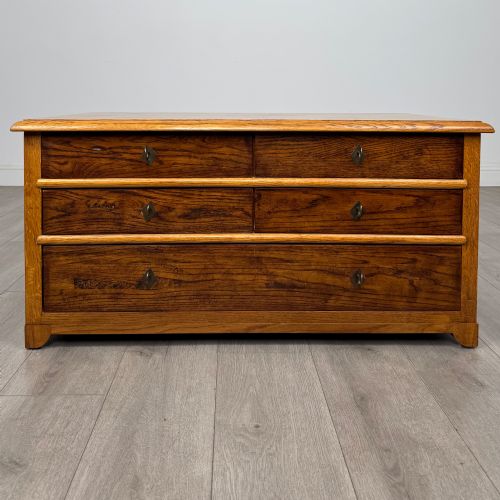
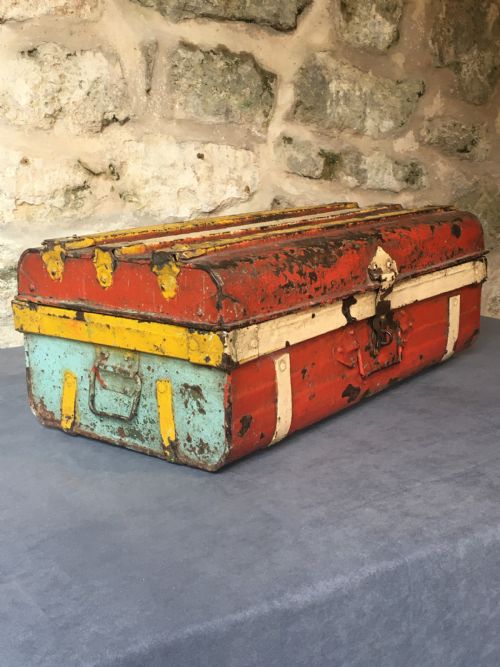
Forms vary from low chests of drawers and steamer trunks to traditional blanket boxes and ottomans. Buyers frequently encounter sturdy wood constructions alongside specialised pieces finished with paint or metal hardware.
Origins stretch from English country houses to Chinese export workshops and Middle Eastern centres. Each style reflects the distinct domestic or travel requirements of its decade of manufacture.
Materials and construction
Makers utilised solid woods such as oak, pine, hardwood, and camphor wood to build durable storage vessels. These timbers were selected for strength and longevity, whether intended for a carpenter's workshop or a domestic bedroom.
Surface ornamentation involved intricate hand-carving, mother of pearl inlay, and painted Chinoiserie lacquering. Functional elements like iron and brass fittings reinforced corners and lids for travelling and daily utility.
Listings feature periods from 1910 through 1930 alongside Edwardian pieces, utilising pine, oak, hardwood, and metal.
Assessing craftsmanship and condition
Quality rests in the integrity of the timber joints and the preservation of original decorative surfaces. Finely carved camphor wood or detailed mother of pearl inlay distinguishes bespoke pieces from standard utilitarian trunks.
Hardware execution also defines the tier of a piece, with robust brass and ironwork indicating superior construction. Original paint finishes and intact lacquer add notable character compared to later refinishing.
The 20th Century Blanket Chest Glossary
- Camphor wood
- A fragrant timber native to Asia, frequently used for chests because its natural aroma repels insects.
- Chinoiserie
- European decorative style inspired by Chinese art and design, often featuring lacquered surfaces and painted motifs.
- Coffer
- A large wooden chest traditionally used for holding valuables or textiles.
- Steamer trunk
- A luggage box designed to fit in the cabins of steamships during the early twentieth century.
- Ottoman
- A low upholstered or cushioned seat with internal storage capacity.
20th Century Blanket Chest: Frequently Asked Questions
What is a 20th century blanket chest used for?
These boxes provide practical storage for household textiles, blankets, and clothing while serving as functional furniture pieces.
Historically, they also functioned as travelling luggage or specialised carpenters' storage before settling into domestic interiors.
How do I identify an Edwardian pine chest?
Edwardian pine pieces typically display straightforward joinery and sturdy construction intended for practical utility.
They often feature iron or metal hardware and reflect the domestic requirements of the early twentieth century.
Where were camphor wood trunks made?
Camphor wood chests originated in Asian workshops, including Chinese export centres, during the early twentieth century.
Their distinctive aromatic timber made them popular for protecting garments from moths during long-distance transport.
How should I care for a painted trunk?
Keep painted and lacquered surfaces away from direct sunlight and excessive moisture to preserve the finish.
Dust gently with a dry cloth and avoid harsh chemical cleaners that might damage historical decoration.