
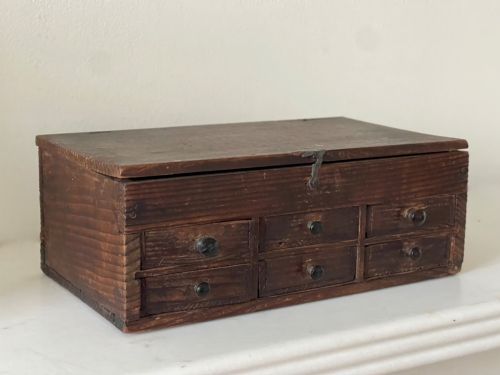
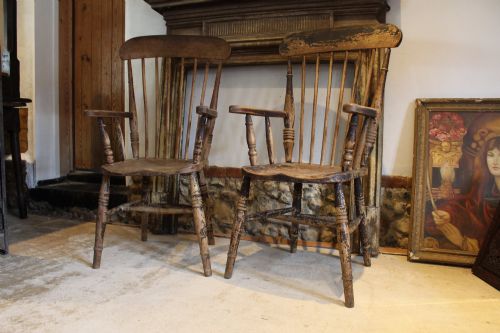
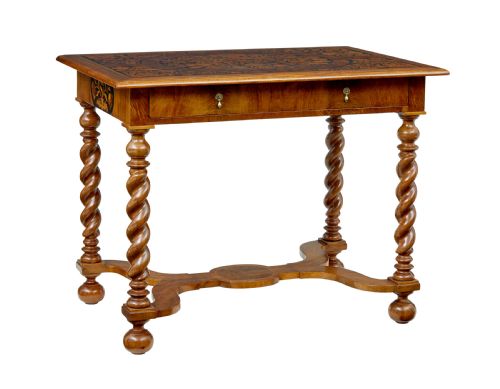
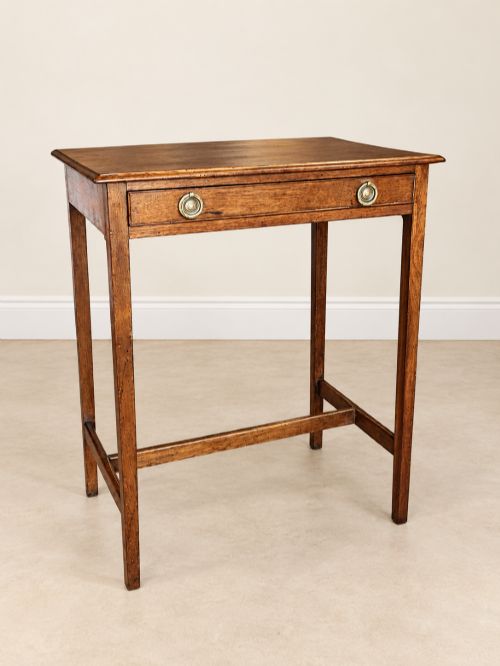
19th Century Wooden Desk
A 19th century wooden desk offers solid timber construction and period character, providing a practical writing workspace with enduring architectural presence.
19th Century Wooden Desk
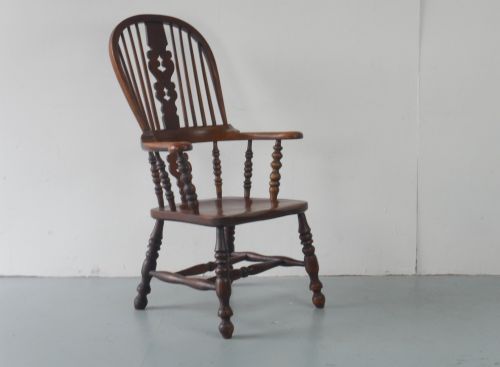
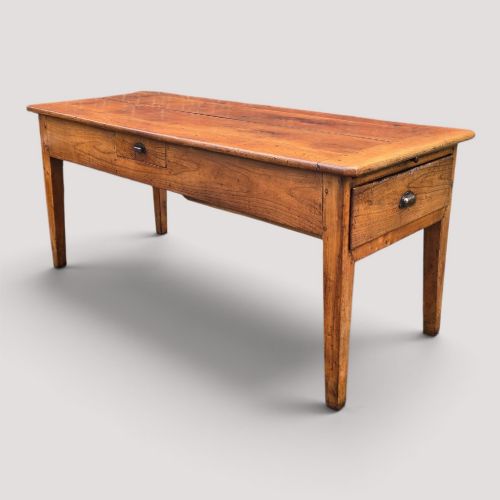
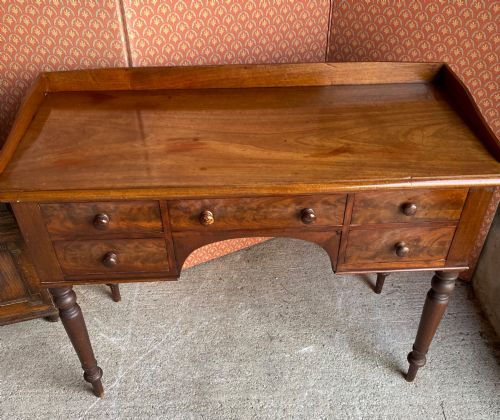
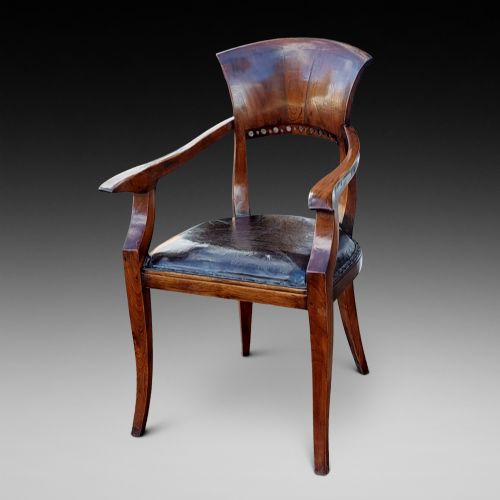
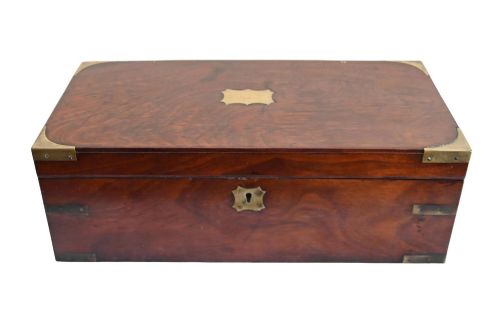
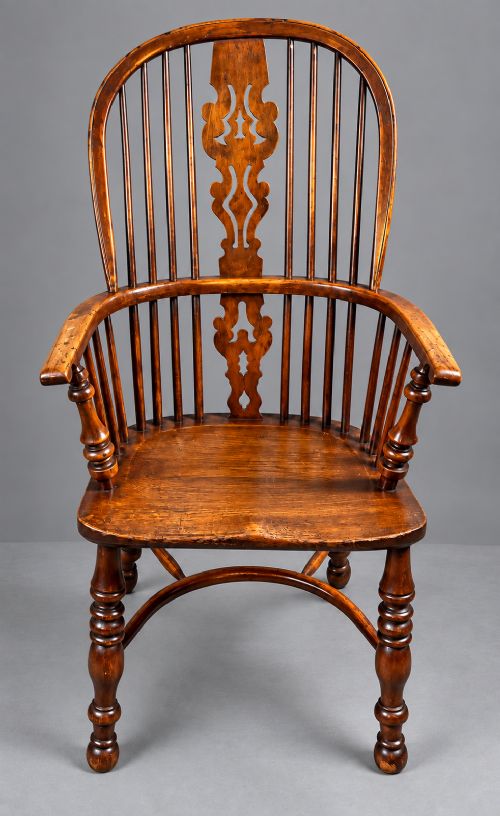
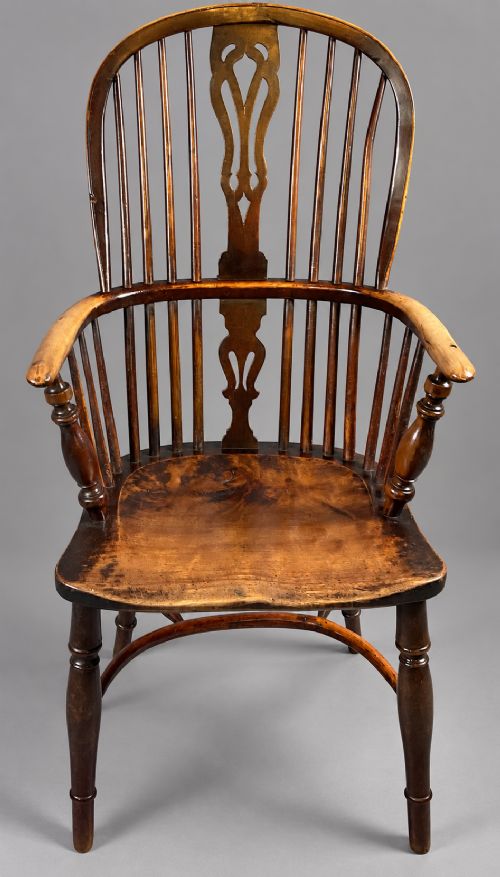
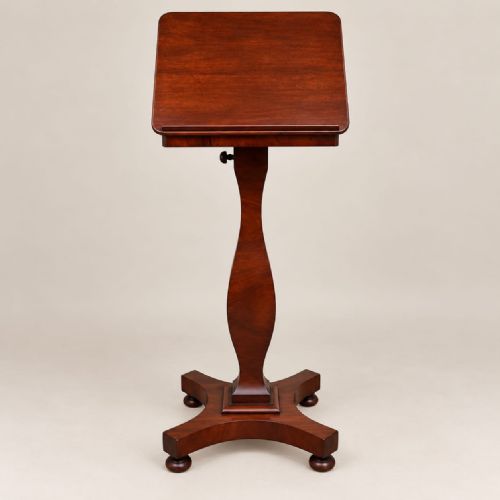
A 19th century wooden desk encompasses diverse writing furniture from the Victorian, Regency, and Georgian eras, spanning formal pedestals to country vernacular pieces. Buyers searching for a 19th century wooden desk encounter pedestal desks, kneehole desks, writing tables, and secretaire bookcases.
The material palette is predominantly mahogany, oak, and yew, often paired with elm, ash, and leather writing inserts. Victorian and Regency examples dominate the listings, showing distinct regional variations from urban workshops to country houses.
Materials and Technique
Cabinet makers utilised dense hardwoods like mahogany and oak for structural stability, frequently employing flame mahogany veneers to decorative surfaces. Secondary timbers such as pine and beech appear in drawer linings and internal framing.
Joinery techniques relied on traditional dovetailing for drawers and mortise and tenon joints for frames, ensuring durability across decades of daily writing use.
Writing furniture forms include pedestal desks, kneehole desks, writing tables, and bureau bookcases.
Craftsmanship and Proportion
Quality separates through the selection of timber figures, such as matched flame mahogany grain, and the precision of drawer dovetails. Superior examples retain original brass hardware, fitted interior stationery compartments, and working locks.
Proportion and structural integrity define the higher tier of these desks, where secondary woods are chosen with care and carving is executed with crisp definition rather than soft detailing.
The 19th Century Wooden Desk Glossary
- Pedestal desk
- A freestanding desk comprising two supporting pedestals of drawers beneath a main writing surface. It provides substantial storage and a finished back for central room placement.
- Kneehole desk
- A compact desk featuring a central recess for the user's legs, flanked by banks of drawers. This form allows efficient use of space while maintaining multiple storage compartments.
- Secretaire
- A cabinet or bookcase incorporating a drop-front writing drawer that conceals small pigeonholes and letter drawers. The fold-down flap provides a horizontal writing surface when opened.
- Flame mahogany
- A veneer cut from the branch junction of a mahogany tree, displaying a distinctive feather-like flame pattern. Cabinet makers used this decorative grain on prominent surfaces like drawer fronts.
- Dovetail
- A box joint interlocking wedge-shaped fingers of timber for robust drawer construction. Hand-cut dovetails indicate earlier 19th century production before industrial machinery standardisation.
19th Century Wooden Desk: Frequently Asked Questions
How do I identify a pedestal desk?
A pedestal desk consists of two independent drawer columns supporting a single top slab. The rear is often finished so the piece can sit away from a wall.
Fitted writing slides and central drawers frequently accompany these larger mahogany structures.
Are these desks suitable for daily work?
Many period desks accommodate modern writing tasks, though historical knee clearance can be lower than contemporary office furniture. Leather writing inserts provide a stable, flat surface for paperwork.
Pedestal and writing tables offer sufficient top area for laptops and daily organisation.
How do I care for mahogany surfaces?
Maintain timber with traditional beeswax to nourish the grain and preserve the polished finish. Avoid placing wooden desks near direct heat sources or strong sunlight to prevent veneer cracking.
Regular dusting with a soft cloth protects the historical patina.