

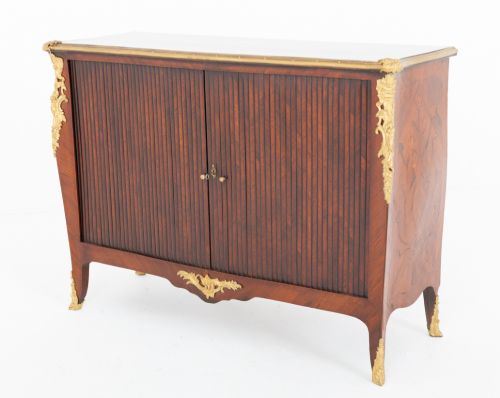
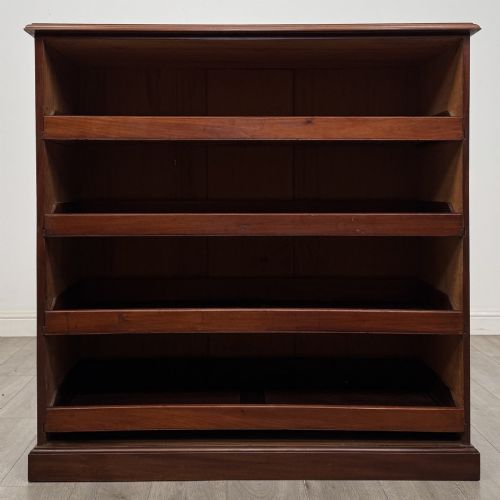
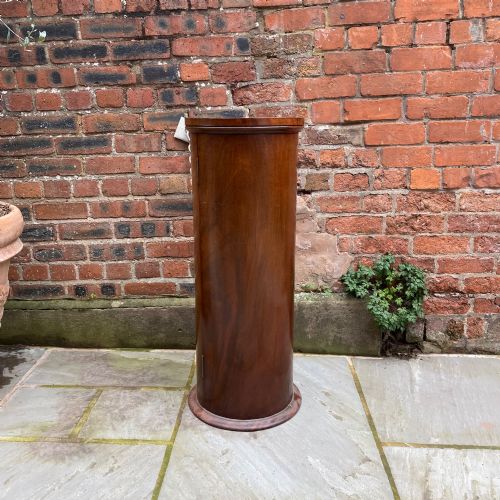
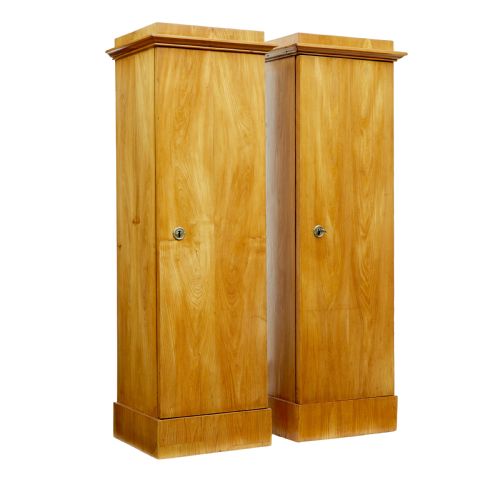
19th Century Wooden Cabinet
A 19th century wooden cabinet brings solid craftsmanship and rich timber grain into a room, offering practical storage with historic character.
19th Century Wooden Cabinet
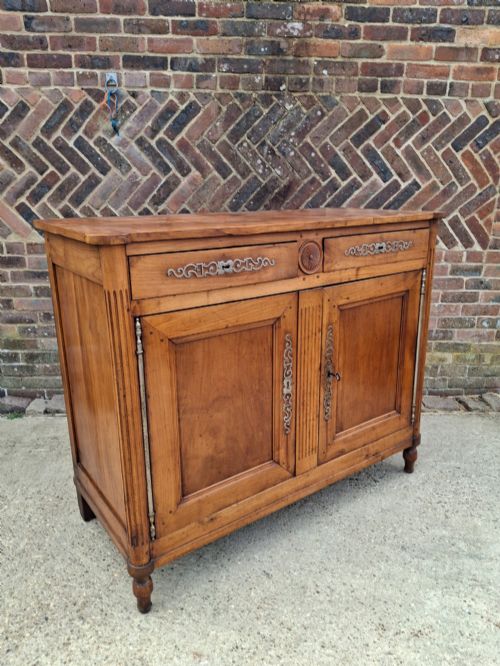
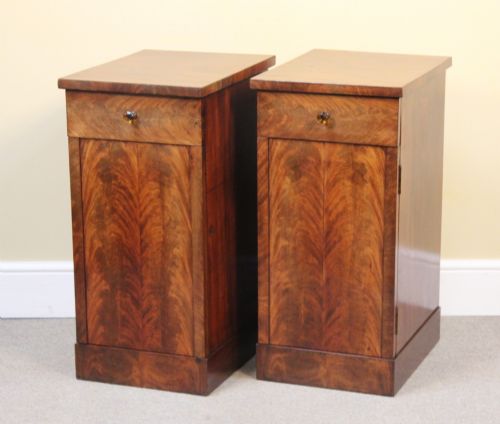
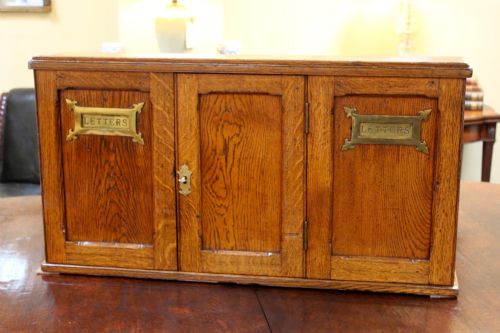
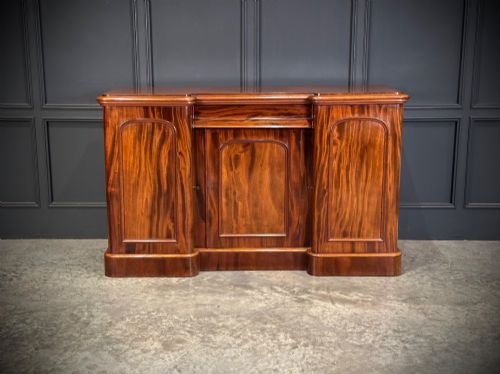
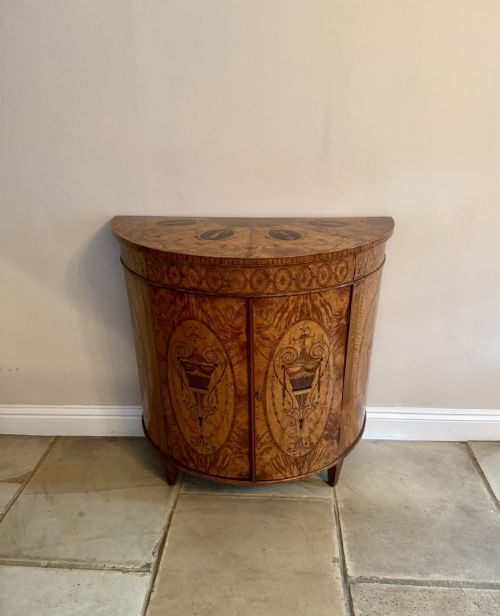
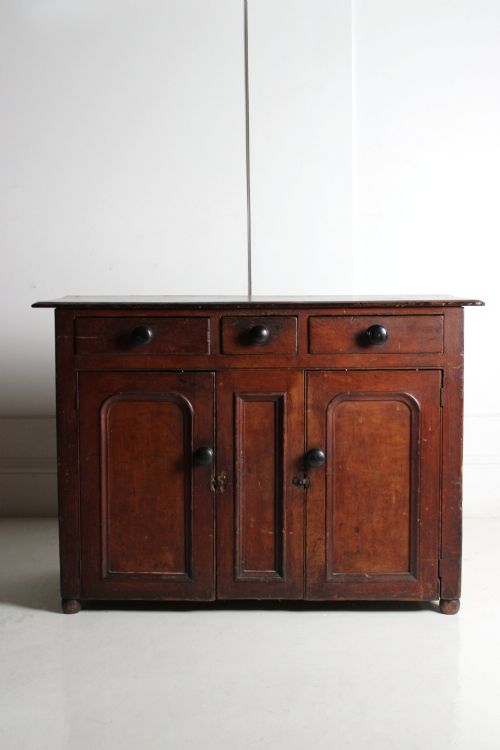
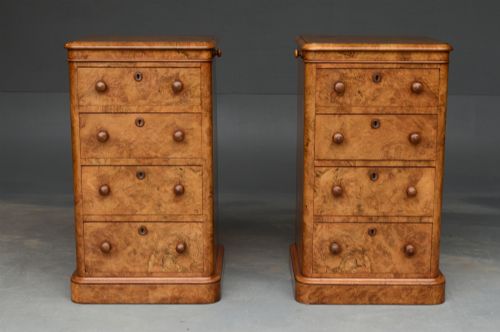
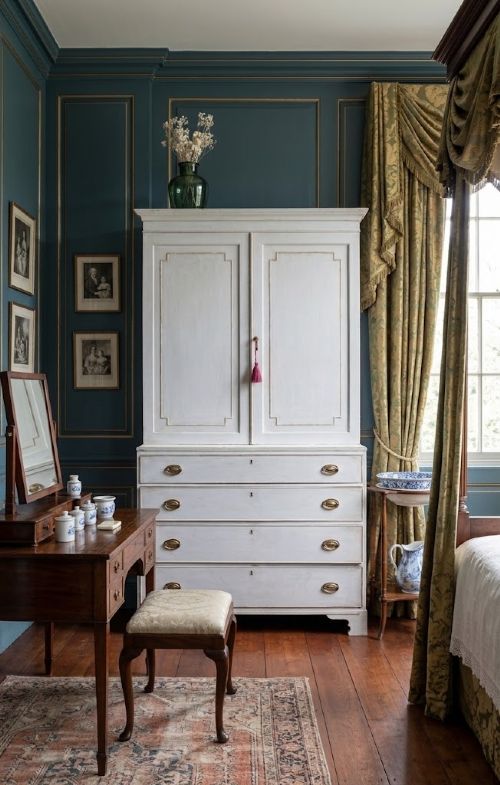
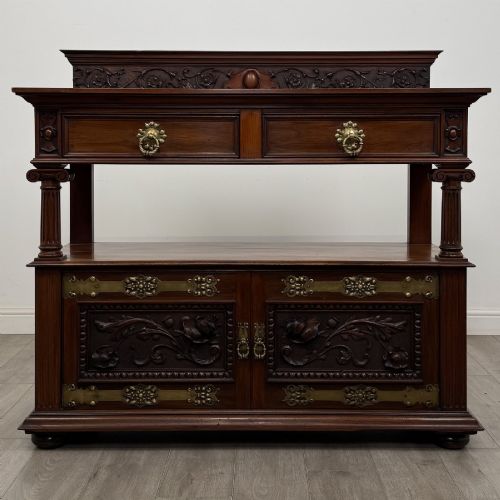
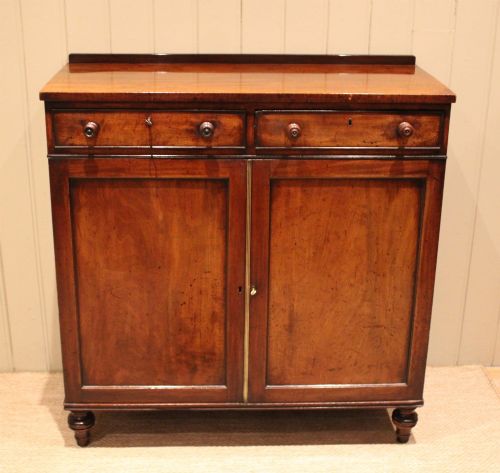
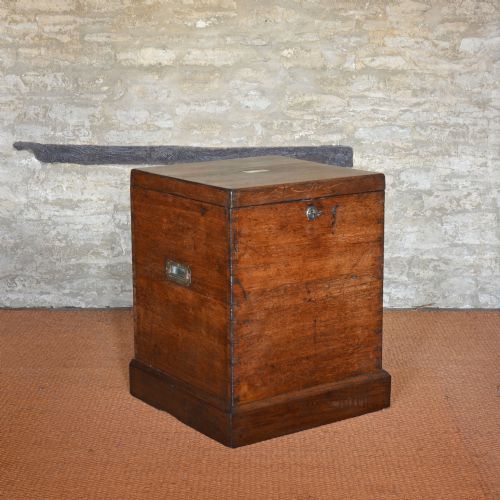
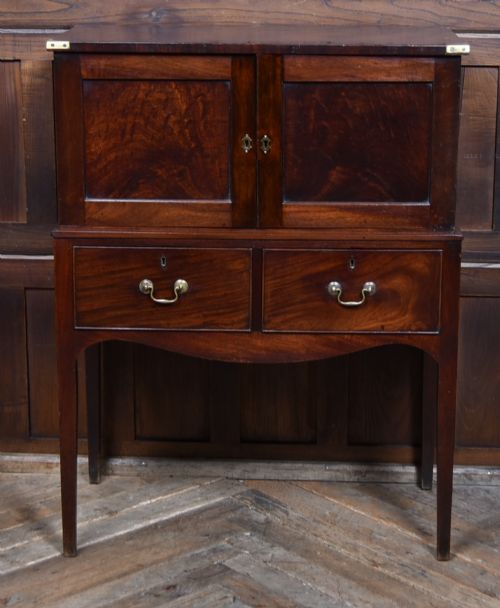
A 19th century wooden cabinet encompasses a diverse range of domestic storage forms, from large sideboards and linen presses to compact bedside tables and miniature chests of drawers.
Mahogany and walnut dominate the selection, appearing alongside oak, pine, ash, and exotic timbers like amboyna and padouk within Victorian, Regency, and William IV periods.
Buyers frequently encounter chiffoniers, side cabinets, and bookcases reflecting regional British designs as well as French, Swedish, and Anglo-Indian influences.
Materials and Technique
Cabinetmakers utilised solid timbers and figured veneers, applying flame mahogany and burr walnut to primary surfaces while employing secondary woods like pine for internal linings.
Construction methods relied on traditional joinery, including dovetail drawers and panelled doors, complemented by brass hardware, turned columns, and carved decorative elements.
Surface finishes involved hand-applied polish that accentuated the natural grain patterns of the wood, alongside occasional painted or Chinoiserie decorated treatments.
19th Century Wooden Cabinet Retail Price Guide 2026
Typical asking prices for 19th century wooden cabinet among the pieces listed under this phrase on Sellingantiques today, from the lower quarter to the upper quarter. They describe what is for sale here now, not the wider market.
Mahogany, walnut, and oak dominate the timber selection, appearing across periods from Regency through to late Victorian.
Character and Construction
The degree of refinement in timber selection dictates visual distinction, where highly figured veneers and matched grain patterns elevate a piece above standard stock.
Sophistication of internal fittings, such as secret compartments, fitted collectors drawers, and original brass hardware, separates utilitarian storage from exceptional cabinet work.
G. Bartholomew & Co
The 19th Century Wooden Cabinet Glossary
- Linen Press
- A tall two-part storage piece with sliding trays enclosed by upper doors, sitting above a chest of drawers.
- Chiffonier
- A compact sideboard popular during the Regency and Victorian eras, typically featuring a low tier of shelving or a mirrored back above enclosed cupboards.
- Flame Mahogany
- A veneer cut from timber where the grain creates a distinctive flickering flame pattern across the surface.
- Credenza
- A low dining room or parlour cabinet, often decorated with marquetry or inlay, originating from continental traditions.
- Pollard Oak
- Timber taken from trees that have been pollarded, producing dense clusters of knots and highly figured grain patterns.
19th Century Wooden Cabinet: Frequently Asked Questions
What is a 19th century wooden cabinet used for?
These pieces provide versatile storage solutions for modern homes, functioning as sideboards in dining areas, media consoles, or display storage in living spaces.
Smaller variants such as bedside tables and miniature chests suit tighter layouts while maintaining historical presence.
How do I identify a Regency cabinet?
Regency pieces often display classical architectural influences, including brass inlay, reeded columns, and dark native or exotic timbers.
They favour clean, symmetrical lines that separate them from the more exuberant carved ornamentation of later Victorian items.
Are these cabinets made of solid wood?
Most examples combine solid structural frames with high-grade veneers on primary surfaces to achieve decorative grain effects without structural warping.
Secondary woods like pine or oak frequently appear on drawer linings and interior carcases.
How should I care for a polished wood surface?
Maintain the finish by avoiding direct sunlight and excessive humidity fluctuations that can affect old timbers and veneers.
Apply a microcrystalline wax periodically to nourish the wood and protect the traditional polished surface.