
19th Century Wingback Chair
A 19th century wingback chair offers deep comfort and draught-excluding wings that define traditional fireside seating.
19th Century Wingback Chair
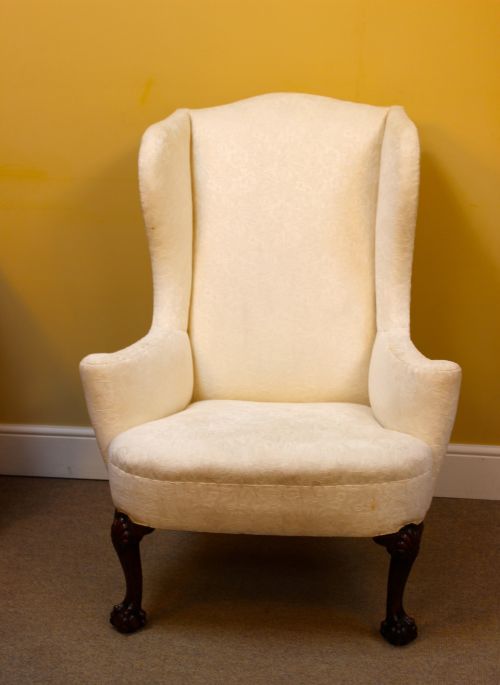
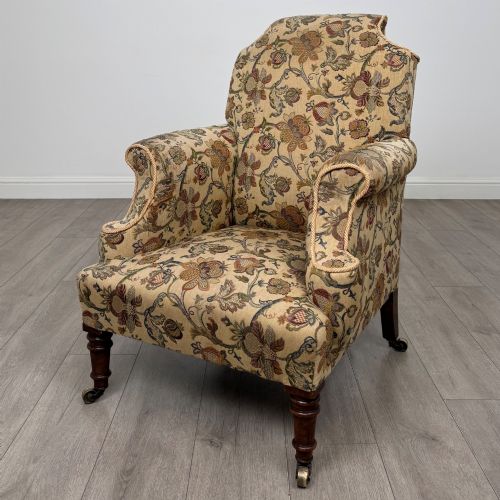
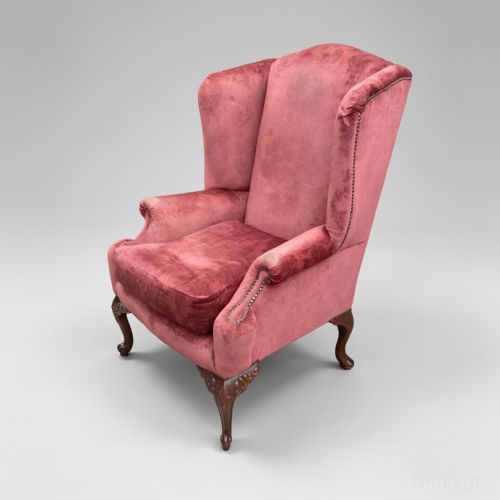
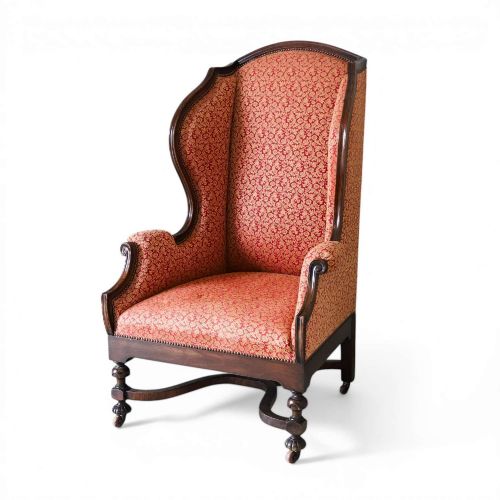
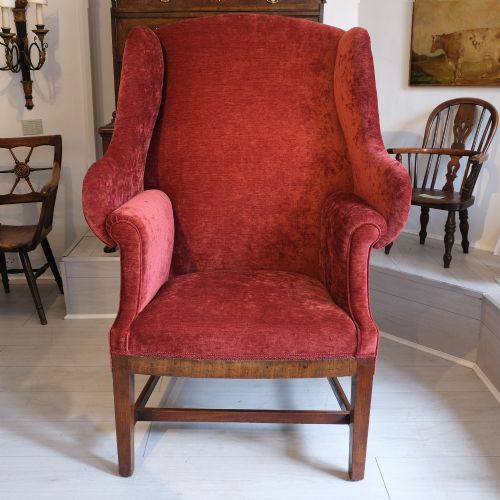
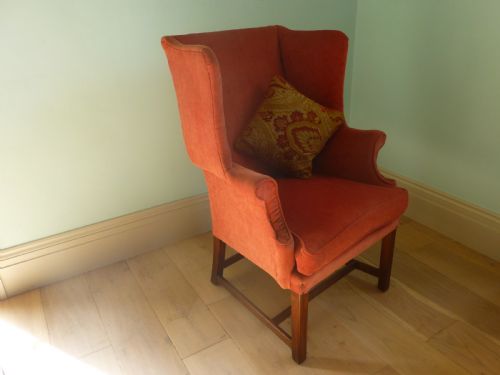
A 19th century wingback chair provides a substantial seat enclosed by characteristic side panels designed to shield the sitter from draughts. The selection ranges from compact reading seats to large library armchairs with generous proportions.
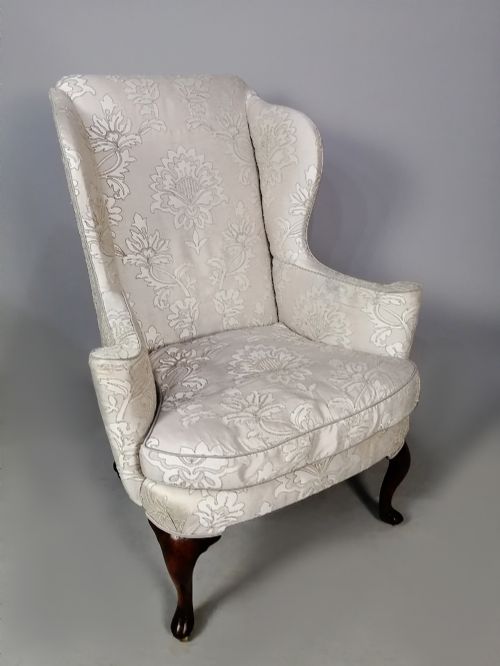
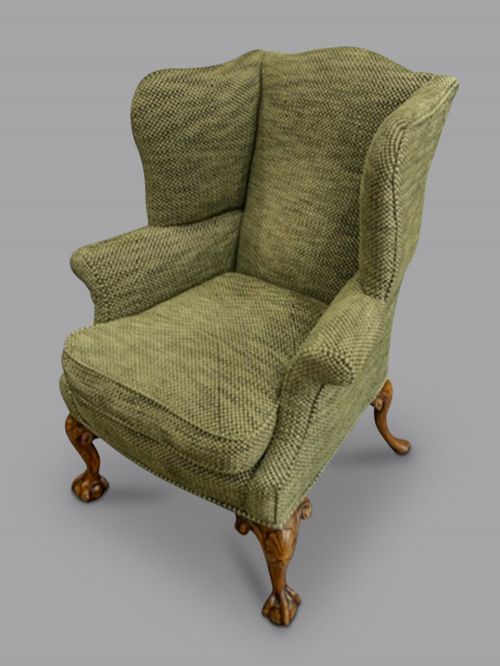
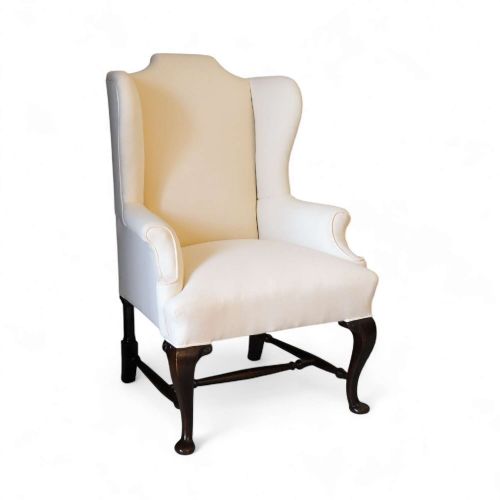
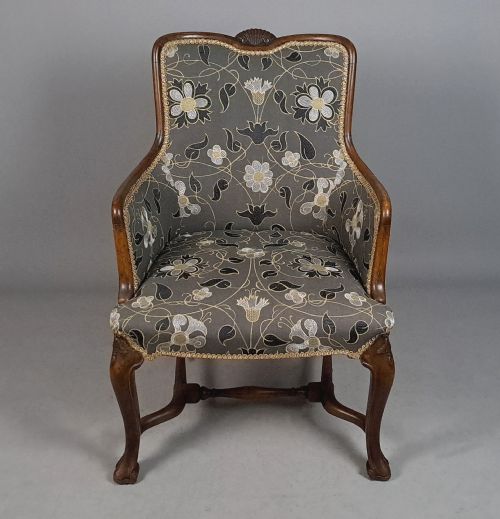
Most examples originate from the Victorian era and span revivals including Queen Anne, Chippendale, and Carolean styles. Frameworks appear in mahogany, walnut, oak, and timber, often shaped with cabriole legs.
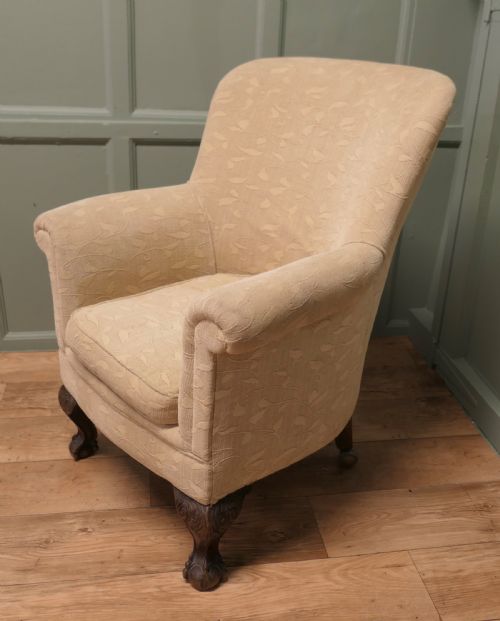
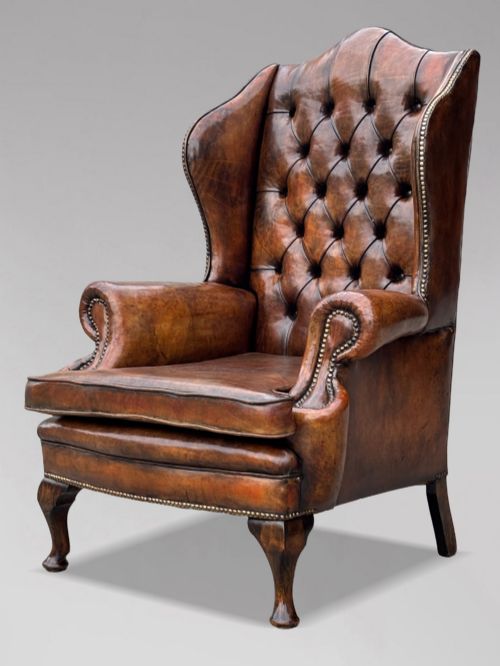
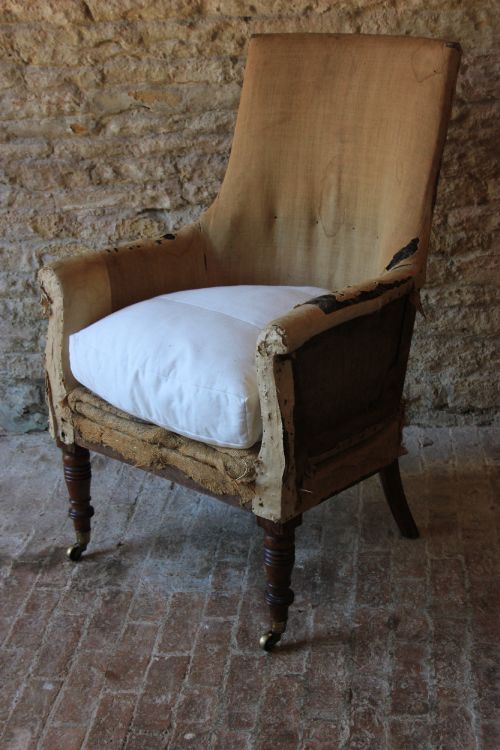
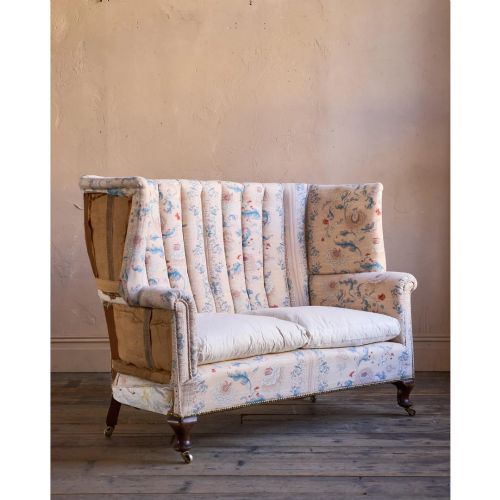
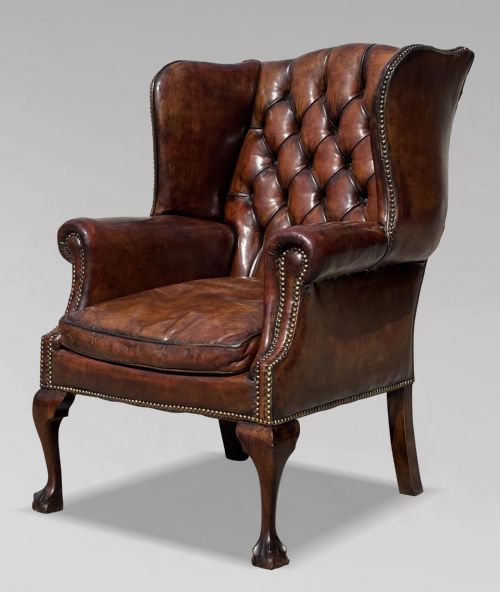
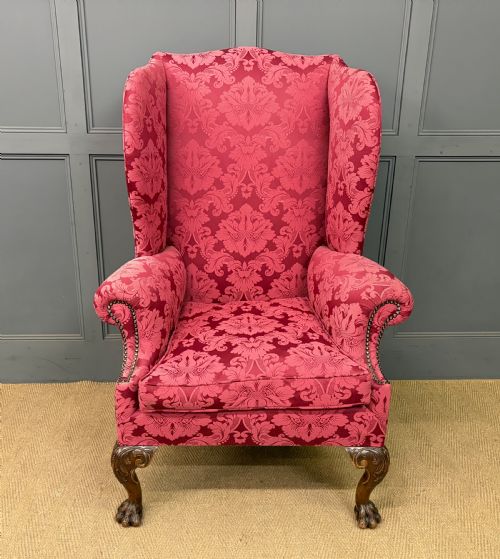
Upholstery varies from plain calico awaiting top fabric to buttoned brown leather, linen, damask, and chenille twill. Occasional variants include tub chairs, reclining mechanisms, and matching footstools.
How they were made
Frames are constructed from sturdy timbers such as mahogany, walnut, and oak, providing the rigid skeleton needed to support heavy internal padding. Visible woodwork on legs often shows carved details like cabriole curves.
Traditional upholstery techniques layer natural stuffings within covers of leather, linen, damask, fabric, or calico, secured occasionally with brass detailing. Frames accommodate heavy springing and buttoning on backs for structural tension.
Listings feature timber frames in mahogany, walnut, and oak, paired with leather, linen, damask, and calico upholstery.
What varies in quality
The integrity of the underlying timber frame and the precision of the carved woodwork dictate the foundation of the piece. Substantial proportions and well-defined revival styling indicate superior construction.
The choice and condition of covering materials, from hand-coloured leather to woven damask and calico, alter the character and historical fidelity of the seating. Original upholstery elements and branded maker stamps elevate historical interest.
Howard and Sons
The 19th Century Wingback Chair Glossary
- Wingback
- An upholstered armchair featuring protective side panels attached to the arms to deflect fireside draughts. These defining projections evolved from earlier enclosed seating forms.
- Cabriole leg
- A furniture leg that curves outward at the knee and tapers inward toward the foot, commonly seen on walnut and mahogany frames. This shape mimics animal limbs and appears frequently in revival designs.
- Calico
- A plain-woven cotton fabric used as an interim upholstery layer on frames awaiting final textile selection. Many antique pieces are offered in this unadorned state.
- Buttoning
- A method of securing upholstery stuffing by pulling twine through the padding to form a diamond pattern with recessed buttons. This technique provides tension and firm support on leather backs.
- Damask
- A reversible figured fabric woven on a jacquard loom, frequently utilised for decorative period upholstery. Patterns typically feature floral or architectural motifs.
19th Century Wingback Chair: Frequently Asked Questions
What is a wingback chair?
A wingback chair is an upholstered seat featuring high side panels designed to trap heat and block cold draughts around the head and shoulders. These pieces historically served as comfortable fireside or reading chairs.
Nineteenth-century versions adapt earlier Georgian, Queen Anne, and Carolean silhouettes while maintaining the protective wings and deep proportions.
What is calico stage upholstery?
The calico stage refers to a chair upholstered in plain cotton fabric without a decorative top layer. This intermediate state allows a buyer to apply their own chosen fabric.
Frames offered at this stage retain their traditional internal stuffing and spring work while leaving the final aesthetic decision open.
How do I identify a 19th-century wing chair?
Examination of the timber frame, leg style, and construction methods reveals the period of manufacture. Nineteenth-century makers frequently reinterpreted 18th-century styles like Chippendale and Queen Anne.
Materials such as mahogany, walnut, and leather, combined with traditional hand-stitching and buttoning, confirm the age of the piece.