
19th Century Wing Armchair
When you select a 19th century wing armchair, you choose a substantial piece designed to keep draughts away from the fire.
19th Century Wing Armchair
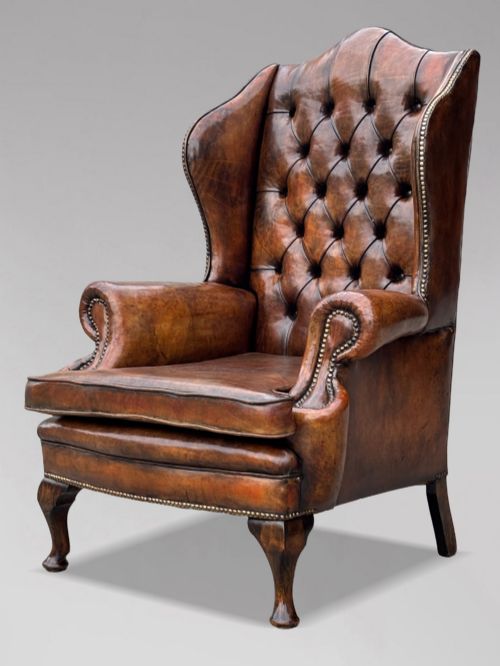
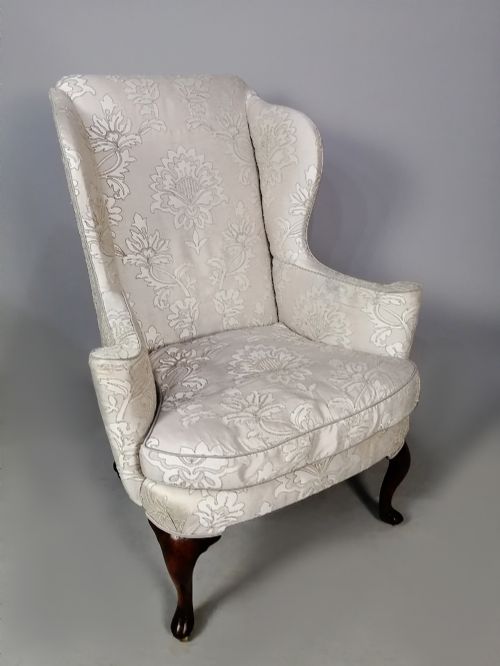
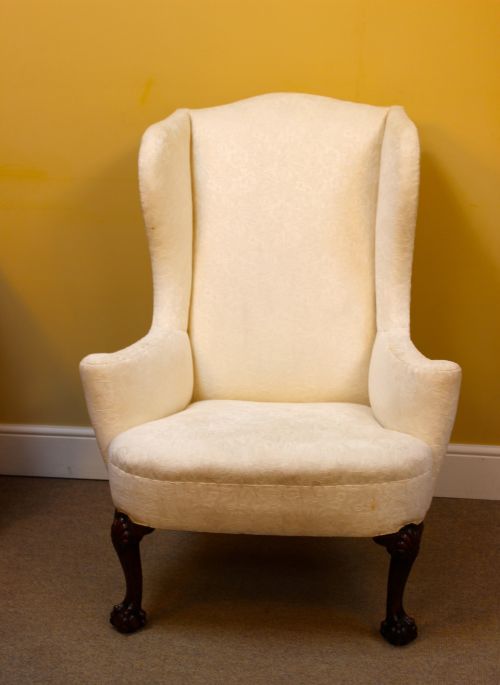
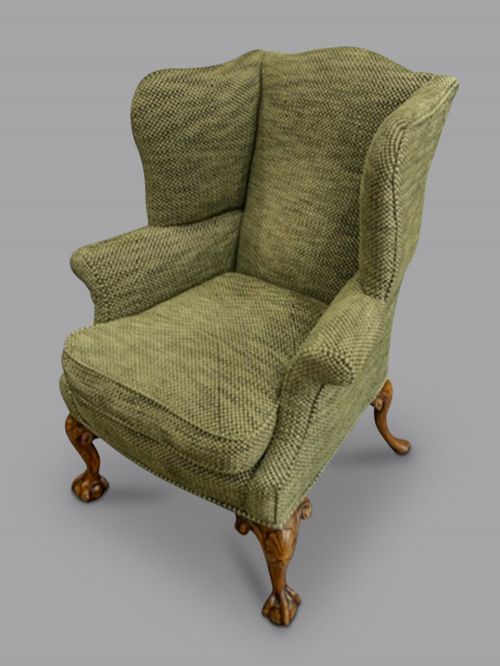
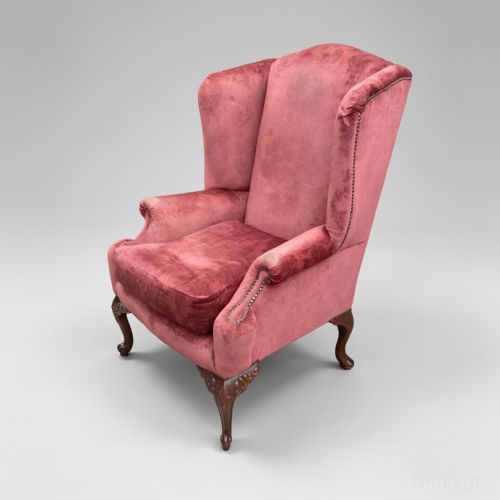
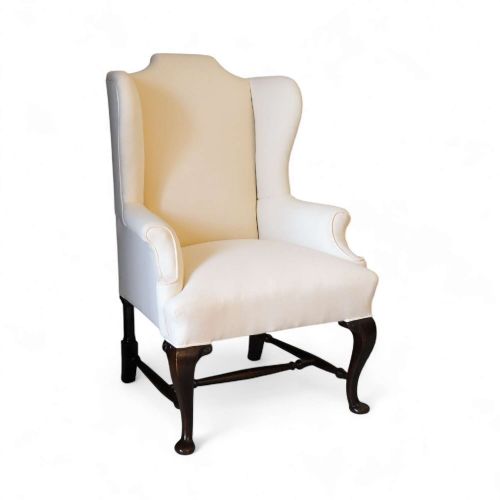
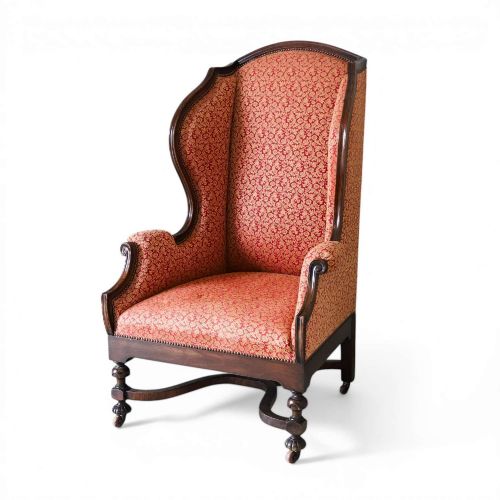
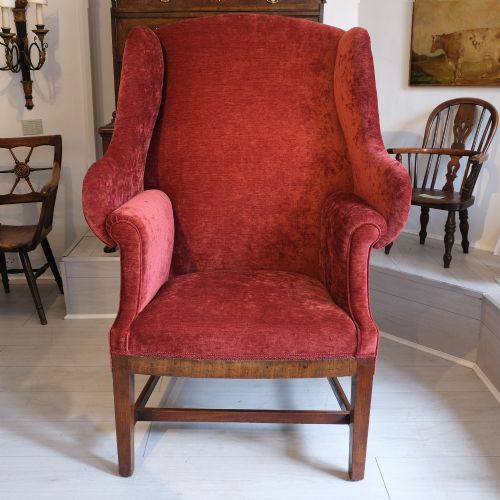
A 19th century wing armchair serves as a traditional fireside seat, characterised by high backs and protective side panels known as wings. These seats evolved through various revivals, meaning you will frequently encounter examples drawing inspiration from earlier George II, Queen Anne, and Carolean styles.
The materials span sturdy timbers like mahogany, walnut, and oak, often paired with leather, velvet, or linen upholstery. While standard armchairs and sofas appear in the records, the defining form remains the deep-seated wing chair designed for comfort and warmth.
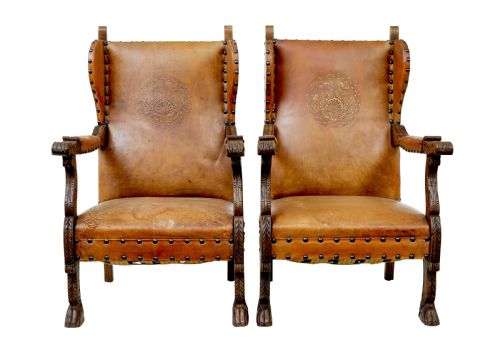
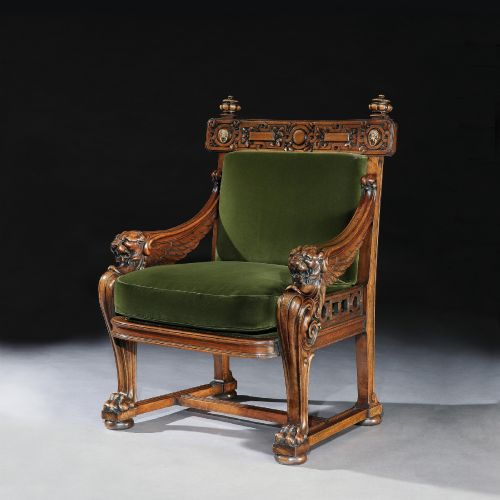
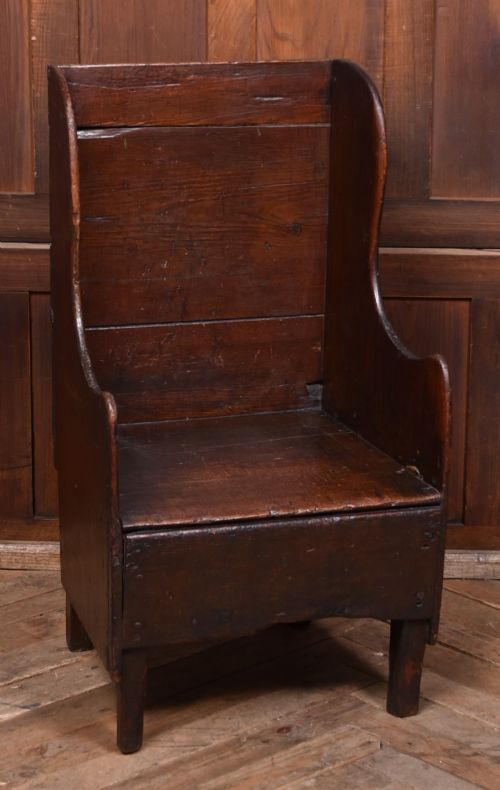
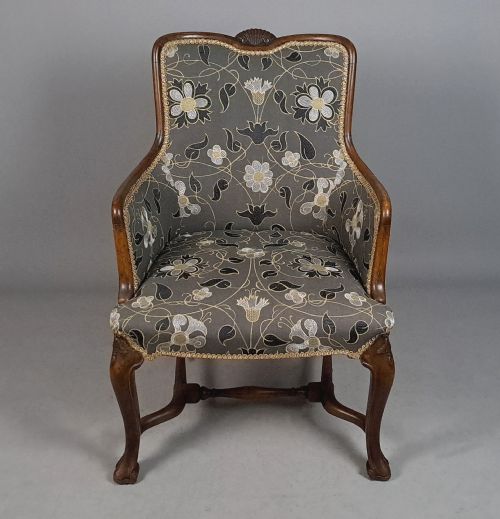
Examples on this page range from plain oak frames with embossed leather to walnut models standing on cabriole legs. Makers and craftsmen frequently interpreted historic designs, producing both formal drawing-room chairs and robust country house seating.
Materials and construction methods
Frames rely primarily on dense hardwoods such as mahogany and walnut, selected for their structural stability and ability to support carved details. Oak appears in earlier or regional vernacular pieces, providing a heavier framework.
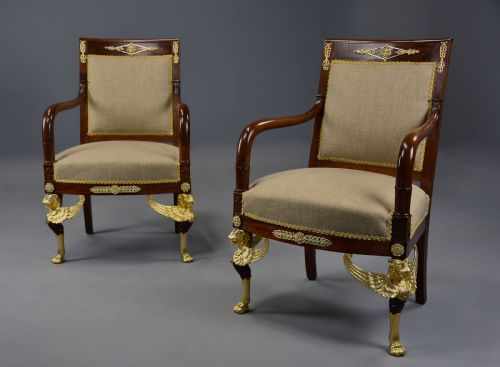
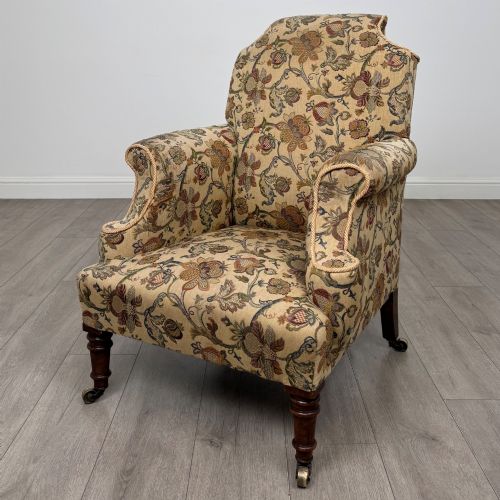
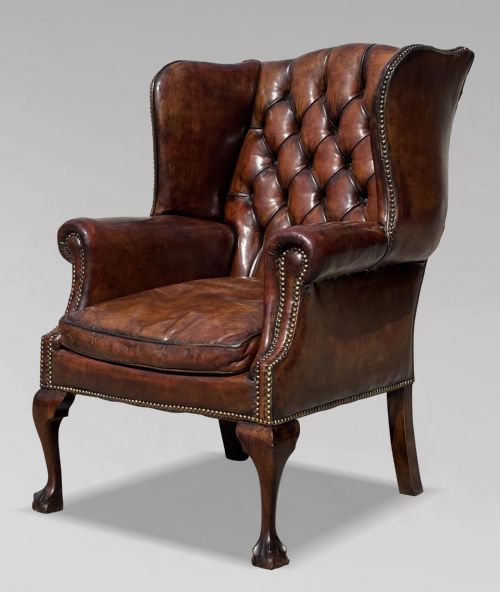
Upholstery techniques combined traditional stuffing methods with hand-applied brass tacks or buttoning, securing materials like leather, chenille twill, and velvet over the wooden carcass.
Listings feature frames constructed from mahogany, walnut, and oak, upholstered in leather, velvet, linen, and chenille twill across various revival styles.
Distinguishing quality across the range
The distinction between standard and superior pieces rests upon the crispness of the timber carving and the integrity of the underlying frame construction. Finer examples display carefully proportioned cabriole legs, well-defined wing curves, and substantial hardwood chassis.
Upholstery execution and material selection dictate much of the character, with hand-coloured leather or deep buttoning representing a higher tier of workshop output compared to simple fabric coverings.
Howard and Sons
The 19th Century Wing Armchair Glossary
- Wingback
- A chair design featuring projecting side panels attached to the back, originally intended to trap heat from a fireplace and block draughts.
- Cabriole leg
- A furniture leg featuring a double curve, typically arching outward and then tapering inward to a pad or claw foot.
- Monopodia
- A furniture support carved to resemble a single animal leg, often terminating in a paw or claw.
- Barrel back
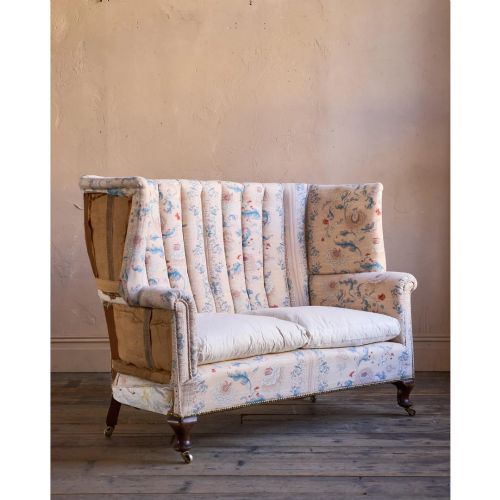
- A seating form where the upholstered back curves continuously into the arms in a rounded, enclosing shape.
- Buttoning
- An upholstery technique where twine is pulled through the padding and secured with buttons to create a diamond-patterned indented surface.
19th Century Wing Armchair: Frequently Asked Questions
What is a wing armchair used for?
These chairs were historically placed near hearths to shield the occupant from cold draughts while retaining heat from the fire.
Today, they function as prominent living room seating or reading chairs that anchor a traditional interior scheme.
How do I identify the period of a wing chair?
Dating relies on examining the timber species, leg profiles, and the stylistic revival details present in the woodwork.
Comparing the construction methods to documented pieces from the Victorian era or earlier Georgian revivals helps confirm the decade of manufacture.
Are these chairs comfortable for daily use?
The deep seats and high backs provide substantial support, though comfort often depends on the condition of the internal webbing and padding.
Many examples have been restored or reupholstered to suit modern sitting preferences while maintaining their historic frames.
What wood types should I expect to find?
Mahogany and walnut predominate among formal pieces, offering a polished finish and suitability for intricate carving.
Oak appears frequently in country house variants and earlier revival styles, providing a heavier, more rustic appearance.