




19th Century Wildlife Art
Nineteenth century wildlife art captures the natural world through period paintings, bronzes and carvings that bring historic animal subjects straight into the room.
19th Century Wildlife Art
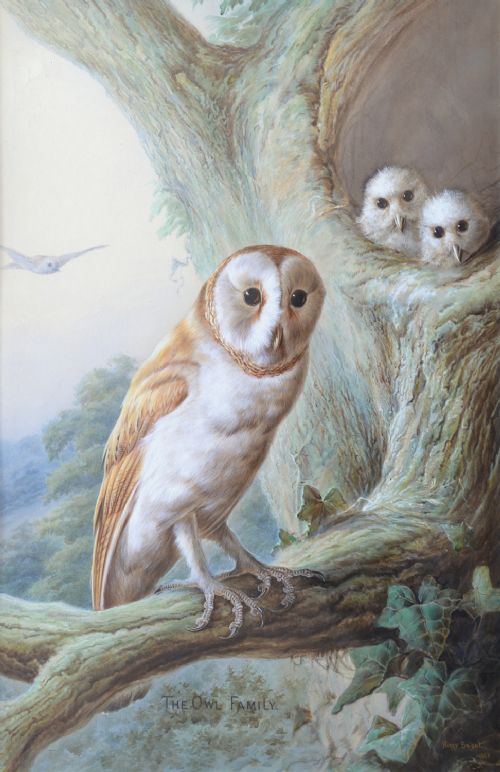
When you search for 19th century wildlife art, you encounter a diverse range of depictions focusing on animals, birds and natural landscapes. These pieces span oil paintings, watercolours, prints, etchings and sculptures produced during the Victorian era and the broader nineteenth century.
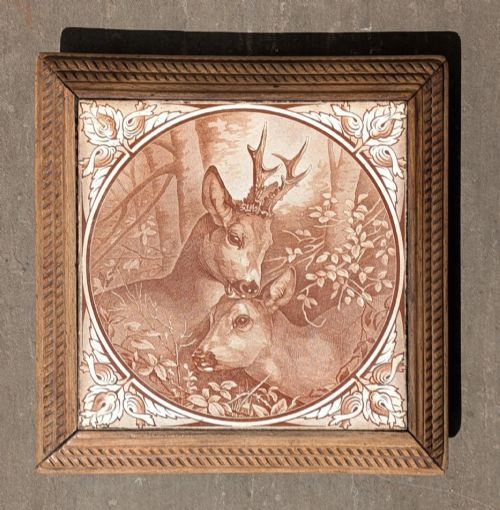
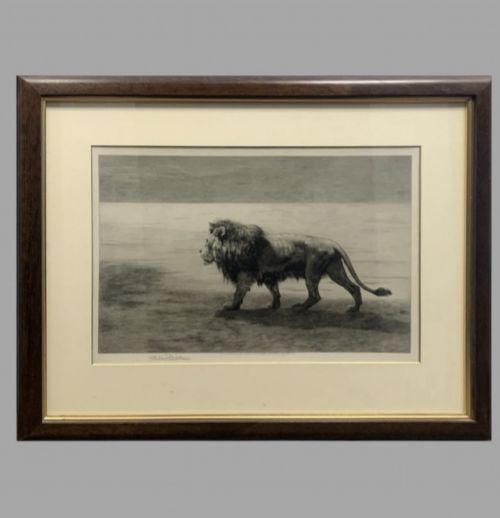
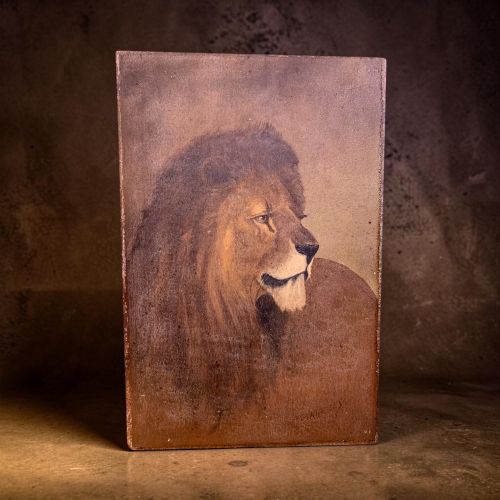
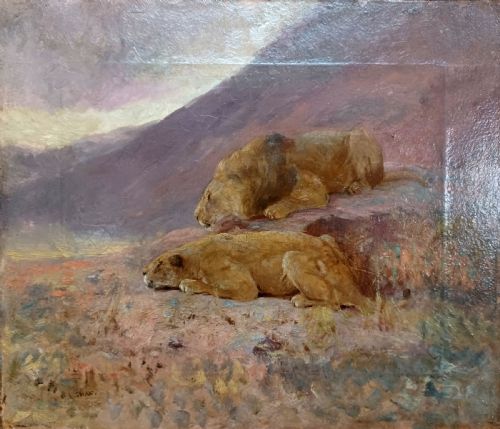
The most common versions on this page are oil paintings and watercolours depicting birds, deer, lions and foxes in natural settings. You will also find carved wooden figures and bronze sculptures representing creatures from domestic deer to exotic big cats.
The selection reflects both British and continental European traditions, including naive folk art alongside academic sporting art and naturalist studies. Pieces range from intimate drawings on paper to large landscape compositions and lifesize carved wooden animals.
How they were made
Artists and makers of this period relied on traditional materials such as oil paint on canvas or panel, watercolour and pastel on paper, and etching on vellum. Sculptural works were rendered in carved wood or cast bronze, often mounted on wooden stands or integrated into domestic objects.
Techniques varied from the delicate layering of watercolours for bird plumage to bold impasto brushwork in large oil paintings of animals in combat. Bronze pieces utilised casting methods standard to the period, while wooden sculptures show skilled hand carving and surface finishing.
A lifesize carved wooden antelope stands ready to keep watch beside your bookshelves.
What varies in quality
Quality in these works rests upon the anatomical accuracy and expressive capability of the depiction, whether in a painted study or a bronze casting. Finer pieces demonstrate a confident command of proportion, movement and light, capturing the vitality of the subject rather than a rigid likeness.
The sophistication of the medium and the handling of surface detail also divide the range. Skilled brushwork in oil paintings or crisp definition in etchings and bronzes distinguish ambitious fine art pieces from simpler naive or decorative works.
Herbert Dicksee·George Armfield·Cuthbert Edmund Swan·Thomas Blinks·Arthur Wardle·Constant Ludovic Artz·John Macallan Swan·Geza Vastagh·William Crampton·James Malcolm Stewart
The 19th Century Wildlife Art Glossary
- Etching
- A printmaking technique where lines are bitten into a metal plate with acid before being inked and pressed onto paper or vellum.
- Vellum
- A fine parchment made from calfskin, frequently used in the nineteenth century for high quality prints and artists proofs.
- Gouache
- An opaque water-based paint that provides solid, matte colour blocks, often combined with pastel or watercolour in natural history studies.
- Animalier
- A nineteenth century term for artists who specialised in realistic sculptures and paintings of animals.
- Meiji Period
- The era in Japanese history from 1868 to 1912, known in metalwork and sculpture for highly detailed bronze castings of wildlife.
19th Century Wildlife Art: Frequently Asked Questions
How do I identify the period of wildlife art?
Look closely at the materials, framing methods and signatures associated with the work, as these often point directly to nineteenth century production methods.
Contextual clues such as artist records, subject matter conventions and backing materials also help confirm the era.
Are these pieces originals or reproductions?
The inventory consists of period originals, including unique oil paintings, watercolours, drawings and hand-pulled etchings created during the nineteenth century.
Sculptural works and bronze casts likewise date from the period rather than being modern copies.
How should I care for nineteenth century art on paper?
Keep watercolours, drawings and prints away from direct sunlight to prevent fading of the delicate pigments used in the period.
Mount and frame works using acid-free materials and maintain stable indoor humidity levels to protect the paper or vellum.
What is the difference between sporting art and naturalism?
Sporting art typically focuses on hunting scenes, game animals and working dogs with a narrative element set in the countryside.
Naturalism aims for scientific or artistic observation of animals in their habitats without the sporting context.