


19th Century Tool
A 19th century tool is a utilitarian object forged from metal, turned from wood or bound in leather for specific trades and domestic tasks.
19th Century Tool
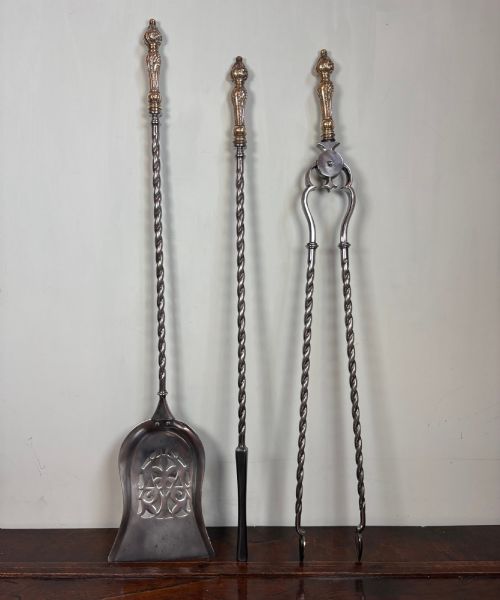
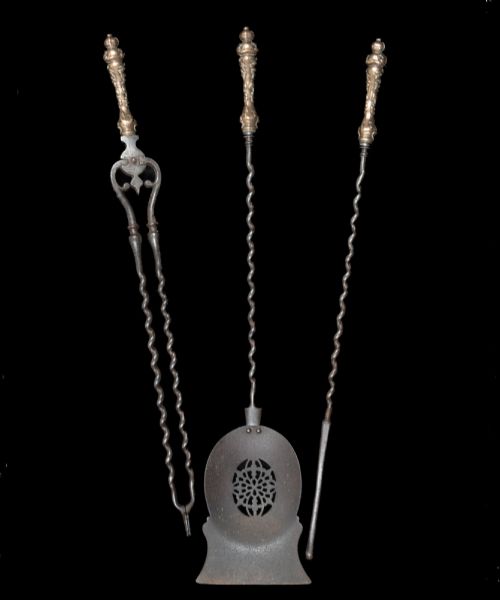
A search for a 19th century tool brings together diverse implements spanning domestic hearths, scientific laboratories and artisan workshops. Buyers encounter everything from heavy steel fire irons and brass pipe tampers to specialised instruments like veterinary lancets and spectroscopes.
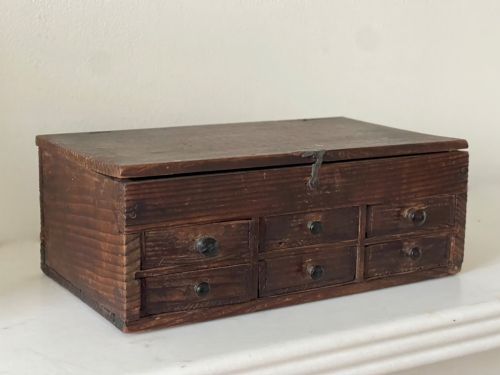
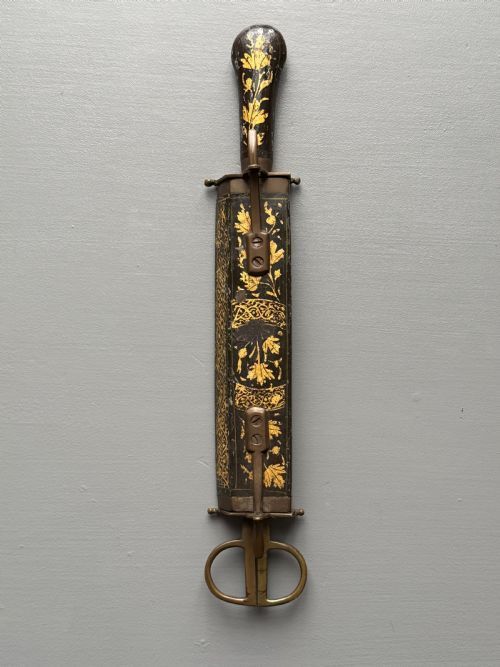
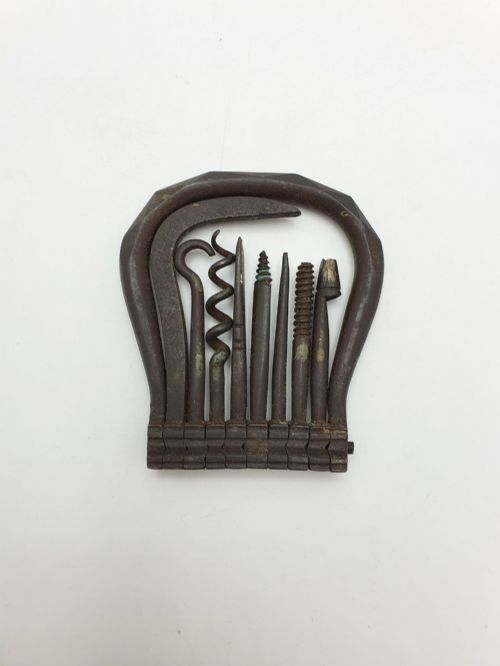
Domestic and craft utensils dominate the selections, alongside scientific and medical apparatus housed in fitted mahogany or pine cases. Forms range from utilitarian iron folding multi tools and farrier's anvils to delicate French silver gilt sewing compendiums and chatelaines.
The materials reflect practical use, utilising durable combinations of brass, iron, steel, fruitwood, mahogany and leather. Pieces frequently date across the Victorian, Regency and William IV periods, showcasing regional British vernacular alongside French and Dutch craftsmanship.
Materials and construction methods
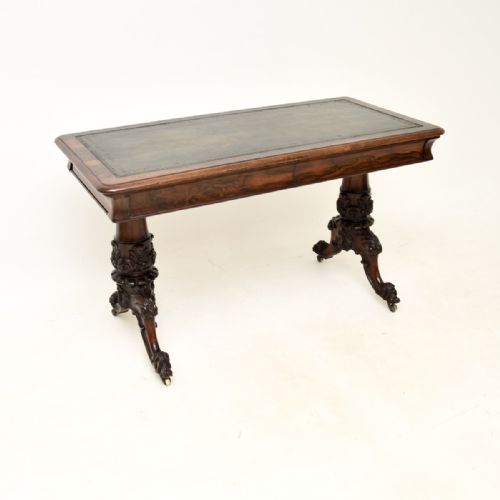
Makers combined metals like brass, iron and polished steel with dense timbers such as mahogany, fruitwood, pine and rosewood. Fire irons and multi tools rely on forged steel and cast brass, whilst scientific instruments and sewing boxes utilise fine cabinet woods lined with velvet.
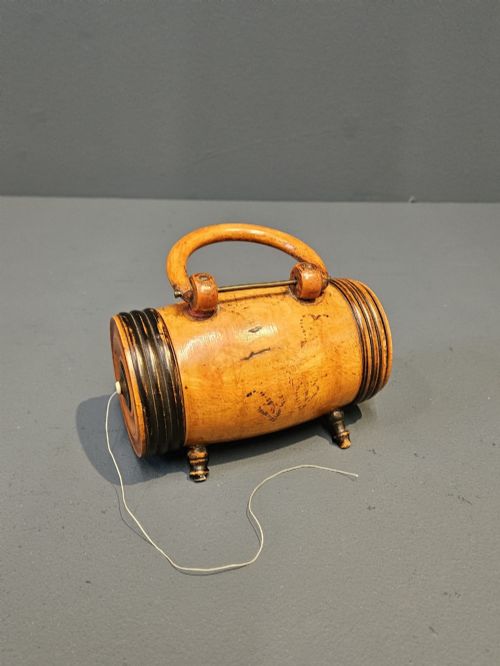
Woodworking techniques produced turned treen knitting sheaths, string barrels and hay rakes using simple lathes and hand tools. Metalwork involved hand forging, silver gilding, and precise assembly for scientific devices like drainage levels and tape measures.
19th Century Tool Retail Price Guide 2026
Typical asking prices for 19th century tool among the pieces listed under this phrase on Sellingantiques today, from the lower quarter to the upper quarter. They describe what is for sale here now, not the wider market.
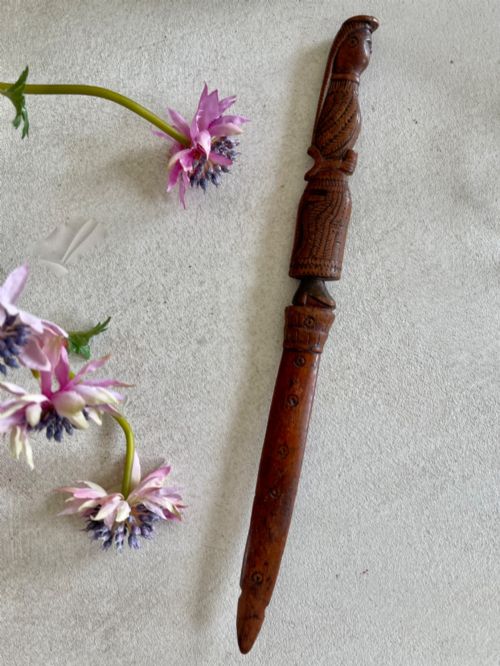
A fish-shaped wooden knitting sheath waits quietly to hold someone's stray needles.
Distinctions in quality
Quality rests in the precision of the mechanics, the integrity of the materials, and the survival of original fitted cases or associated components. Fine scientific instruments and sewing compendiums display crisp engraving and robust joints, whereas vernacular items rely on honest, robust construction from local timbers.
The degree of wear shows how heavily an implement was used in trade or daily life. Superior examples retain their original surface patination, unblemished leather tops, and complete sets of matching tools without replacement parts.
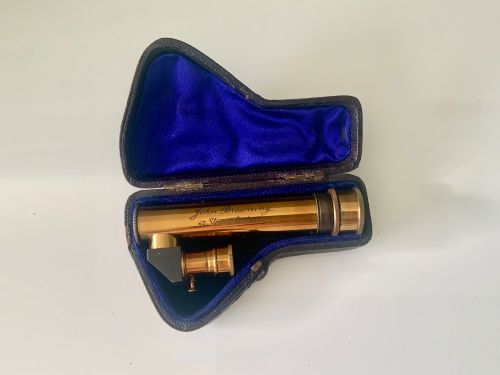
John Browning Strand London·L Casella & Co
The 19th Century Tool Glossary
- Treen
- Small utilitarian household objects made of wood. These pieces were turned or carved for domestic utility.
- Chatelaine
- A decorative belt hook suspended with working attachments. It typically held sewing tools, keys, or vinaigrettes.
- Farrier
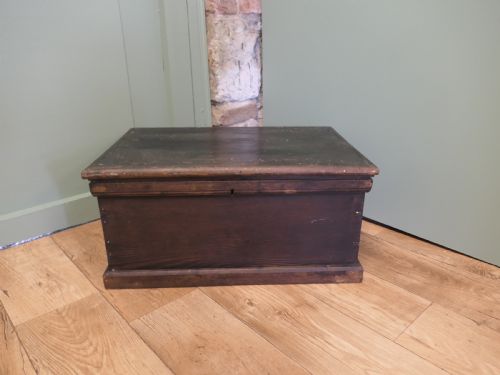
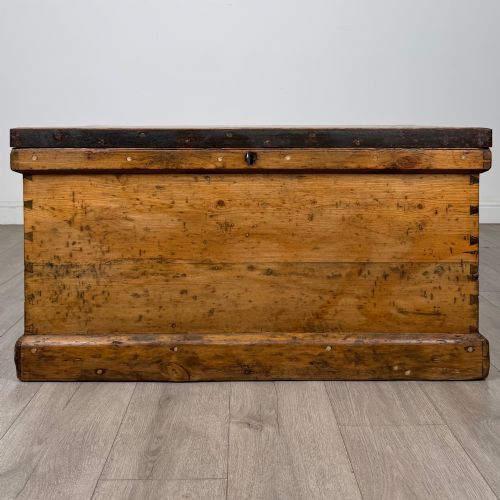
- A specialist in equine hoof care and shoeing. Farriers utilised heavy iron anvils mounted on timber trunks.
- Spectroscope
- An optical instrument used to measure properties of light over a specific portion of the electromagnetic spectrum. John Browning produced notable examples in London.
- Etui
- A small ornamental case for holding needles, cosmetics, or small instruments. These were often finished in silver or ormolu.
19th Century Tool: Frequently Asked Questions
What defines a 19th century tool?
A 19th century tool is any implement manufactured during the eighteen-hundreds for trade, science, domestic maintenance, or personal craft. These range from heavy fireplace irons to delicate silver sewing compendiums.
They are categorised by the materials of their era, such as forged steel, turned fruitwood, and fitted mahogany cases, reflecting the specific demands of Victorian and Regency life.
How were scientific instruments housed?
Scientific apparatus from this period, including spectroscopes and drainage levels, were typically fitted into bespoke wooden boxes made of mahogany or pine. These cases often featured brass hardware and interior velvet linings.
The fitted enclosures protected delicate lenses and needles during transport and field use.
Are sewing tools commonly found?
Sewing implements appear frequently, ranging from simple treen pincushions to elaborate French silver gilt chatelaines and etui boxes. These items serviced the domestic requirement for garment upkeep and handcrafts.
Materials varied from modest turned wood to precious metals, gold leaf, and gemstones.
How do I identify a Victorian fireplace tool?
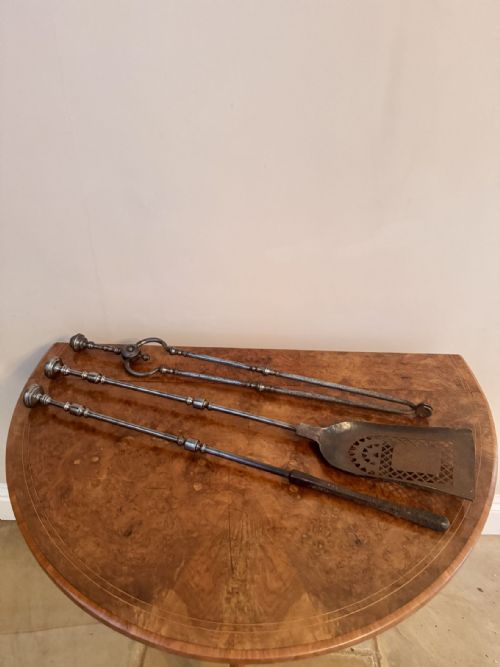
Fireplace tools from the Victorian era typically comprise matched sets of steel and brass pokers, tongs, and shovels. They were designed to manage coal or wood fires in domestic hearths.
Quality sets display balanced weight, polished steel shafts, and cast brass handles in styles spanning Regency to Arts and Crafts.