


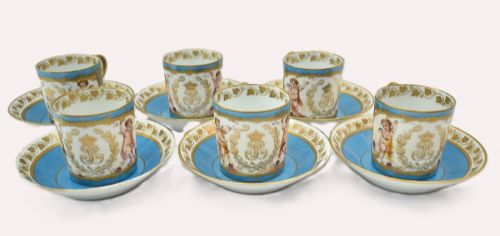
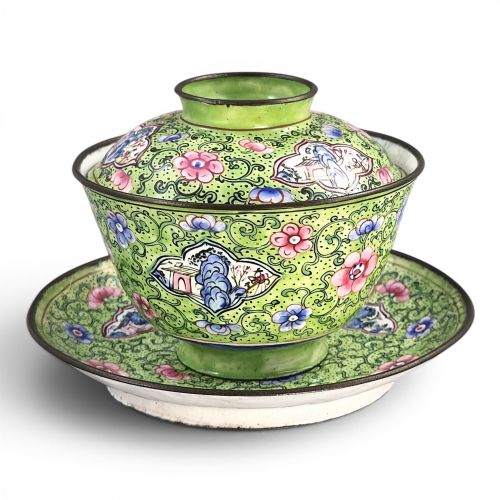


19th Century Teacup Set
A 19th century teacup set brings tactile history to the table, offering painted porcelain and gilt detail for morning tea or cabinet display.
19th Century Teacup Set
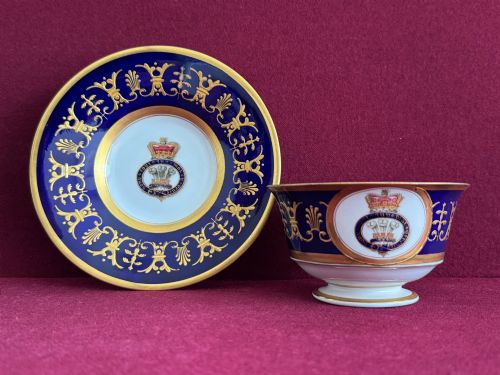
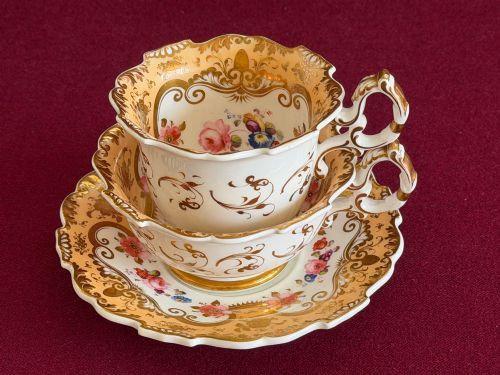
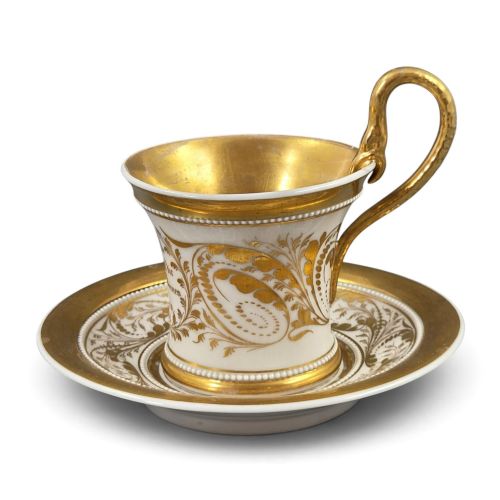
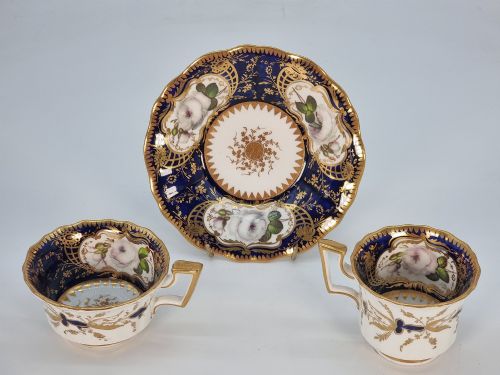
A 19th century teacup set comprises matched or paired cups, saucers, and occasional trios produced during the Georgian, Regency, and Victorian eras. These ceramic groups range from single cabinet cups to multi-piece tea services created for formal entertaining.
English factories such as Worcester, Spode, and Daniel dominate the selections alongside continental makers from France, Germany, and Bohemia. Forms vary from simple tea bowls to footed breakfast sets and handled cabinet pieces.
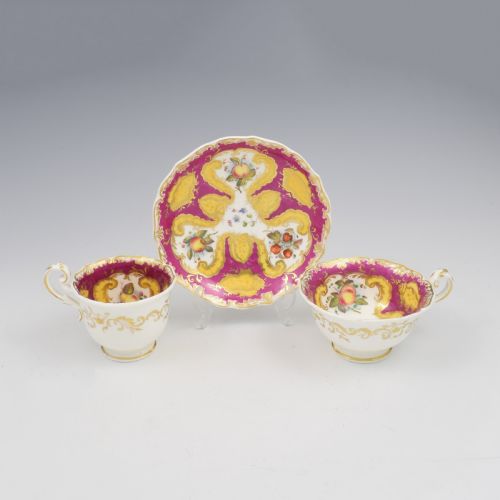
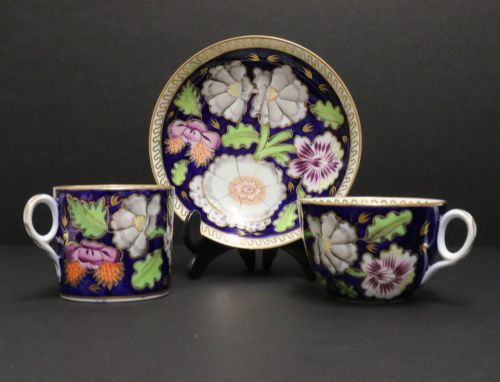
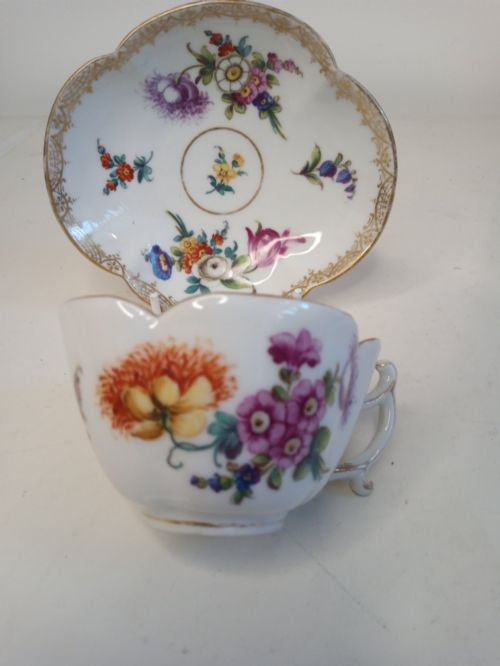
Buyers encounter single cups with saucers, trios including coffee cups, and larger sets bearing handpainted floral motifs or transfer-printed patterns. The objects reflect changing domestic habits across the 1800s, moving from heavy porcelain breakfast services to delicate bone china.
How They Were Made
Potters utilised hard-paste porcelain and bone china, shaping vessels on wheels or casting them in moulds before high-temperature firing. Artisans then applied underglaze painting, hand-gilding with gold leaf, and enamel decoration before subsequent kiln firings fixed the colours.
English and continental workshops combined traditional throwing techniques with specialised handpainting, resulting in raised gilding and intricate polychrome scenes. Factories like Coalport and Meissen employed skilled ceramicists to execute detailed botanical and figural designs.
19th Century Teacup Set Retail Price Guide 2026
Typical asking prices for 19th century teacup set among the pieces listed under this phrase on Sellingantiques today, from the lower quarter to the upper quarter. They describe what is for sale here now, not the wider market.
Several sets preserve humorous historical pattern names such as crazy cow and bengal tiger.
What Varies in Quality
The standard of painting distinguishes ordinary production wares from exceptional cabinet pieces, with handpainted botanical studies and figural work representing higher artistic effort. The precision of gilding and the depth of enamel colours also determine the distinction between standard factory output and presentation grade items.
Completeness alters the character of a set, as surviving trios with matching coffee cups or larger unbroken services retain greater integrity. The clarity of the porcelain body and the crispness of moulded details further separate standard commercial items from elite workshop commissions.
Barr And Barr·H And R Daniel·Coalport·Kpm Berlin·Meissen·Davenport·Spode·Moser
The 19th Century Teacup Set Glossary
- Trio
- A matched set consisting of a teacup, a coffee cup, and a saucer. This grouping reflects nineteenth-century dining habits where different beverages required distinct vessel shapes.
- Cabinet cup
- A decorative porcelain cup intended for display rather than daily use. These pieces often feature elaborate handles, gilding, and handpainted scenes.
- Hard-paste porcelain
- A durable ceramic composition fired at high temperatures using kaolin and petuntse. It produces a dense, translucent body capable of sharp moulded detail.
- Gilding
- The application of gold leaf or powdered gold to ceramic surfaces. Artisans burnished the metal to achieve a bright finish alongside matte sections.
- Enamel
- Opaque glass fused to porcelain surfaces through firing. It provides vibrant colours for handpainted floral and pictorial motifs.
19th Century Teacup Set: Frequently Asked Questions
Can I use these sets for daily tea?
Most antique porcelain withstands careful hand washing, though eighteenth and nineteenth-century gilding demands gentle treatment. Collectors generally reserve fine cabinet pieces and delicate enamels for display rather than routine meals.
Thermal shock can crack antique ceramics, so hot water should be added gradually. Modern dishwashers and microwaves will damage the historic gold leaf and handpainted glazes.
What is the difference between a teacup and a coffee cup?
Nineteenth-century coffee cups were typically taller, narrower, and straighter sided than the wider, shallower teacups of the period. This shape held heat differently for brewed coffee compared to tea.
Sets designated as trios include both cup types alongside a shared saucer. Matching coffee cups are scarcer because they endured heavier daily wear.
How do I date a nineteenth-century set?
Makers' marks stamped, painted, or impressed on the base provide the primary evidence for dating. Pattern numbers and registry marks also help narrow the year of manufacture.
Stylistic shifts, such as the transition from Georgian neoclassical forms to Regency exuberance and Victorian floralism, offer visual clues when marks are absent.
Why are some pieces marked as cabinet cups?
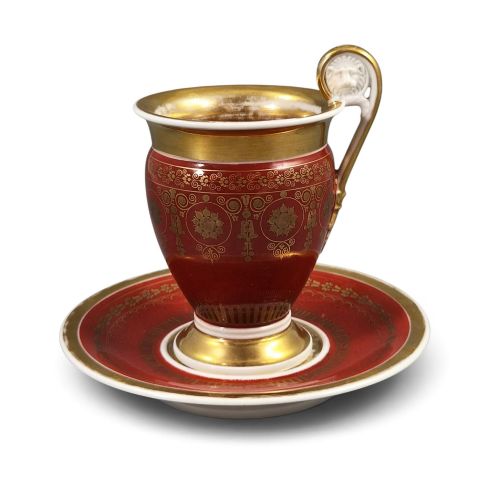
Cabinet cups were produced specifically for display in drawing room cabinets rather than active tea service. They often feature lavish gilding, lion mask handles, or detailed topographical paintings.
Because they avoided kitchen use, these presentation pieces frequently survive in pristine condition with minimal wear to the enamel.