

19th Century Style Portrait
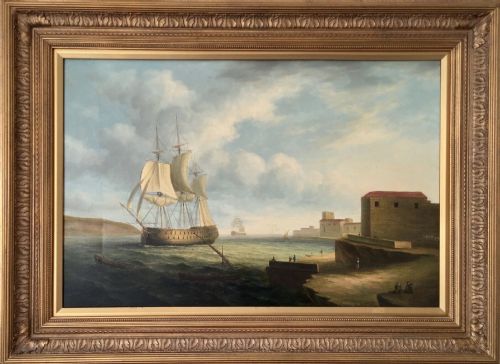
A 19th century style portrait brings the character of past centuries into a room through oil, pastel, or watercolour.
19th Century Style Portrait
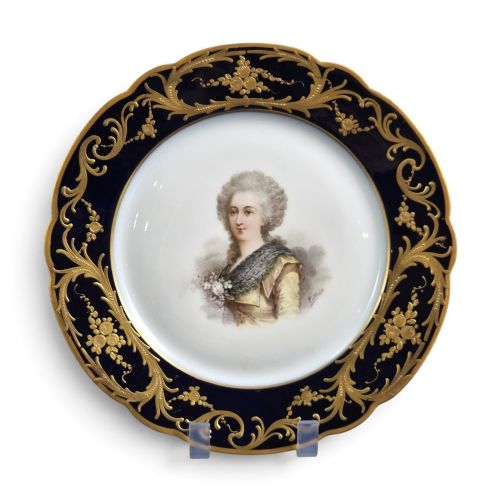
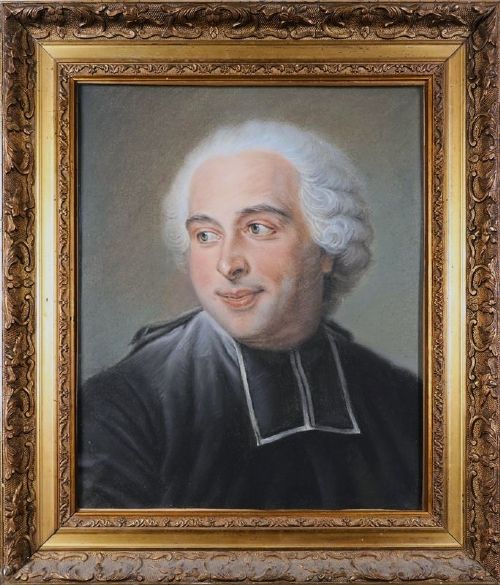
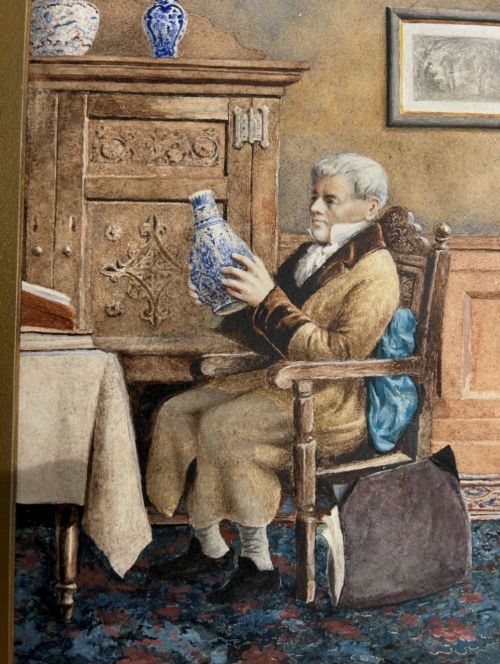
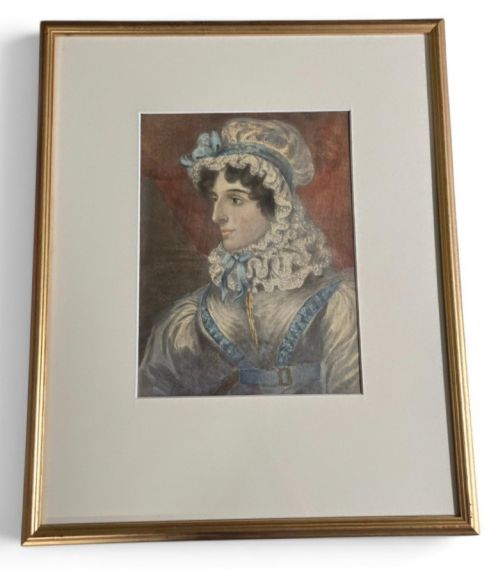
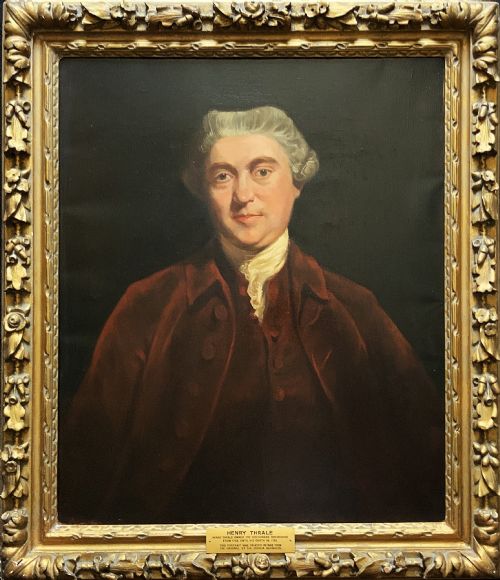
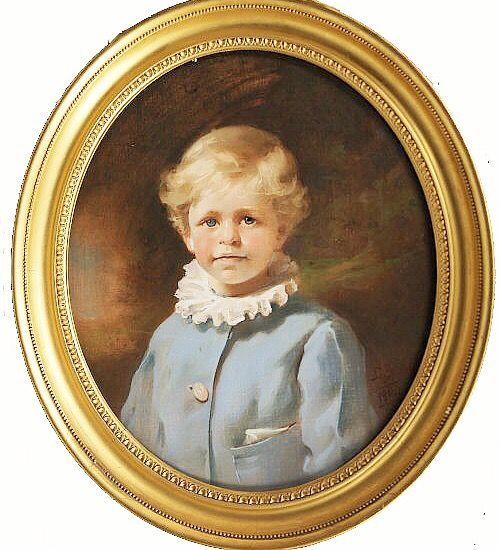
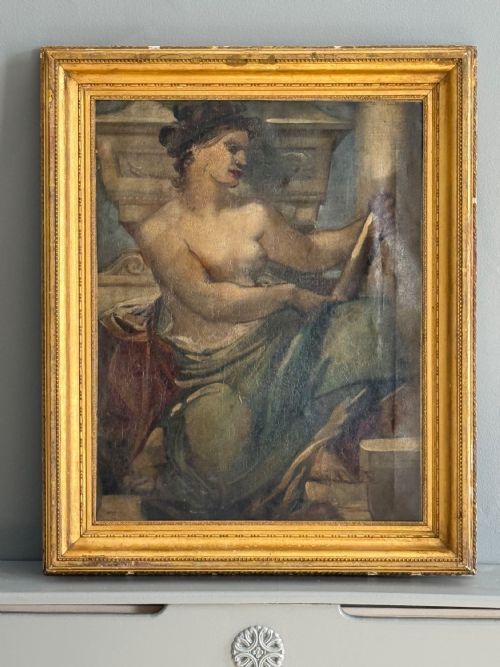
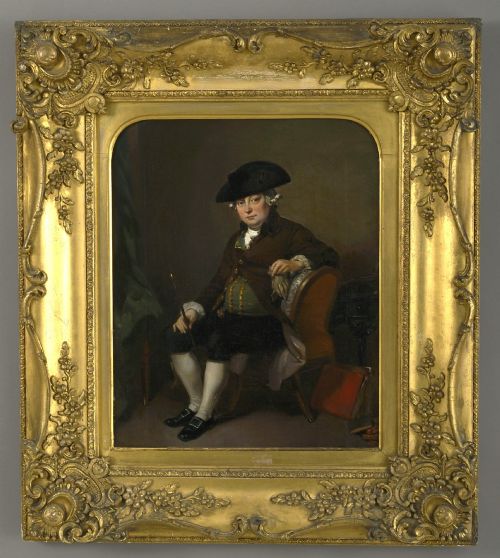
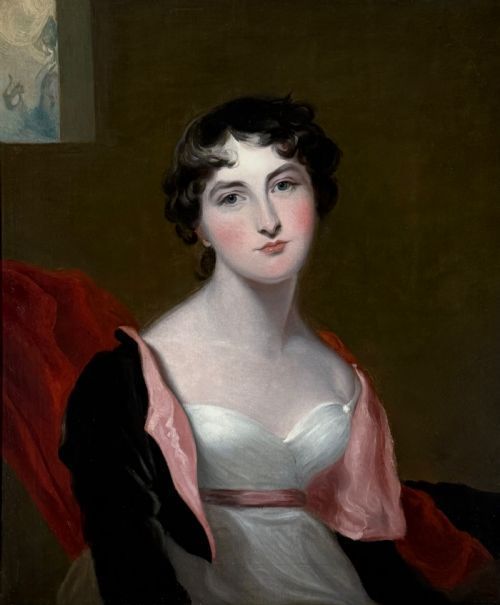
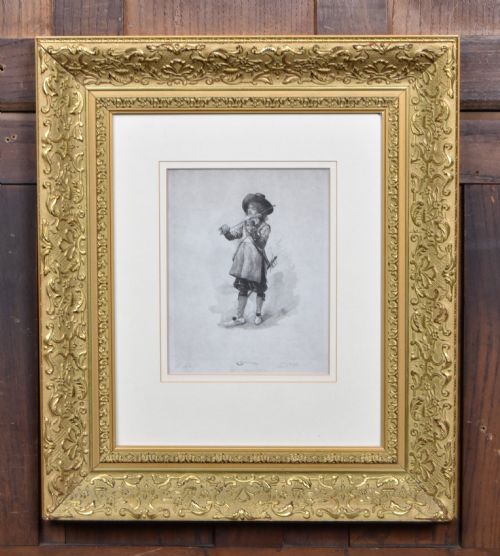
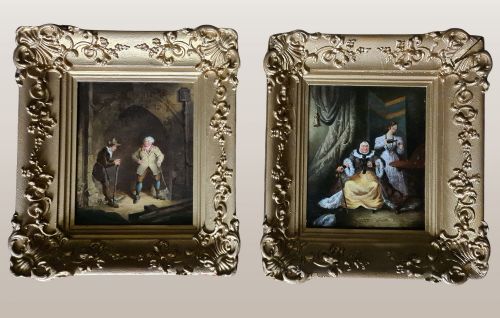
A 19th century style portrait encompasses oil paintings, watercolours, pastels, and framed prints depicting historical figures, nobility, and fictional characters. These works range from direct period pieces to later revivals of earlier artistic traditions.
Portraits on this page include works produced by followers of notable historical painters, alongside naive folk art and Grand Tour souvenirs. These items span the broader nineteenth century and stretch into later revival periods.
Materials and technique
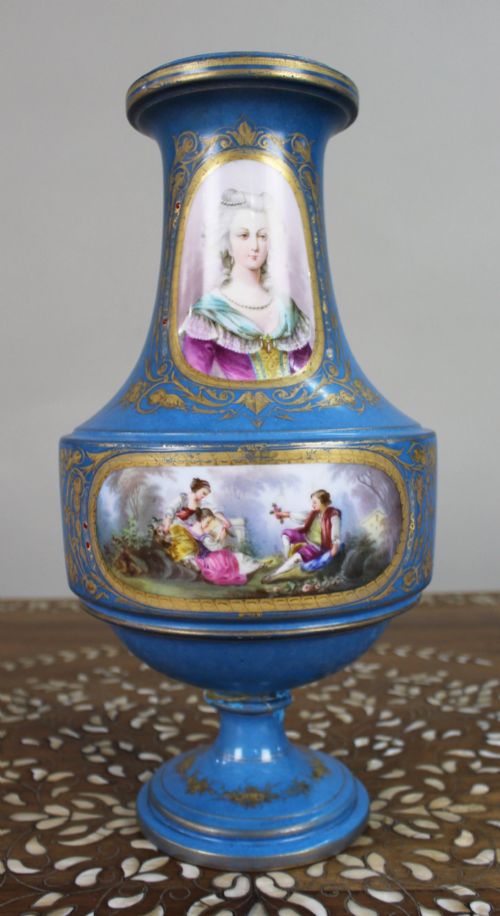
Giltwood, gold leaf, and ormolu provided ornate framing and decorative mounts that elevated the visual presence of the artwork. Porcelain items utilised hand-painted cobalt and bleu céleste grounds to frame miniature likenesses.
Glass and crystal techniques incorporated sulphide inserts to create detailed white relief portraits within scent bottles. Papier-mâché and marble served as alternative surfaces for profile plaques and small decorative boxes.
Sitters include historical figures, fictional characters, cats at play, and even a lion.
Distinctions in craftsmanship
The refinement of brushwork and the precision of facial proportions distinguish standard decorative works from accomplished fine art pieces. Strong draftsmanship captures the distinct personality and mood of the sitter with greater psychological depth.
The preservation of the original surface, whether canvas, paper, or porcelain glaze, influences the physical integrity of the object. High quality items retain crisp detail in their gilt frames and mounted hardware without extensive restoration.
Dumini Leopoldo·Leon Sprinck·Alfred Arthur Brunel de Neuville·Philip Richard Morris·Thomas Sidney Cooper
The 19th Century Style Portrait Glossary
- Giltwood
- Wood carved and covered with a thin layer of gold leaf. This material created the ornate, reflective frames typical of nineteenth-century display pieces.
- Pastel
- A dry medium made of powdered pigment and a binder, pressed into stick form. It allowed artists to achieve soft, velvety skin textures and subtle colour gradations.
- Sulphide
- A small cameo-like ceramic plaque embedded into glass or crystal. It created a silvery white relief profile portrait when encased in clear material.
- Provenance
- The documented history of ownership of an artwork. It provided a verifiable record connecting the piece to its creator or past collections.
- Revival
- An artistic style that consciously imitated the aesthetics of earlier historical eras such as the Renaissance or Rococo. Makers utilised these past motifs to suit contemporary nineteenth-century tastes.
19th Century Style Portrait: Frequently Asked Questions
What is a 19th century style portrait?
A 19th century style portrait is a painting, drawing, or printed likeness created during the nineteenth century or in imitation of its aesthetic. These artworks capture individuals, historical figures, and imaginary characters across various media.
Buyers often find these pieces rendered in oil, watercolour, or pastel, frequently set within elaborate gilt frames. They reflect the diverse artistic movements of the Victorian and Regency eras.
How do I identify the period of a portrait?
Identifying the period involves examining the materials, framing style, and the clothing worn by the sitter. Clothing fashions and painting techniques often align with specific decades like the Regency or late Victorian periods.
Backings, canvas stamps, and handwritten labels on the reverse also offer clues regarding the date of creation. Comparing the work to known pieces by followers of major artists helps narrow down the timeframe.
Where were these portraits displayed?
Historically, these portraits hung in domestic drawing rooms, galleries, and stately homes as expressions of social standing or familial lineage. Smaller works such as porcelain plaques and miniatures were kept in personal chambers or carried as portable items.
Today, buyers place them in living spaces and studies to add historical character to an interior. Their varied sizes allow for arrangement on panelled walls or display on mantelpieces alongside ormolu clocks.
What is the difference between an oil painting and a print?
An oil painting is a unique, hand-painted work created by applying pigments suspended in oil onto canvas or panel. Each brushstroke is singular and contributes to the physical texture of the surface.
Framed prints and watercolours are executed on paper, offering a different visual weight and finish. Prints reproduce imagery mechanically or through engraving, whereas oil paintings and original watercolours remain individual creations.