
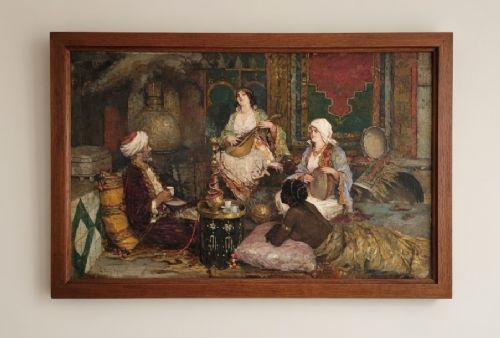


19th Century Spanish Painting
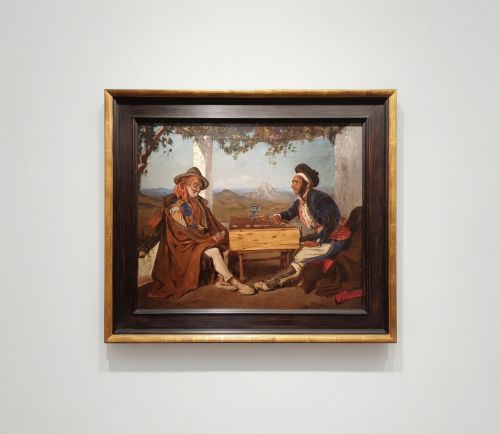
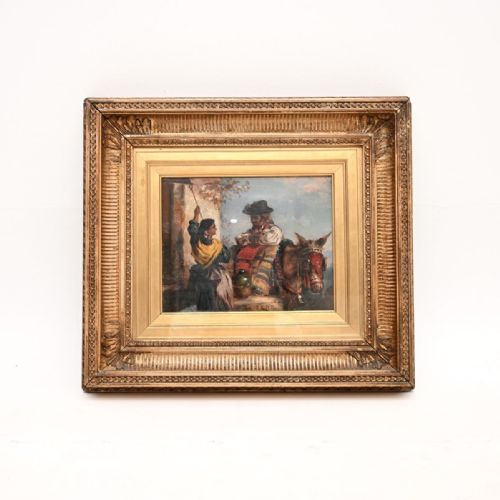
These oil paintings, watercolours and panels form a rich collection of 19th century spanish painting, bringing warmth and character into a room.
19th Century Spanish Painting
A 19th century spanish painting brings together works on canvas, board and paper from various regional schools and academic traditions. Buyers seek these pieces for their narrative depth, capturing everyday figures, regional riders and devotional subjects with distinct local character.
The selection ranges from intimate genre portraits and detailed still lifes of fish and fruit to larger religious compositions and architectural watercolours. Most pieces on this page reflect the diverse artistic currents of the period, from romanticism and realism to folk art and colonial traditions.
How they were made
Artists painted primarily in oil on canvas or wood panels, often applying pigment over prepared grounds of gesso. Watercolours on paper also appear, capturing landscapes and urban scenes with fluid washes.
Frames and supports utilise traditional woods like pine and heavier timbers, sometimes complemented by giltwood moulding. Many canvases retain their original stretcher frames, showing the physical hallmarks of their period.
The works span styles from 19th century realism and romanticism to folk art, orientalism, and spanish colonial traditions.
What varies in quality
Quality rests in the sureness of the brushwork and the depth of the composition, distinguishing academic mastery from naive folk art. A well-rendered portrait or complex genre scene displays careful attention to light, shadow and facial expression.
The condition of the paint layer and canvas also shapes the piece, with undisturbed surfaces and minimal restoration preserving the artist's original touch. Original frames that complement the work add to the integrity of the whole object.
Thomas Kent Pelham·Gabriel Puig Roda·August Heinrich Riedell·William Oliver·Francisco José Domingo y Marqués·Robert Anderson·Francis William Topham·Ettore Ascenzi·Bartolomé Murillo·Antonio Ribas Y Oliver
The 19th Century Spanish Painting Glossary
- Canvas
- A heavy woven fabric stretched across a wooden frame to serve as a support for oil painting. It provides a flexible yet durable surface that accepts multiple layers of pigment.
- Gesso
- A white paint mixture consisting of a binder mixed with chalk, gypsum or pigment, used to prepare wood panels or canvases before painting. It creates a smooth, absorbent ground for oil colours.
- Genre painting
- Artwork that depicts aspects of everyday life by portraying ordinary people in secular scenes. These works often focus on domestic interiors, street markets or social gatherings.
- Retablo
- A devotional painting or panel depicting religious icons, saints or sacred narratives, often found in colonial traditions. They served as focal points for prayer and reflection in homes and chapels.
- Watercolour
- A painting method in which the paints are made of pigments suspended in a water-based solution. Artists apply transparent washes onto paper to achieve luminous effects of light and atmosphere.
19th Century Spanish Painting: Frequently Asked Questions
What subjects appear in these paintings?
The works depict a broad range of subjects, including genre portraits, regional figures, still lifes of game and fruit, and religious iconography. Landscapes and architectural views also feature prominently across the watercolours and oils.
Many pieces capture specific cultural narratives, such as Andalucian riders or domestic genre scenes, reflecting the diverse interests of artists working during this century.
How should I care for an oil painting?
Keep paintings away from direct sunlight, extreme temperature fluctuations and high humidity to protect the canvas and wood supports. Dust the surface very gently with a soft, dry brush when needed.
Avoid using water or chemical cleaners on the paint layer. Professional conservators should handle any cleaning or structural repairs.
What is the difference between canvas and board supports?
Canvas consists of woven fabric stretched over a wooden frame, offering slight give and a textured surface. Board provides a rigid, solid support often used for smaller oil sketches and panel works.
Both materials were common during the period, chosen by artists depending on the scale and intended destination of the artwork.
How do I hang a heavy framed painting?
Secure heavy frames directly into wall studs using appropriate picture hooks and weight-rated picture wire or D-rings. Ensure the hanging hardware matches the combined weight of the painting and its frame.
Check the stability of the frame corners and canvas tension before mounting the piece on the wall.