


19th Century Souvenir
Every 19th century souvenir carries the physical weight of an Italian journey and classical study, bringing antiquity straight to the nineteenth-century writing desk.
19th Century Souvenir
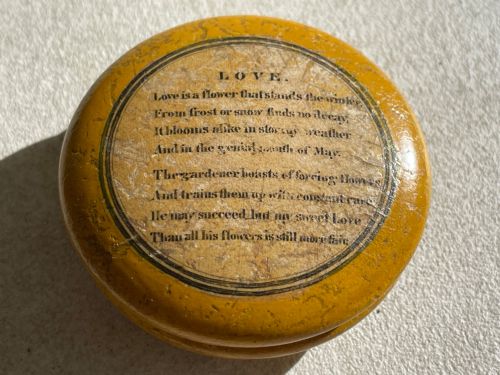
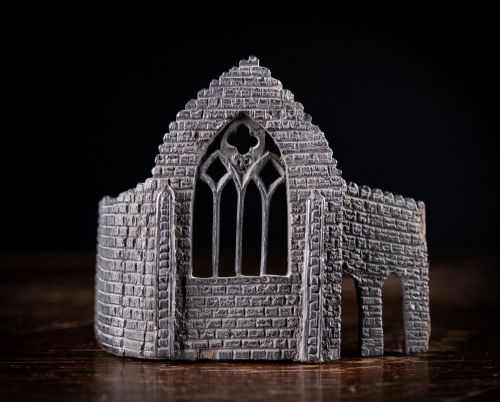
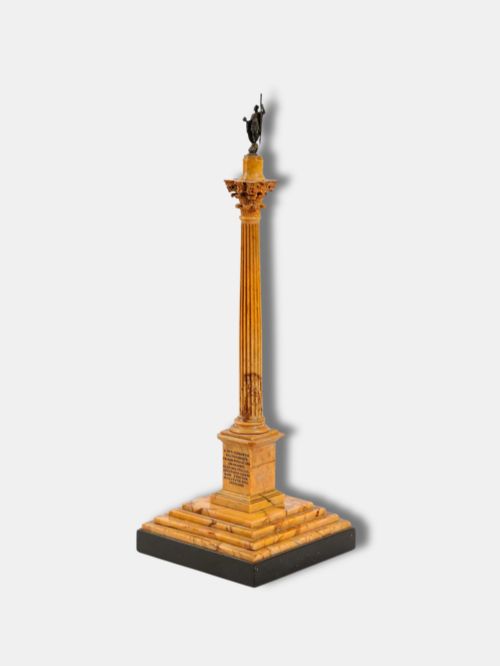
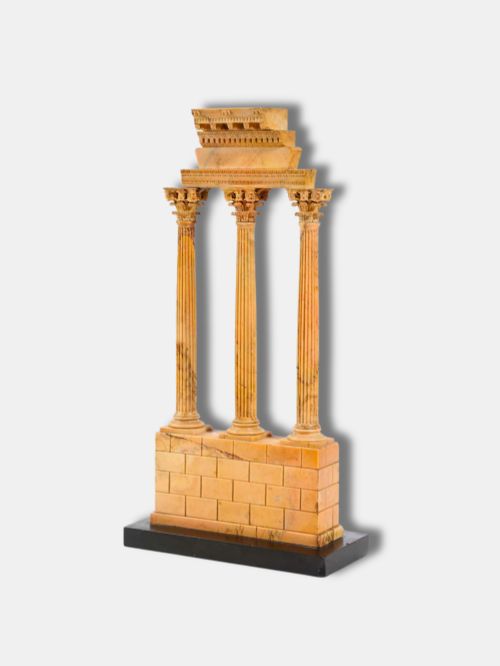
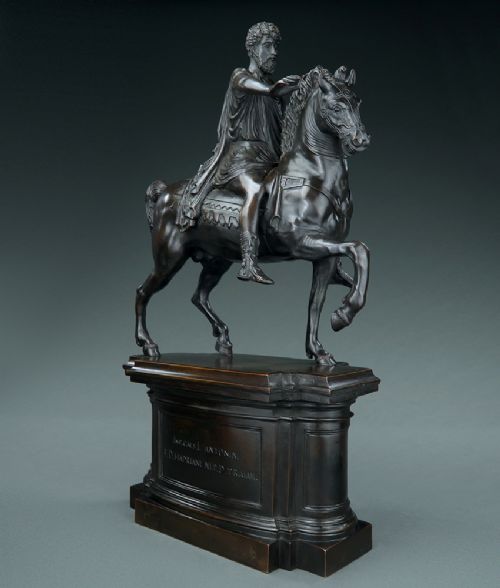
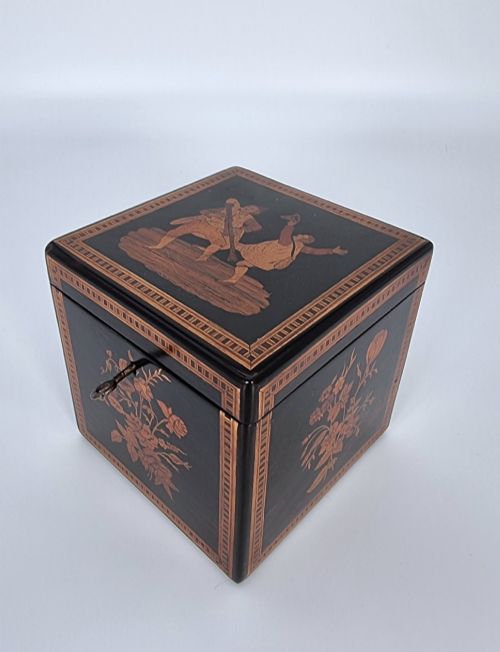
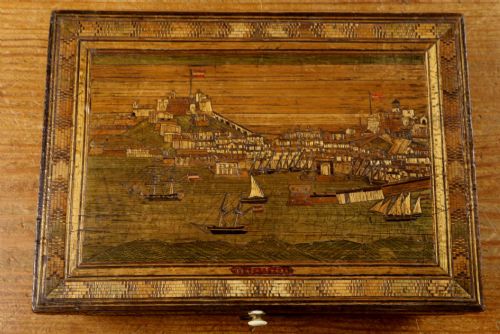
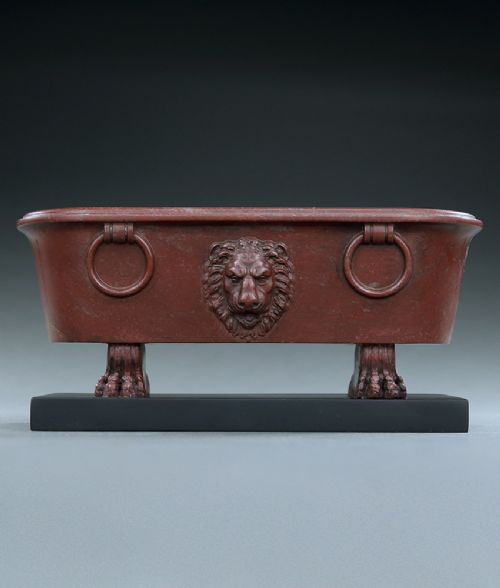
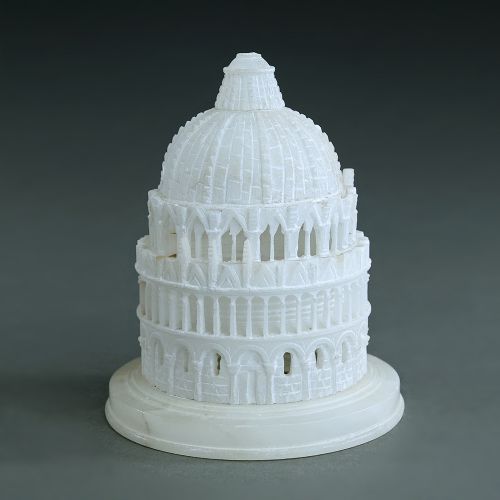
A 19th century souvenir typically takes the form of a Grand Tour architectural model, a cast bronze after classical sculpture, or a framed collection of intaglios and micro mosaics. These objects were gathered by travellers journeying through Italy, France, and the wider Mediterranean during the nineteenth century to record their classical education.
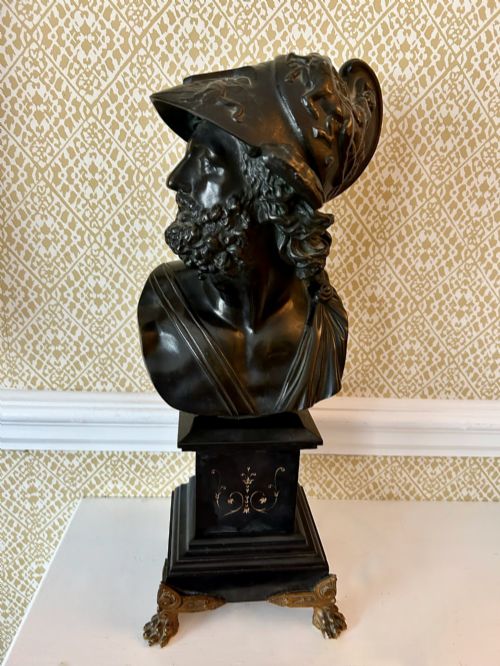
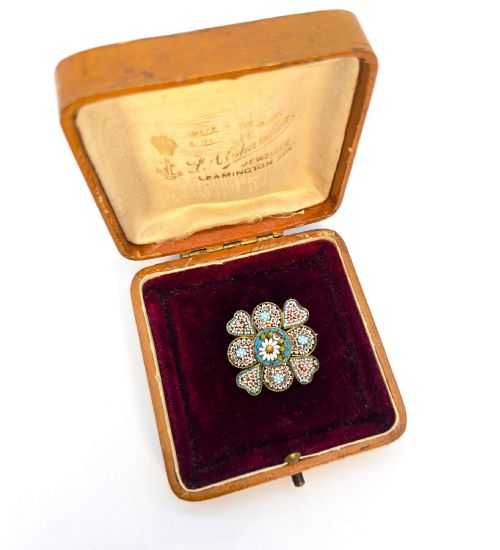
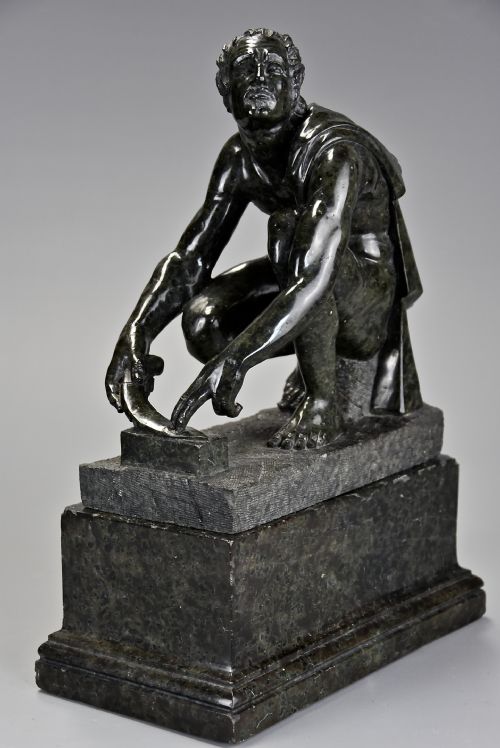
You will most frequently meet Italian marble and alabaster models of Roman ruins, alongside bronze reductions of famous statues and intricate micro mosaic jewellery. They serve as tactile reminders of classical antiquity translated into portable cabinet pieces for the Victorian home.
The materials reflect the geology of the classical world, combining coloured marbles, serpentine, and gilt bronze. Each piece bridges the gap between ancient archaeological discovery and nineteenth-century craftsmanship.
How they were made
Makers utilised high-grade marble, alabaster, and bronze, often mounting smaller architectural models on contrasting black marble bases. Carving hardstones like Giallo Antico and Siena marble required exceptional skill with hand tools to replicate ancient columns and temples accurately.
Bronze sculptures and reductions were produced through the lost-wax casting method, capturing minute details from antique originals before receiving hand-finished patination. Micro mosaics and intaglios required microscopic glass tesserae and precise plaster or wax moulding to achieve miniature portraits and architectural scenes.
19th Century Souvenir Retail Price Guide 2026
Typical asking prices for 19th century souvenir among the pieces listed under this phrase on Sellingantiques today, from the lower quarter to the upper quarter. They describe what is for sale here now, not the wider market.
Travellers brought home microscopic glass views of Venice and Rome, perfectly preserved inside tiny gold frames.
What varies in quality
Quality rests in the precision of the carving and the fidelity of the bronze casting to the ancient source material. A superior architectural model displays crisp architectural orders and well-chosen mineral specimens that mimic actual Roman ruins.
The clarity of detail in micro mosaics and intaglios separates standard items from exceptional examples, as does the quality of the mounting and the depth of the bronze patina.
Gioacchino Barberi·Giovanni Liberotti·Antonio Canova
The 19th Century Souvenir Glossary
- Grand Tour
- A traditional journey of Europe undertaken by upper-class European young men of means to flourish their classical education. Objects purchased along the route formed the core of these collections.
- Intaglio
- A gem or gemstone carved in intaglio so that the design dips below the surface. These were often gathered as impressions or collected in framed sets.
- Micro mosaic
- A technique using tiny coloured glass threads fused together to create pictorial scenes of Italian monuments. They were frequently mounted into gold brooches and snuff boxes.
- Giallo Antico
- A yellow ancient marble quarried in Tunisia and prized during the nineteenth century for architectural models. Its rich yellow and golden tones mimic ancient Roman interiors.
- Reduction
- A scaled-down bronze copy of a large classical sculpture. These allowed collectors to own miniature versions of museum masterpieces.
19th Century Souvenir: Frequently Asked Questions
What is a Grand Tour souvenir?
A Grand Tour souvenir is a portable work of art purchased by nineteenth-century travellers visiting classical sites in Italy and Greece. These items range from bronze statues and marble models to micro mosaic jewellery.
They allowed collectors to bring the physical presence of classical antiquity and Renaissance sculpture back into their domestic drawing rooms and libraries.
How were marble architectural models used?
Marble architectural models served as decorative cabinet pieces and table ornaments in nineteenth-century homes. They displayed the owner's refined taste and classical education to visiting guests.
Placed on desks or mantelpieces, they functioned as physical reminders of specific temples and columns seen during foreign travel.
What materials are common in these pieces?
Common materials include cast bronze, alabaster, and various decorative marbles such as Siena and Giallo Antico. Artists also employed glass tesserae for micro mosaics and plaster for intaglio collections.
These substances were chosen to replicate the geological palette of ancient Roman architecture and sculpture.
How do I identify a 19th century bronze?
Nineteenth-century bronzes are identified by their specific patination, casting weight, and direct adherence to classical sculpture types like the Warwick Vase or Dancing Fawn. They rely on nineteenth-century foundry techniques and reduction methods.
Examining the underside and the joinery against the marble plinth often reveals period construction methods.