



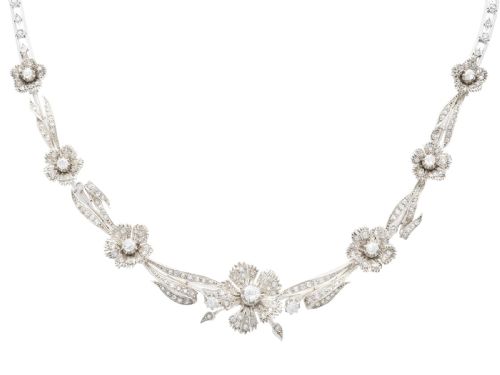


19th Century Silver Pendant
A 19th century silver pendant brings wearable history to your hand, combining period craftsmanship with enduring precious materials.
19th Century Silver Pendant
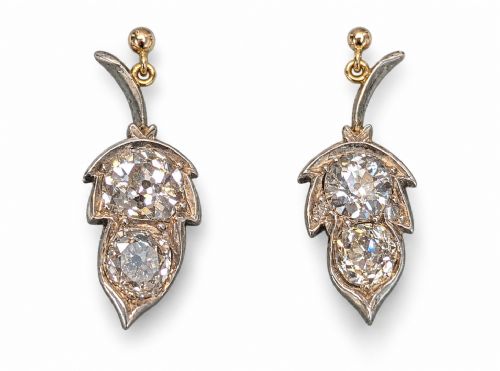
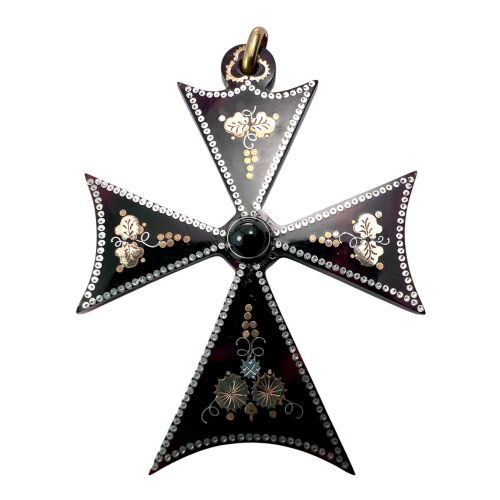
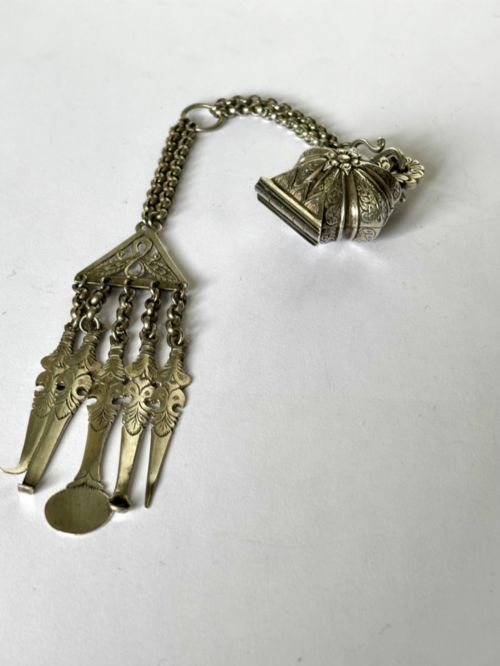
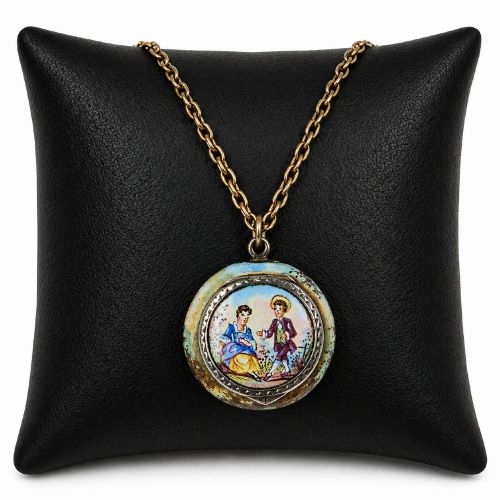
When you search for a 19th century silver pendant, you encounter a selection of jewels spanning the Victorian era and the broader eighteen hundreds. These pieces often serve multiple purposes, appearing frequently as convertible brooches and pendants set with diamonds, enamel, pearls, and gemstones.
Victorian examples dominate the selection, reflecting the period's preference for sentimental and symbolic designs. Buyers find both delicate single-stone drops and elaborate multi-gem creations bearing the distinct hallmarks of mid and late century work.
How they were made
Silversmiths and jewellers utilised silver, often combined with gold or white metal settings, to support diamonds, rubies, sapphires, and gemstones. Many items incorporate intricate enamel work and natural pearls, reflecting the decorative ambitions of nineteenth-century workshops.
Techniques such as silver inlay and stone setting require precise hand skills, visible in the conversion mounts that allow brooches to function as pendants. Metals are shaped and chased to support complex multi-gem arrangements and delicate drops.
Current listings feature silver, gold, diamond, enamel, pearl, and gemstone materials across Victorian and nineteenth-century periods.
What varies in quality
Quality rests in the precision of the stone setting and the complexity of the metalwork, distinguishing standard production from exceptional jeweller output. The clarity and cut of diamonds, alongside the preservation of original enamel and pearl surfaces, elevate the standing of a piece.
The integrity of convertible fittings and the finesse demonstrated in revival styles indicate the skill of the original maker. Pieces retaining their structural originality without later alterations occupy the upper tier of the range.
The 19th Century Silver Pendant Glossary
- Convertible pendant
- A jewel engineered to be worn interchangeably as a brooch or suspended from a chain as a pendant. This versatility was popular in the nineteenth century.
- Old cut diamond
- A diamond shape characterised by a high crown, small table, and deep pavilion, hand-cut before modern machinery. These stones display a distinctive candlelit sparkle.
- Enamel
- Vitrified glass fused to metal under high heat to produce coloured decorative surfaces. Viennese and revival pieces frequently employ this technique for rich colour.
- Baroque pearl
- An irregularly shaped pearl valued for its organic contour and individual character. Nineteenth-century designers often used them to form the bodies of figurative pendants.
19th Century Silver Pendant: Frequently Asked Questions
How do I wear a convertible pendant?
Many nineteenth-century pieces feature hidden bails or removable pin stems that allow the object to function as both a brooch and a necklace pendant. You simply attach a suitable chain through the integrated loop or secure the pin fastening to fabric.
Care should be taken with antique mechanisms to ensure the convertibility operates smoothly without stressing the historic metalwork.
What is Renaissance Revival style?
Renaissance Revival jewellery draws inspiration from sixteenth-century ornamentation, incorporating heavy silver and gold work, polychrome enamel, and clustered gemstones. Victorian makers reinterpreted these classical motifs for contemporary taste.
These pieces typically present a bold, architectural aesthetic distinct from simpler floral designs.
How do I care for antique silver jewellery?
Silver jewellery requires gentle cleaning using specialised soft cloths to maintain the metal finish without removing historic patina. Harsh chemical dips should be avoided, particularly when pieces contain pearls or enamel.
Store pendants individually in lined boxes away from moisture to protect delicate gemstone settings and chains.
How are periods identified in these pendants?
Periods are determined through a combination of stylistic markers, mounting techniques, and material usage characteristic of eras like the Victorian epoch. Specific revival movements and gemstone cuts offer further clues to the decade of manufacture.
Detailed examination of the reverse construction often reveals workshop practices specific to the nineteenth century.