



19th Century Silver Jewellery
19th century silver jewellery comprises brooches, earrings, and pendants that combine metals with diamonds, agate, and paste.
19th Century Silver Jewellery
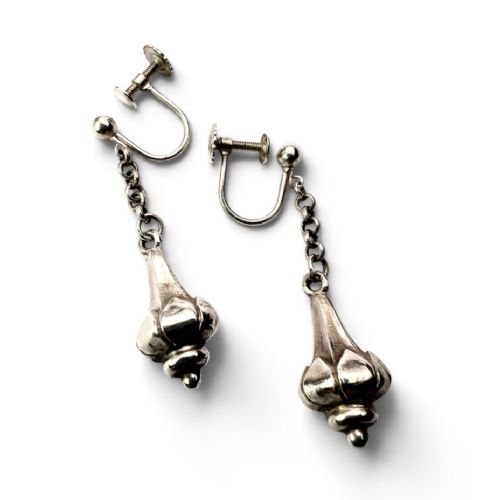
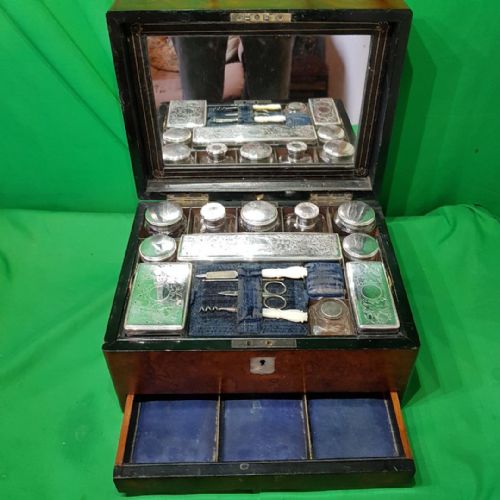
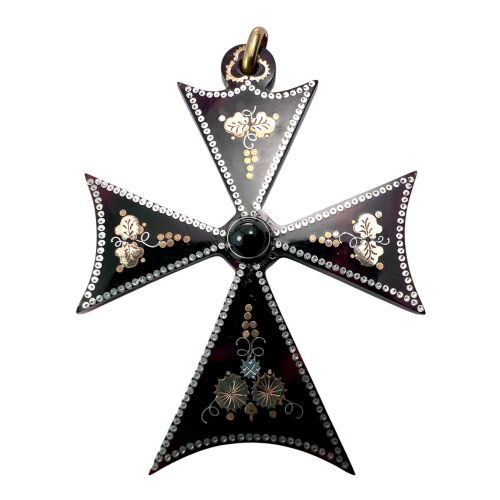
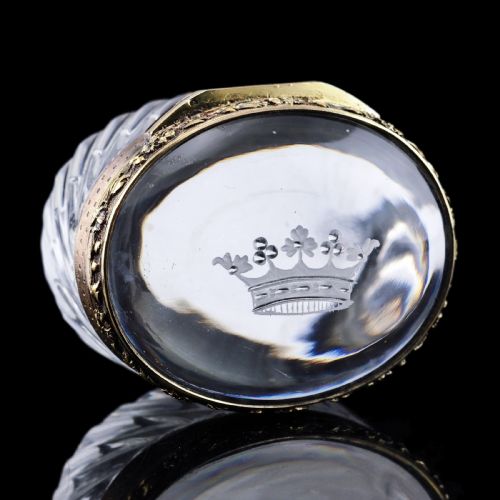
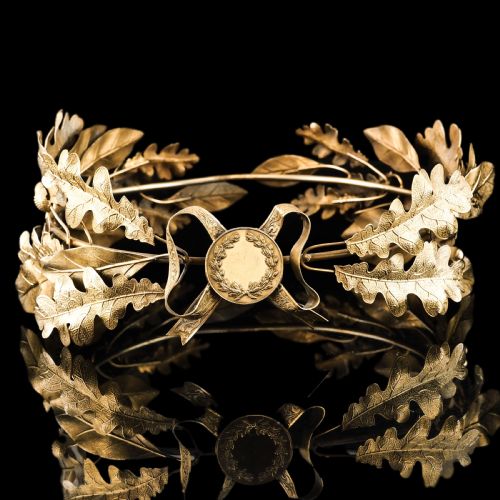
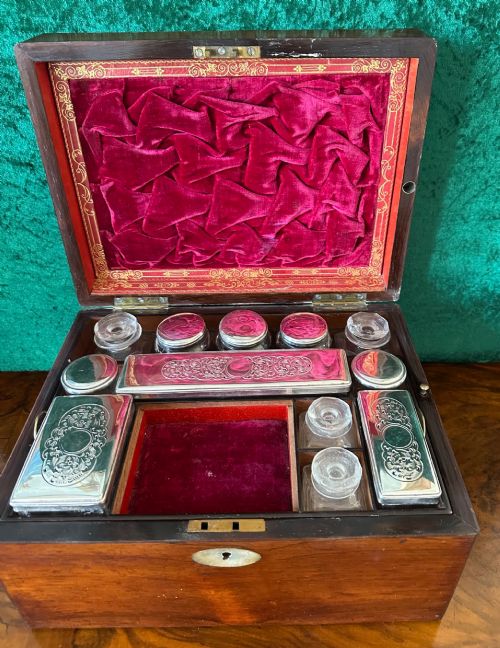
When you search for 19th century silver jewellery, you encounter personal adornments and storage pieces spanning the Victorian era through to the turn of the twentieth century. The selection encompasses brooches, pendants, earrings, and substantial fitted dressing boxes lined in velvet.
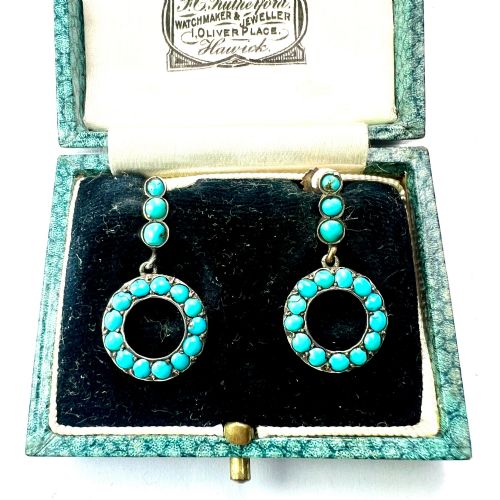
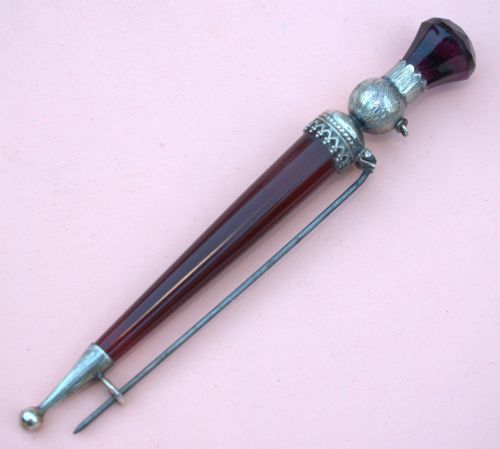
Many items reflect historicism and regional revivals, including Scottish dirk brooches, Ottoman influences, and Renaissance Revival forms. Silver mounts frequently combine with gold, diamonds, sapphires, rubies, turquoise, and chalcedony.
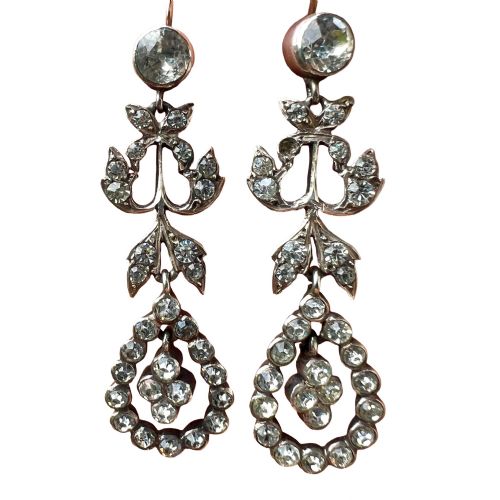
The objects serve both decorative and utilitarian functions, moving from chandelier drop earrings and star brooches to large jewellery and trinket boxes. French and Austro-Hungarian pieces sit alongside British Victorian items.
How 19th century silver jewellery was made
Goldsmiths and silversmiths utilised solid silver, sterling silver, and silver gilt, often paired with gold and 9ct gold components. Stones such as old cut diamonds, emeralds, pearls, and paste were securely set within detailed metalwork.
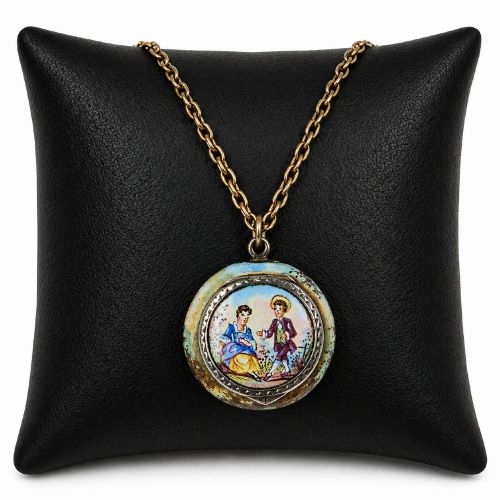
Enamelling, micro-mosaics, and intricate wirework appeared alongside carved organic materials like lava cameos and agates. Boxes and caskets incorporated velvet interiors, cut glass bottles, and fitted trays housed in wood frames.
Materials span sterling silver, 9ct gold, diamonds, sapphires, lava cameos, and Scottish agates.
What varies in quality in 19th century silver jewellery
The refinement of the hand-carved details, such as the crispness of a lava cameo or the precision of foliate wreath mounts, sets finer examples apart. The weight and gauge of the silver or silver gilt used in the mountings dictate the structural integrity of each piece.
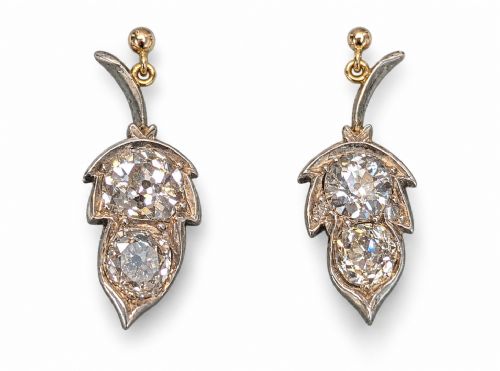
Gemstone selection creates a clear tier in value, distinguishing old cut diamonds and natural rubies from paste or lesser glass insets. The complexity of revival styles, including multi-gem Austro-Hungarian necklaces and enamelled lockets, marks exceptional craftsmanship.
Posen of Frankfurt and Berlin·Asprey
The 19th Century Silver Jewellery Glossary
- Silver Gilt
- Silver that has been coated with a thin layer of gold on its surface. This technique provides the visual warmth of gold while maintaining a silver base.
- Agate
- A variety of chalcedony quartz showing coloured bands or markings. Scottish revival pieces frequently incorporate local agates mounted in silver.
- Old Cut
- A diamond cutting style prevalent before the modern brilliant cut was developed. These stones feature a smaller table and larger culet, giving a distinct soft glow under candlelight.
- Cameo
- A method of carving where a design is raised above a contrasting background. Common materials in this selection include shell, lava, and hardstone.
19th Century Silver Jewellery: Frequently Asked Questions
How do I wear a 19th century silver brooch safely?
Pin these pieces onto heavy fabrics like wool or structured lapels to support the weight of the silver mount and stones. Ensure the safety clasp or C-clasp is secure before venturing out.
Avoid delicate silks that might pucker under the pressure of antique pins. Store the brooch flat in a lined box when not in use to prevent bending the pin.
How should I clean my silver jewellery?
Use a soft, dry microfibre cloth to gently buff away surface tarnish without disturbing the delicate prong settings or glued stones. Avoid harsh liquid dips, which can strip gilding or damage organic materials like pearls and turquoise.
Professional cleaning is recommended if the piece incorporates vulnerable backing materials or velvet linings. Regular gentle dusting keeps the metal bright over decades of wear.
What is the difference between Victorian and Austro-Hungarian pieces?
Victorian jewellery often reflects the personal sentiments and mourning customs of the British court, featuring clean lines, agates, and subtle floral motifs. Pieces frequently tie into specific decades like the 1850s or 1880s.
Austro-Hungarian designs tend to be more opulent, utilising heavy multi-gem settings, vibrant enamelling, and cascading pearl clusters. They draw heavily on Renaissance Revival aesthetics with rich colour palettes.
Can I store modern items in antique jewellery boxes?
The velvet trays and compartments in these nineteenth-century boxes accommodate modern rings, earrings, and chains comfortably. The fitted interiors protect delicate items from scratching against one another during storage.
Keep the boxes in dry environments to protect the underlying wood, such as burr walnut or coromandel, from warping. Ensure any original locking mechanisms are handled with care to preserve their historical integrity.