



19th Century Silver Frame
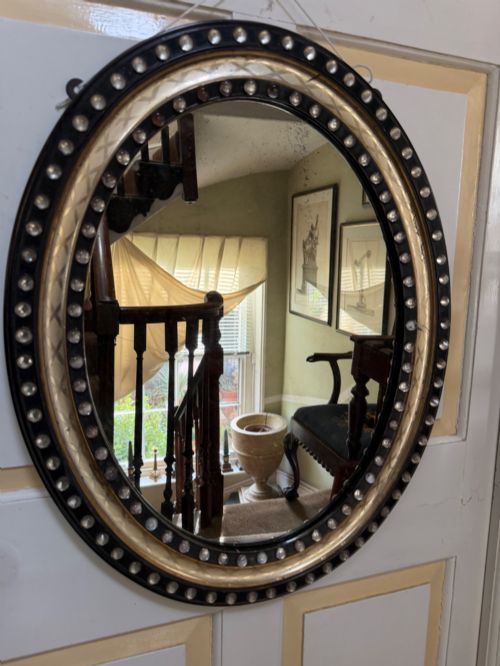
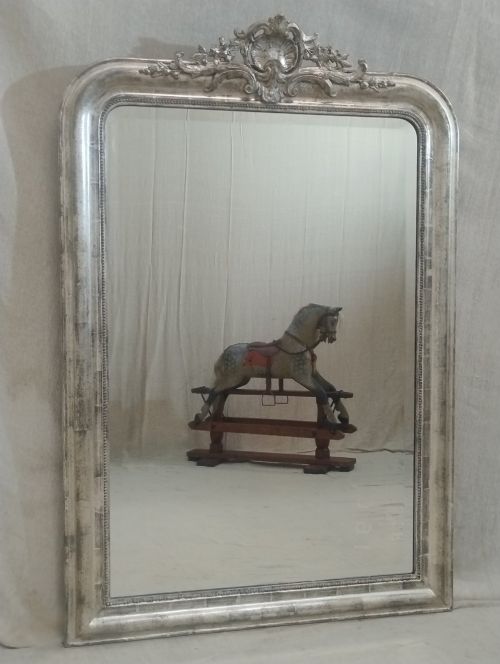
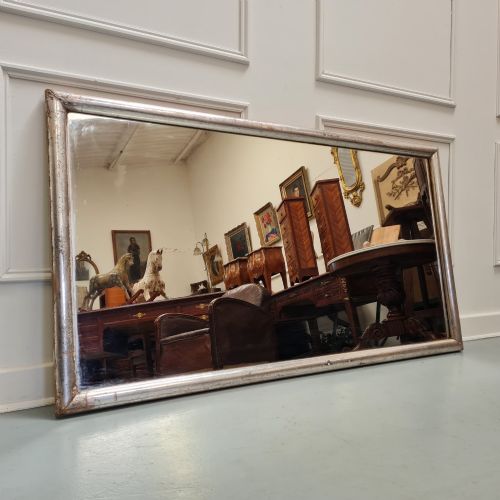
A 19th century silver frame brings reflective depth and metallic sheen to a room, offering a distinct focal point for walls and mantlepieces.
19th Century Silver Frame
When buyers search for a 19th century silver frame, they encounter an eclectic selection of mirror types, paintings, and fitted presentation pieces rather than simple empty mouldings. The listings on this page span several decades of the 19th century, incorporating Georgian influences, Victorian craftsmanship, and Edwardian examples.
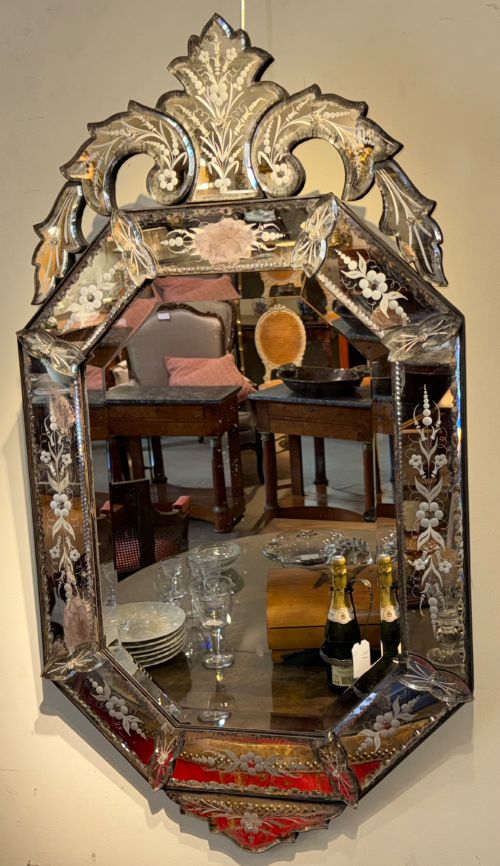
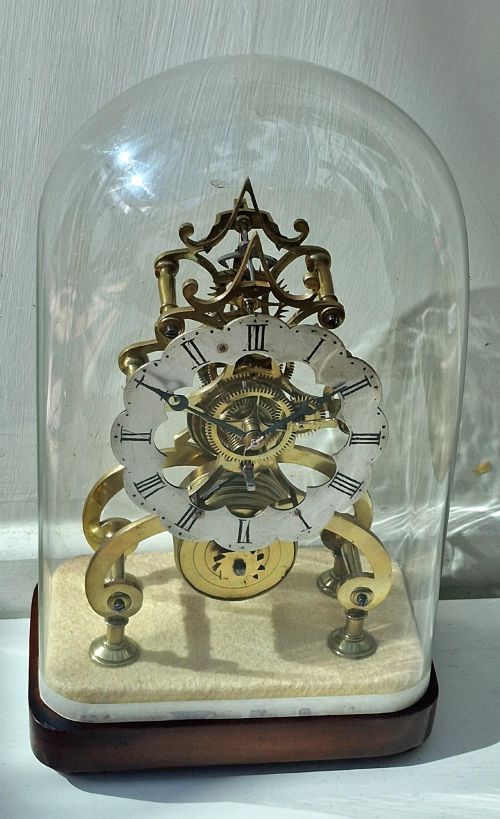
The dominant forms are large wall mirrors, overmantel mirrors, and cushion mirrors, alongside smaller decorative items such as cruet sets, tantalus frames, and framed paintings. French, Italian Venetian, and English workshops represent the primary geographical origins of these items.
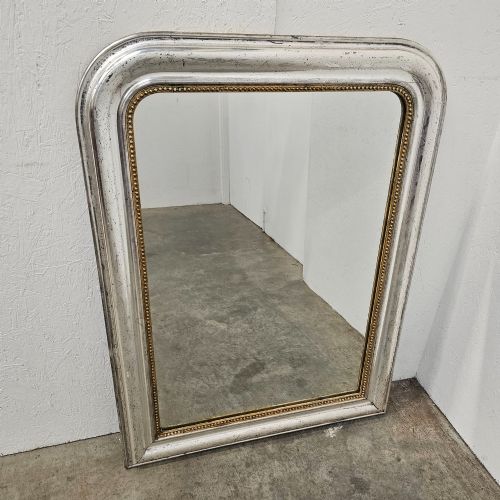
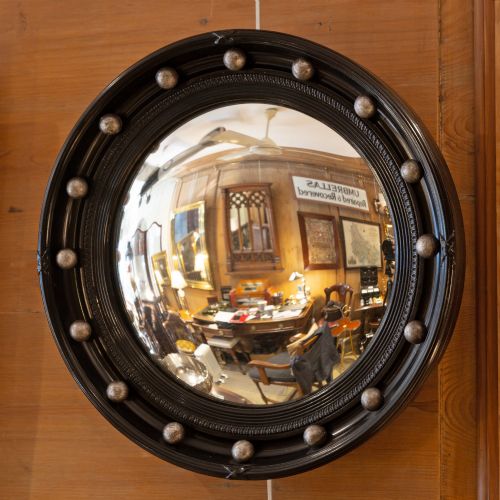
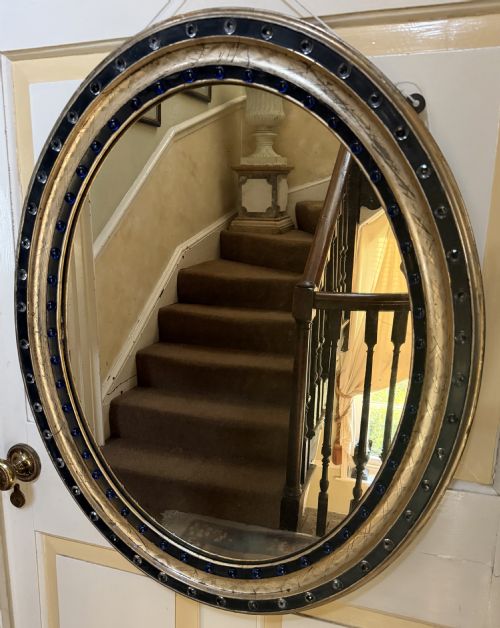
Mirrors form the core of the selection, often taking arched top or rectangular formats designed to catch and multiply natural light within a room. Other variations include specialised display frames for decanters and devotional items like ex votos.
How they were made
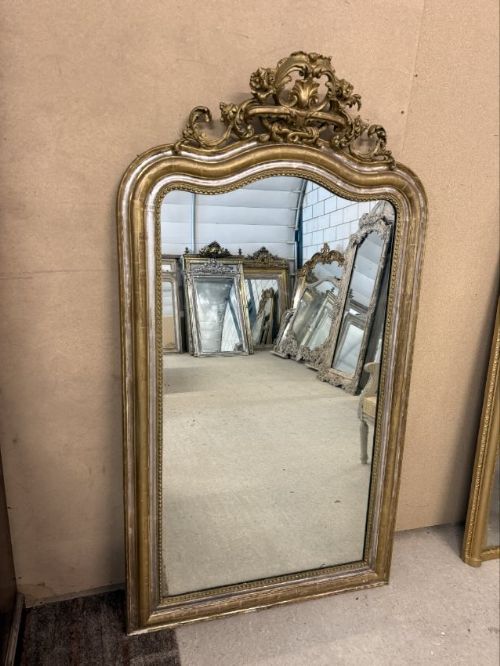
Makers of the period utilised carved wood and gesso as the foundational substrate for heavy decorative wall mirrors, applying silver leaf, silver gilt, or silvered metal finishes to achieve a luminous reflective surface. This combination allowed artisans to build deep relief ornamentation, particularly in French and Venetian styles.
Metalwork for items such as cruet sets and tantalus frames involved silver plate over base metals, combined with cut glass bottles and fitted oak or coromandel woods. Master silversmiths and firms constructed these utilitarian housings to securely hold glass vessels while presenting an ornate exterior.
19th Century Silver Frame Retail Price Guide 2026
Typical asking prices for 19th century silver frame among the pieces listed under this phrase on Sellingantiques today, from the lower quarter to the upper quarter. They describe what is for sale here now, not the wider market.
Listings feature items from the Georgian period through to the Edwardian era, with a strong representation of Victorian-era wall mirrors and cruet sets.
What varies in quality
The standard of carving and the application of the metal finish dictate the visual strength of each piece, distinguishing ambitious architectural overmantels from simpler domestic mirrors. Depth of relief work in the gesso and wood components separates mass-produced items from those shaped by skilled hands.
The integrity of the original silvering and gilding creates a notable distinction between pieces that retain their authentic surface patination and those that have undergone modern intervention. Furthermore, the complexity of fitted internal components in companion pieces like decanter boxes and cruet sets influences the overall execution.
Mappin Brothers·The Goldsmith Co·Philip Ashberry
The 19th Century Silver Frame Glossary
- Silver gilt
- Silver applied over a base material and treated with a gold wash or similar finish to create a warm, dual-toned metallic appearance. This technique was frequently utilised on French wall mirrors.
- Gesso
- A plaster-like mixture applied to wood frames and carved before gilding or silvering. It provides the smooth, malleable base required for high-relief ornamentation.
- Overmantel mirror
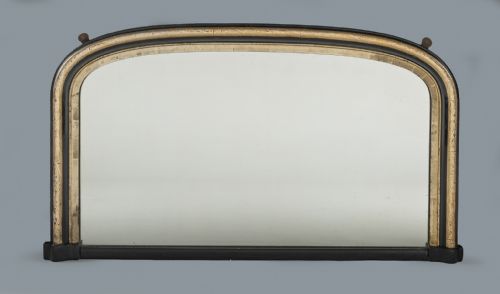
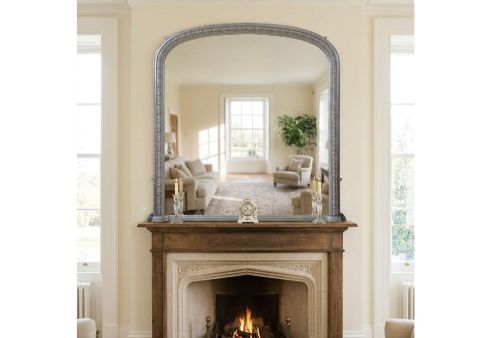
- A large mirror designed specifically to hang above a fireplace mantel. These pieces often feature wide proportions to reflect the hearth and room.
- Tantalus
- A locking wooden frame containing decanters that displays the contents while preventing unauthorised access. They frequently incorporate silver plated framing and handles.
- Cushion mirror
- A mirror style featuring a raised, sloping frame profile that angles outward toward the edges. Venetian examples often employ this form to catch light from multiple angles.
19th Century Silver Frame: Frequently Asked Questions
How do I care for antique silvered surfaces?
Delicate silver leaf, silver gilt, and silvered metal require gentle dusting with a soft, dry cloth rather than liquid cleaning agents. Moisture can strip away historic leaf and damage the underlying gesso.
Keeping the pieces away from direct sunlight and damp environments preserves the original metallic sheen and patination.
What is a silver plated cruet set used for?
Cruet sets hold condiment bottles, oils, and vinegars for use at the dining table. The silver plated frames keep the glass containers organised and portable.
Victorian examples often double as decorative centerpieces featuring figural or novelty designs.
How do Venetian mirrors differ from English styles?
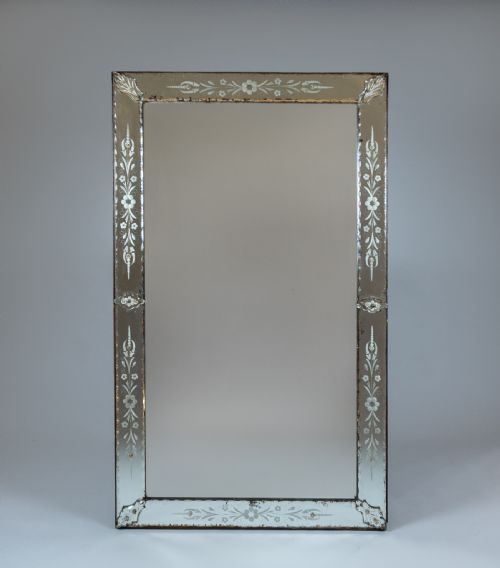
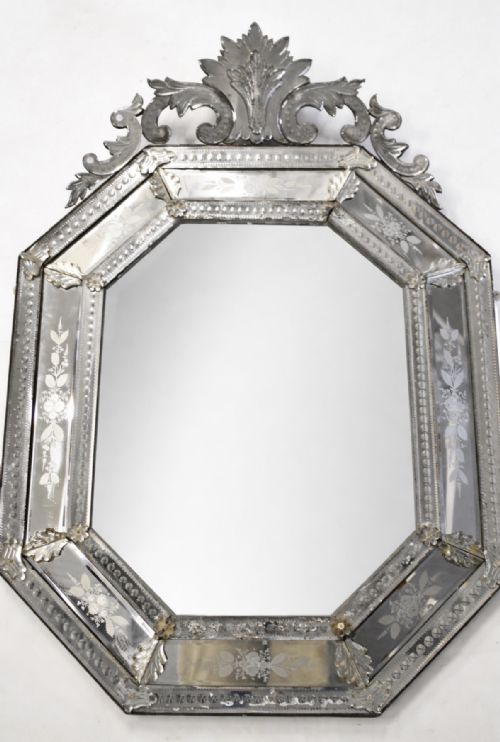
Venetian mirrors often incorporate cushion profiles and extensive glass-on-glass engraving around the border. They rely on angled reflective panels rather than heavy carved wood.
English overmantels lean towards carved wood and gesso frames with simple or architectural mouldings.