


19th Century Silver Flask
A 19th century silver flask is a portable vessel for scent or spirits that brings tangible weight and historic craft to daily pockets or dressing tables.
19th Century Silver Flask
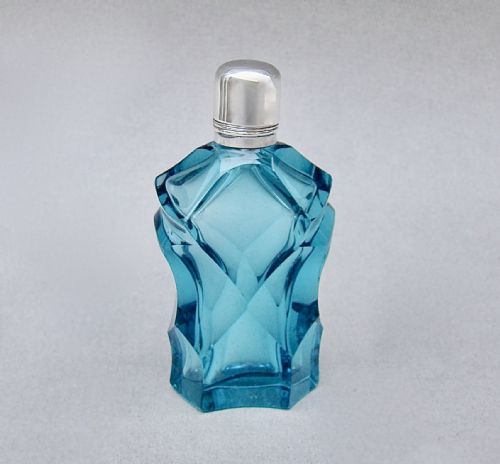
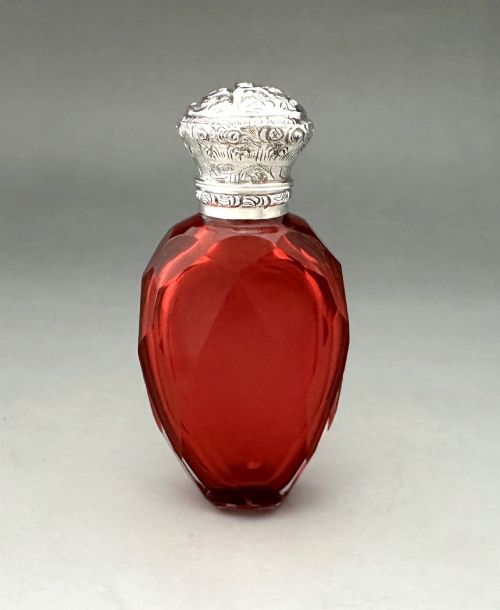
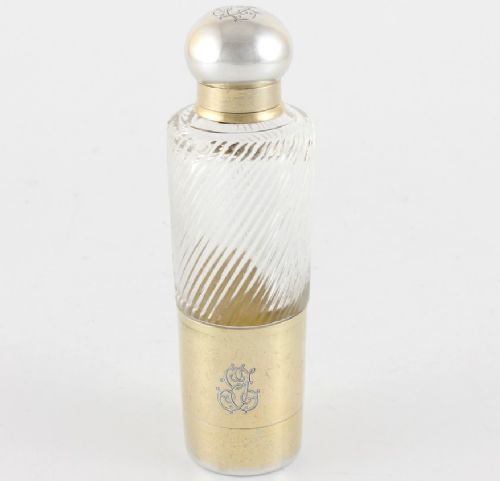
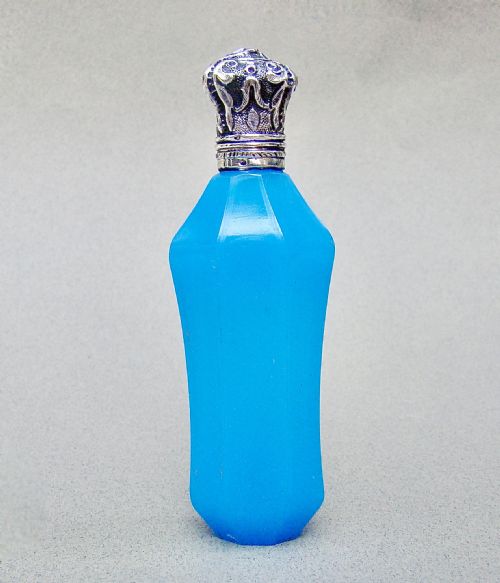
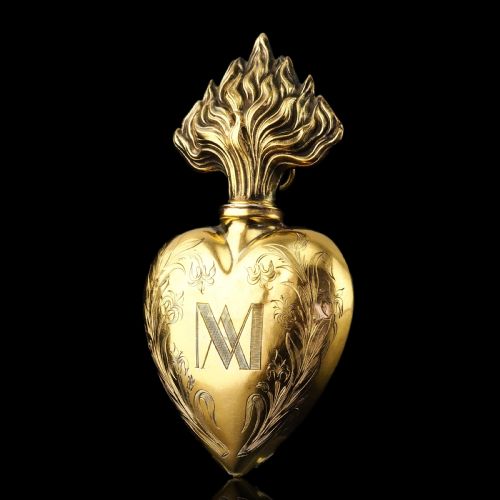
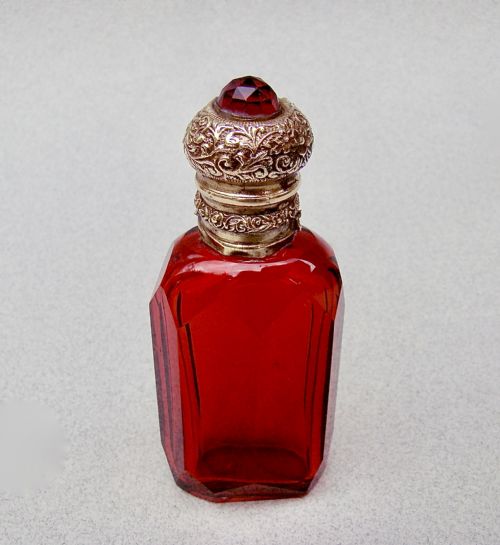
When you examine a 19th century silver flask on this page, you encounter pieces spanning domestic English and continental European production from the 1800s onwards. These objects primarily take the form of scent bottles, vanity bottles, vinaigrettes, and occasionally spirit flasks for travel.
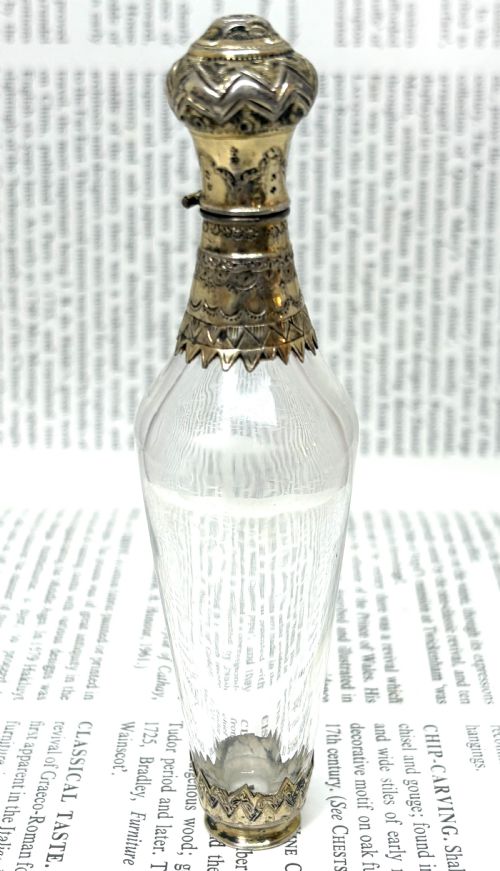
The most common examples you will meet here are Victorian and French items combining metal mounts with coloured or clear glass bodies. Makers utilised sterling silver and silver gilt alongside varied glass forms to create portable containers for personal use.
Some pieces display distinct regional styles, such as French Belle Epoque, Second Empire, and Venetian production, while others reflect British Victorian manufacturing. The selection ranges from simple cut glass tubes to novelty shapes and intricate chatelaine accessories.
Factors That Distinguish Quality
The distinction between standard production and the finest work lies in the complexity of the glass and the precision of the silver mounts. Multi-layered overlay glass, intricate silver engraving, and specialised glass colouring require advanced technical skill that elevates certain pieces above simple cut containers.
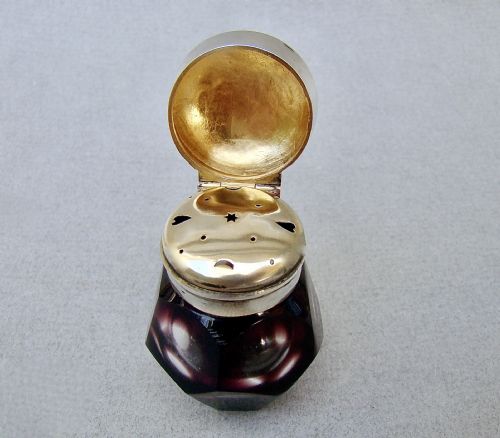
Unusual structural forms and novelty shapes, such as miniature musical instruments or animal representations, demand greater artistry from the silversmith. The integrity of hinged closures, the crispness of chased details, and the preservation of delicate glass surfaces determine the standing of each individual flask.
Among the metalwork and glass, one nineteenth-century maker shaped a silver flask as a miniature violin.
Tonnel Paris·Franchini & Bigaglia·S. Morden & Co London·Tiffany & Co.
The 19th Century Silver Flask Glossary
- Silver gilt
- Silver that has been coated with a thin layer of gold on its surface. This technique provided a rich two-tone appearance and protected the underlying metal.
- Opaline glass
- An opaque or semi-translucent glass popular in nineteenth-century production. It was frequently blown in white or soft pastel shades to house cosmetics and perfumes.
- Vinaigrette
- A small ornamental box or bottle featuring a pierced inner grille. It held a sponge soaked in aromatic vinegar for freshening the air.
- Chatelaine
- A decorative belt hook worn to suspend utilitarian items such as scent bottles and keys. It combined practical carry with social display.
- Murrine
- Coloured patterns created in glass by stretching heated glass canes. Slices of these canes reveal complex mosaic designs within the body.
19th Century Silver Flask: Frequently Asked Questions
What were scent bottles used for?
These vessels held strong perfumes or aromatic vinegars during a period when public spaces demanded personal deodorisers. Owners carried them in pockets or suspended them from chatelaines for immediate access.
They also served as decorative dressing table accessories where women stored personal toilet waters. The tight stoppers prevented delicate volatile fragrances from evaporating.
How do I care for silver and glass flasks?
Keep the metal components clean using a soft cloth designed for silver without applying harsh abrasive pastes near fragile glass mounts. Avoid submerging antique cork or paper-lined stoppers in water.
Store the vessels away from direct sunlight to preserve the specific tones of coloured and opaline glass bodies. Handle hinged caps gently to maintain the original pins and collars.
How are Victorian pieces dated?
Dating relies on silver hallmarks, registry marks, and stylistic characteristics specific to the nineteenth century. Makers' marks and date letters stamped into the silver provide precise years of production.
When hallmarks are absent, dating depends on the manufacturing techniques of the glass and the prevailing aesthetic movements like the French Belle Epoque or Victorian Gothic revivals.