




19th Century Sewing Tools
These 19th century sewing tools bring the intricate craft of the Victorian needlework room straight to your desk.
19th Century Sewing Tools
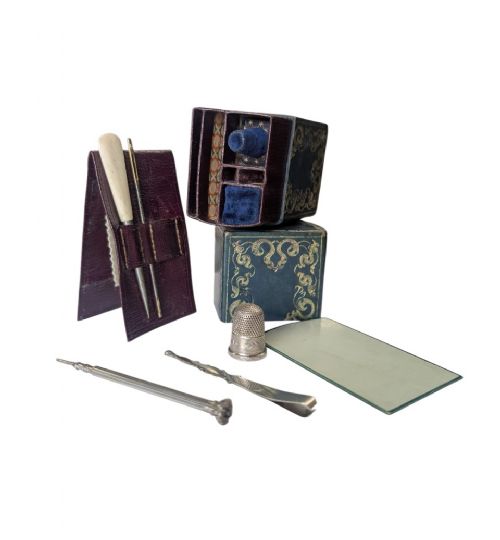
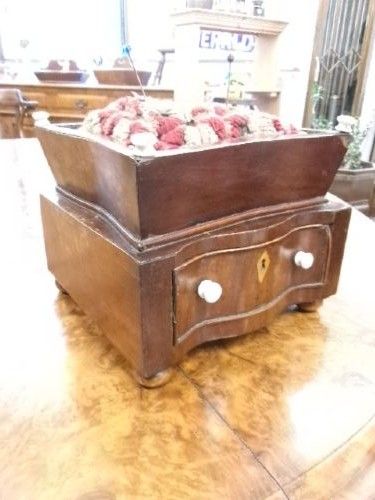
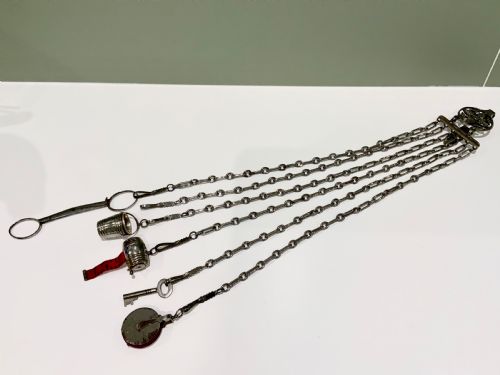
You are most likely to meet silver chatelaines, bone knitting sheaths, and tortoiseshell or mahogany sewing boxes on this page. These functional objects reflect the widespread popularity of needlework in nineteenth-century households.
How they were made
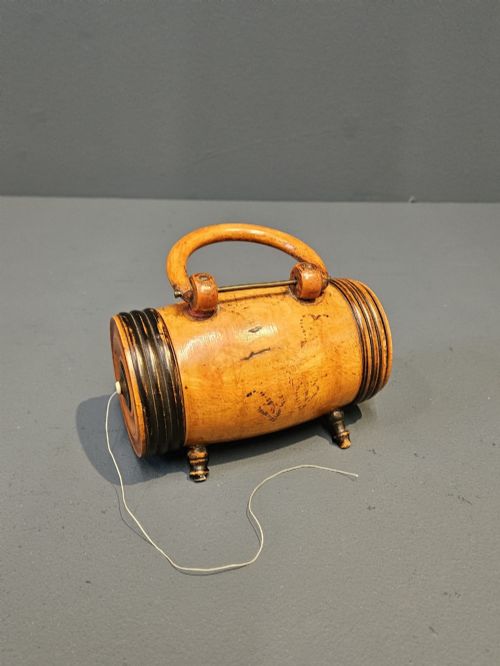
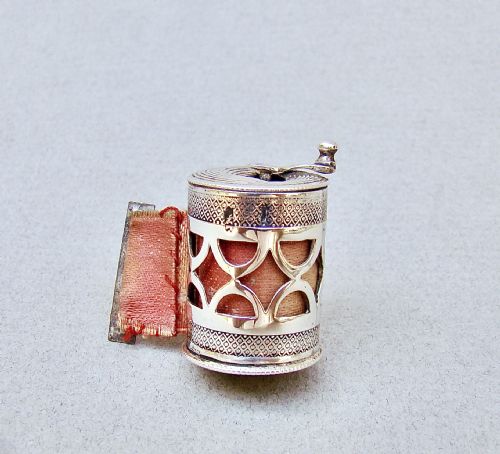
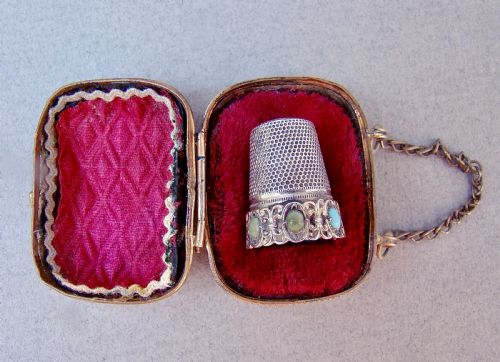
Maker materials encompass precious metals like silver and silver gilt alongside organic substances such as bone, tortoiseshell, mother-of-pearl, and hardwood. Artisans also utilised steel, silk, velvet, and leatherette to construct the cases and linings of these implements.
Techniques combine metalworking, such as ormolu casting and silver engraving, with traditional woodworking like Tunbridge inlay and treen carving. Needle cases, tape measures, and scissors are shaped and finished with careful attention to both utility and decoration.
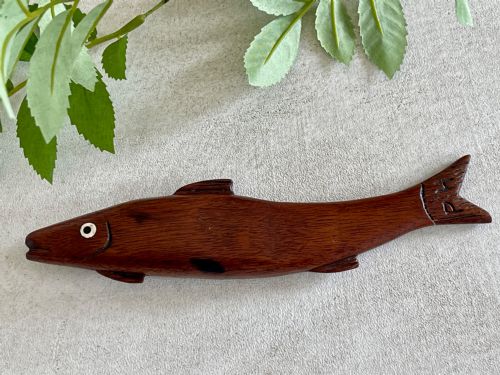
Fish shaped knitting sheaths show that nineteenth-century makers could not resist turning a humble needle support into a swimming creature.
What varies in quality
The degree of material refinement sets pieces apart, moving from simple turned treen items to elaborate silver gilt compendiums mounted with stone. The choice of substrate, whether plain hardwood or decorated tortoiseshell, indicates the original ambition of the piece.
Artisanal execution dictates the standard of each tool, visible in the precision of a Tunbridge inlay pattern or the delicate chiselling of an ormolu chatelaine case. Complete sets retain greater architectural integrity than isolated implements.
George W Shiebler·Faudels Of London
The 19th Century Sewing Tools Glossary
- Chatelaine
- A decorative belt hook with suspended chains used to carry household and sewing implements such as scissors or tape measures. It functioned as both a practical wearable caddy and a status indicator.
- Etui
- A small ornamental case used for holding needles, tweezers, or other small implements. These portable containers were frequently lined with silk or velvet.
- Treen
- Small handmade wooden objects produced by turning or carving. In needlework contexts, this includes items like knitting sheaths fashioned from hardwoods.
- Knitting sheath
- A rigid holder pinned to clothing to support a knitting needle during work. They appear in carved wooden forms often associated with folk art.
- Silver gilt
- Silver covered with a thin layer of gold. This treatment provided the rich appearance of solid gold while utilising a silver core.
19th Century Sewing Tools: Frequently Asked Questions
What is a sewing compendium?
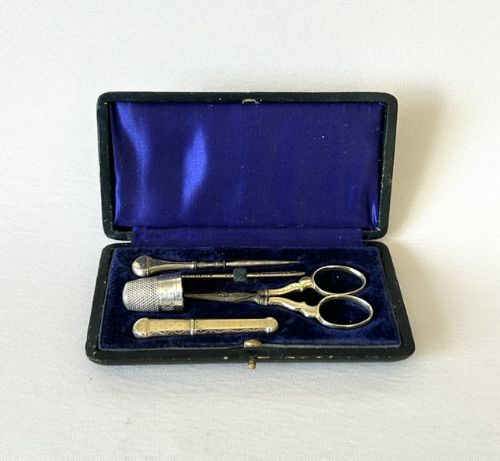
A sewing compendium is an integrated set that gathers multiple needlework tools into a single fitted case or compact holder. These collections typically include items like scissors, needles, and thimbles designed to work in tandem.
They offer a comprehensive kit for portable craft work, keeping all necessary implements organised within a decorative enclosure.
How were chatelaines used?
Chatelaines were worn at the waist by hanging from a belt or waistband, allowing the wearer to keep essential tools within immediate reach. Chains suspended individual implements such as tape measures, needle cases, and scissors.
This method of carriage kept functional items secure during daily household management and needlework sessions.
What is Tunbridge inlay?
Tunbridge inlay involves creating mosaic woodwork patterns by gluing together many tiny tinted pieces of wood. This mosaic is then sliced thinly and applied as a decorative veneer onto boxes and caskets.
Originating in Kent, the technique produced complex geometric or floral motifs that ornamented nineteenth-century sewing boxes.
How do I care for tortoiseshell?
Tortoiseshell requires gentle handling and protection from direct sunlight, extreme heat, and sudden humidity changes. It is a sensitive organic material that can warp or dry out if neglected.
Keep pieces in stable environmental conditions and clean them only with a soft, dry cloth without harsh chemical polishes.