







19th Century Scales
These listings for 19th century scales span functional balance mechanisms and scientific instruments alongside large furniture and architectural models.
19th Century Scales
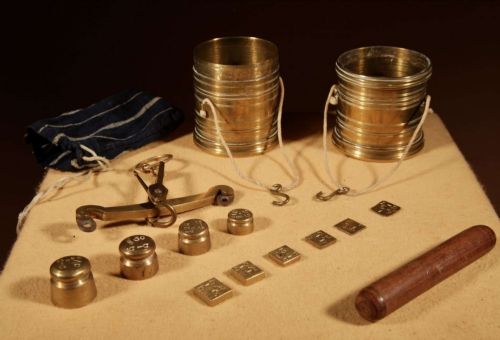
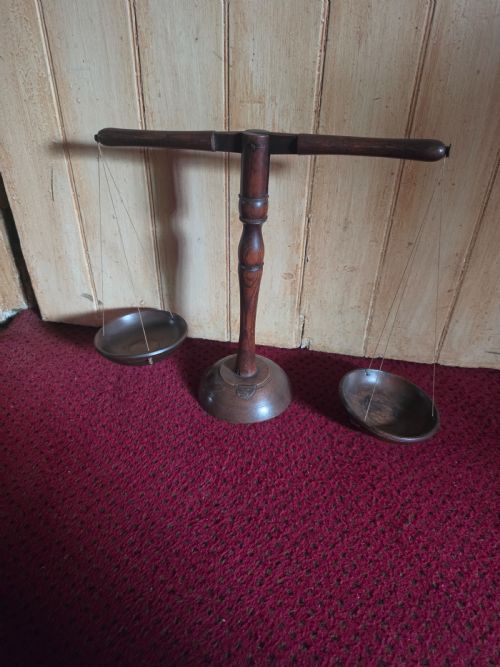
When browsing for 19th century scales, buyers encounter diverse functional apparatuses including postal scales, grocer's balances, and Dutch bushel balance sets alongside scientific instruments. Many listings utilise the term scale to describe dimensions or architectural proportion rather than weighing apparatus.
The objects stem from Victorian, Georgian, and Regency periods, spanning materials from brass and cast iron to wood and leather. Domestic and commercial weighing devices appear alongside scale models of transport, artillery, and maritime equipment.
Materials and Construction
Makers constructed these items using durable combinations of brass, cast iron, steel, and various woods such as mahogany and oak. Metal components provided the necessary rigidity for balance beams and calibrated mechanisms.
Finishes incorporated polished brass, leather bindings, and painted surfaces. Joinery on wooden bases and associated cabinetry reflected contemporary cabinet-making standards of the Georgian and Victorian eras.
19th Century Scales Retail Price Guide 2026
Typical asking prices for 19th century scales among the pieces listed under this phrase on Sellingantiques today, from the lower quarter to the upper quarter. They describe what is for sale here now, not the wider market.
Listings incorporate brass, cast iron, mahogany, and leather across various balance scales and scientific instruments.
Assessing Quality and Execution
The standard of 19th century scales rests upon the precision of the graduating mechanism and the integrity of the materials. Superior examples retain original components, legible maker inscriptions, and balanced arms that move smoothly.
Execution quality is evident in the sharpness of cast bronze or iron details and the snugness of fitted wooden cases. Wear on pivot points and replacements to balancing weights alter the historical integrity of the piece.
Robert Brettell Bate·Ratcliff Birmingham·Fairbanks
The 19th Century Scales Glossary
- Balance scale
- A weighing device consisting of a pivoting horizontal lever with equal arms and suspended pans. It measures weight by comparing an object against known reference standards.
- Chondrometer
- A specialised scientific instrument utilised to measure the density or bushel weight of grain. These portable devices date to the early nineteenth century.
- Postal scales
- Compact weighing devices designed for letters and parcels, frequently featuring cast brass components and calibrated weights. Candlestick postal scales represent a distinct domestic configuration from the mid nineteenth century.
- Treen
- Small handmade wooden objects produced from domestic timbers. Welsh treen items from this period reflect regional domestic crafts.
- Grand Tour
- Cultural travel undertaken by wealthy Europeans during the nineteenth century, generating demand for souvenir bronzes and architectural models.
19th Century Scales: Frequently Asked Questions
What are 19th century scales used for?
These instruments served commercial, domestic, and scientific functions ranging from trade transactions to postal sorting and grain measurement.
Collectors today utilise them as decorative desktop accessories or focal points in historical collections.
How do I identify a Victorian postal scale?
Victorian postal scales typically feature a small platform or hanging clip mounted to a calibrated brass lever mechanism.
They often incorporate maker stamps from industrial hubs like Birmingham on the cast metal base.
Were these scales accurate for trade?
Original commercial balances were calibrated to legal standards of the Georgian and Victorian periods, such as specific bushel acts.
Over time, wear on the pivot fulcrum can affect precision, making them better suited for display than exact measurement.
What metals are common in these instruments?
Brass and cast iron predominate in the functional bearing parts and bases due to their durability and resistance to wear.
Steel components frequently appear in springs and knife-edge pivots where high tensile strength is required.