
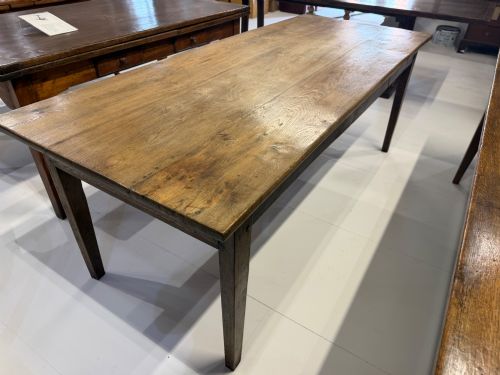
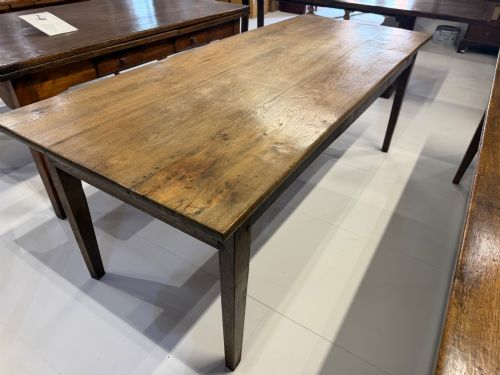
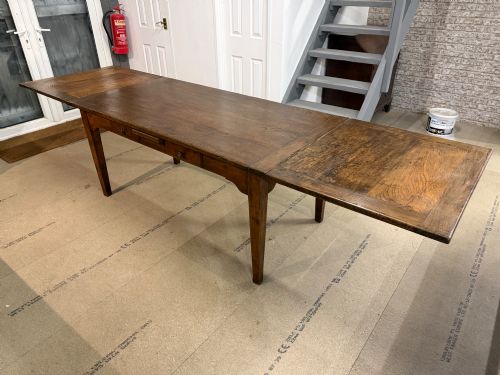
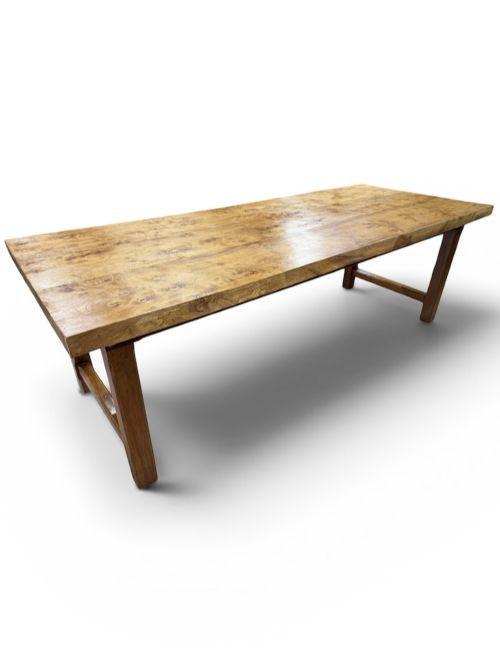
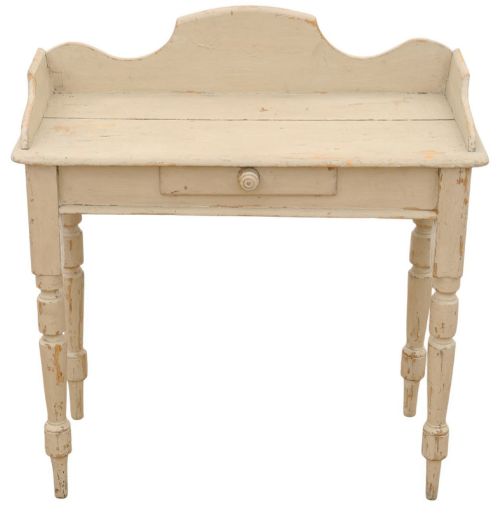
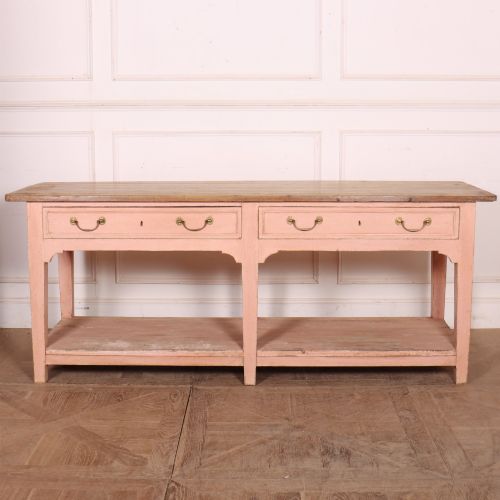
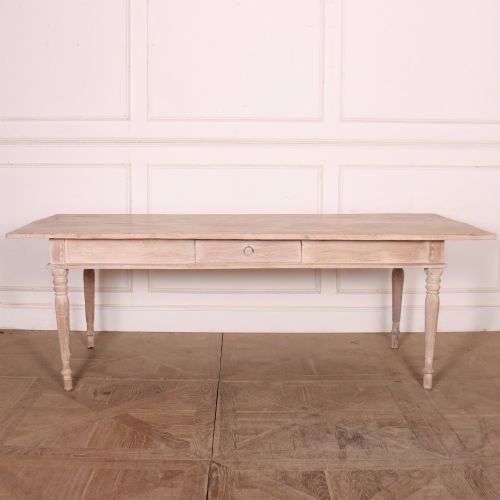
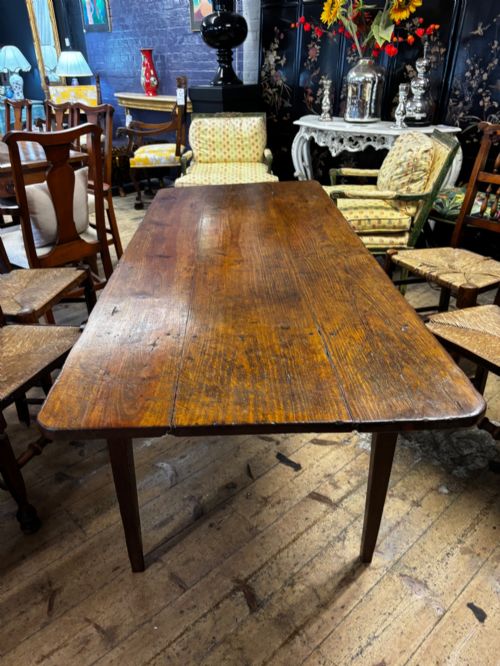
19th Century Rustic Table
When you search for a 19th century rustic table, you enter a world of honest timber furniture built for daily work.
19th Century Rustic Table
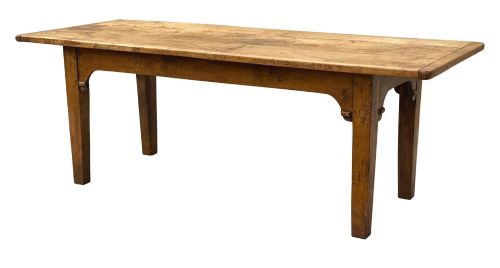
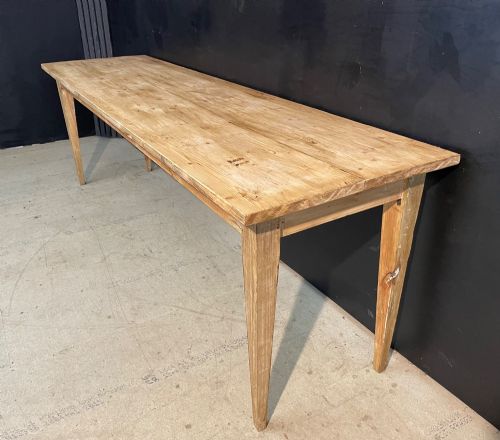
A 19th century rustic table encompasses utilitarian surfaces built from solid timbers during the Victorian era and preceding decades. Buyers searching this phrase meet domestic workhorses like kitchen dining boards, side tables, and refectory forms.
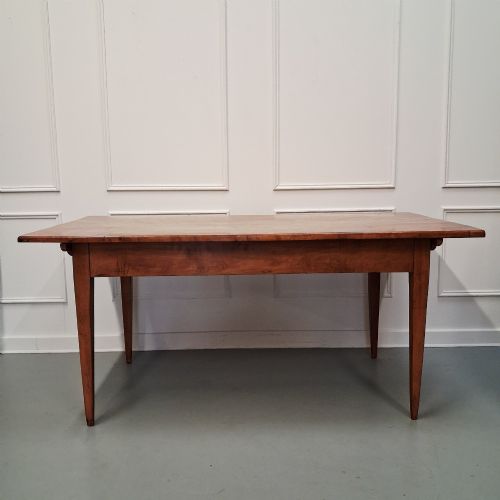
The dominant material encountered is timber, predominantly native oak and pine, alongside regional fruitwoods and elm. Pieces originate from English, French, and wider European traditions.
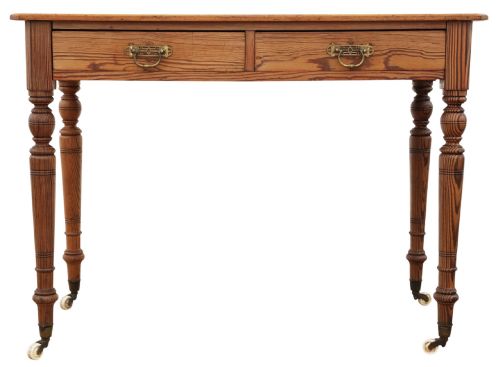
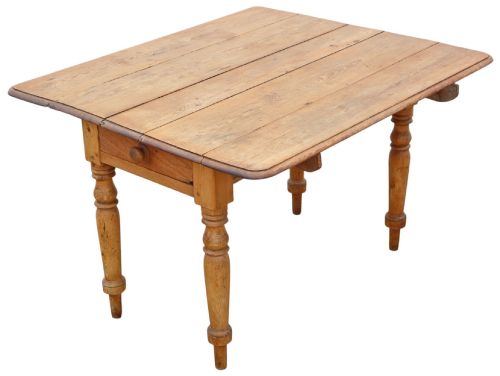
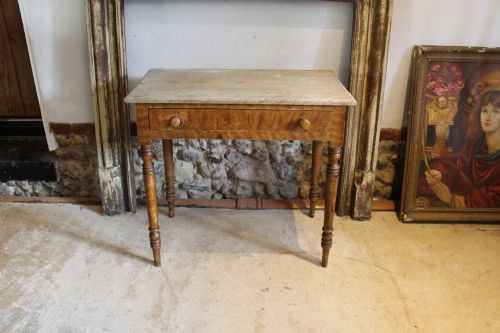
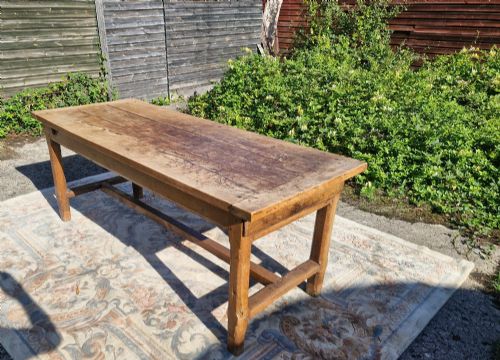
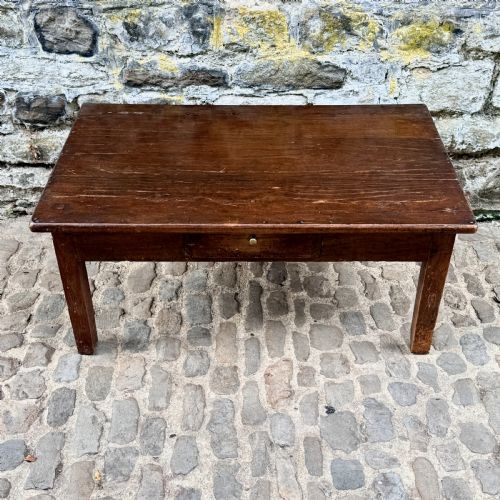
Forms range from simple folding drop-leaf kitchen tables to expansive refectory dining boards and smaller console or writing tables. Their original purpose governed their sturdy construction, leaving visible marks of honest utility.
Materials and Construction
Makers utilised solid regional woods such as oak, pine, pitch pine, elm, sycamore, and cherry. These timbers were selected for local availability and toughness, then joined using traditional methods suited to heavy use.
Surfaces often show the grain of the tree, sometimes treated with early paint finishes, scumble, or plain wax. Iron and brass hardware appears functionally on drawers and folding mechanisms.
Grotto work tables incorporate rustic tree stumps and twig designs, bringing woodland whimsy directly into the nineteenth-century parlour.
Indicators of Quality
Quality rests in the integrity of the original timber and the honesty of the construction. Superior examples retain their original surface treatments, such as early paint or scumble, rather than stripped bare wood.
Proportion and structural balance separate utilitarian boards from finer vernacular pieces. Well-judged timber selection and minimal, sympathetic repairs preserve the character that collectors value.
The 19th Century Rustic Table Glossary
- Refectory table
- A long, narrow dining table traditionally used in communal halls and large country kitchens. These boards offer substantial seating capacity.
- Scumble
- A decorative paint technique mimicking wood grain or adding mottled texture over a base coat. This finish appears on preserved Victorian surfaces.
- Cricket table
- A small, three-legged occasional table with a round top, historically balanced on uneven flagstone floors. Their three-legged design prevents rocking.
- Drapers table
- A long counter-like surface originally utilised in shops for folding fabrics. They provide generous length and narrow proportions.
- Potboard
- A lower slatted shelf fitted beneath a dresser base or table for storing kitchen utensils. This practical addition strengthens the lower frame.
19th Century Rustic Table: Frequently Asked Questions
What woods were used for these tables?
Makers relied on accessible local timber depending on the region of origin. Oak, pine, pitch pine, elm, sycamore, and fruitwoods appear frequently across the listings.
Softwoods like pine served for domestic painted kitchen boards, while denser hardwoods such as oak and elm formed heavy refectory and dining surfaces.
How were these tables originally used?
These pieces served practical roles in domestic and commercial spaces. Farmhouse boards handled food preparation, family meals, and daily household labour.
Smaller examples functioned as writing desks, side supports, or work surfaces in dairies and workshops before entering the antiques market.
How do I distinguish regional styles?
Regional character reveals itself through timber choice and joinery details. French provincial tables often feature fruitwood or oak with distinct stretcher arrangements.
English and Welsh country pieces lean toward native oak, ash, and elm, showing local vernacular construction methods handed down through generations.
How do I care for a historic timber top?
Maintain antique wooden surfaces with natural beeswax and soft cloths rather than modern silicone polishes. Keep tables away from direct heat sources and sudden humidity shifts.
Allow the timber to breathe so that the historic finish and dry grain retain their natural character over time.