


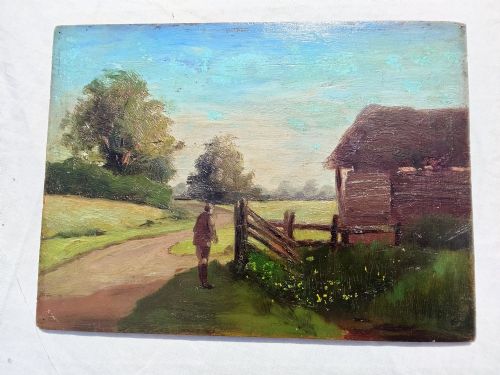
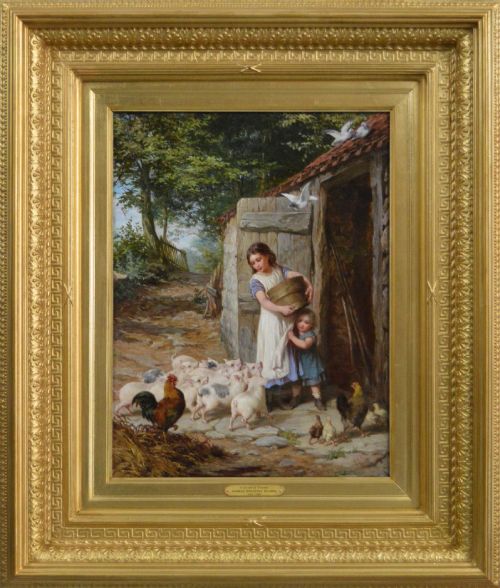
19th Century Rural Scene Painting
A 19th century rural scene painting captures the quiet rhythm of historical farm life, offering collectors a nostalgic window into pastoral landscapes.
19th Century Rural Scene Painting
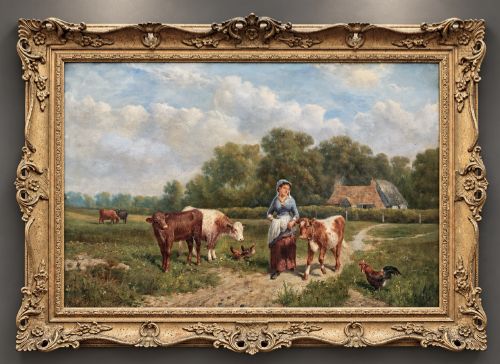
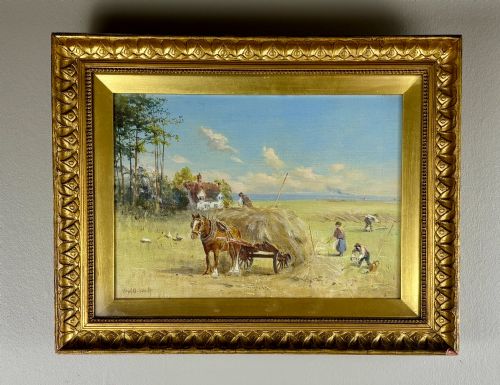
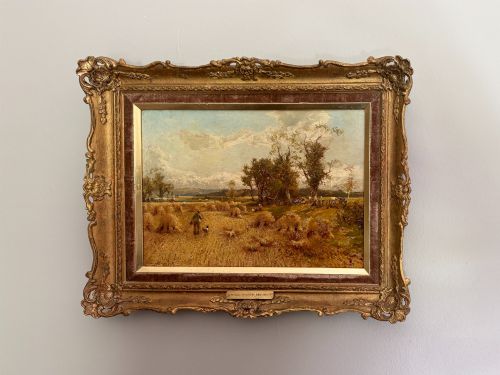
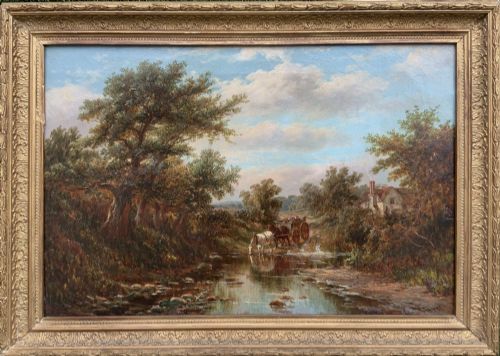
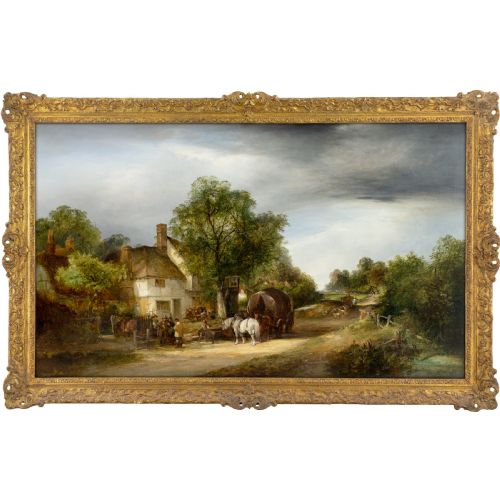
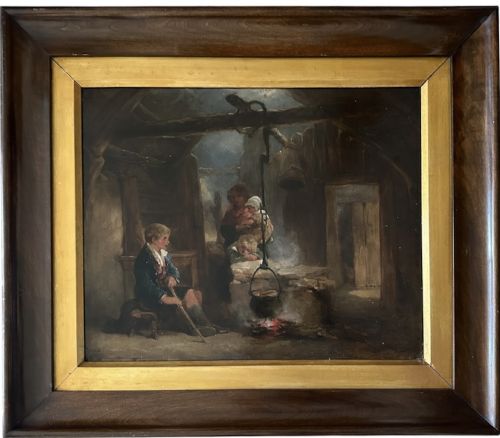
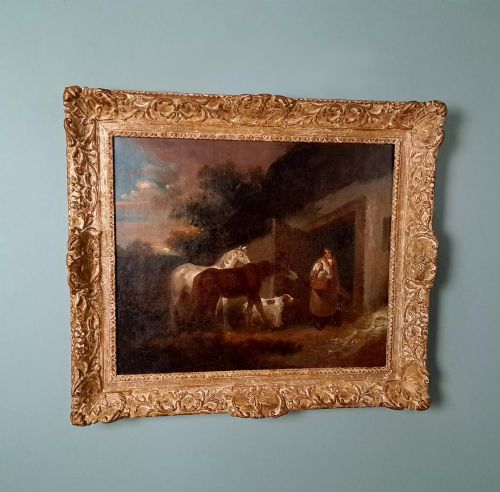
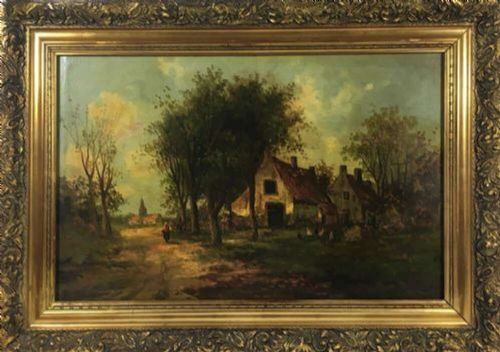
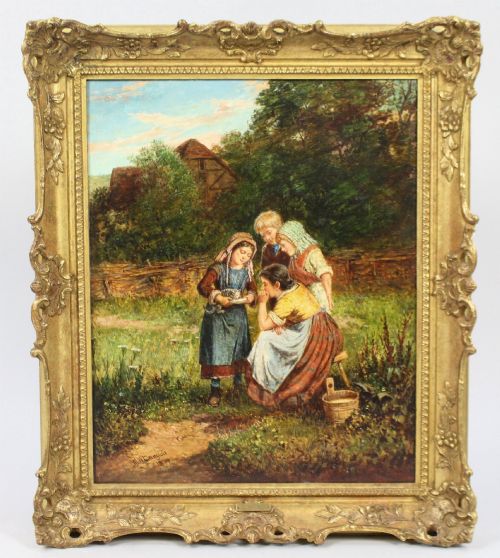
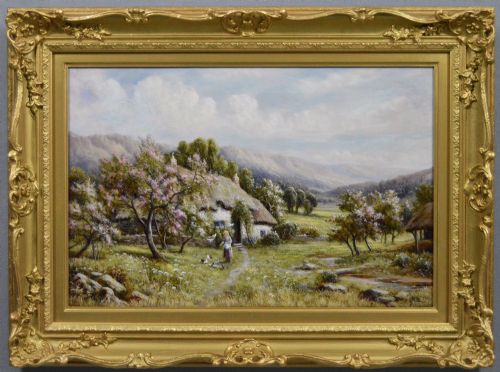
A 19th century rural scene painting typically depicts farming life, cottage exteriors, livestock, and agricultural labourers at work or rest. These works emerged across British and European art movements, documenting the countryside before mechanisation altered the landscape.
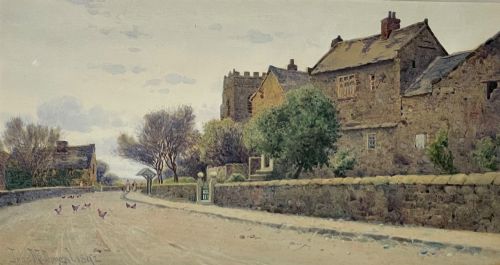
The selections available here span oil on canvas, wood panels, and delicate watercolours executed by named artists and regional schools. Common motifs include herding cattle, harvesting hay, and tending farmyard animals within Victorian settings.
Buyers encounter compositions ranging from intimate watercolours to large framed canvases that reflect the evolving tastes of nineteenth-century patrons. These pieces serve as historical records of rural traditions as much as decorative works of art.
How They Were Made
Artists primarily utilised oil paint applied to stretched canvas or wooden boards, alongside watercolour on paper protected by glass and gold leaf framing. Wood panels provided a rigid, stable support favoured by Flemish and continental painters.
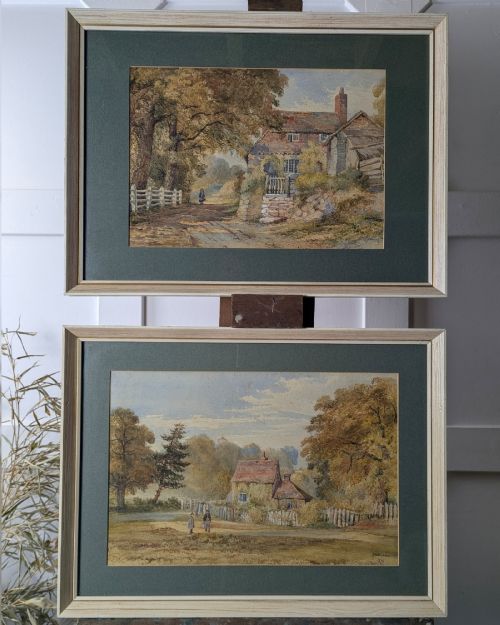
Watercolour works required deft brushwork and layered washes of pigment on paper to capture natural light and atmospheric weather in English river landscapes. Oil mediums allowed for heavier impasto and blended tones, giving depth to foliage, earth, and livestock.
Surviving supports include traditional canvas, wooden boards, and paper sheets housed in period gold leaf frames.
What Varies in Quality
The distinction between standard works and exceptional examples lies in the artist's handling of light, anatomical precision in animals and figures, and compositional balance. Master painters achieved a distinct sense of atmosphere and narrative depth that lesser hands missed.
Condition and originality also influence the standing of a piece, particularly the preservation of the original paint surface or watercolour pigment against fading. Retaining period frames matching the era of creation adds considerable integrity to the artwork.
W Klombeck·William Joseph Shayer Senior·John McDougal·Robert A Nottingham·Mark William Langlois·David Bates·Robert John Hammond·George Augustus Holmes·Umberto Volpato·Miles Birkett Foster·Herman S Melville·Frederick Hines·Thomas Sidney Cooper·James Kyd·Ernest Pile Bucknall·Samuel Joseph Clark·Henry John Boddington·James Hardy Junior·Frederick James Knowles·William Greaves·Charles Vickers·Colin H Greenwood·Henry Bailey·John Linnell·Robert Finley McIntyre
The 19th Century Rural Scene Painting Glossary
- Oil on Canvas
- Pigment mixed with drying oil applied to a woven fabric support stretched across a wooden frame. This technique allowed artists to build rich textures and deep colour fields.
- Watercolour
- A paint consisting of water-soluble pigments applied to paper. It produces translucent washes that capture delicate light effects.
- Barbizon School
- A French art movement of the mid-nineteenth century focusing on realist landscape and rural life painted directly from nature. Practitioners rejected rigid academic conventions in favour of atmospheric truth.
- Genre Painting
- The pictorial representation of scenes from everyday life, typically involving ordinary people engaged in common activities. These works provide valuable social history through art.
- Gilt Frame
- A wooden picture frame coated with a thin layer of gold leaf or metallic gilt paint. Such framing enhances the visual presence of nineteenth-century canvases.
19th Century Rural Scene Painting: Frequently Asked Questions
Where were these paintings displayed originally?
Nineteenth-century rural artworks typically hung in the drawing rooms and parlours of urban homes, where patrons sought comforting reminders of the countryside.
Wealthy industrialists and middle-class collectors favoured these pastoral subjects to project a connection to traditional agrarian life.
How do I identify a Victorian watercolour?
Victorian watercolours often feature soft paper supports, tonal washes, and delicate pencil underdrawings executed by artists recording local scenery.
They are commonly housed behind glass within gilt or maple frames that protect the fugitive pigments from light damage.
What subjects are most common?
Common motifs include farmyard laborers harvesting crops, shepherds tending flocks, and domestic animals gathered near rustic cottages and rivers.
Scenes of dairy farming, cattle watering, and quiet village life recur frequently across British and European schools.
How should I care for an oil painting?
Oil paintings on canvas or wood require stable indoor humidity and protection from direct sunlight to prevent cracking or warping of the support.
Dusting should be performed gently with a soft, dry brush, avoiding liquid cleaners or harsh chemical agents on the aged paint surface.