


19th Century Qajar Antiques
These 19th century qajar antiques bring vibrant Persian artistry into your home through lacquer, textiles, and metalwork.
19th Century Qajar Antiques
When you search for 19th century qajar antiques, you encounter a distinct visual culture spanning textiles, lacquer, and metalwork from Iran. The pieces available here range from embroidered wool and silk panels to painted papier-mâché pen cases and brass candlesticks.
Most items you will meet on this page date from the nineteenth century, including specific decades such as the 1850s, 1870s, 1880s, and 1890s, alongside pieces from around 1900 and the Edwardian period.
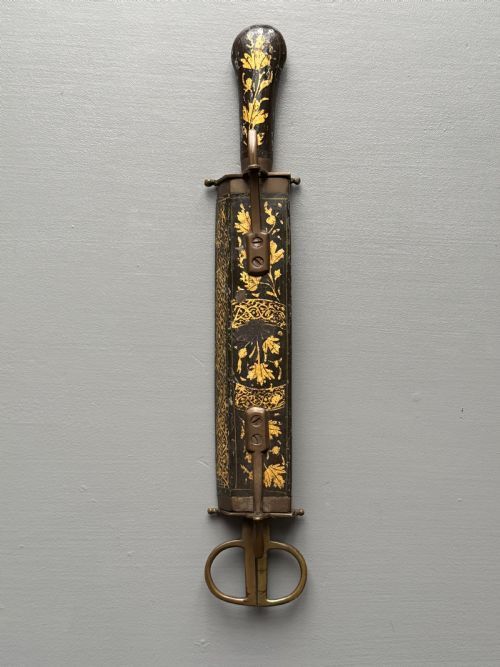
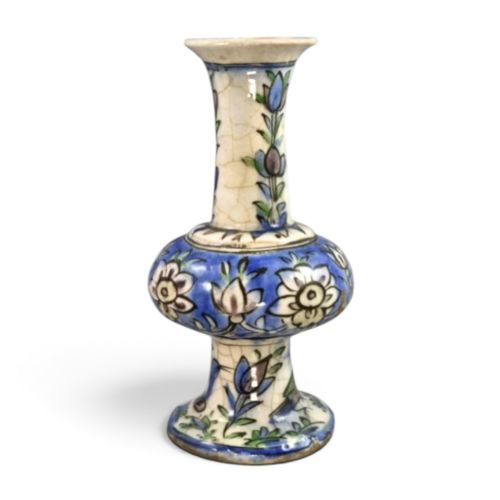
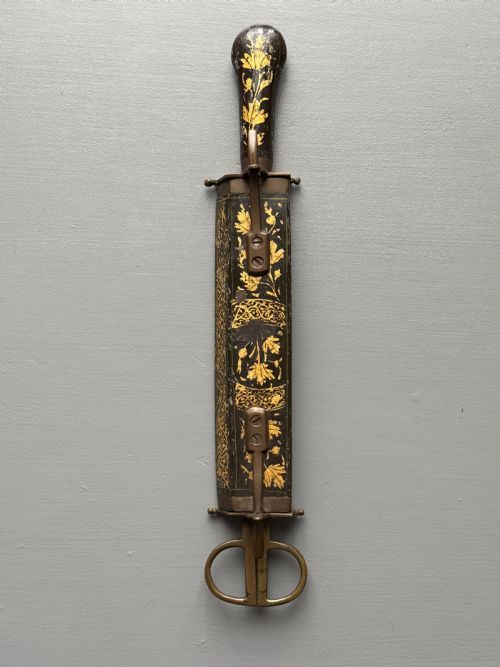
Form varies widely across the objects, encompassing decorative boxes, cashier boxes, long jackets, rugs, plaques, ceramic vases, and dagger and scissors sets. Each object carries the characteristic palette and pictorial traditions of the era.
How They Were Made
Artisans built many of these items using papier-mâché, wood, or bronze, often applying detailed paint and lacquer layers over the base material. Lacquered boxes and pen cases demonstrate smooth finishes achieved through careful coating and painting techniques.
Textiles rely on silk, wool, cotton, and felt, utilising embroidery, appliqué work, and block printing. Embroideries such as Rasht panels combine silk thread on red felt backgrounds to create intricate star medallions and classic designs.
Metal objects such as candlesticks and plaques involve brass and bronze, shaped through hand-engraving and casting. Painters and scribes utilised pigments on ceramic, canvas, and paper to depict figures like sages, pupils, and historical rulers.
Materials across these listings include silk, lacquer, wool, cotton, brass, papier-mâché, paint, and wood.
What Varies in Quality
Quality in 19th century qajar antiques rests upon the precision of the hand-work and the preservation of the original materials. Finely engraved brass lines, intact lacquer surfaces, and tight silk embroidery differentiate the finest examples from simpler commercial outputs.
The complexity of the pictorial design also sets pieces apart, particularly in painted panels, ceramics, and portrait rugs. Portrait clarity and pigment saturation on lacquer boxes and paintings indicate the skill of the original workshop.
Mohtasham Kashan
The 19th Century Qajar Antiques Glossary
- Rasht embroidery
- A traditional Persian textile technique originating from Gilan province. It involves intricate chain-stitch embroidery and felt appliqué work using wool and silk threads.
- Papier-mâché
- A composite material made from paper pulp or reinforced paper sheets mixed with glue, used here as a durable base for painted and lacquered pen cases and boxes.
- Abaya
- A traditional outer garment or long jacket. In this context, examples incorporate wool and metal thread within Qajar textile traditions.
- Indo-Persian
- Describing artistic styles and techniques shared or exchanged between the Indian subcontinent and Persia. This fusion appears in several metal plaques and lacquer works.
19th Century Qajar Antiques: Frequently Asked Questions
What are 19th century qajar antiques?
These items encompass decorative and functional objects produced in Persia during the Qajar period, spanning painted lacquer boxes, embroidered textiles, and engraved metalwork.
They represent the distinct aesthetic of nineteenth-century Iranian craftsmanship, utilising materials like silk, wool, brass, and papier-mâché.
How were lacquer pen cases used?
Scribes and writers used lacquered papier-mâché pen cases to hold reed pens and inkwells during daily work.
Their decorated surfaces reflect the high status of writing and literacy in Persian society.
How do I care for silk embroidery?
Protect silk and felt embroideries from direct sunlight and high humidity to prevent fibre degradation and fading.
Display them behind UV-filtered glass or mount them securely to support the weight of the textile.
How can I tell the period?
Distinguish periods by examining the materials, construction methods, and stylistic motifs recorded in each listing.
Nineteenth-century items often show hand-mixed pigments, traditional block printing, and hand-engraved brass rather than modern machine production.