

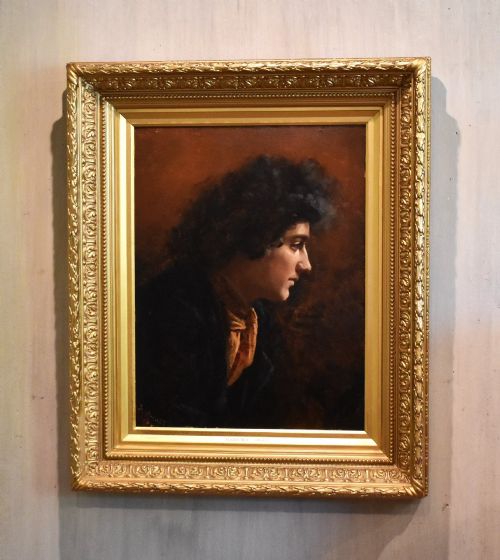
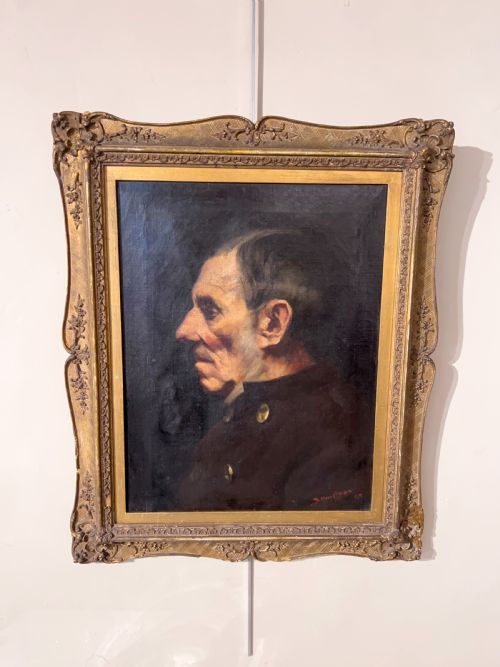


19th Century Profile Art
These intimate likenesses capture personalities through the direct clarity of 19th century profile art, offering collectors a tangible connection to the past.
19th Century Profile Art
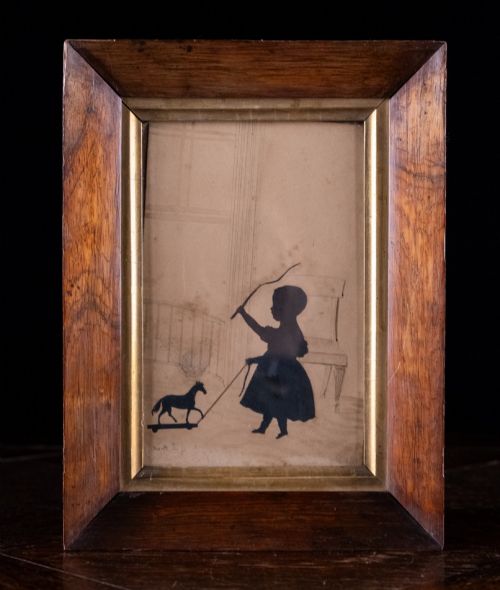
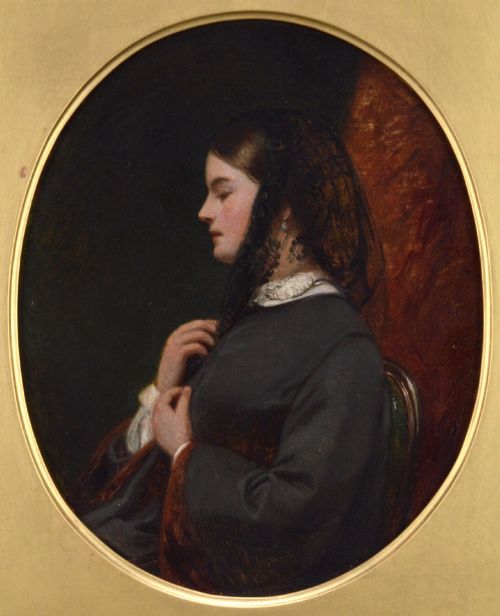
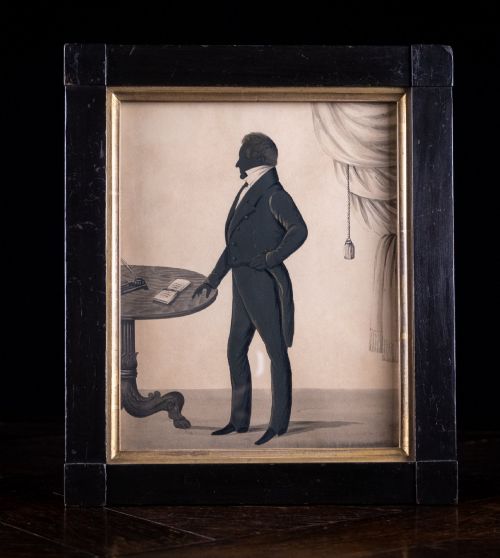
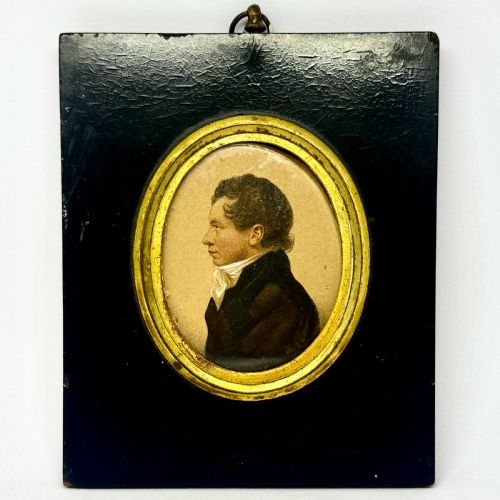
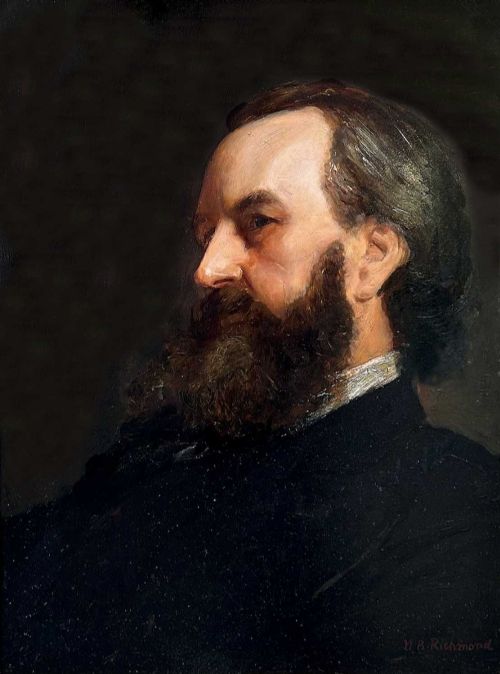
When you search for 19th century profile art, you encounter a diverse array of likenesses executed in paper, paint, wax, and carved materials. These objects record the exact contours of sitters from the Georgian, Regency, and Victorian periods.
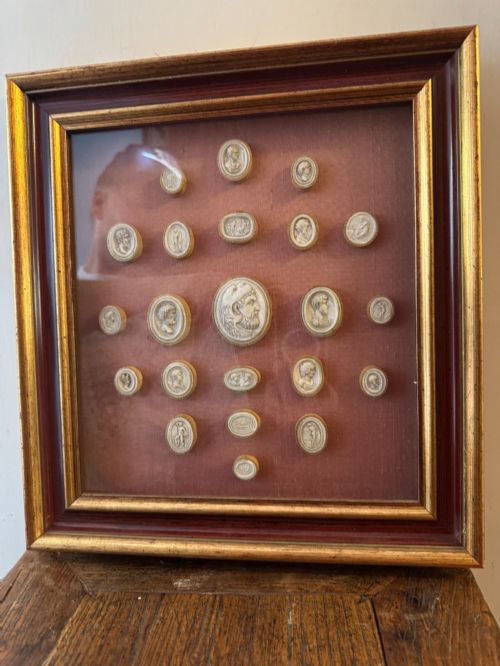
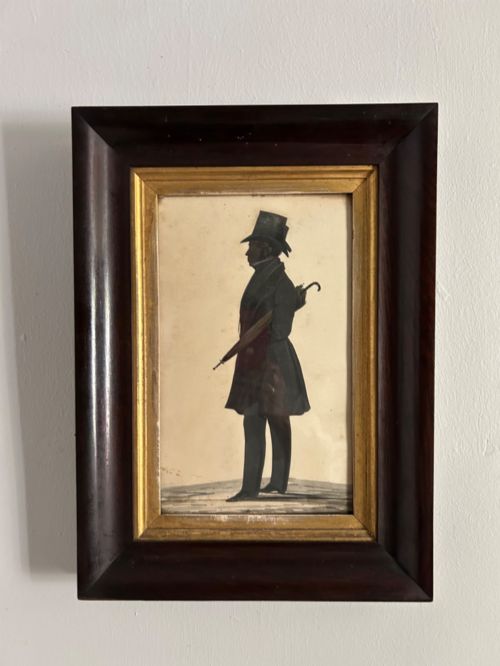
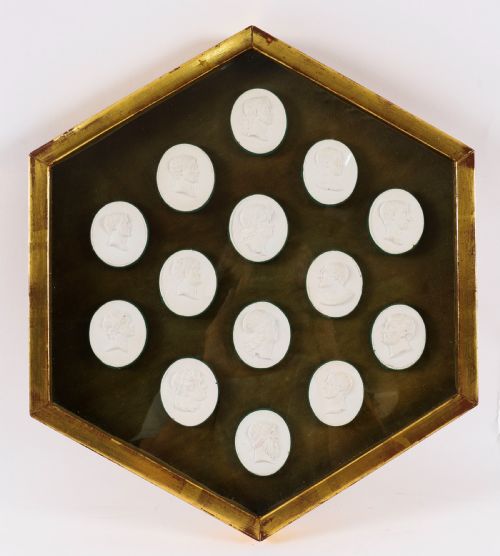
The most common pieces on this page are paper silhouettes, often enhanced with gold leaf and watercolour details. Alongside these are portrait miniatures, painted oils, carved marble plaques, and plaster intaglios originating from Grand Tour travels.
Materials and technique
Artists utilised contrasting media, cutting black paper freehand or with scissors before mounting the profile against a pale background. Watercolour and gold leaf embellishments added definition to collars, hair ribbons, and lace.
Moulders also cast profiles in wax, gypsum, and cast iron, while painters used oil on canvas or panel. Frames of rosewood, ebony, and gilt wood frequently housed these works.
19th Century Profile Art Retail Price Guide 2026
Typical asking prices for 19th century profile art among the pieces listed under this phrase on Sellingantiques today, from the lower quarter to the upper quarter. They describe what is for sale here now, not the wider market.
Listings feature paper, glass, wood, ink, brass, watercolour, gold leaf, and gilt wood across the Regency and Victorian periods.
Distinctions in quality
Quality rests upon the precision of the cutter's hand or the painter's brush in capturing an unmistakable likeness. The best examples reveal subtle anatomical accuracy and confident linework rather than generic outlines.
The inclusion of contemporary framing and signatures from notable practitioners elevates a piece. Furthermore, original glass and undisturbed backing papers preserve the integrity of the work.
Bateman·Augustin Edouart·J. Deacon·George Atkinson·John Smith of Edinburgh·Alfred Darbyshire·Florence Small·Bertram Priestman
The 19th Century Profile Art Glossary
- Silhouette
- A solid portrait representation showing a profile view, typically filled in black against a lighter ground. This form gained immense popularity prior to the widespread use of photography.
- Intaglio
- A design incised into a material such as gypsum, glass, or stone so that an impression in relief can be made from it. Grand Tour travellers frequently collected these classic profiles abroad.
- Hollow-cut
- A silhouette technique where the profile is cut out from a piece of paper, leaving the surrounding sheet to serve as the mount against a dark background fabric.
- Reverse painted
- A method where the artist paints the portrait on the underside of a convex glass plate. This technique creates a luminous, protected finish often seen in Georgian miniatures.
- Wax portrait
- A likeness modelled in tinted wax, sometimes incorporating real hair and fabric. These fragile works demonstrate high sculptural skill.
19th Century Profile Art: Frequently Asked Questions
How do I date a silhouette?
Dating relies heavily on the sitter's costume, particularly the cut of coats, cravats, bonnets, and hairstyles. Regency pieces often display high-waisted dresses or specific turban caps.
Framing materials and handwritten notes on the reverse also provide clues to the decade of creation.
What is a conversation piece silhouette?
A conversation piece depicts multiple figures engaged in an activity or interaction within a single framed scene. These elaborate compositions often include family members, pets, and domestic interiors.
They required exceptional skill to cut and arrange compared to standard single head profiles.
Were all profiles cut by hand?
Professional artists typically cut paper silhouettes freehand using small scissors, occasionally aided by mechanical devices like the physiograce. Some studios utilised mechanical tracing tools to outline shadows cast by a lamp.
Skilled practitioners then added hand-painted highlights in gold leaf or watercolour.
How should I display profile art?
These works require protection from direct sunlight to prevent the fading of paper, watercolours, and dark pigments. Hanging them on interior walls away from moisture preserves the delicate materials.
Grouping several pieces together creates a traditional gallery wall effect reminiscent of historic parlours.